

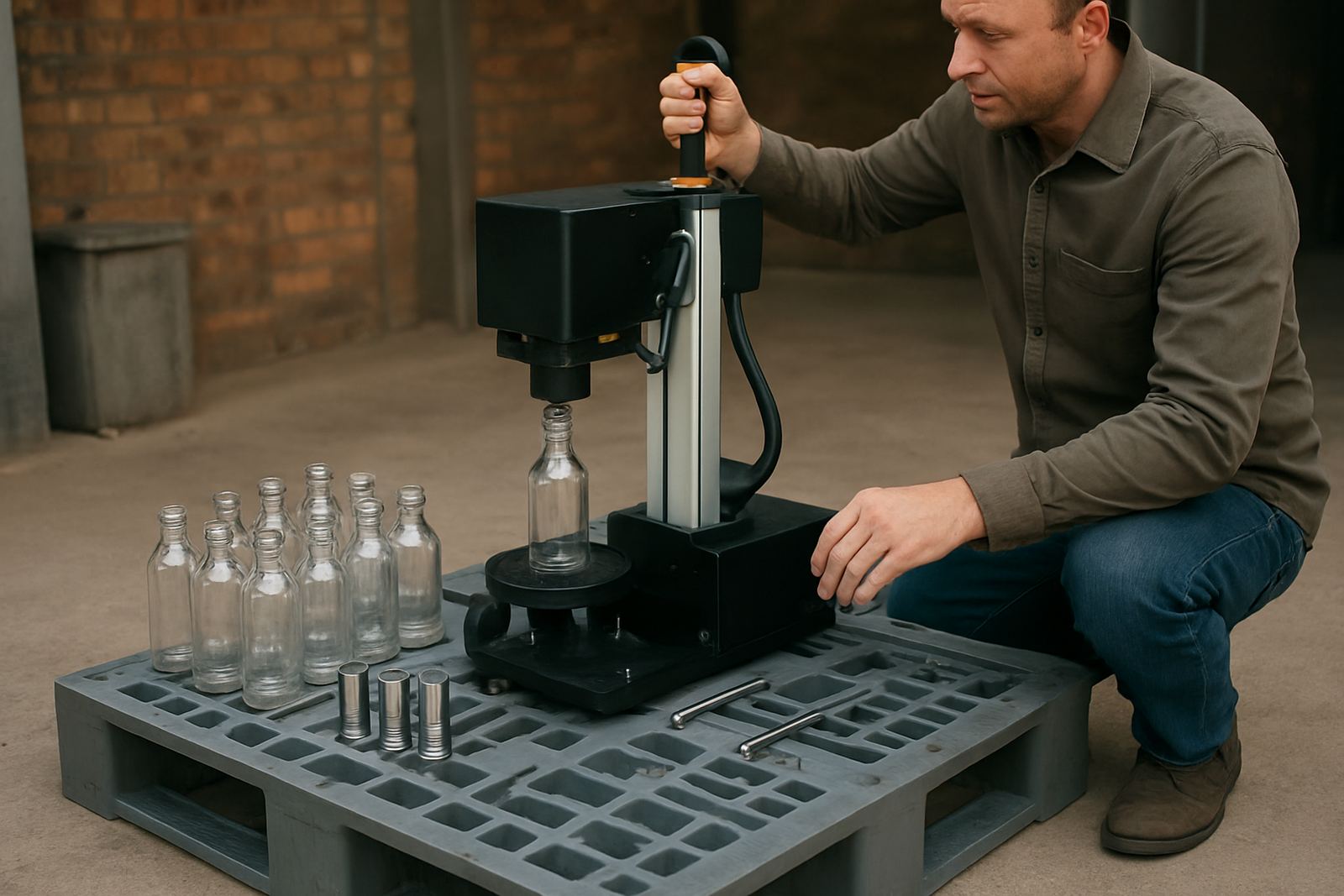
Choose the Right UV Marker for Your Material and Output
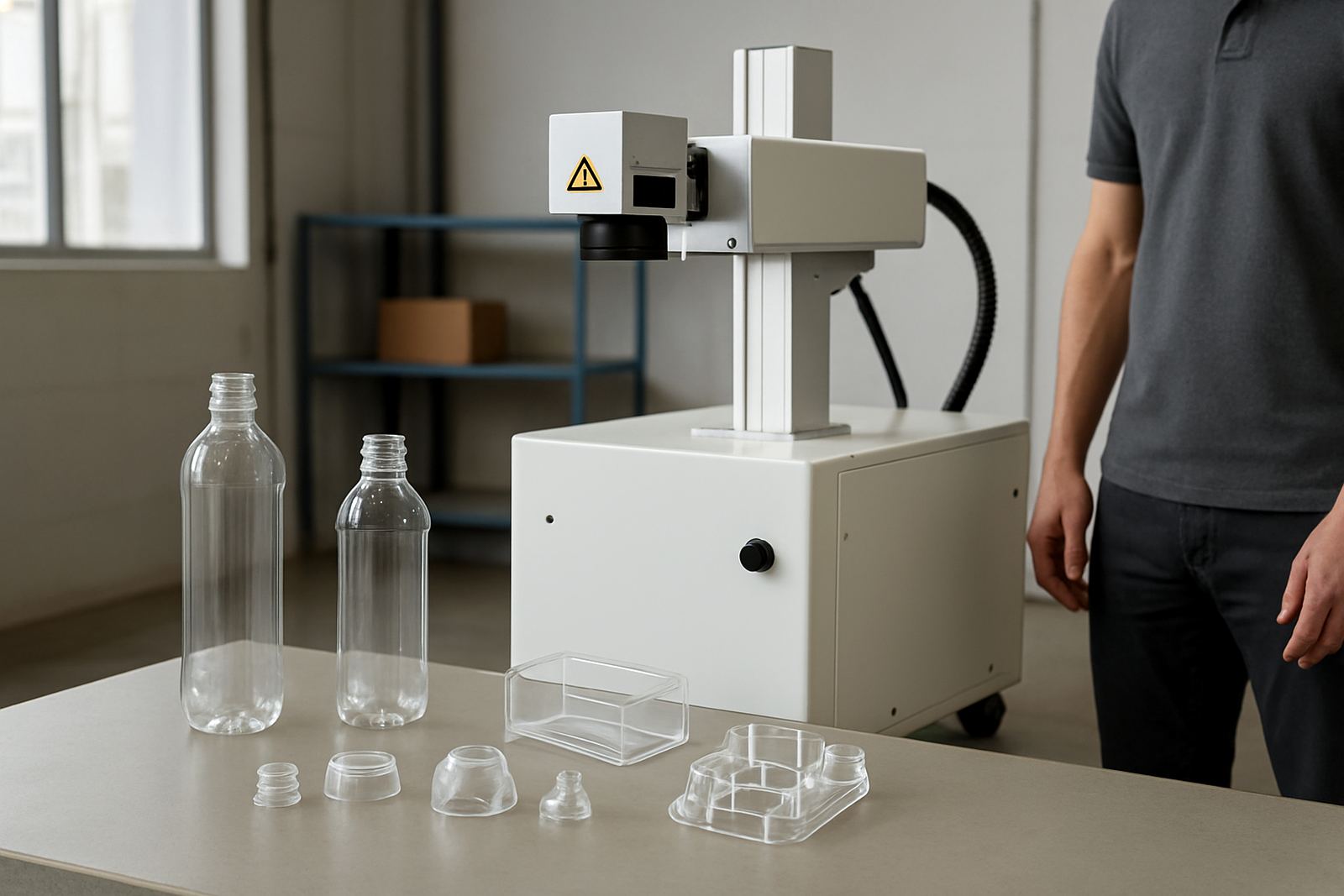
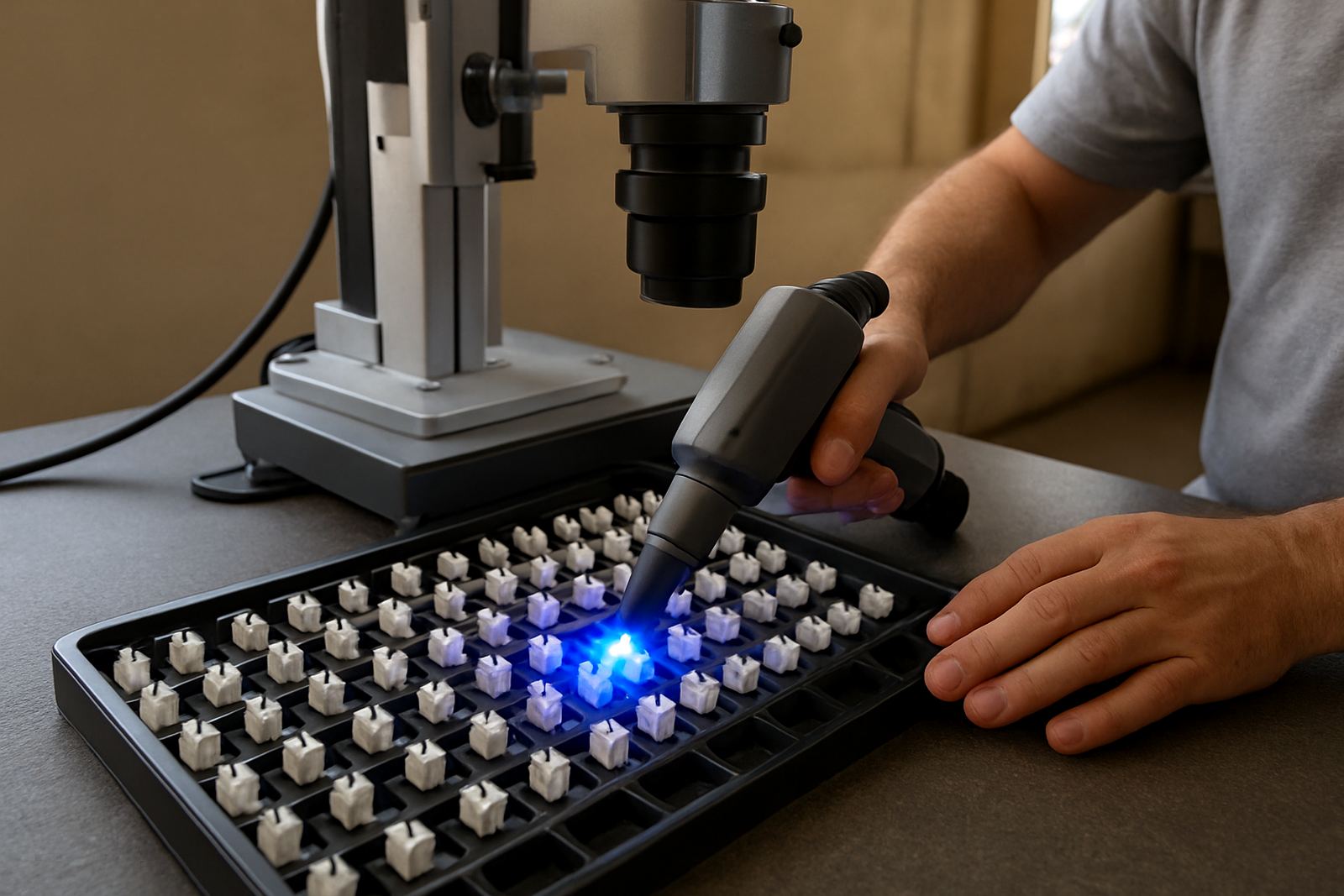
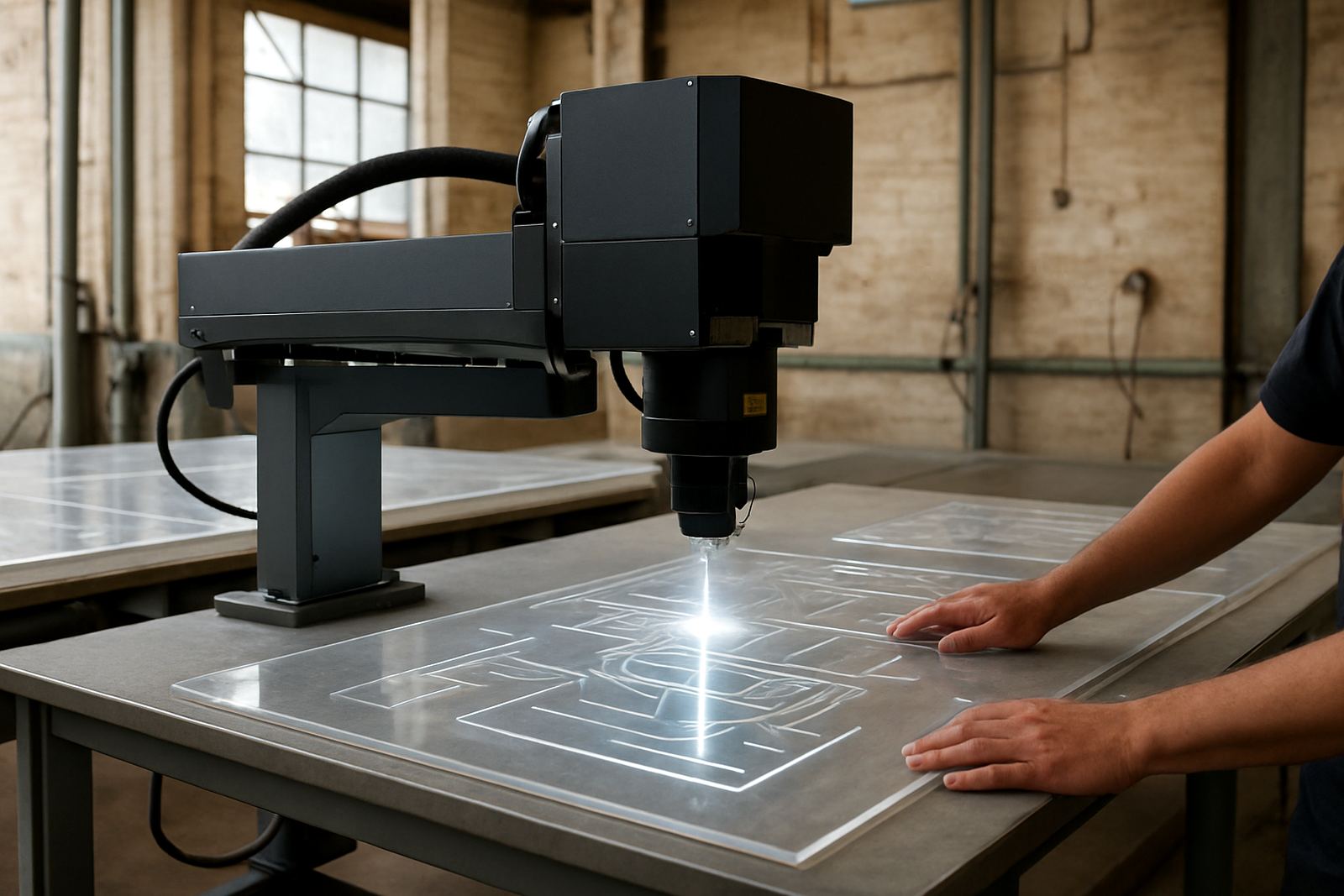
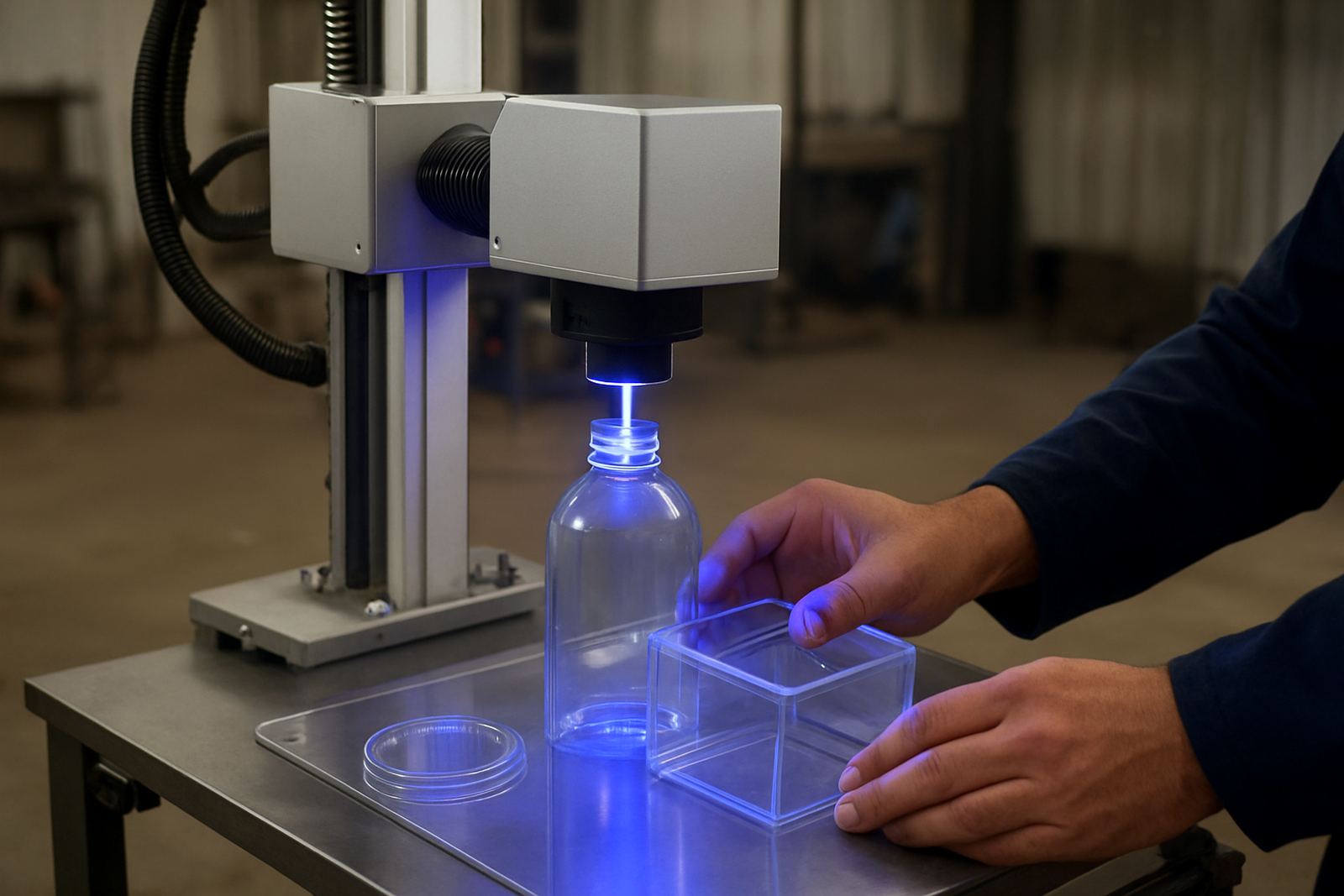
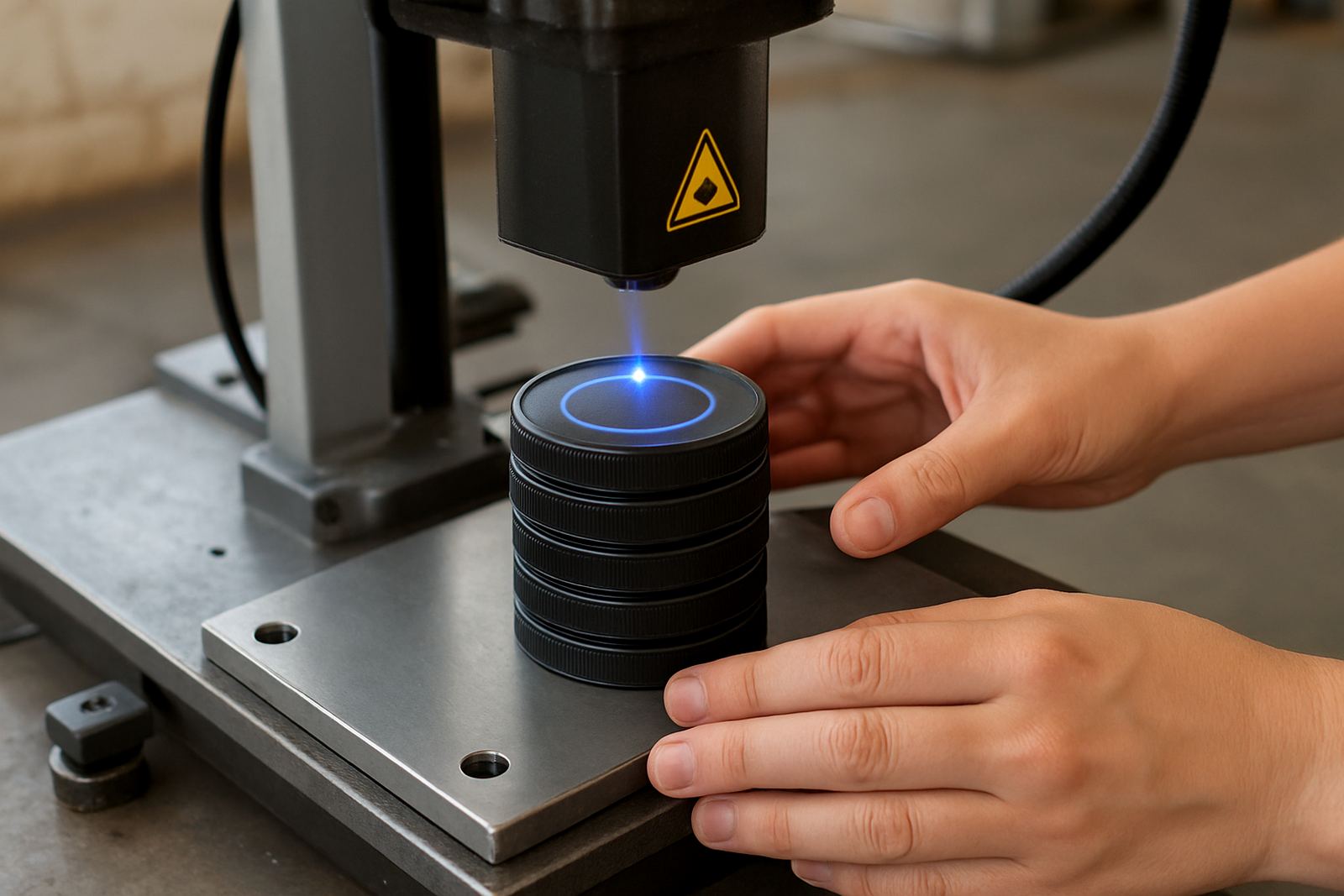
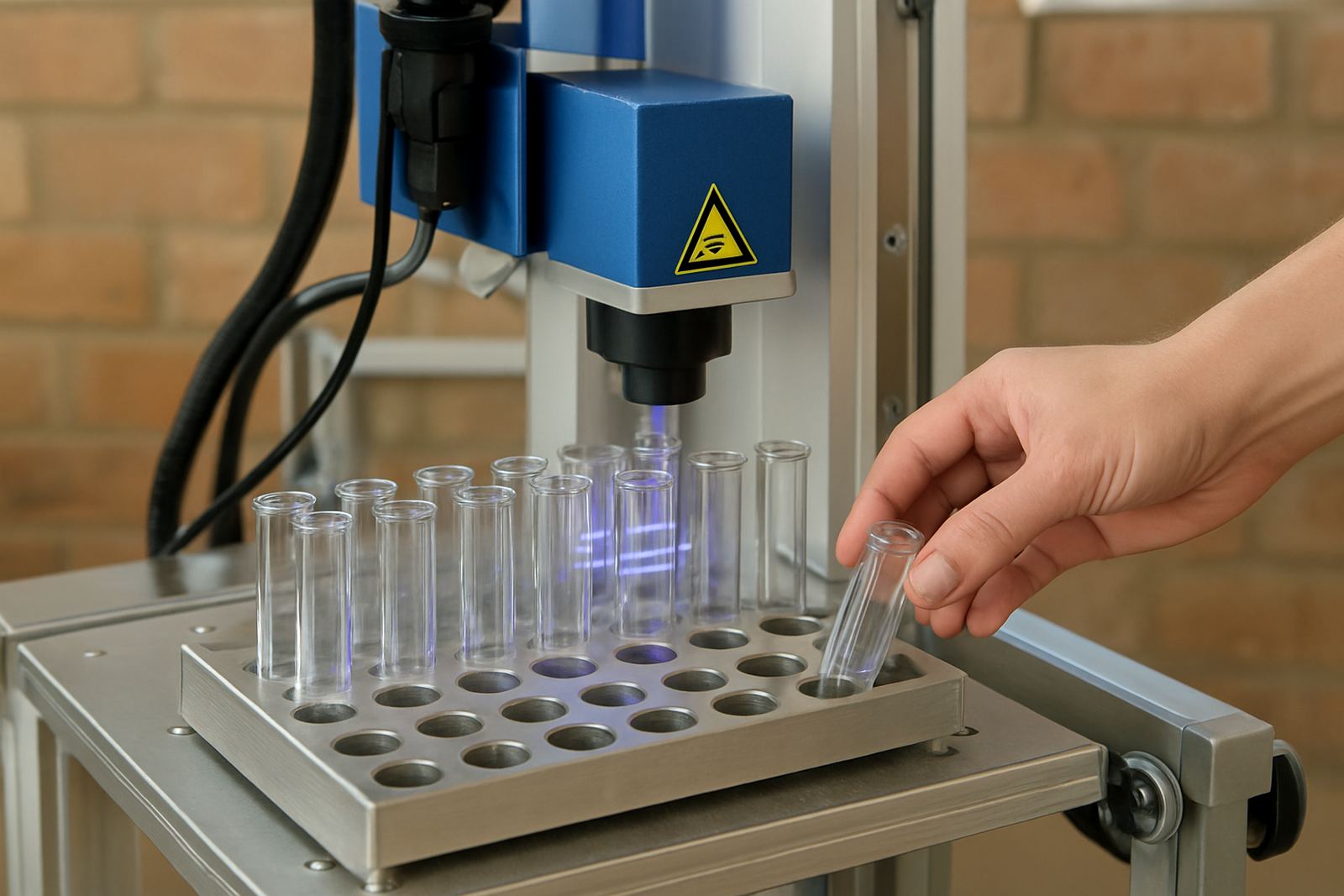
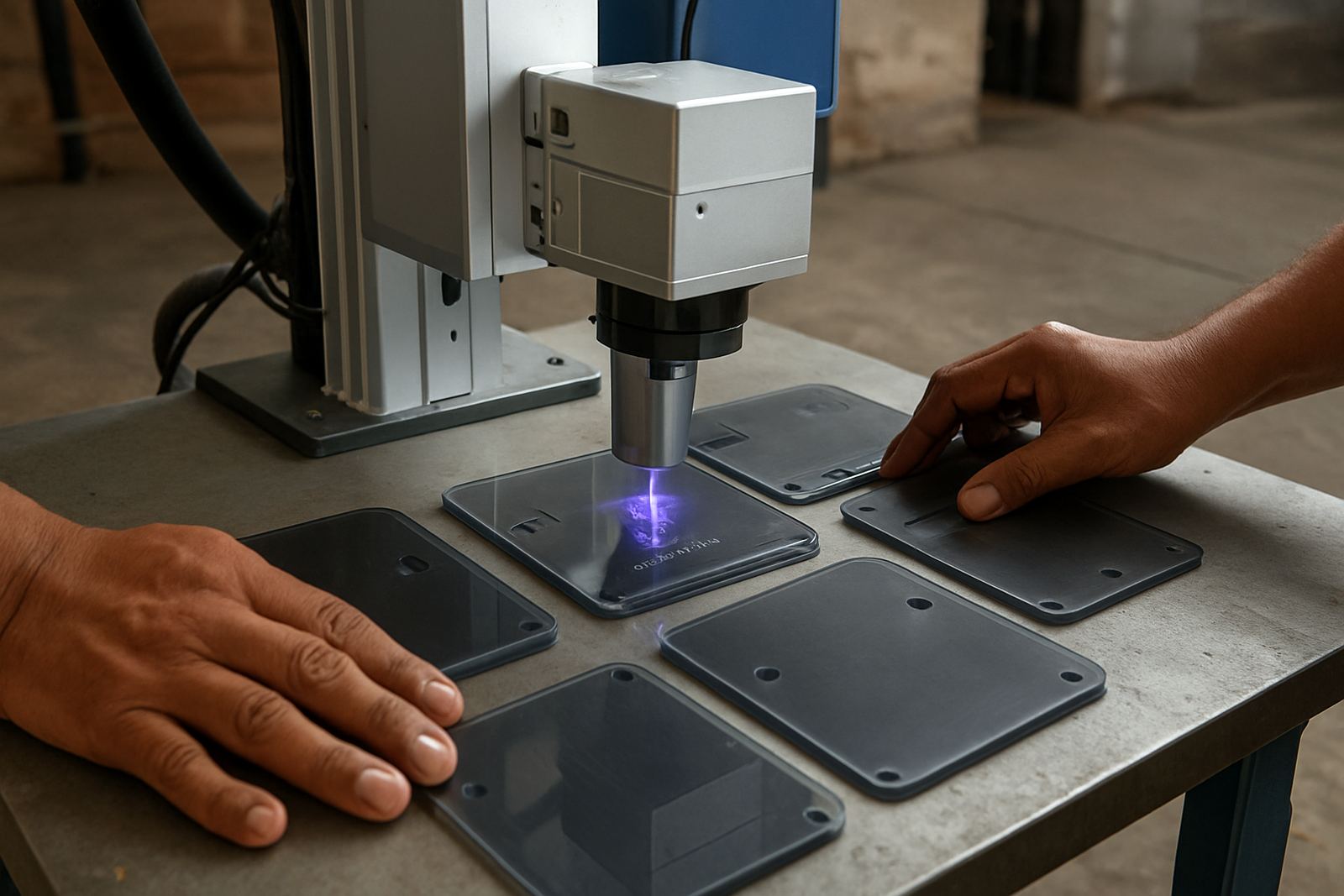
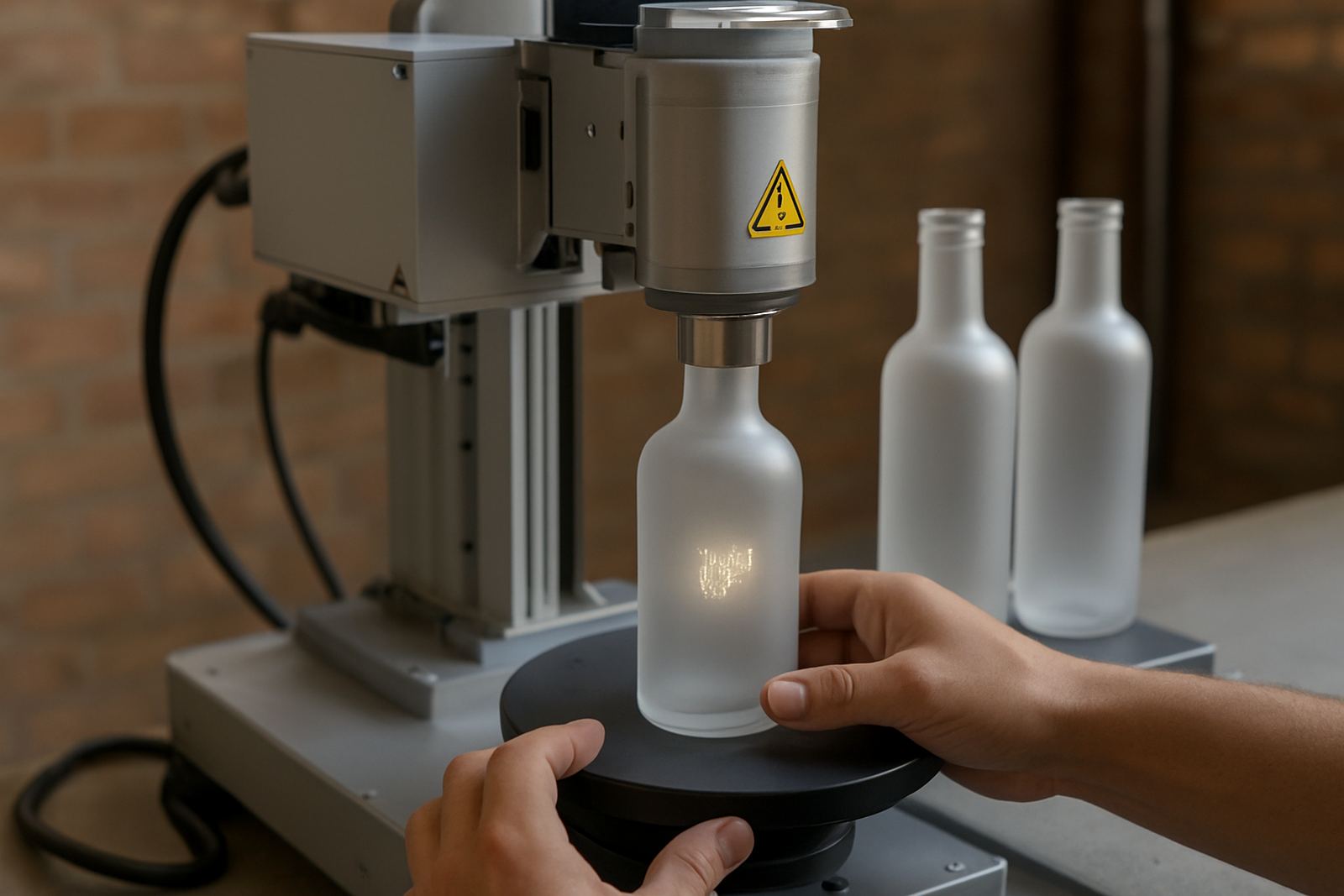
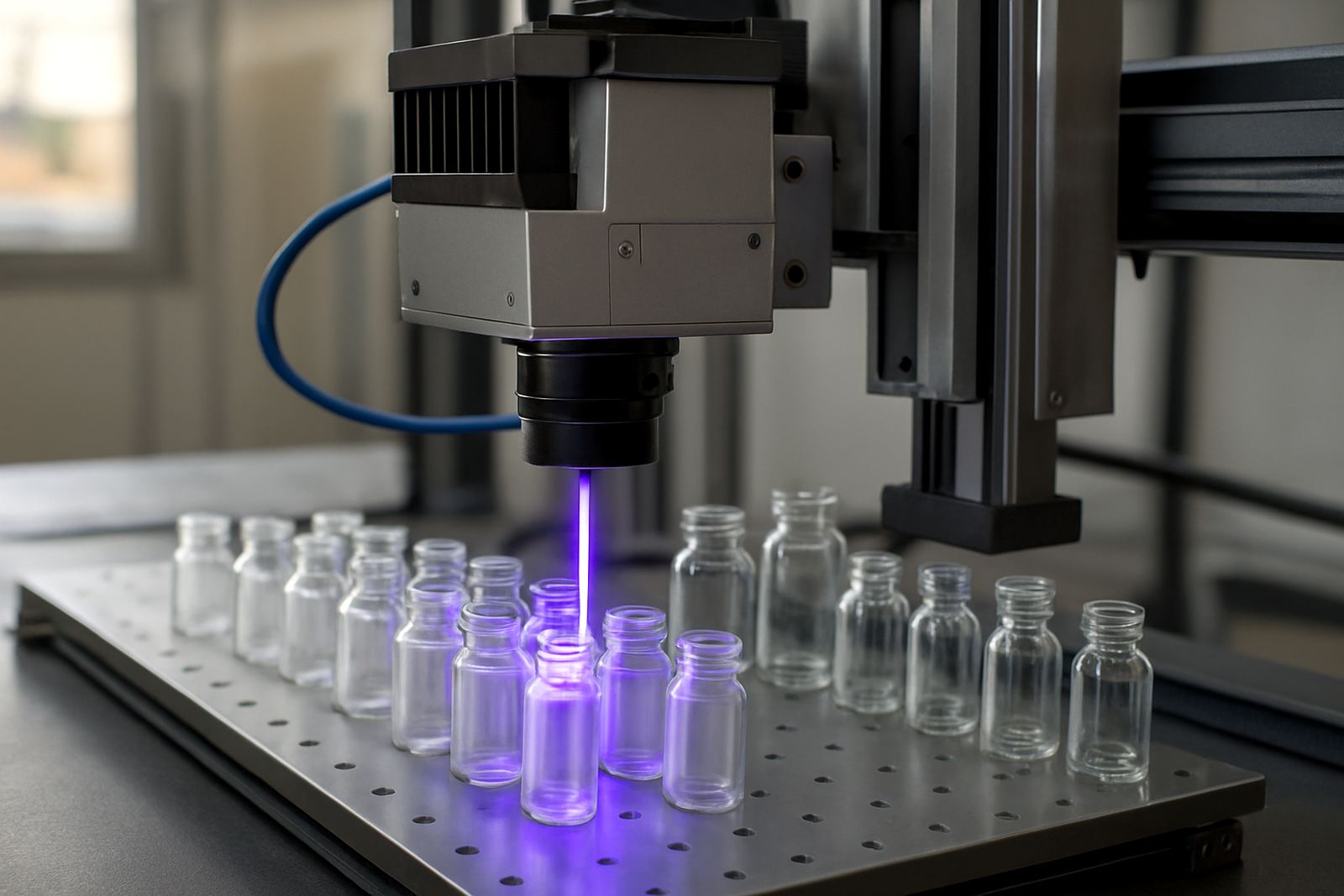
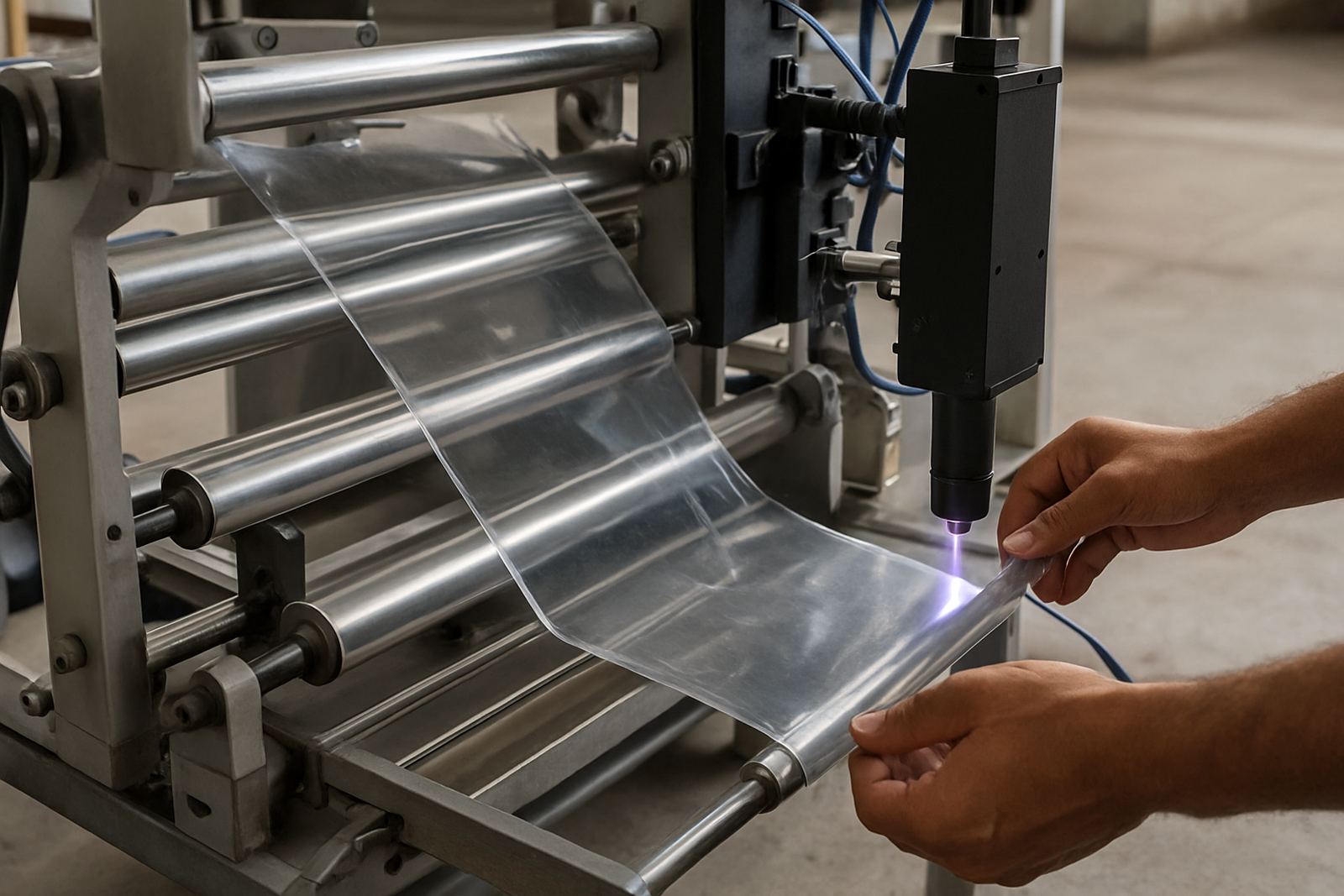
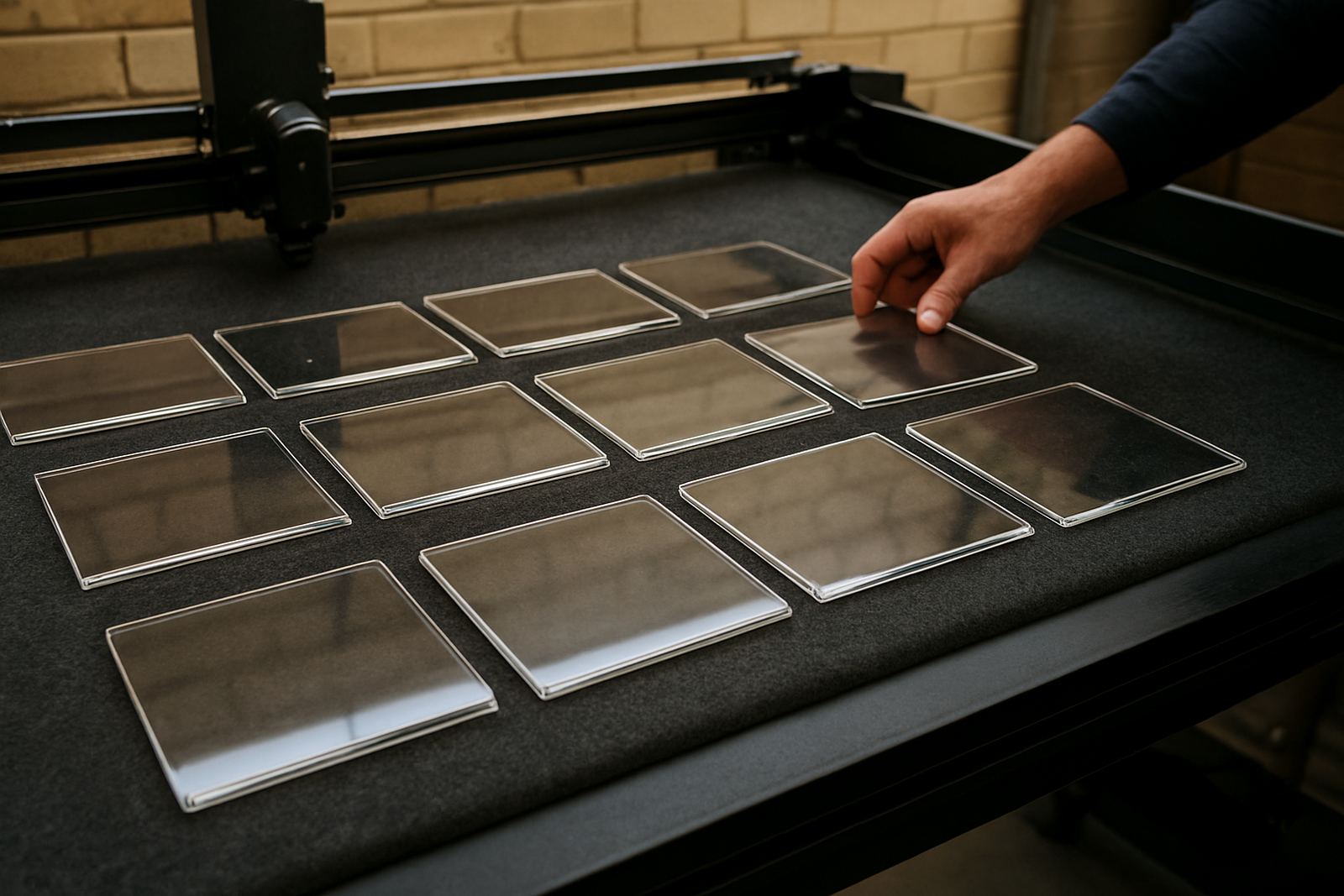
UV laser marking is suited to glass and many plastics where clear, permanent marks are needed without heavy heat or surface damage. The right machine depends on the product shape, cycle time, mark size and how the part moves through your process, whether that is by hand, jig or conveyor.
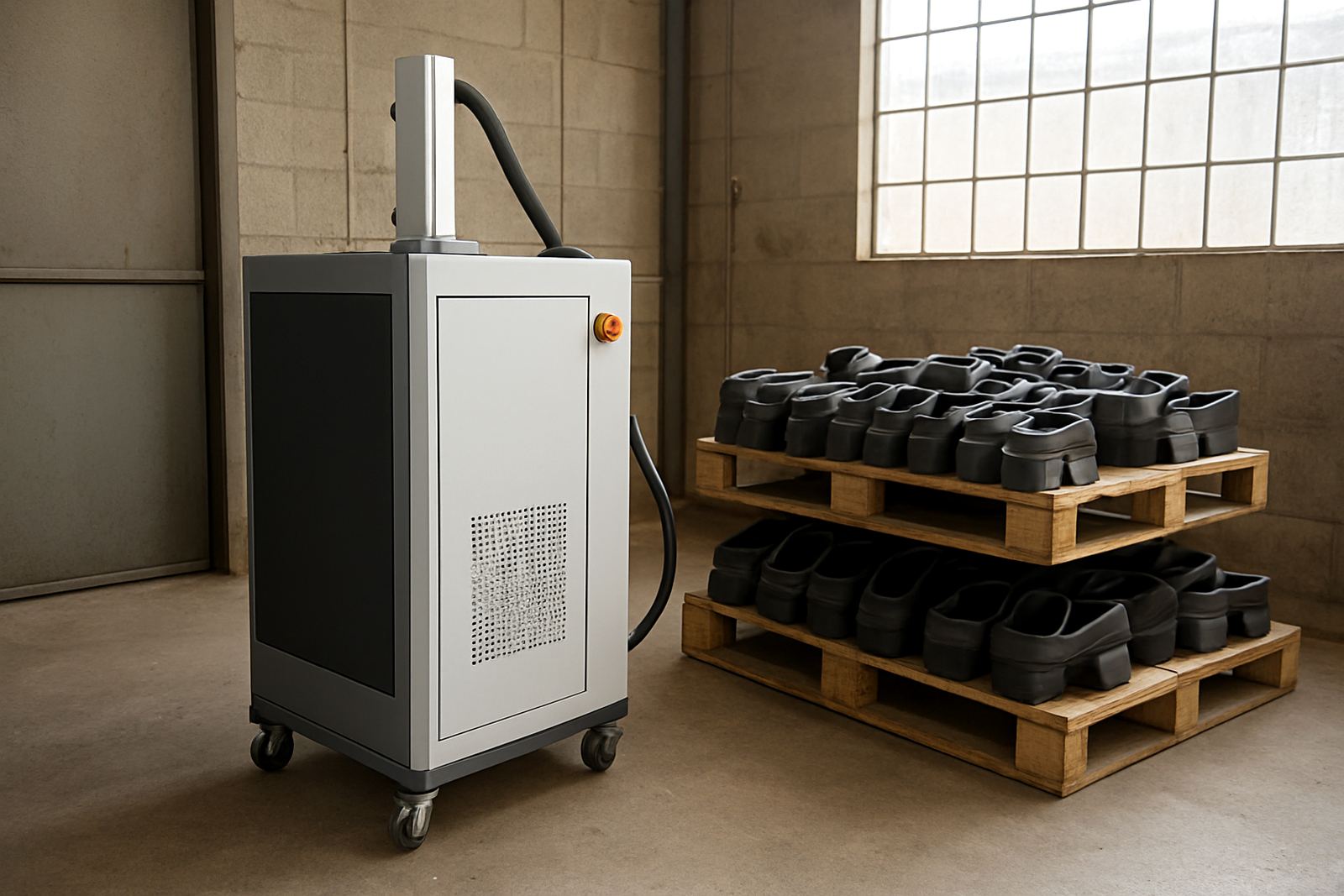
For smaller runs in Jet Park, Boksburg or Germiston, a compact unit can be the practical choice. For higher output in Kempton Park, Benoni or Alberton, a line-ready system usually makes more sense because it keeps marking consistent and easier to control.
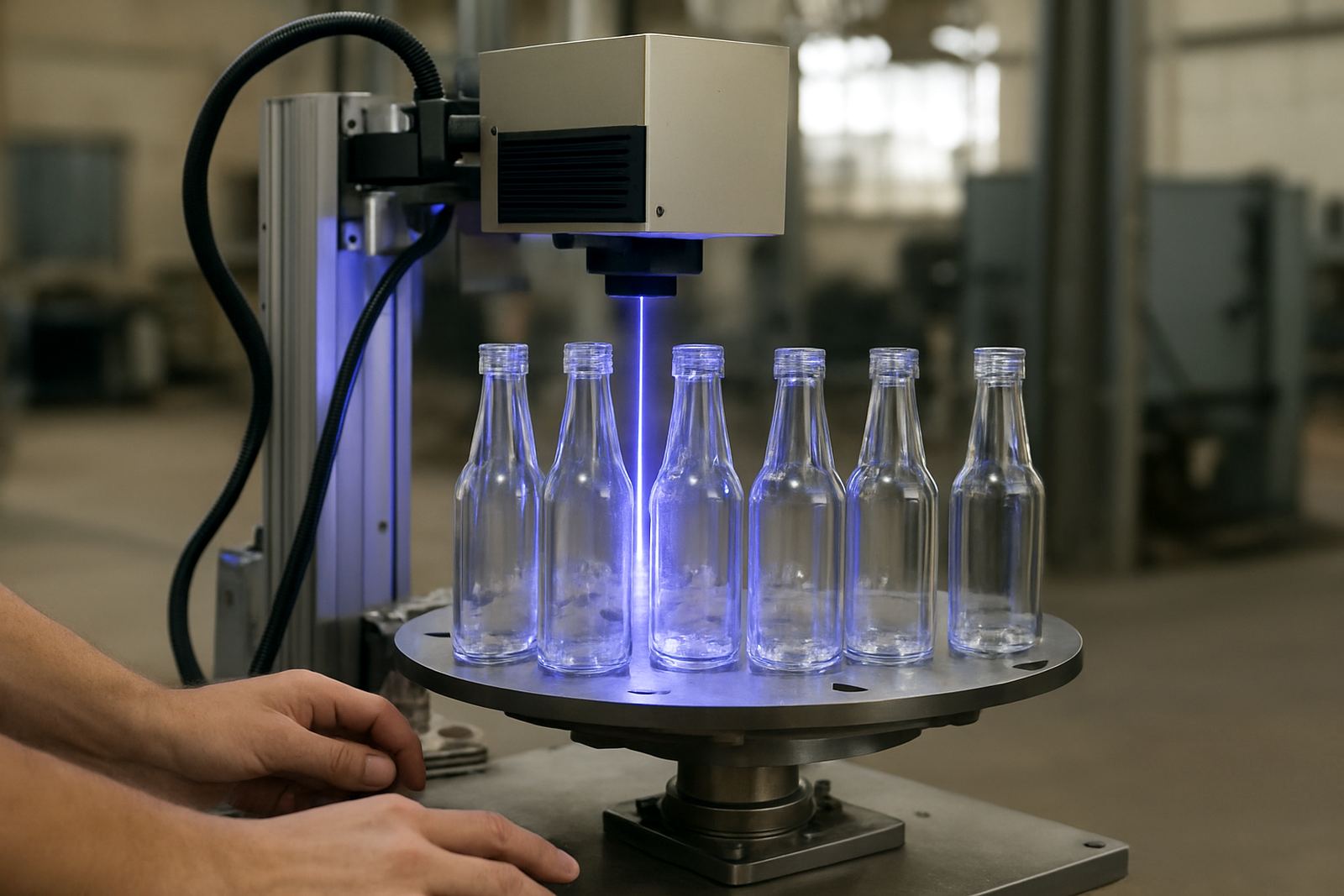
- Glass bottles, jars and flacons
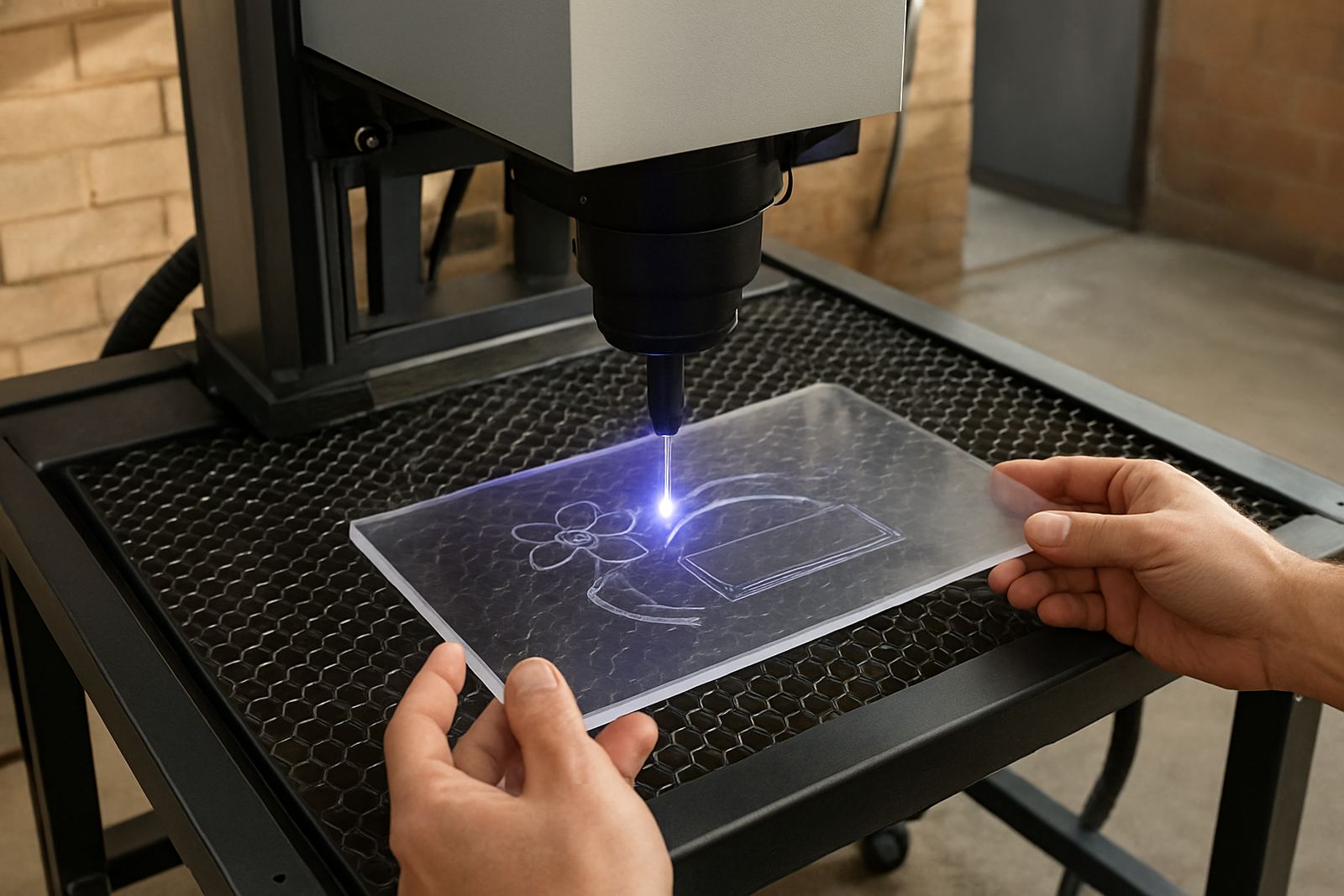
- Clear and coloured plastics
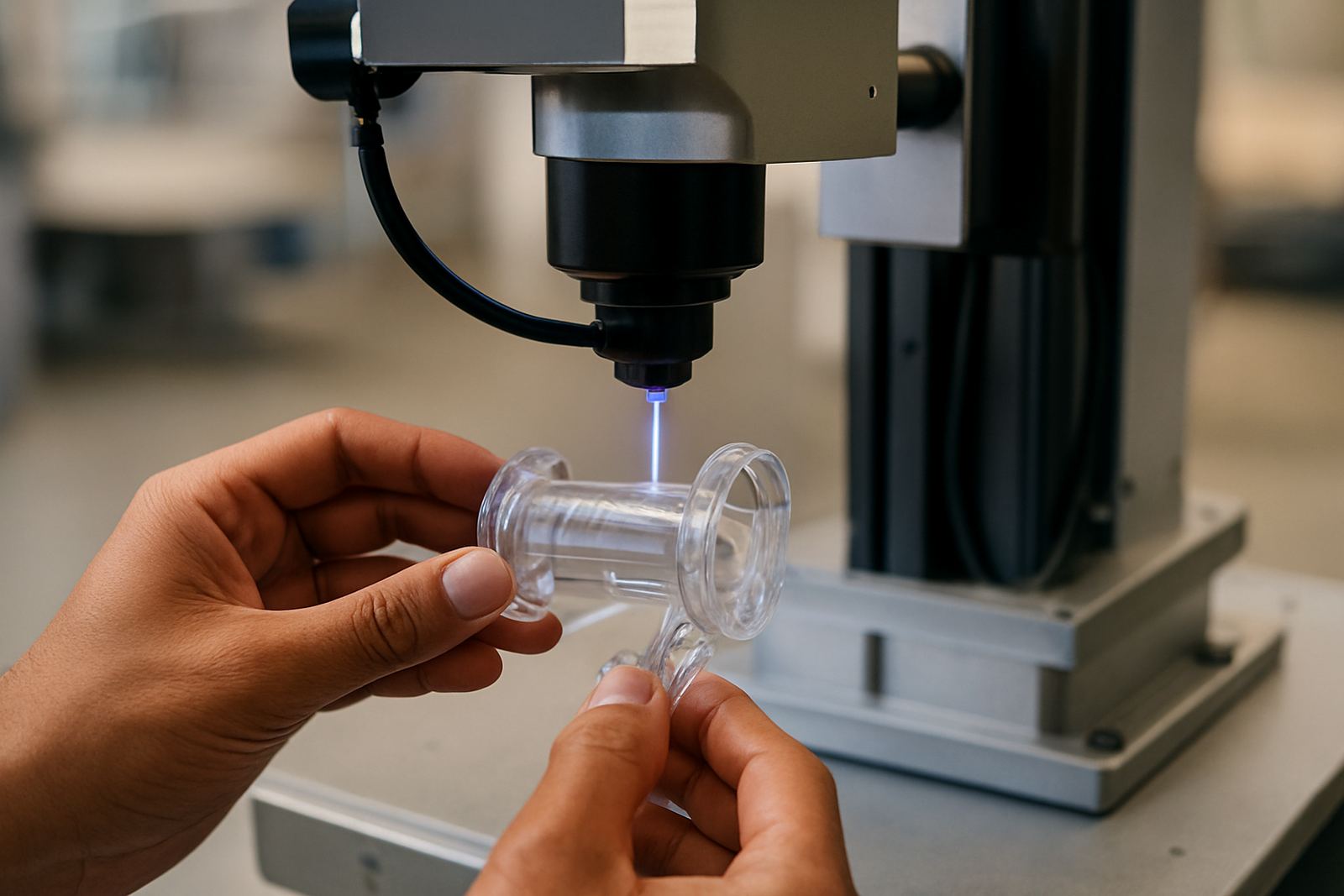
- Flat, curved and irregular parts
- Batch marking, branding and serial identification
Compact Units for Workshops and Sample Work
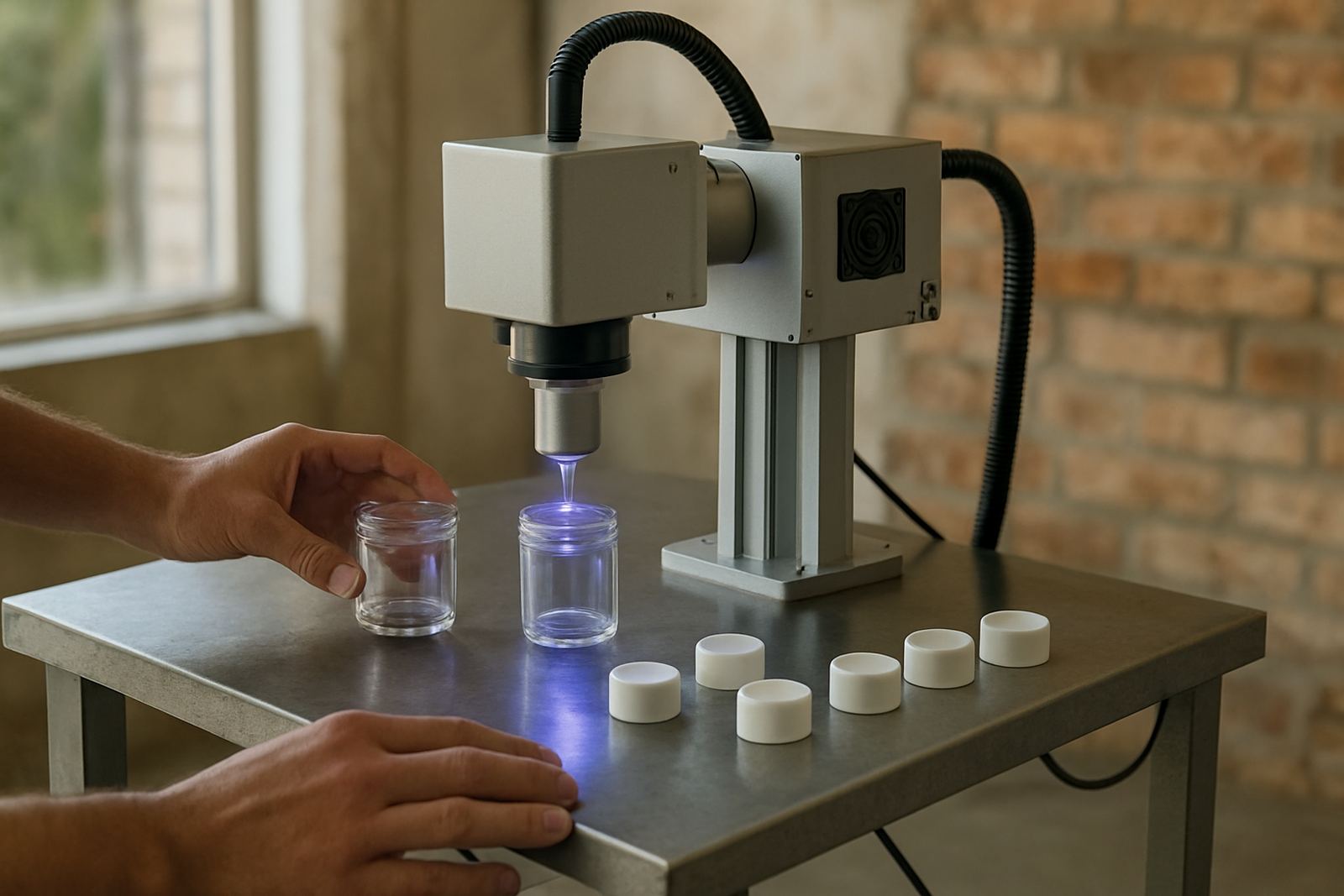
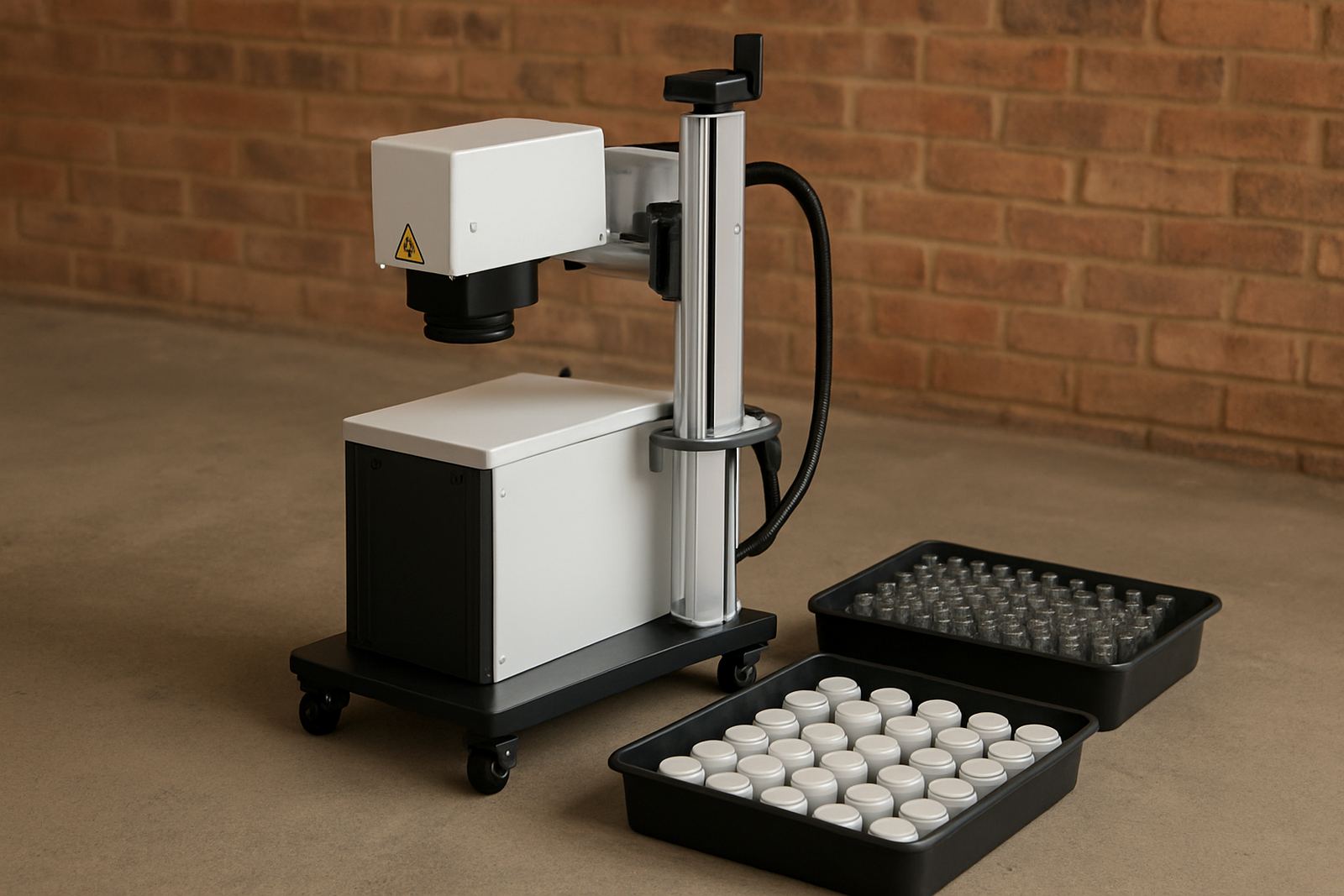
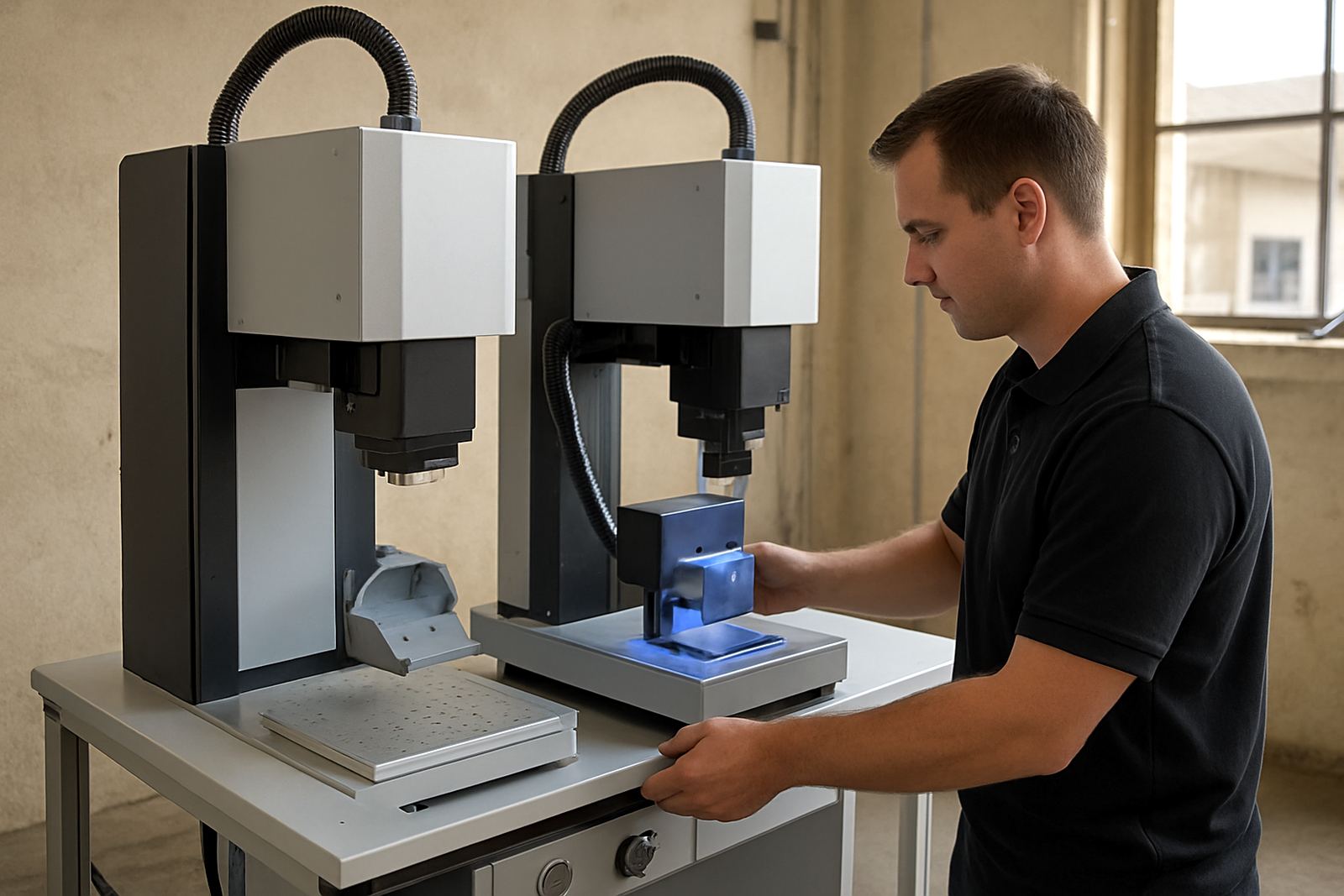
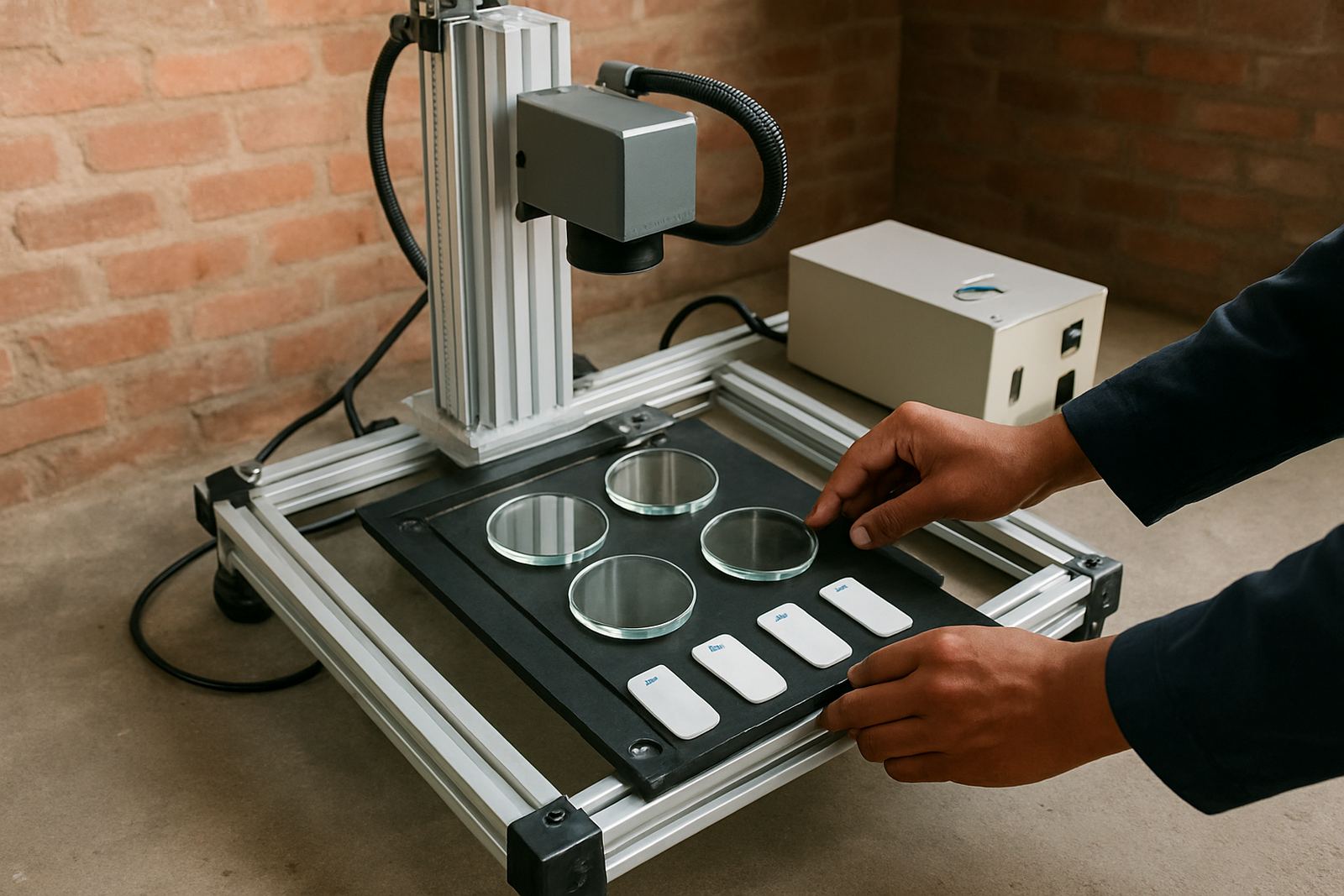
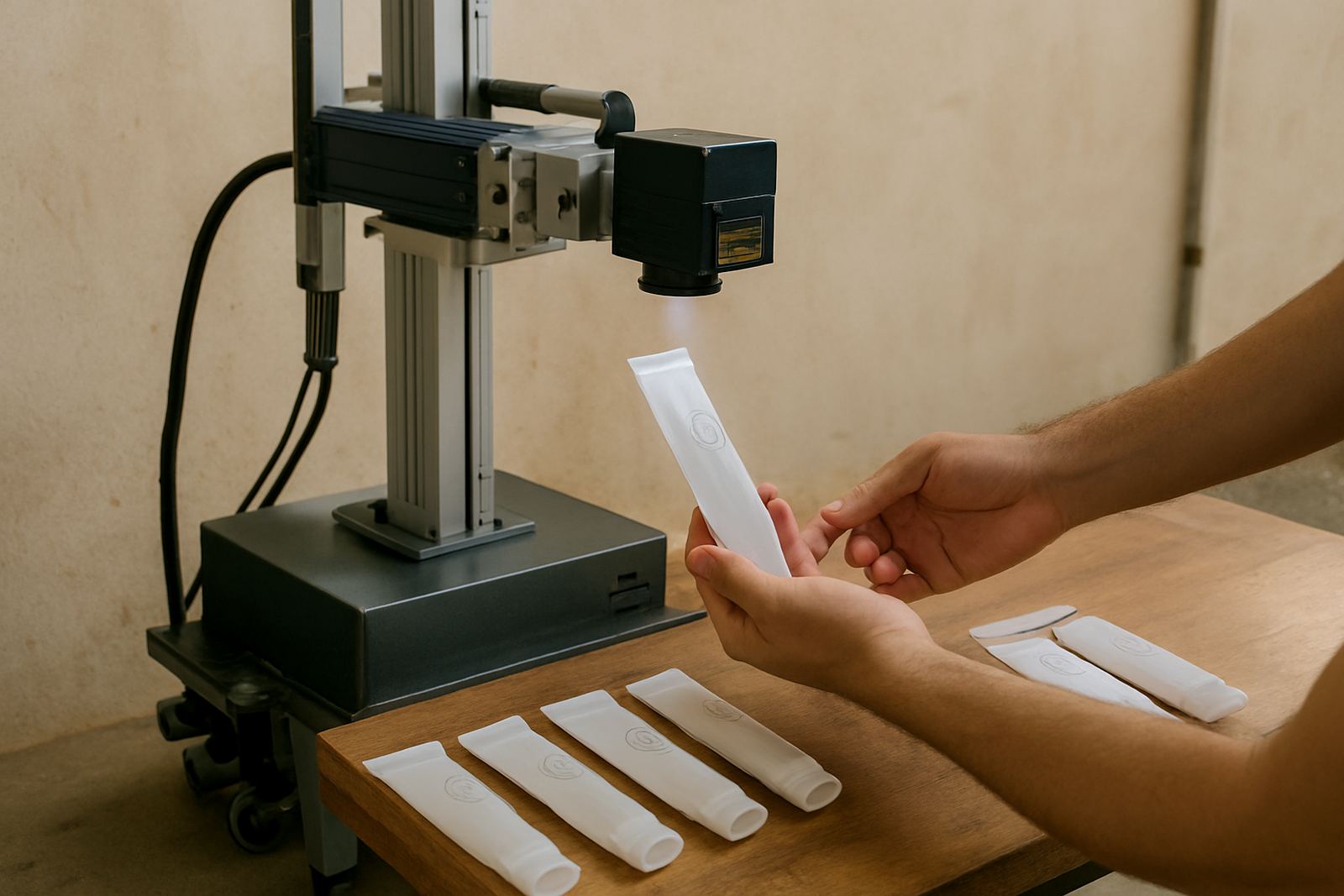
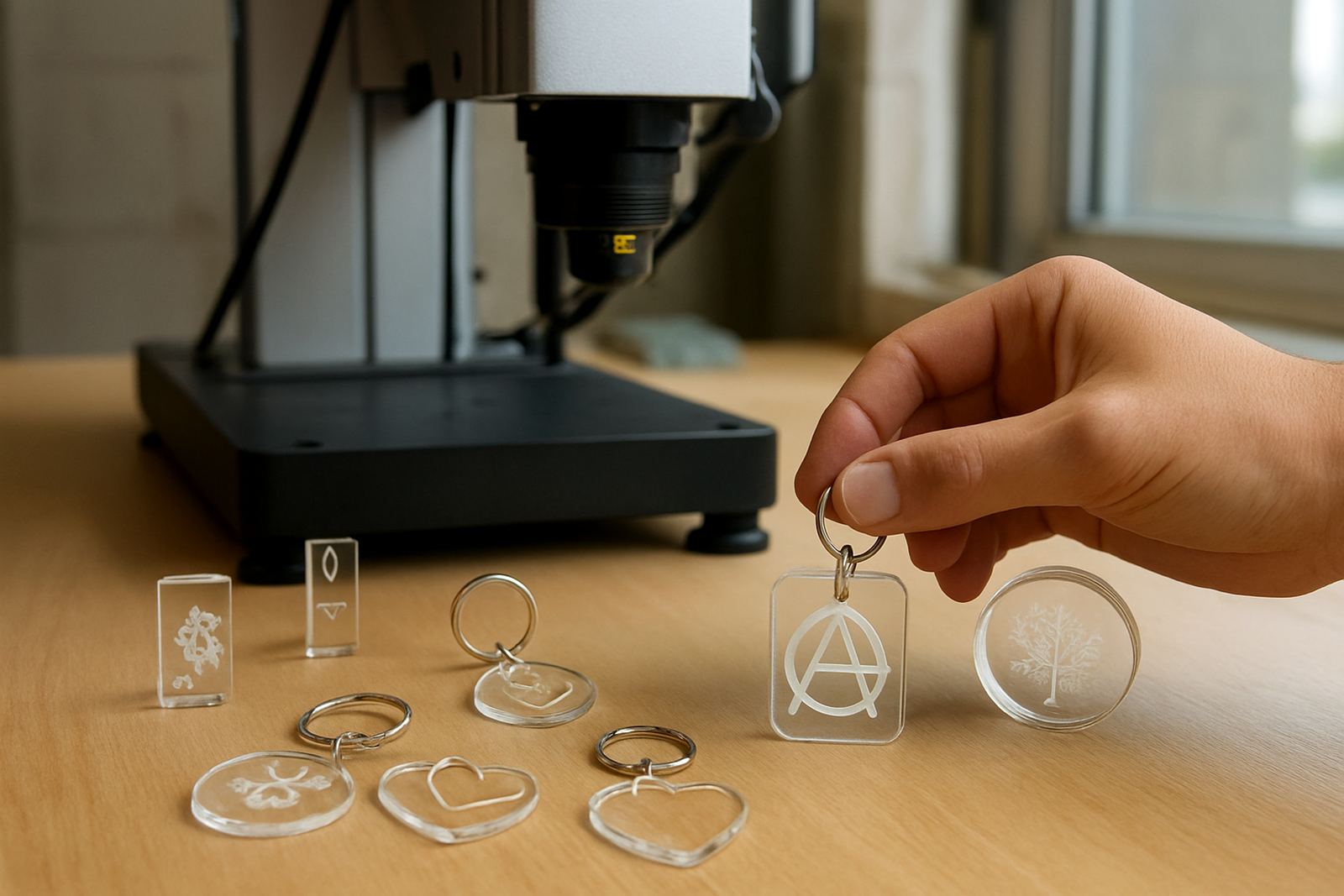
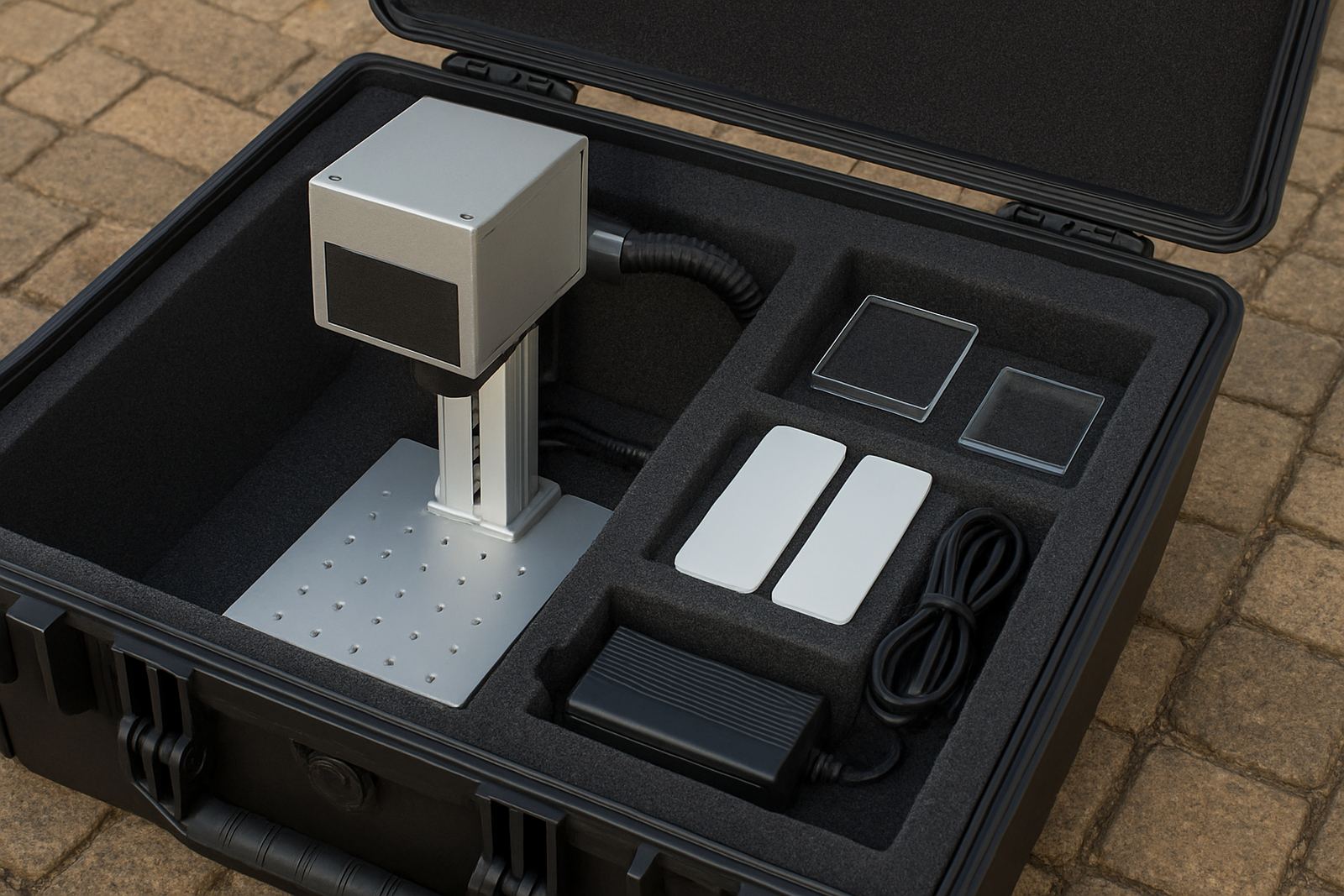
Compact UV markers are a good fit for workshops, product development, and low to medium volume production. They are often chosen when floor space is limited or when the work changes often, because setup is straightforward and changeovers can be quick.
These units are useful for sample testing, labelling trials and short production runs where the mark has to stay crisp. They also work well for businesses that need a reliable setup during load-shedding planning, since many operations want equipment that can be tied into backup power arrangements without making the process difficult.
- Small footprint for tight production areas
- Suitable for batch work and samples
- Easier to move between stations if needed
- Ideal for businesses starting with UV marking
Conveyor-Ready Systems for Higher Throughput
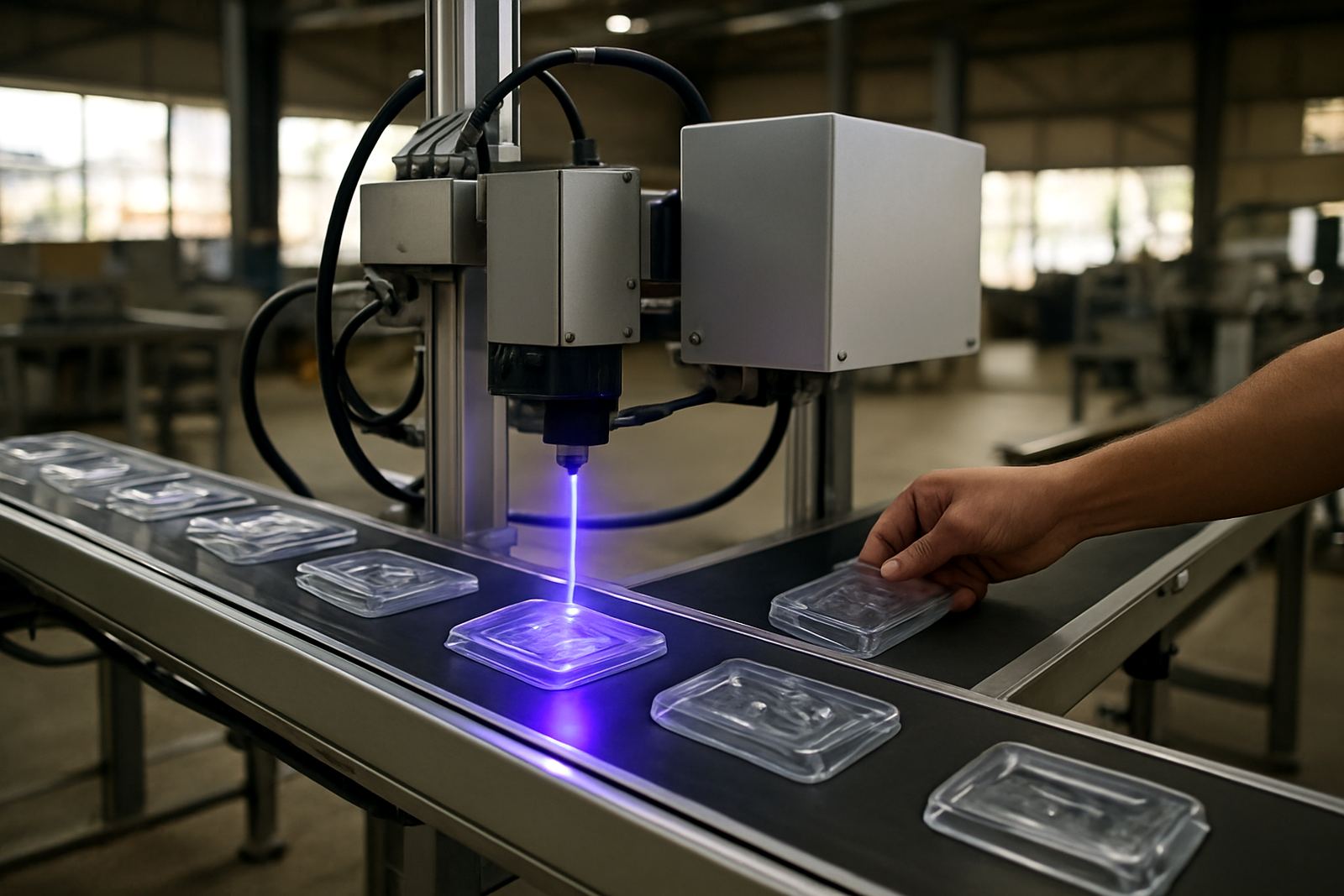
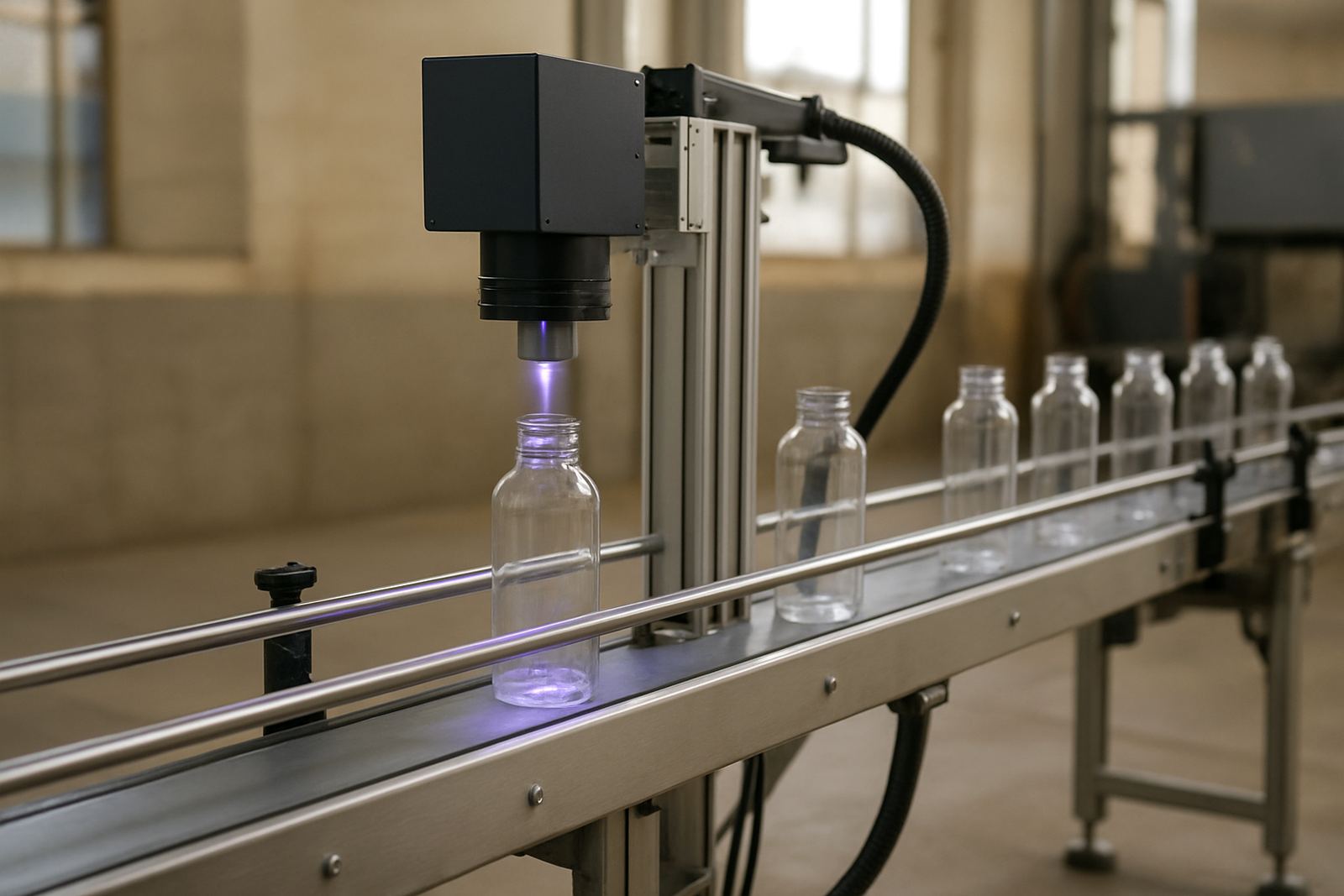
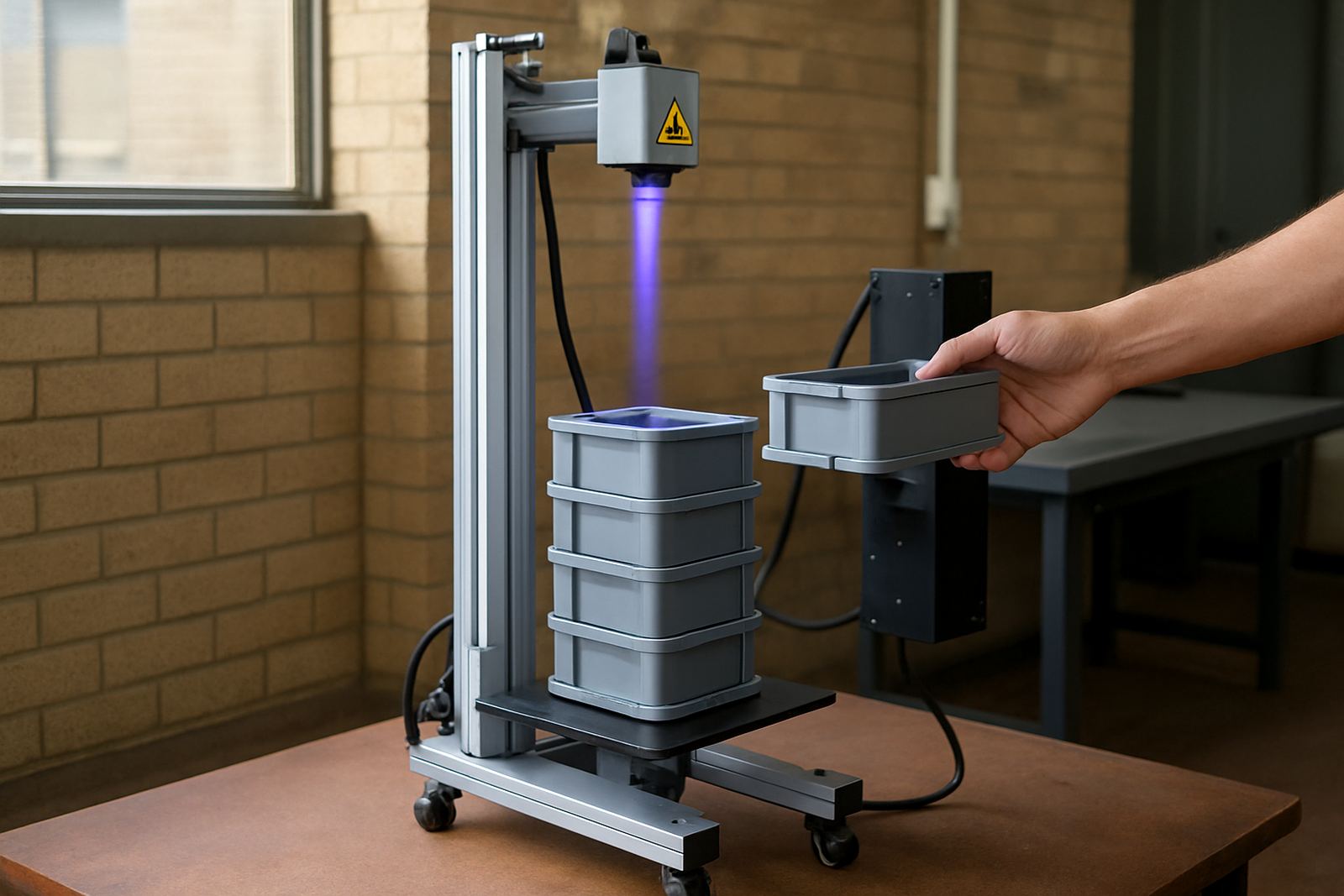
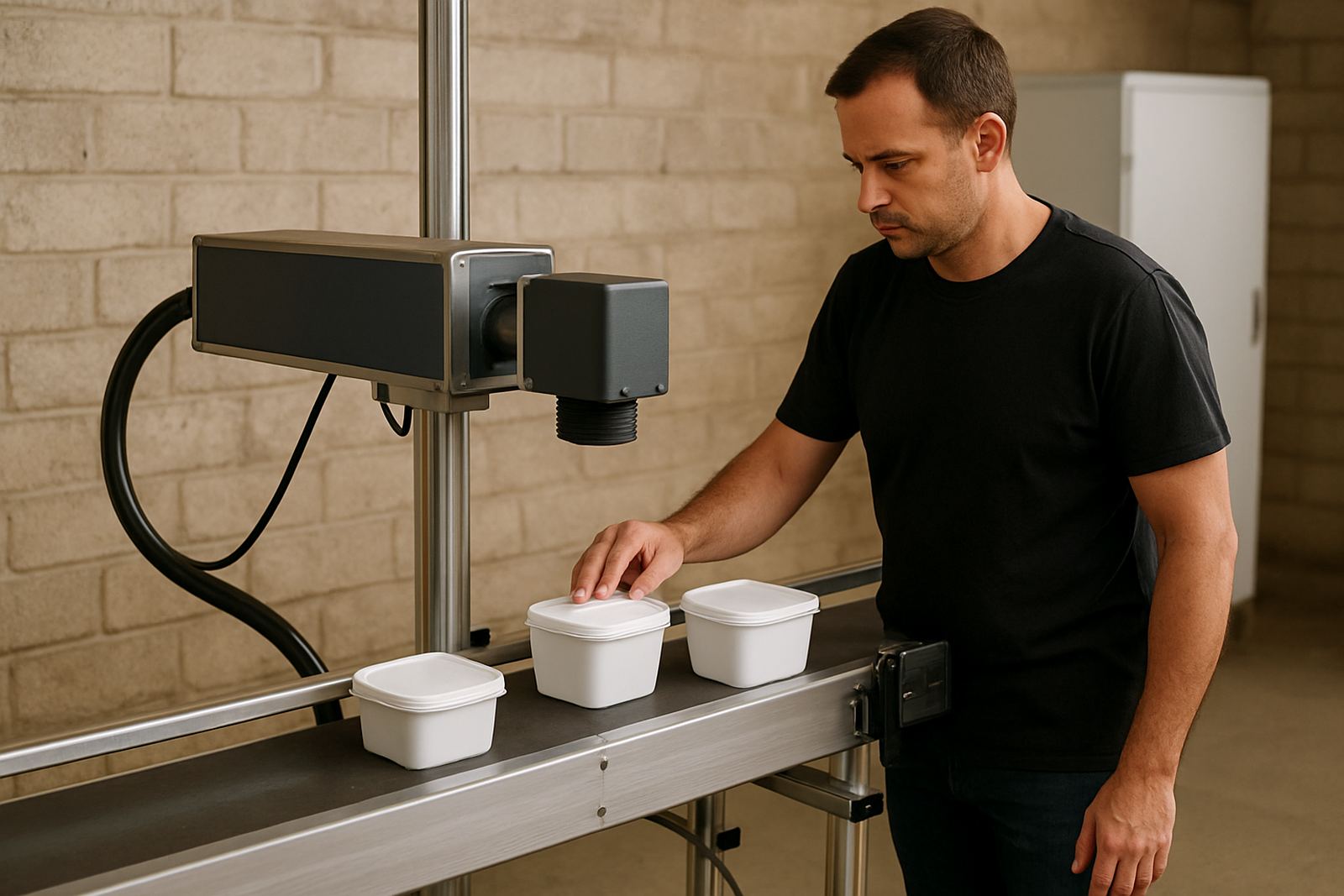
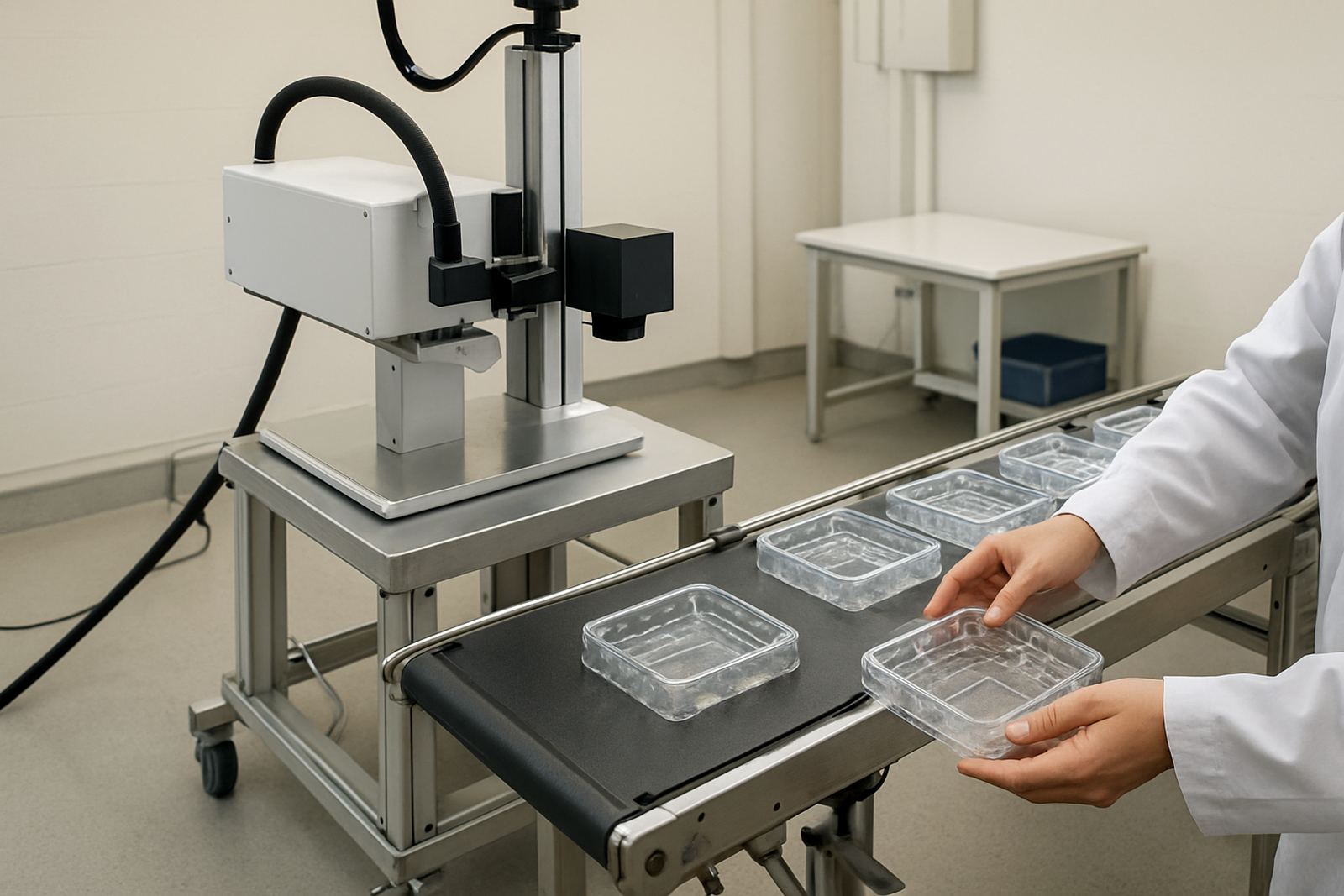
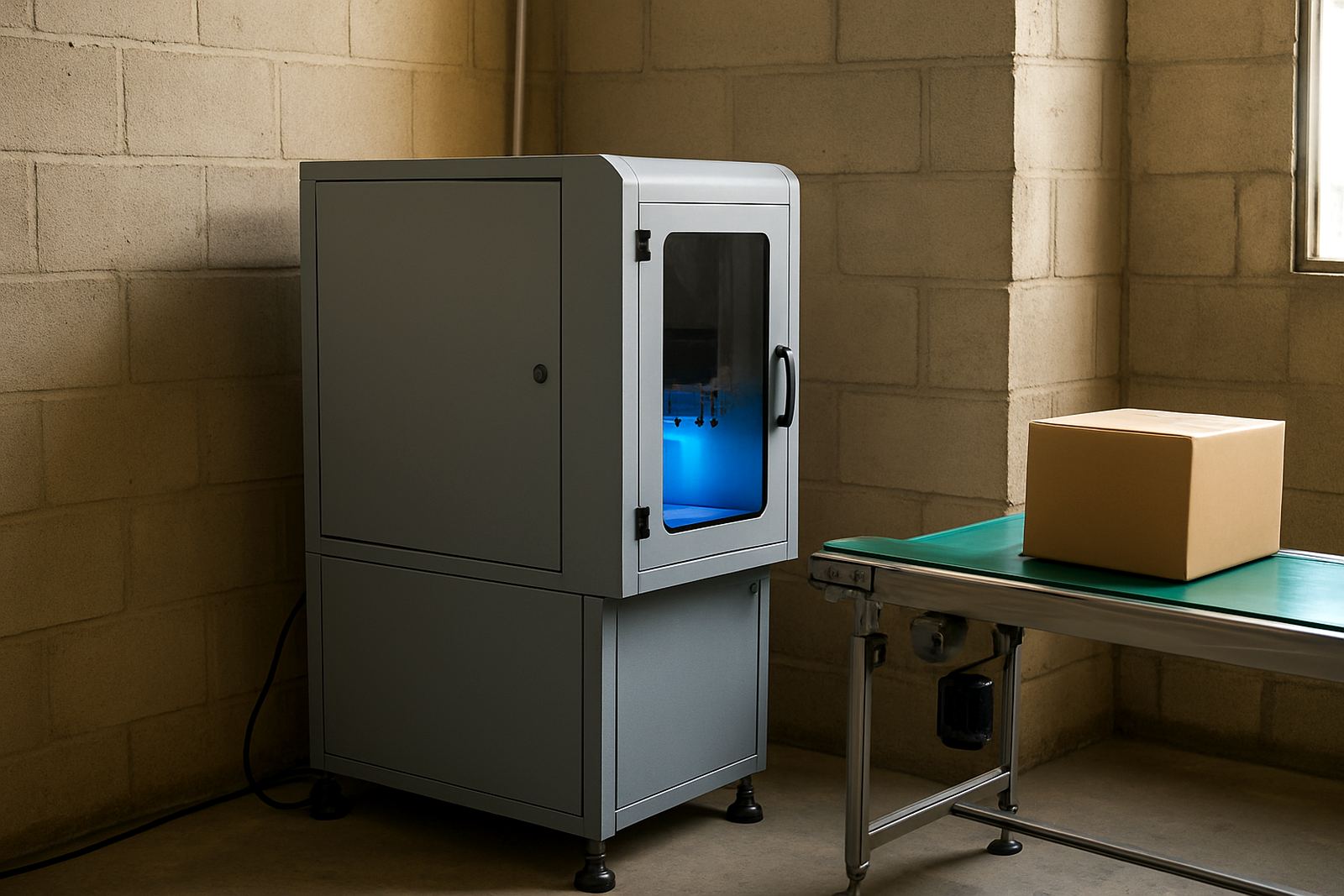
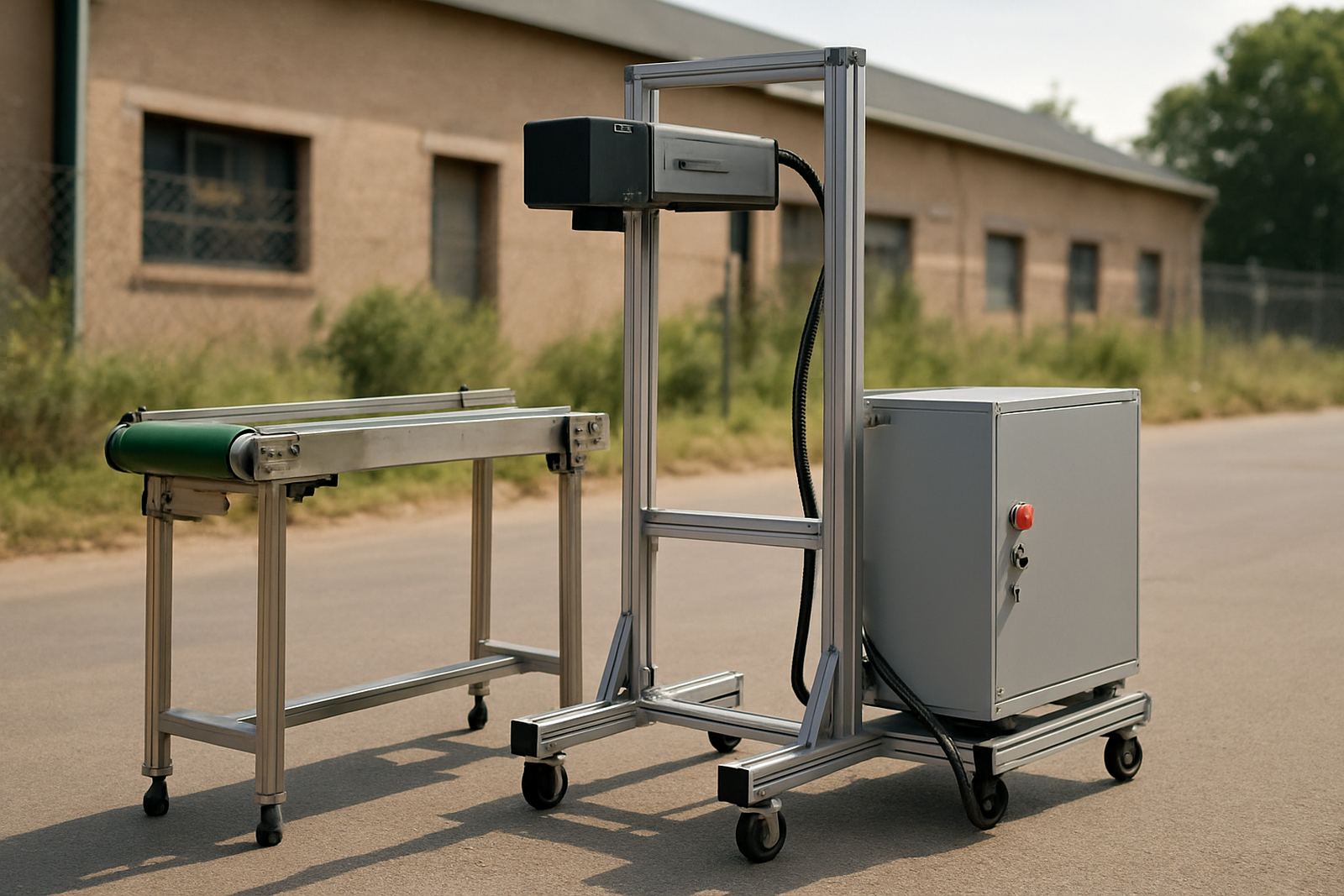
Where parts are moving continuously, a conveyor-ready UV marker is usually the better option. It can be set up to work with infeed and outfeed handling, guided fixtures and line controls so the mark lands in the same position every time.
These systems are often specified for packhouses, plastics producers and manufacturers that need repeatable marks across larger volumes. Our team can assist with line integration, fixture design and software setup so the unit works with the rest of the process, not against it.
- Consistent marking on moving products
- Better for medium to high volume output
- Can be matched to existing conveyors or custom handling
- Useful for coding, branding and technical marks
Hire Options for Trials and Overflow Work
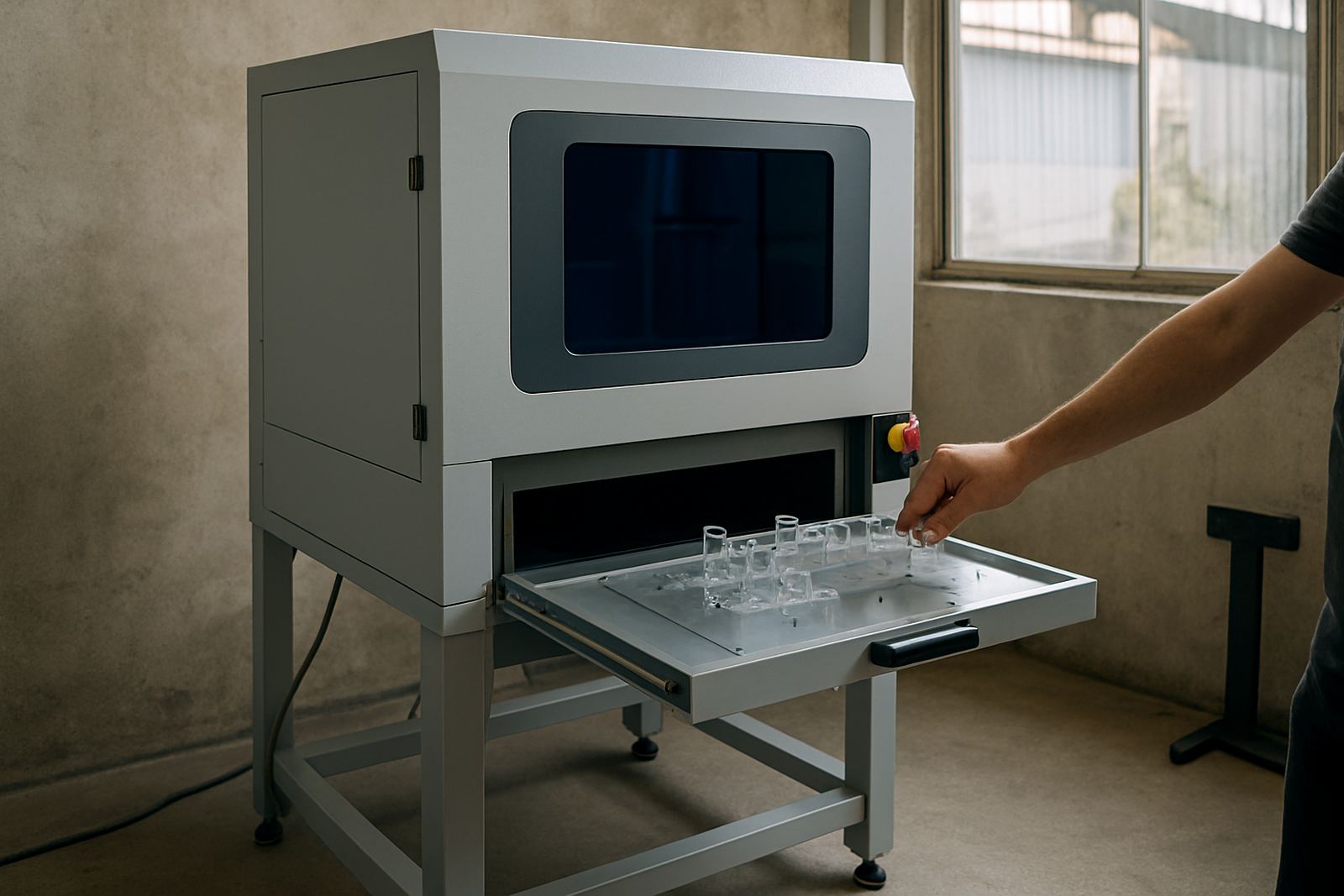
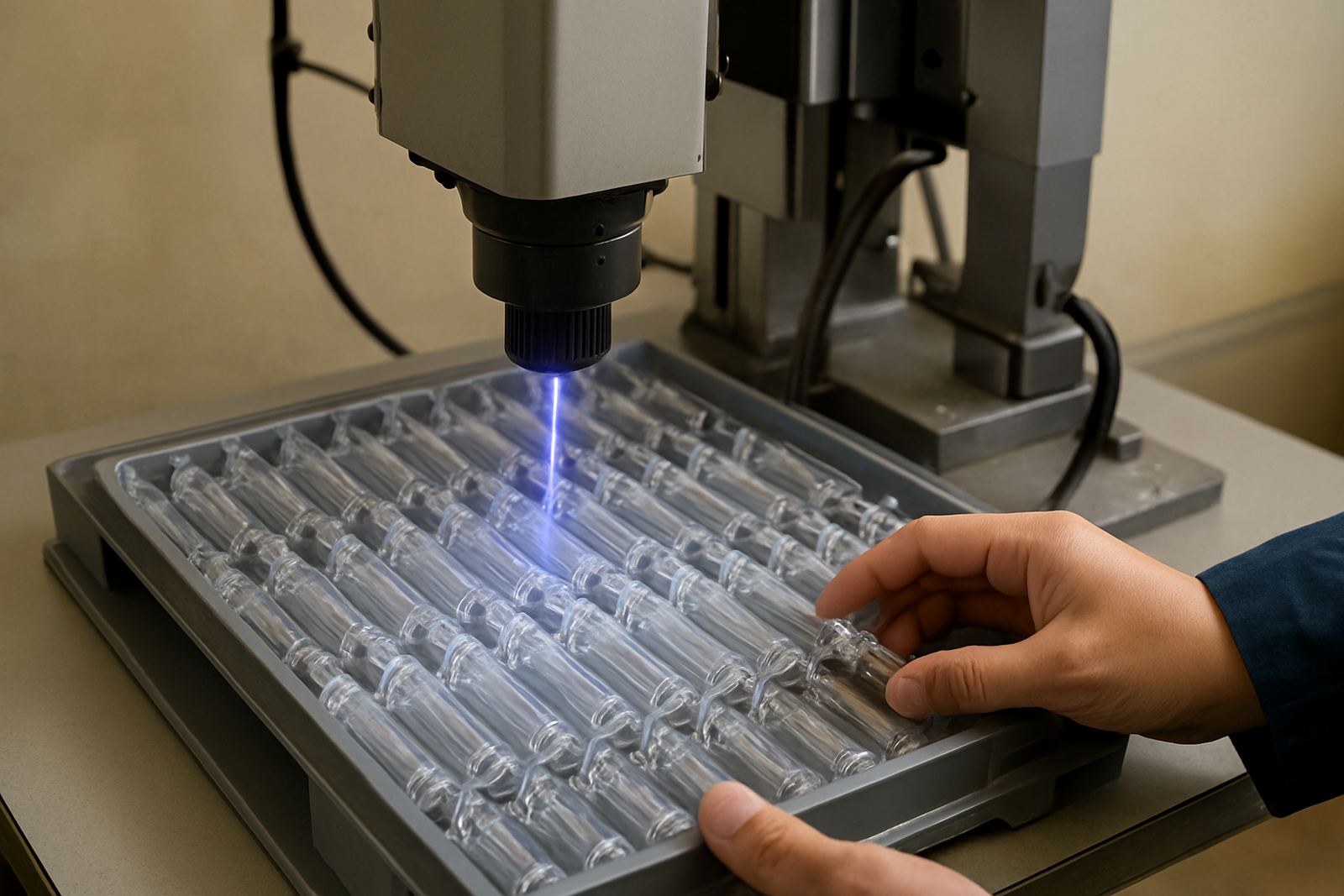
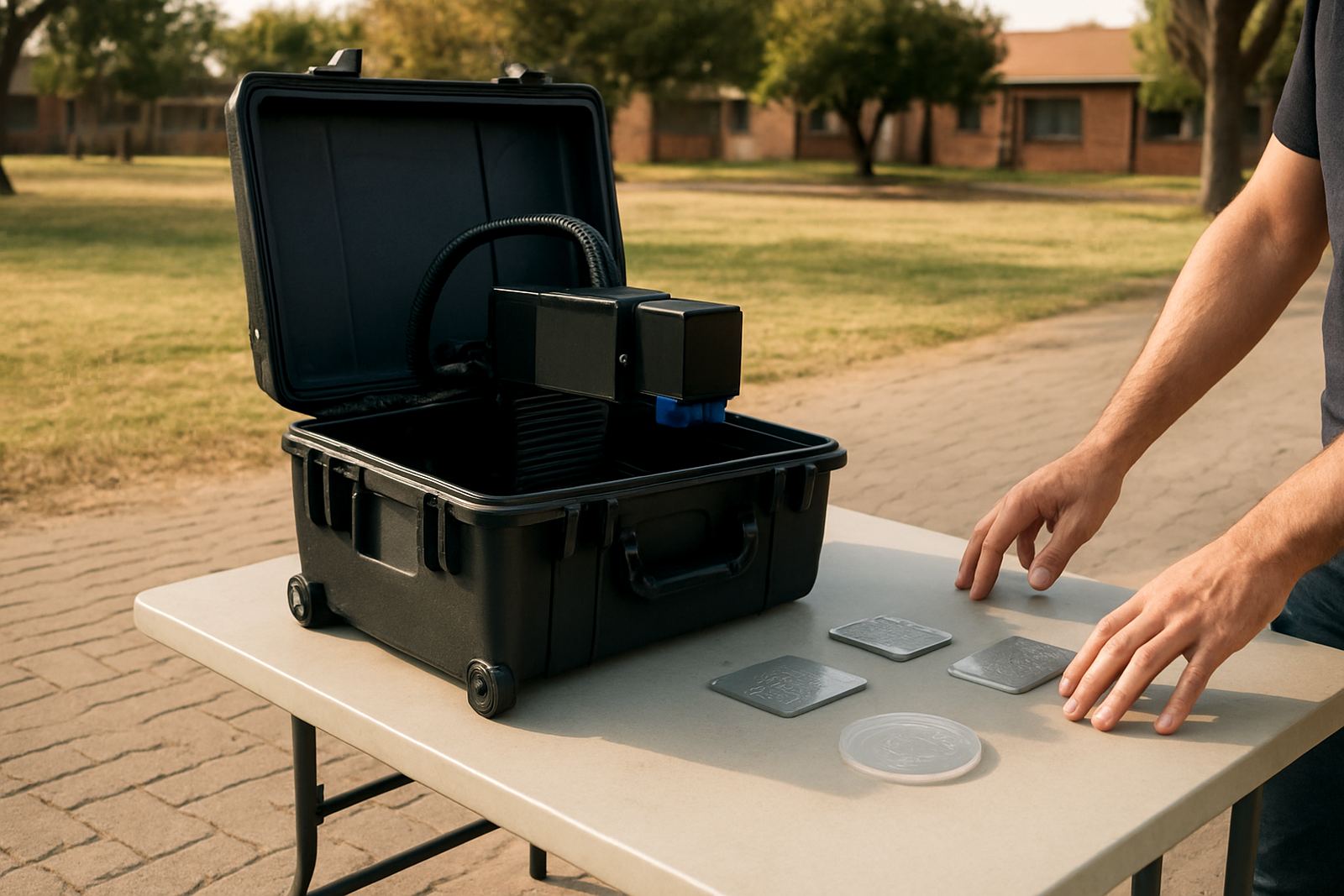
Hire options suit businesses that want to test a process before buying, or cover extra work during busy periods. This can be useful when a client wants to verify mark quality on glass or plastics before committing to a full install, or when seasonal demand pushes output higher than normal.
Trial work is especially helpful when the product has a tricky finish, a thin wall, or a sensitive surface. We can run sample testing at our Jet Park base or on site, then advise on the best approach for the material and the production pace.
- Good for proof-of-concept testing
- Useful for overflow or seasonal jobs
- Lets you compare mark quality before purchase
- Supports short-term production needs
Service Support Across Ekurhuleni and Beyond
UV Laser supports customers from Jet Park, Boksburg and the wider Ekurhuleni area, including Germiston, Kempton Park, Benoni, Alberton, Midrand and Pretoria. Demos, installs and training are available nationwide, so whether your site is in Gauteng or further afield, the setup can be handled properly.
We also help with preventive maintenance, breakdown repairs, spares supply and process optimisation. That matters in South Africa where production schedules can be affected by power interruptions, municipal compliance requirements, and the pressure to keep equipment running with as little downtime as possible.
- Site demos and sample testing
- Machine installation and operator training
- Preventive maintenance and repairs
- Nationwide support from a Jet Park base
How to Compare the Range Before You Decide
When comparing the range, look first at the part itself. Check the material, the mark area, the required speed and whether the product is flat, round or already moving on a line. Then consider if you need a simple standalone machine or a system that links into your current production flow.
It is also worth thinking about future growth. A unit that suits todays volumes may become too small once orders pick up. Riaan Pretorius and the team can help you weigh up the options so you choose a system that fits now and still has room to grow, without overspending on features you do not need.
- Material type: glass or plastic
- Part shape and mark position
- Daily volume and line speed
- Space, power and support needs