

How to read these project examples
Each project gives a practical snapshot of what was marked, how the material behaved and what had to be done on site to get consistent results. Some jobs call for fine logos on clear glass, while others need crisp batch codes on plastic components that move quickly through production. The useful lesson is simple: the best marking setup depends on the product, the handling method and the level of permanence required.
When you compare projects, look at the type of material, the size of the mark, the repeat rate and whether the item is flat, curved or already packed. That helps you choose between a quick sample test, a full site demo or a proper line integration with fixtures and software setup.
Glass marking projects for branding and traceability
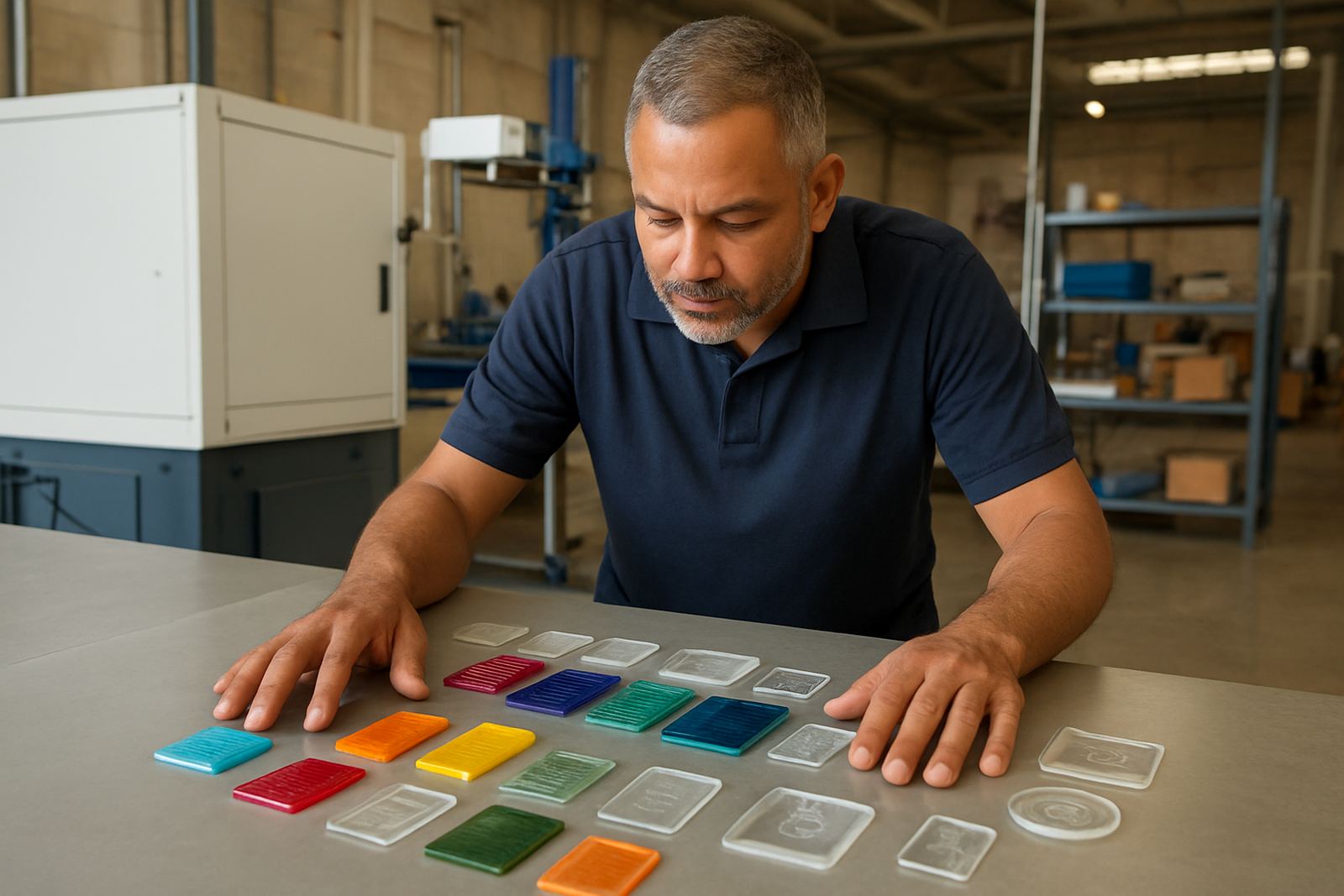
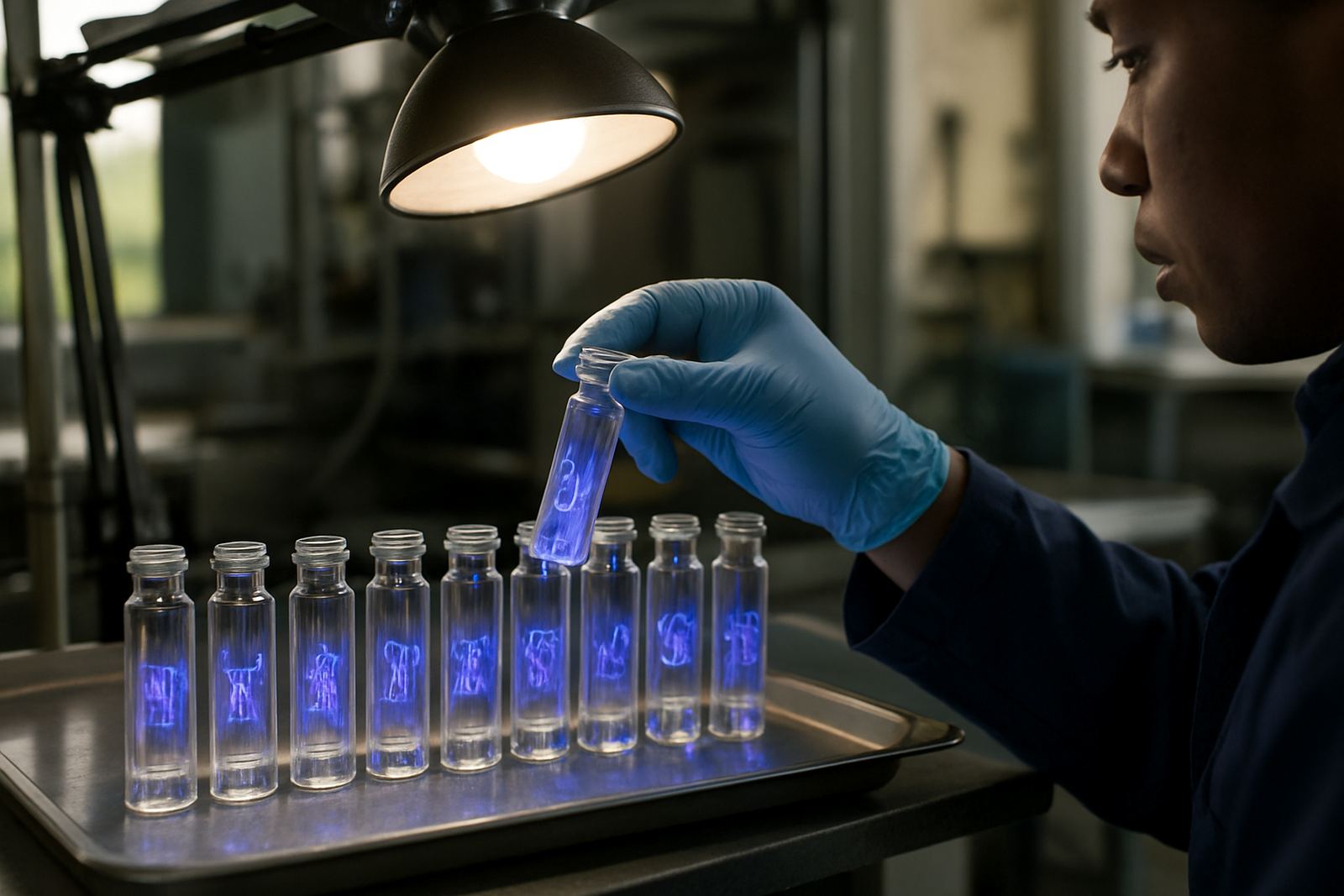
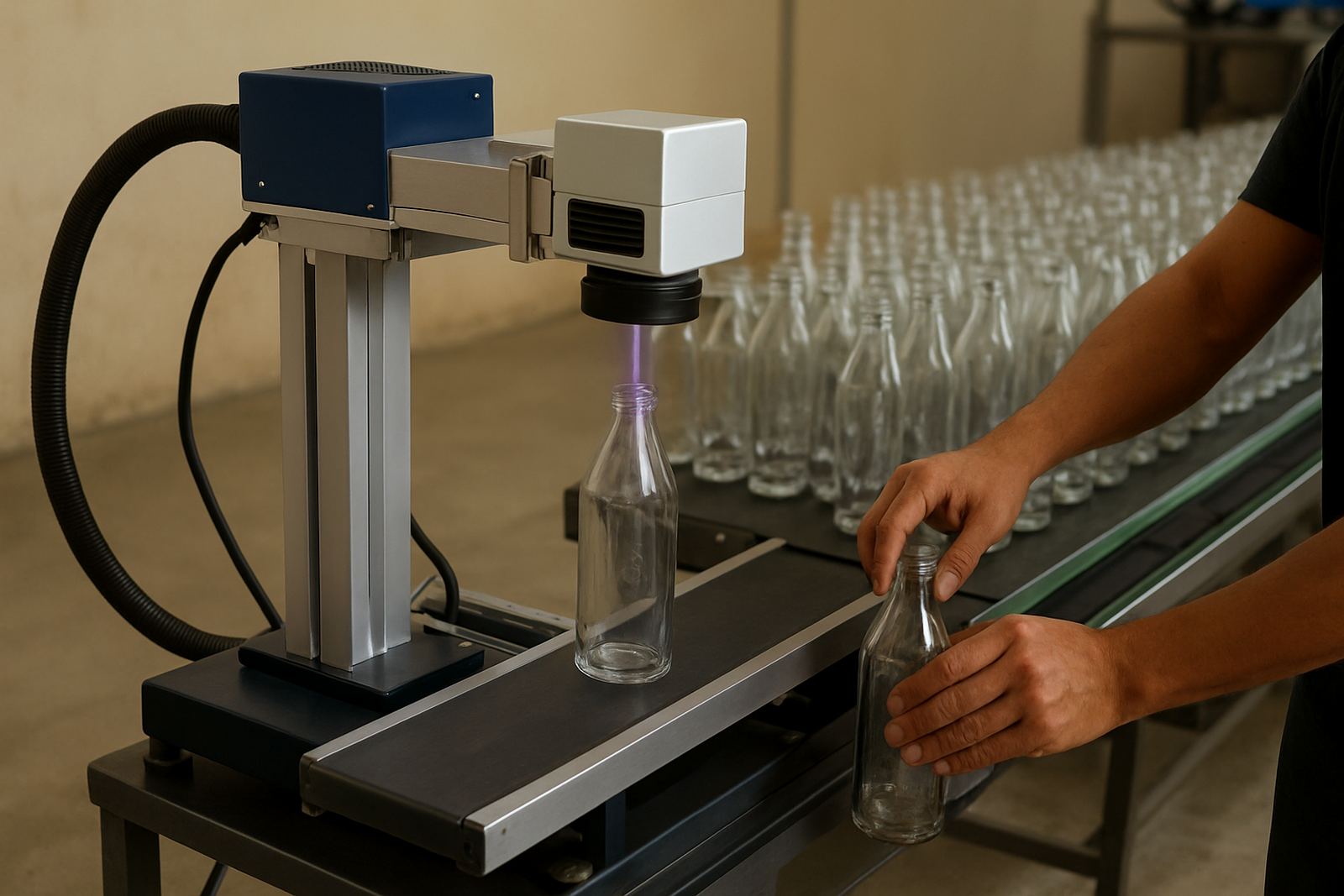
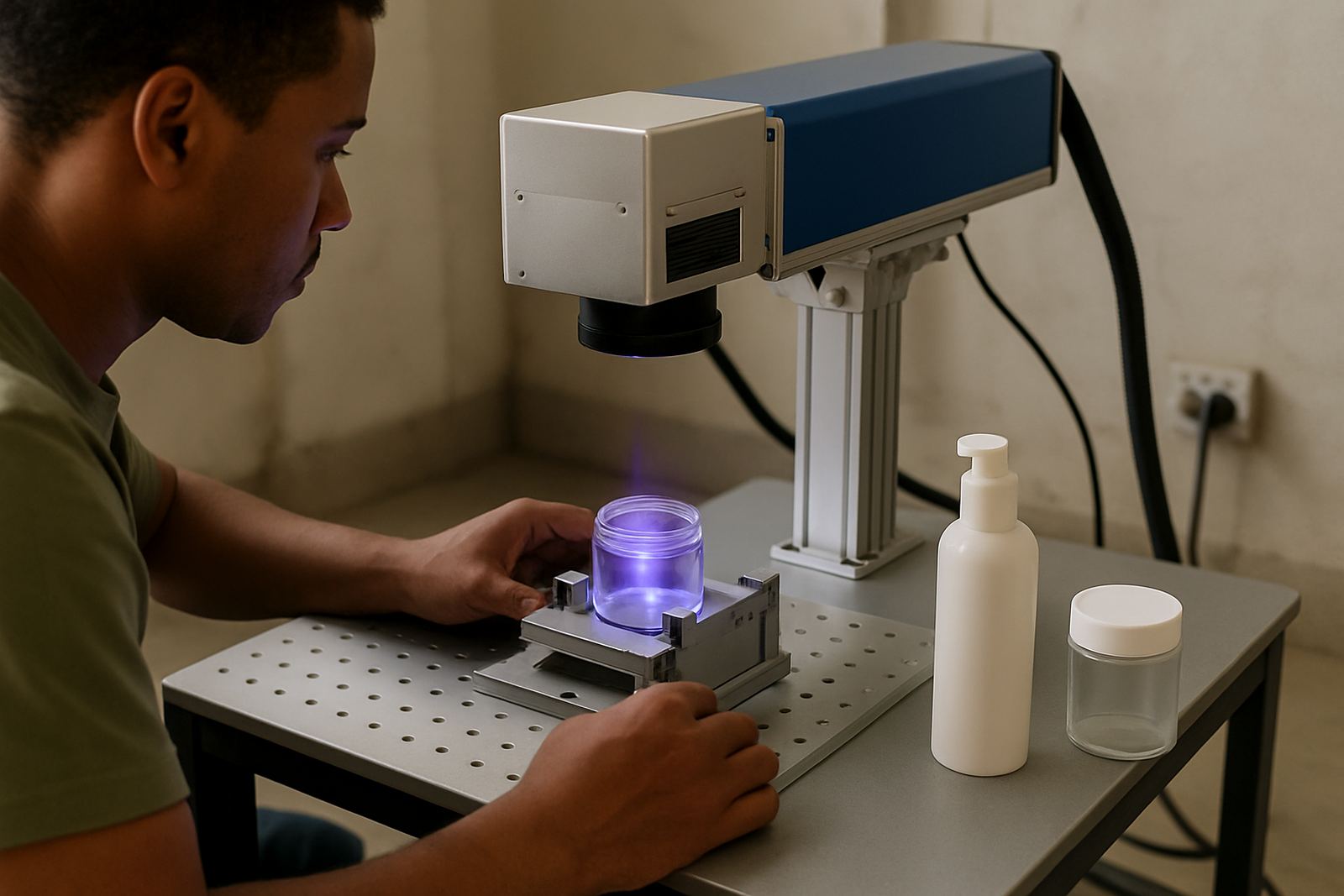
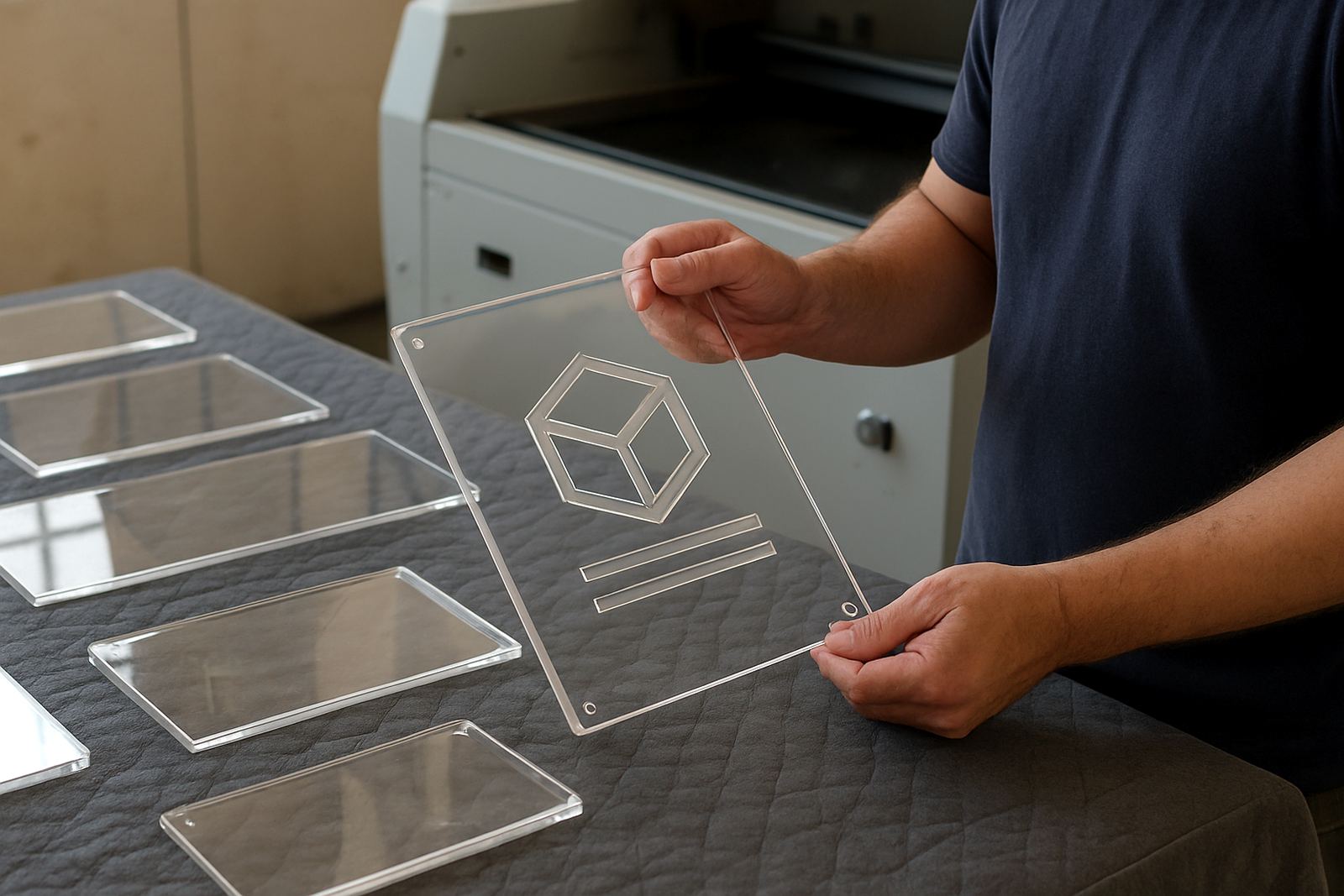
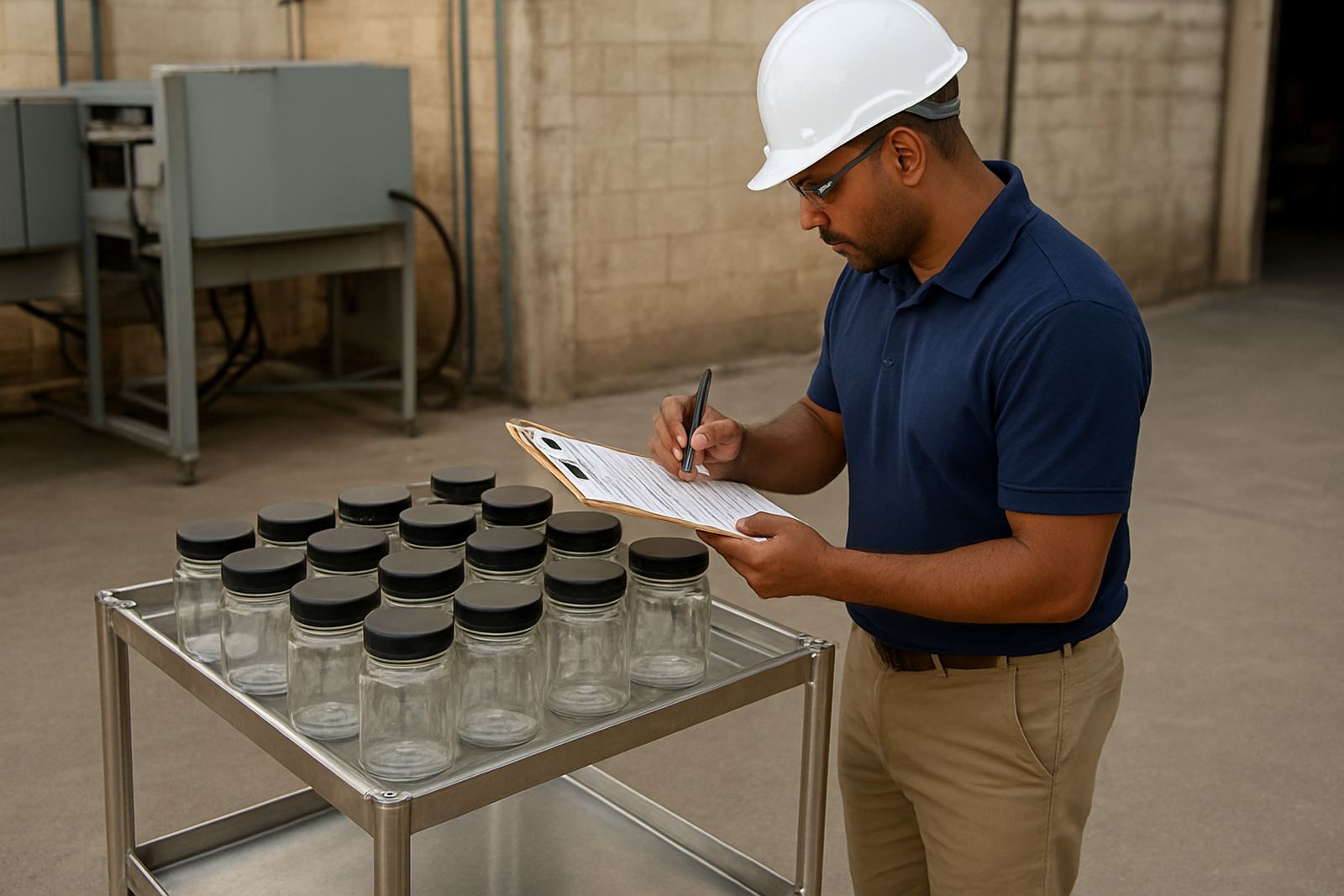
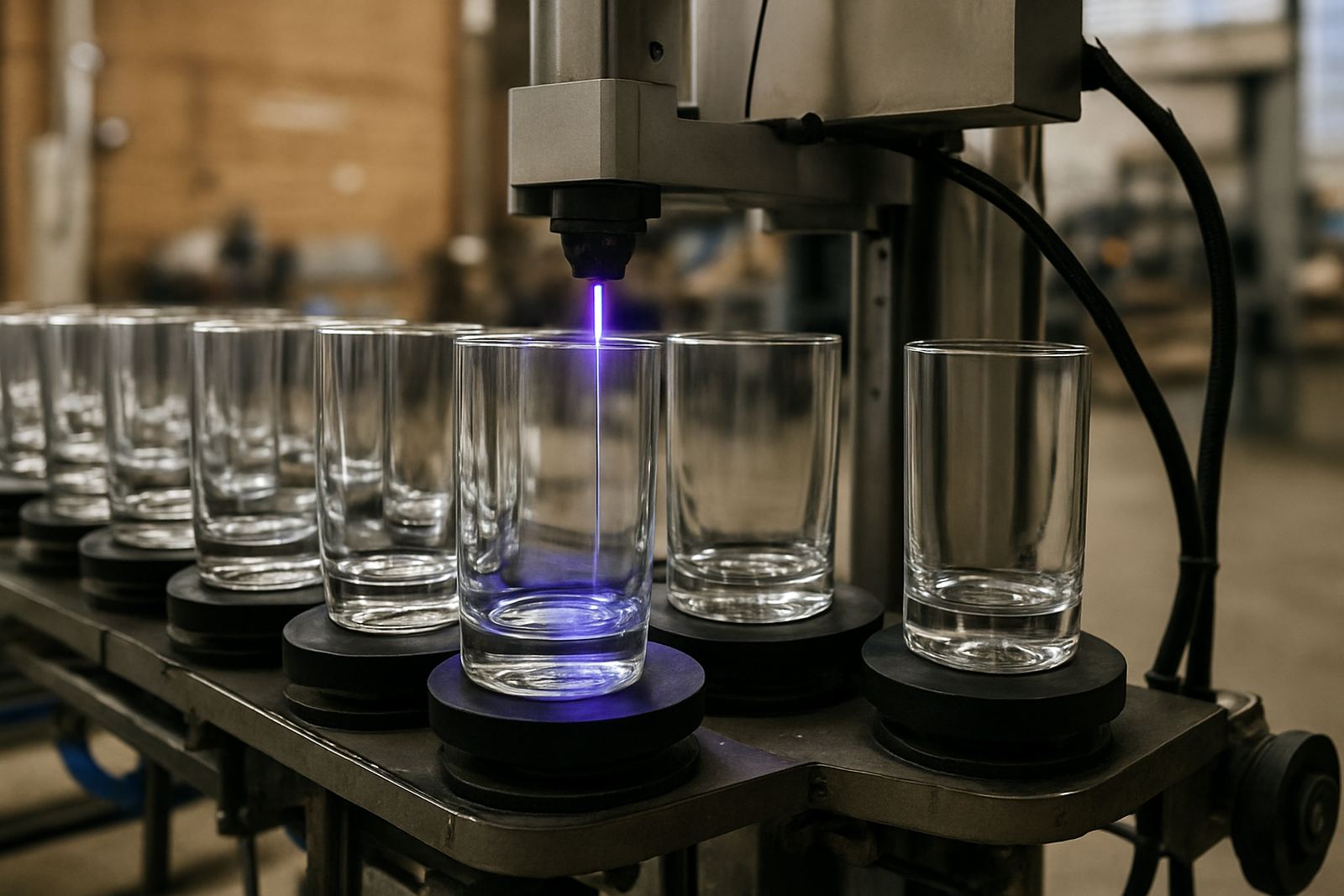
Several recent glass jobs have involved branding on bottles, jars, panels and decorative items where the mark must stay sharp after washing, filling or handling. On glass, the key is control. The beam settings, focus and part holding must stay stable, otherwise you get inconsistent contrast or faint detail. In some cases the customer needed a clean logo, in others a code that could still be read after multiple handling steps.
- Clear and frosted glass products for brand identification
- Batch codes and traceability marks for packed or loose items
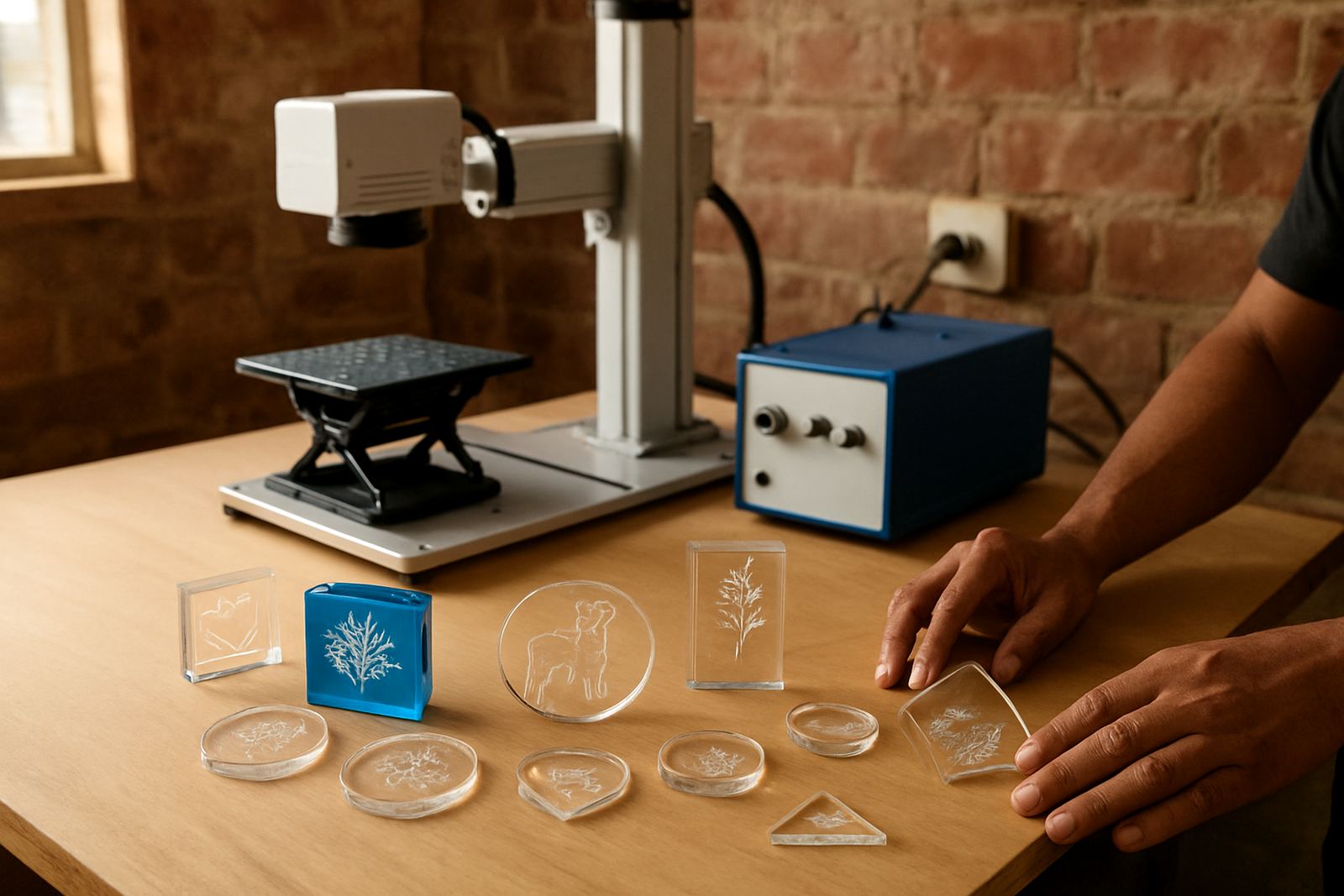
- Decorative detail where the finish must remain neat under light
- Short-run sampling before full production approval
Plastic component projects with variable shapes
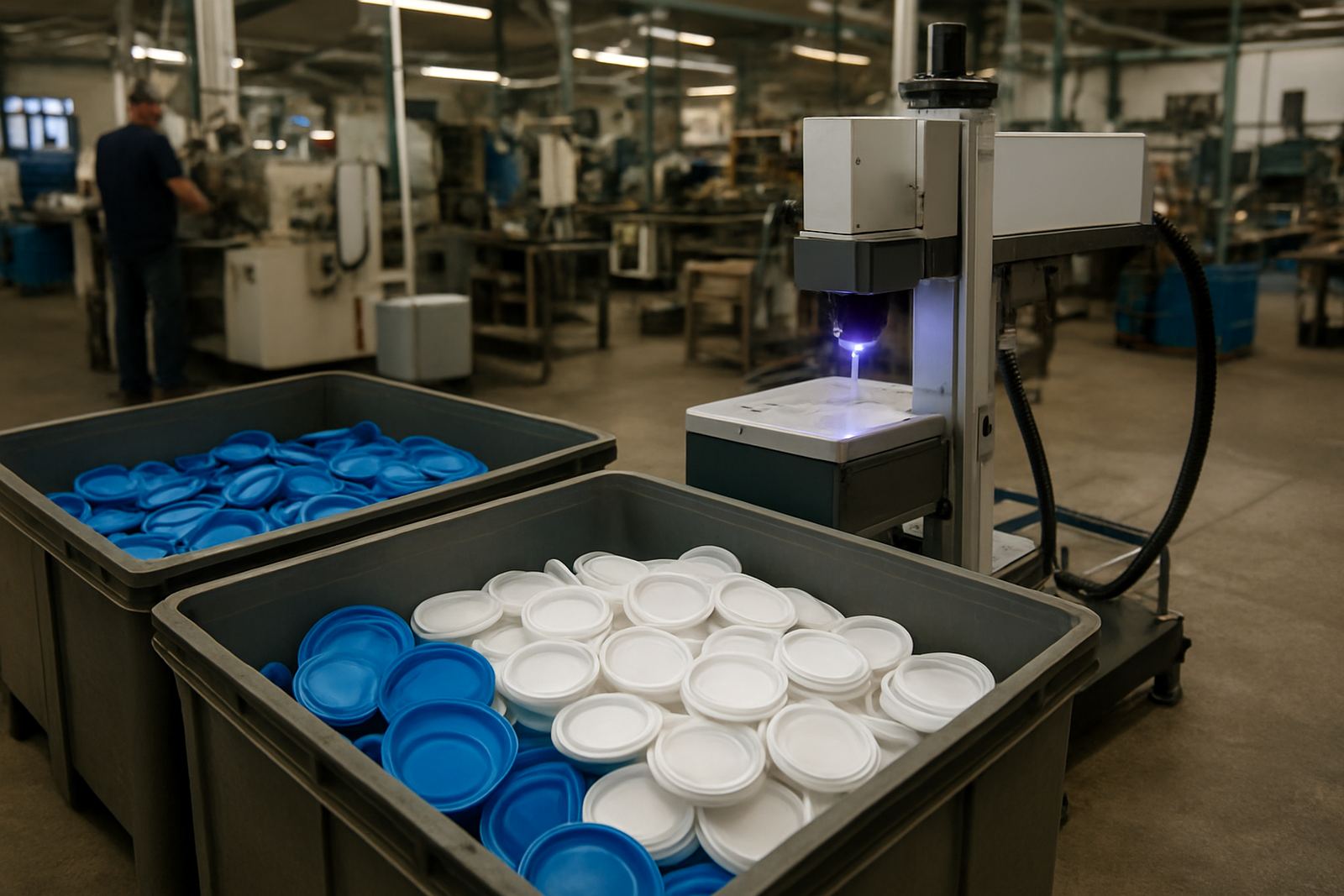
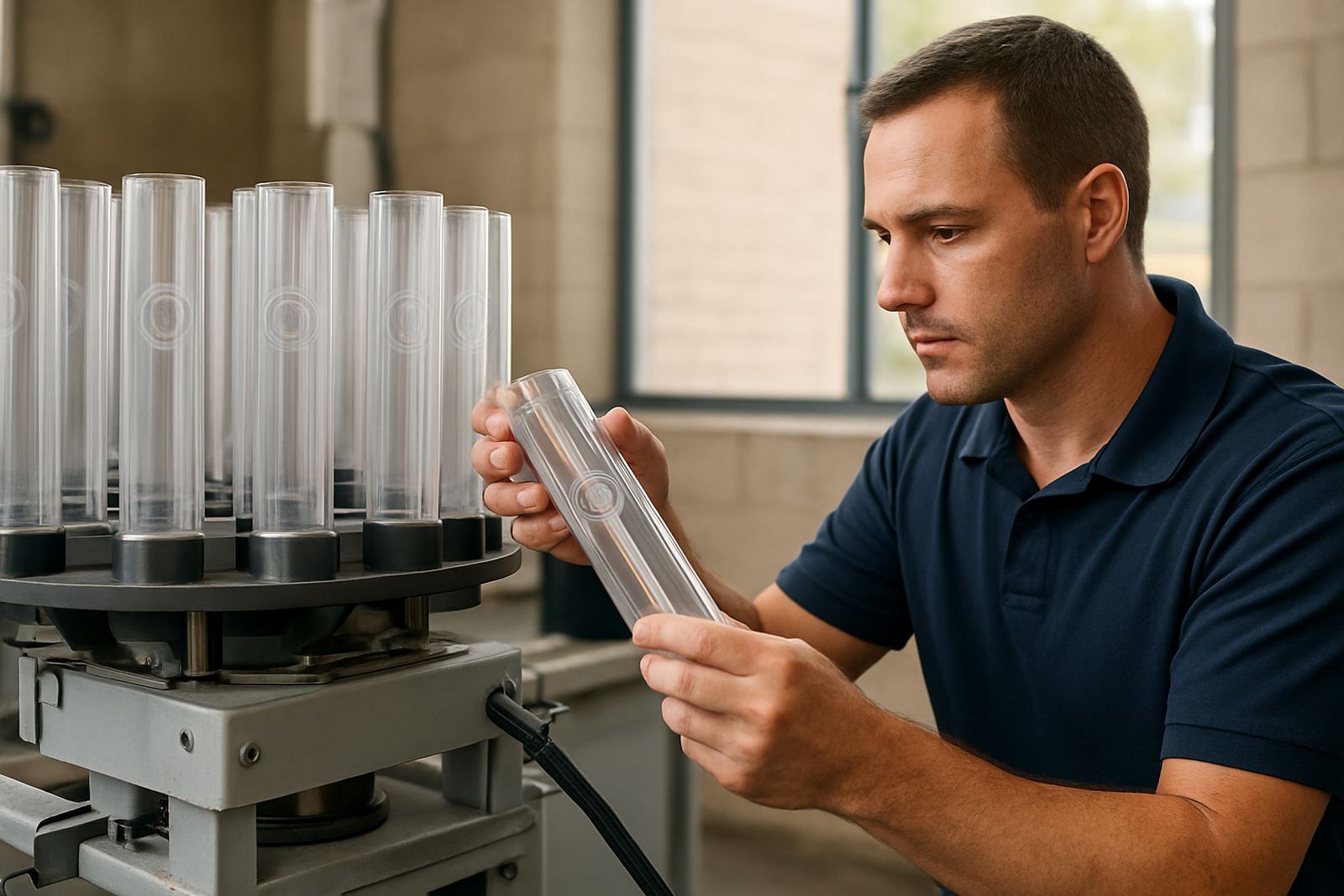
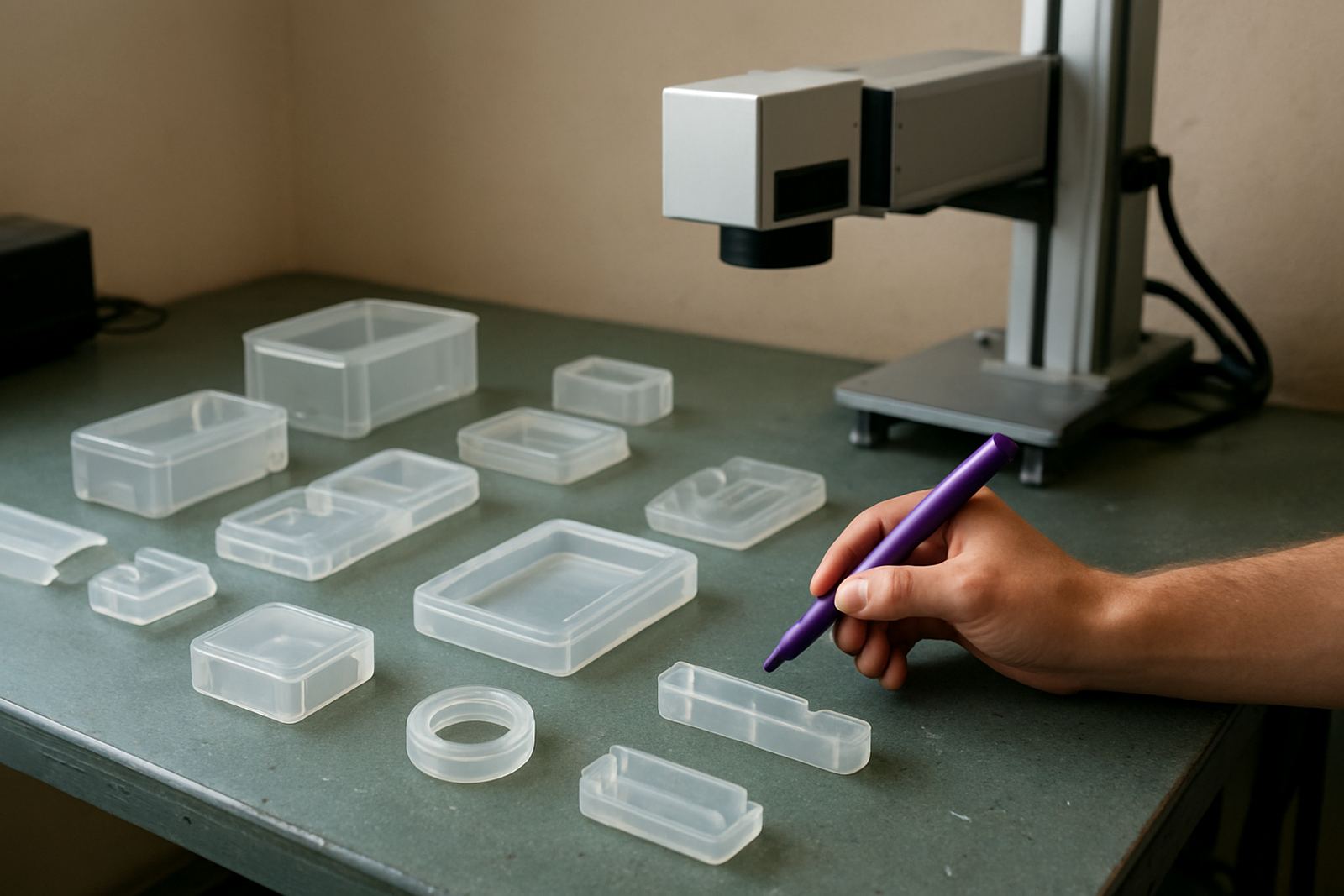
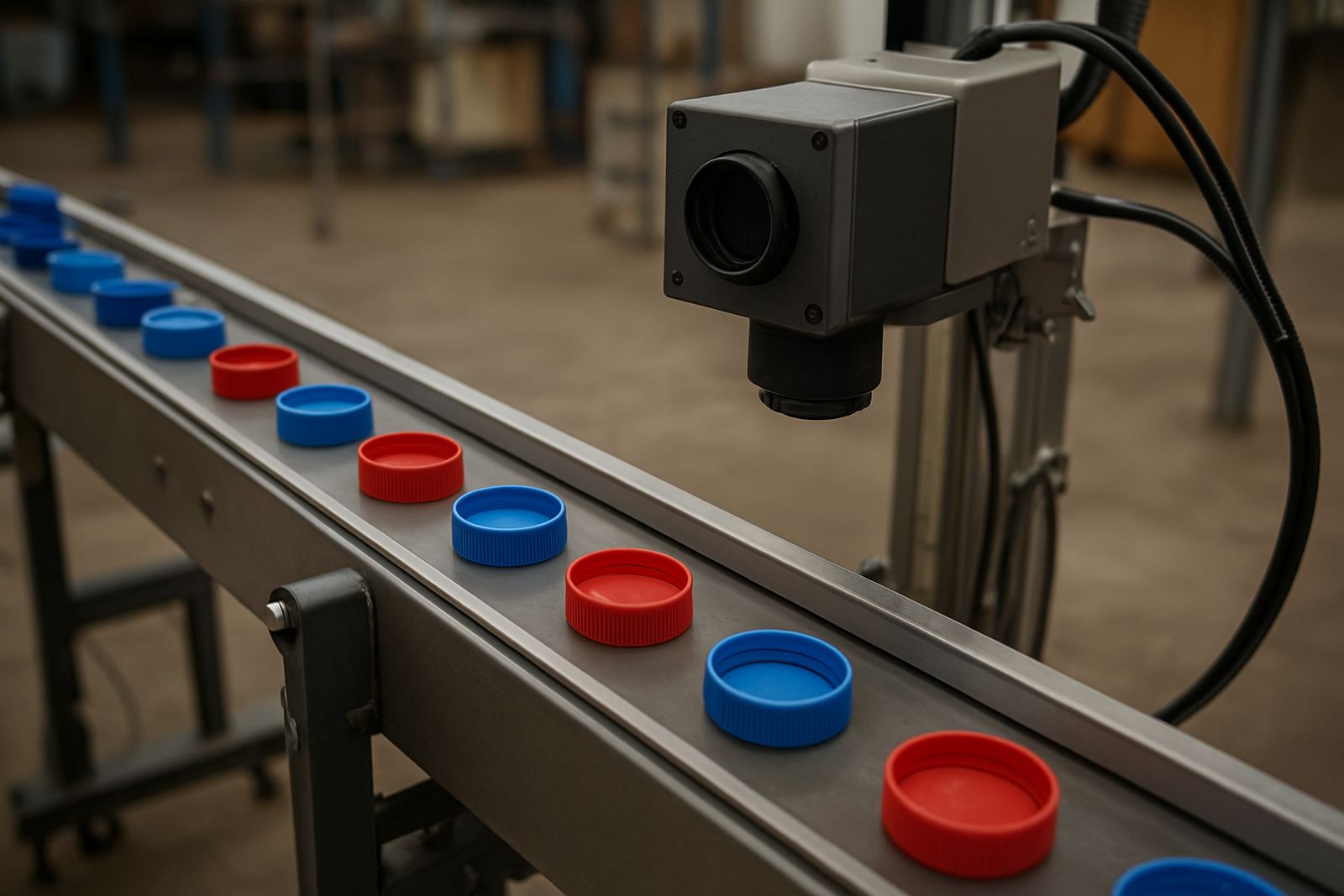
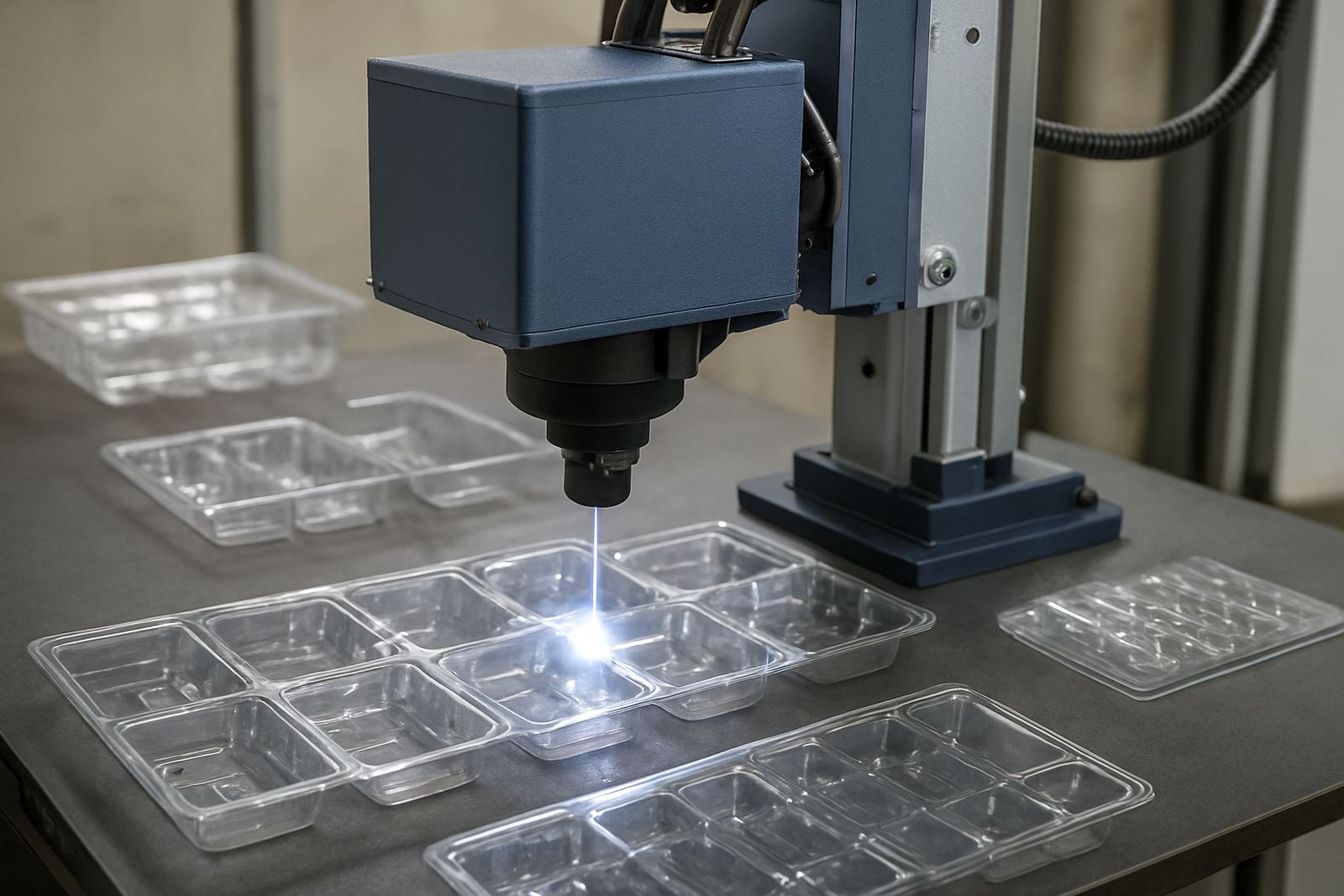
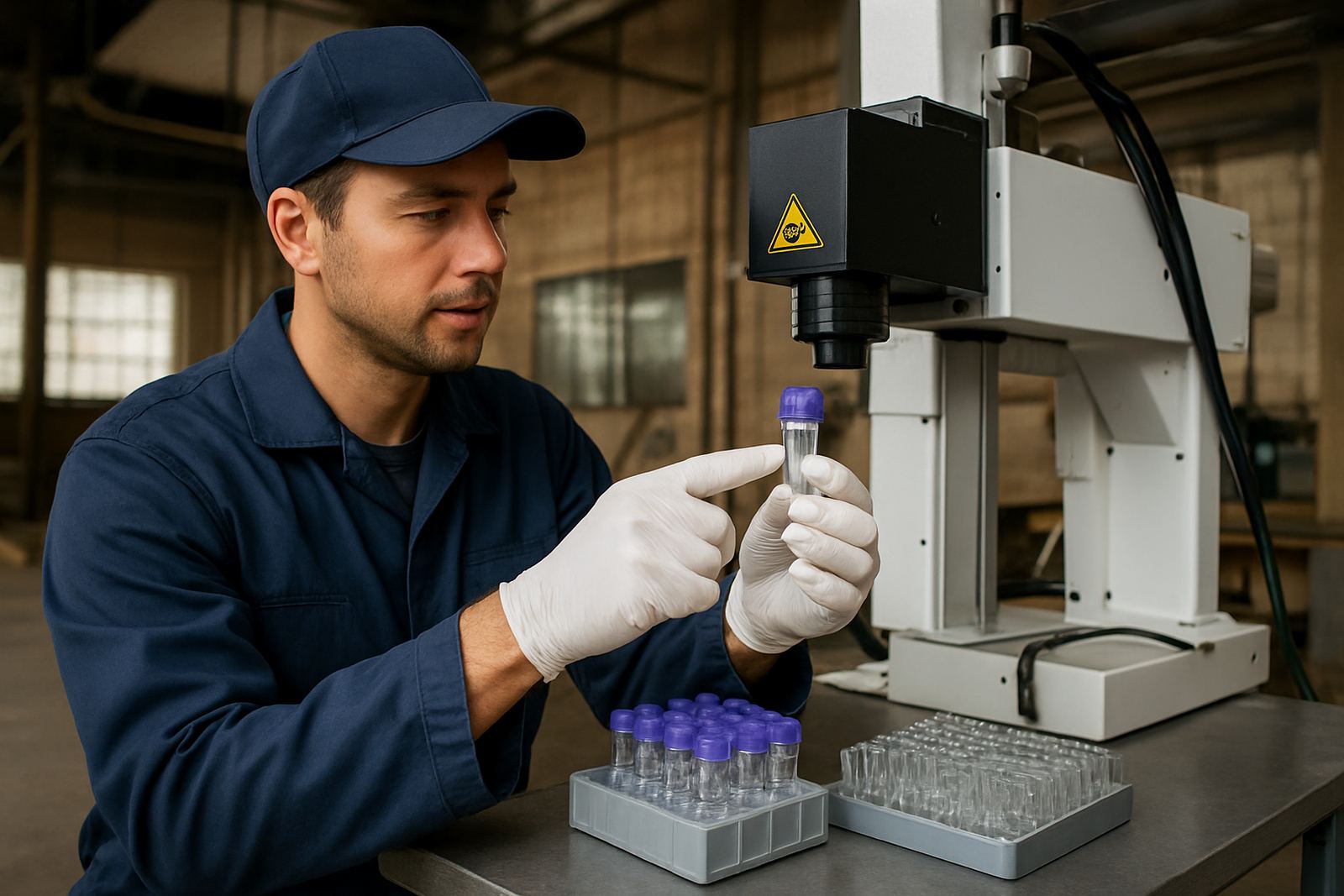
Plastic parts create different challenges from glass because surface colour, texture and curvature can change the mark appearance. Recent projects have included caps, housings, trays and moulded parts where the customer needed a permanent mark without damaging the component or slowing the line. In these cases sample testing is often the first step, because a small change in focus or dwell time can make a big difference.
We often see clients in Gauteng needing marks that hold up in storage, transport and daily use, especially where sunlight heat or handling wear can affect printed labels. A laser mark removes that risk and gives a cleaner finish for items that move through warehouse and retail channels.
Line integration, fixtures and operator training
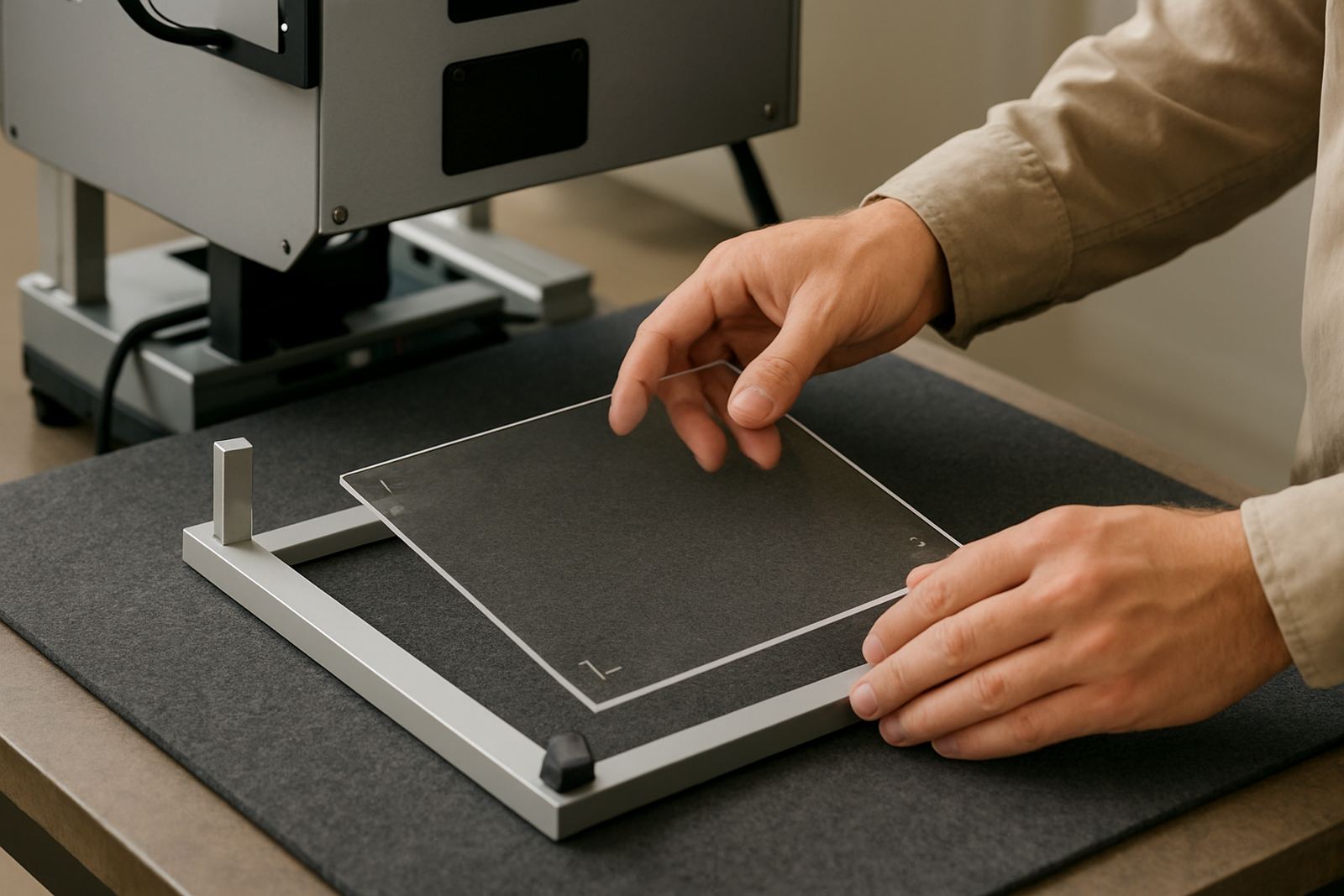
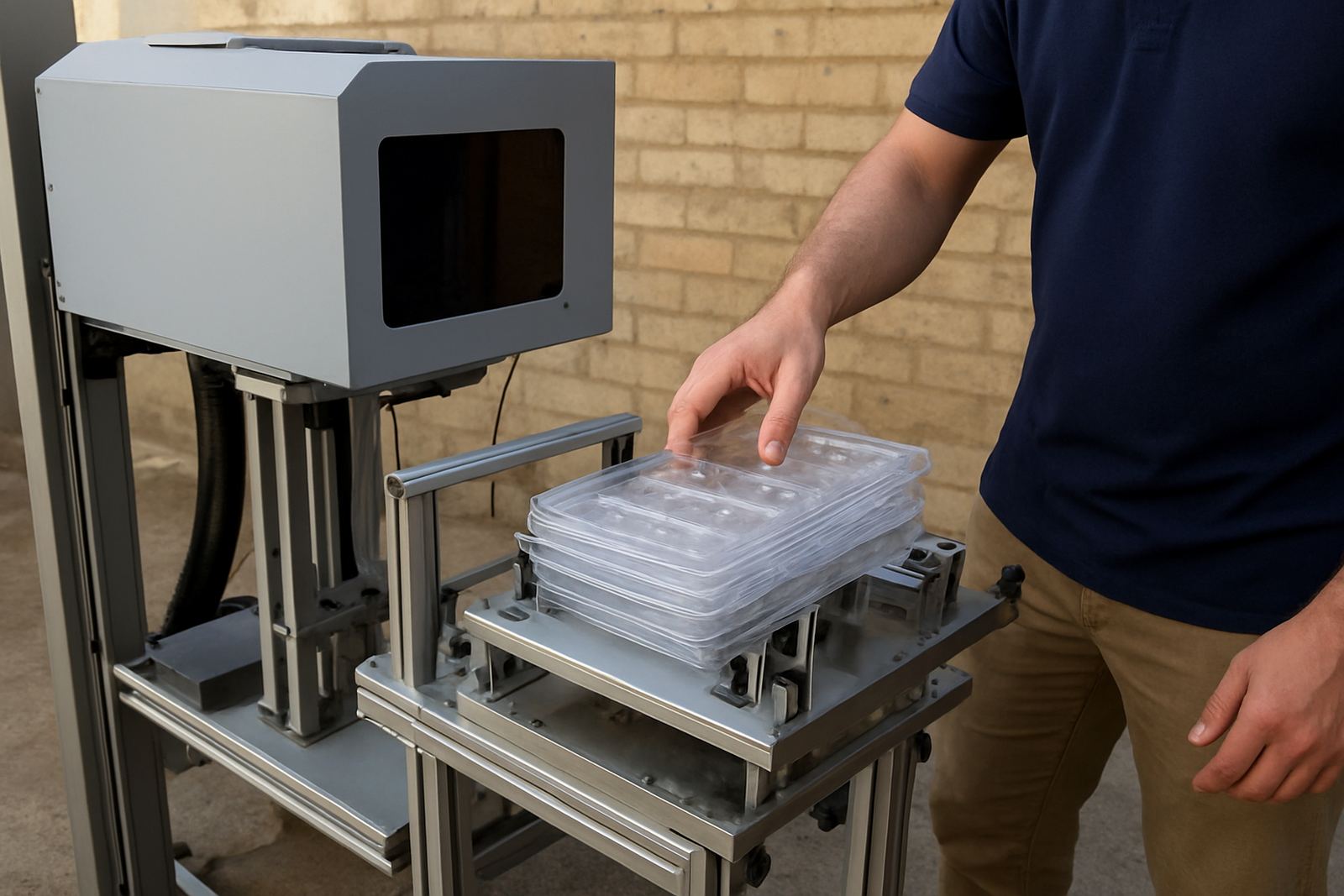
Some projects are simple bench setups, while others need full integration into a moving line. That can mean a custom fixture, a sensor signal, safety screening and a workflow that allows the operator to keep pace with production. Where items are small or irregular, the fixture becomes part of the result because it keeps every part in the same position.
- Fixture design for repeatable part location
- Software setup to match code format, logo size and serial sequence
- Operator training for day to day use and basic checks
- Process optimisation to reduce rework and wasted material
In factories that deal with load-shedding or limited shift time, the priority is reliable recovery after power interruptions and a setup that stays consistent once production restarts. That saves time and keeps the line moving.
Service work after installation
Recent projects also show the value of follow-up service. Once a system is installed, the real test starts on the production floor where dust, vibration and daily use can affect output. Preventive maintenance helps keep the optics clean and the marking consistent, while breakdown repairs and spares supply reduce downtime when something does need attention.
For clients along the East Rand and beyond, we have supported systems in Jet Park, Boksburg, Germiston, Kempton Park, Benoni, Alberton, Midrand and Pretoria, with nationwide support for sites further afield. Coastal humidity, line dust and changing product runs all affect how a marking system performs, so each visit needs to be practical and specific to the site.
What a good project outcome looks like
A successful project is not only about the mark itself. It should run at the required speed, stay readable over time and fit the way the client already handles products. The best results usually come from a proper sample stage, followed by installation, training and a short period of fine tuning on the live line. That way the final setup matches the real job, not just the drawing.
If you are comparing options for glass or plastics, use these project examples to judge whether your own application needs branding, traceability or decorative detail. A short test can save a lot of trouble later and give a clearer answer before production starts in earnest.