What a Jar Lid Marker Does on Plastic Closures
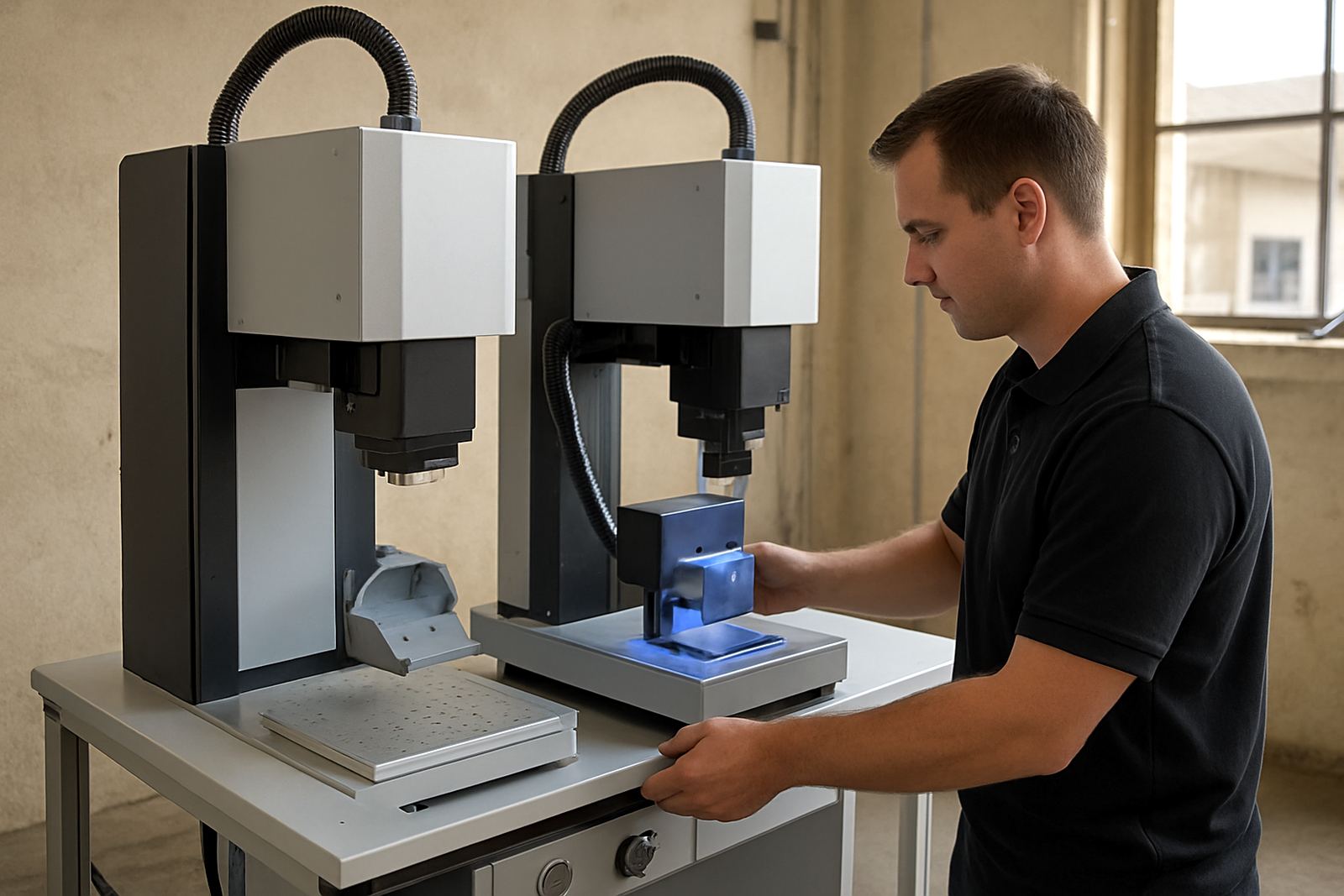
A jar lid marker is set up to place fine marks on plastic lids, caps and closures used in food, personal care, household and industrial packaging. The aim is simple: clear branding, batch detail and traceability without crushing the part or leaving heavy heat damage. On the right plastic, a UV laser produces a crisp mark with good contrast and consistent repeatability, even on small curved surfaces.
This type of marking is often chosen where ink can rub off, smudge or need frequent replacement. Because the mark is made directly into the surface layer, it suits production lines that need reliable coding for stock control, recalls and product identification. It also helps when the same lid size is used across different products and the code needs to stay readable through handling, filling and transport.
In Jet Park and the wider Ekurhuleni area, many lines run across shifts and need equipment that keeps up during load-shedding and after power returns. A properly specified system can be integrated with changeover routines, barcode scanners and line controls so operators do not waste time reworking lids or clearing misreads.
Marking Results, Sizes and Setup Options
These systems are commonly configured for lids from small cosmetic closures to wider jar tops used on food packs and technical containers. The marking field depends on the lens and the part size, so the machine can be matched to the logo size, code area and line speed you need. A smaller field is useful for fine detail, while a larger field gives more room for batch data and multiple mark positions.
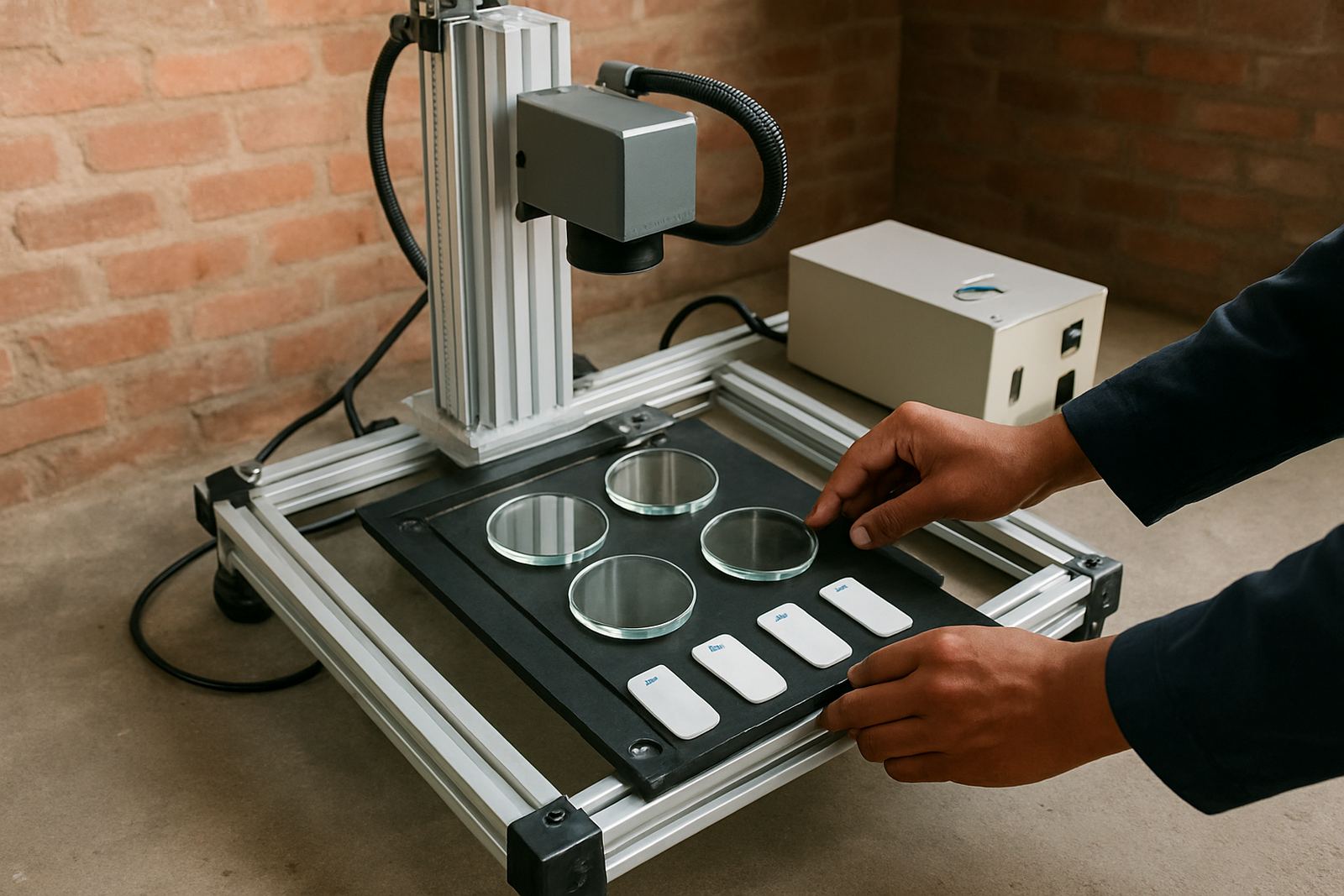
Typical options include manual loading, semi-automatic fixtures or fully integrated in-line marking. Where parts vary in height, a proper fixture design keeps the lid steady and helps the mark stay in the same position every time. We also look at lid colour, wall thickness and surface finish because these affect contrast and readability. Some plastics mark well straight away, while others need testing to confirm the best result.
- Mark area matched to lid diameter and artwork size
- Adjustable fixture for flat, domed or slightly curved closures
- Support for text, batch codes, serial numbers and simple graphics
- Option for part-present sensing and line stop signals
- Suitable for single-cavity or multi-cavity production where throughput matters
Where It Suits Best in South African Production
Jar lid marking is a good fit for businesses packaging products that need neat identification without labels taking up space. It is used on closures for food jars, cosmetic tubs, cleaning products, supplements and technical containers. It also suits contract packers and moulders who supply lids to more than one customer and need a clean way to add logos or traceability marks on demand.
The system is practical for plants in Germiston, Kempton Park, Benoni, Alberton and Midrand, as well as sites in Pretoria and further afield. Coastal humidity is not the main concern in Gauteng, but dust, heat and general factory handling still matter. The equipment is best placed where airflow is steady and the work area stays tidy, because contamination on the lid surface can affect mark quality. If your line runs in a warmer room or close to packing ovens, we check whether the mark still holds up after washing or storage.
- Packaging plants needing permanent lid identification
- Contract packers handling short runs and repeated changeovers
- Plastic moulders supplying branded or coded closures
- Operations that need cleaner marking than ink pads or stickers
Installation, Power and Line Integration
Installation starts with a site demo or sample test, then a layout review for the marking station, operator access and product flow. The machine can be set up as a standalone unit or built into a line with conveyors, sensors and reject handling if needed. We also check the height of the incoming lid, the fill line spacing and whether the operator will load parts by hand or through a feeder.
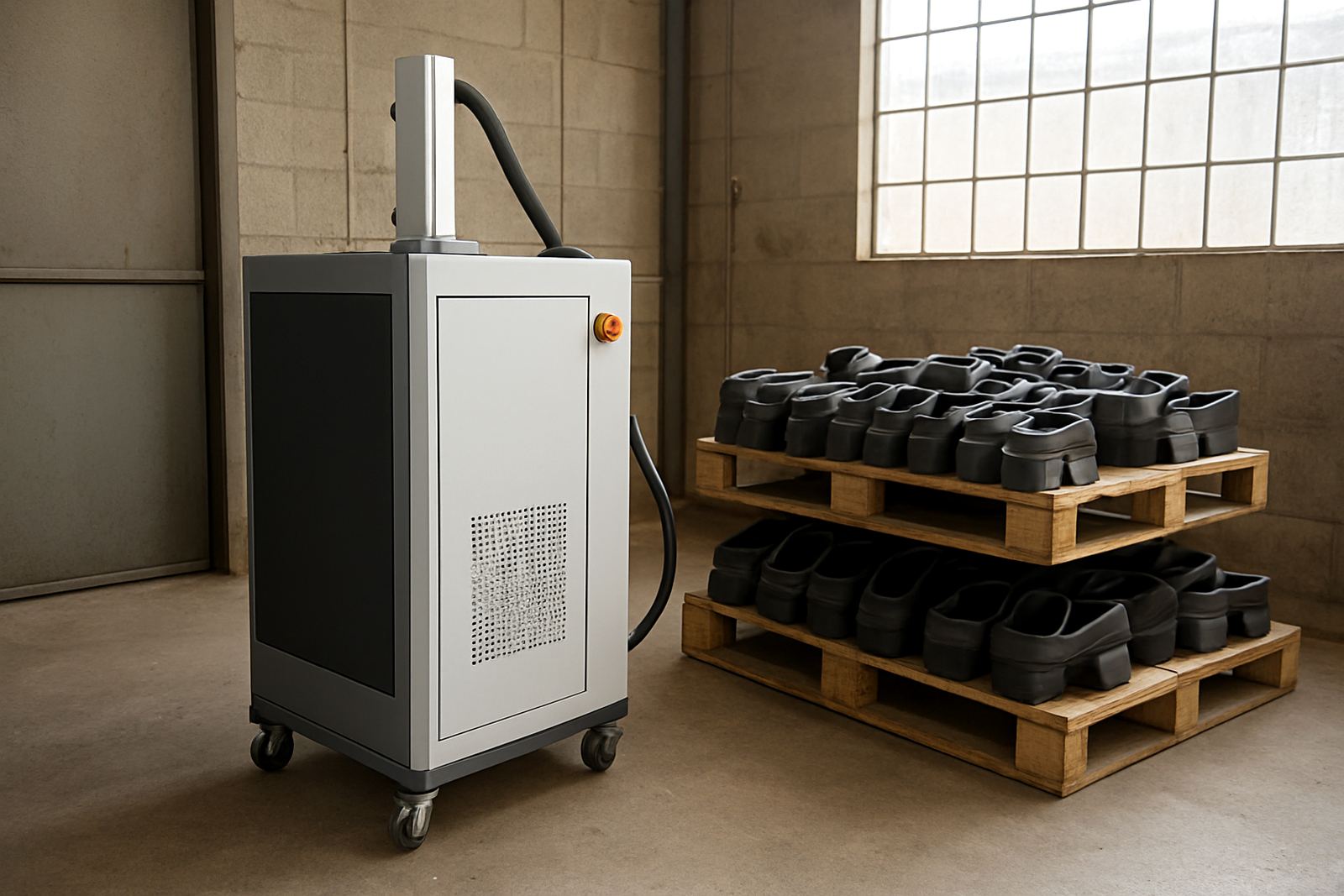
For power, most systems need a stable single-phase or three-phase supply depending on the full configuration. A clean electrical feed is important, especially where sites deal with voltage dips or generator changeovers. In many factories, a UPS or controlled shutdown routine is worth considering so production data and settings are not lost when the power drops. There is no gas requirement for the laser itself, which keeps daily running simpler than many other marking methods.
Integration can include process triggers, software setup and communication with the rest of the line. If your plant uses a basic pack-off station or a more complex automated line, we plan the installation to suit the space available and the pace of production. The aim is to keep the marking station practical, easy to reach and simple to clean.
Care, Servicing and Daily Checks
A jar lid marker does not need heavy day-to-day attention, but it does need clean working habits. The marking area should be kept free of dust, loose plastic shavings and oil film. Operators should check the fixture, lens area and lid feed path at the start of each shift. If the part slips even slightly, the logo can drift or the code may land too close to the edge.
Preventive maintenance helps avoid breakdowns and keeps the mark quality steady. That usually includes inspection of optics, alignment checks, software health and a review of any safety covers or sensors. For busy sites in Boksburg and the eastern Gauteng belt, a regular service plan is often cheaper than waiting for a stoppage when a line is full and the lids need to move out the door. If a fault does appear, breakdown repairs and spares supply can be arranged to get the station back into service.
- Clean the marking window and surrounding area regularly
- Keep lid surfaces dry and free from mould release residue
- Watch for drifting position after changeovers
- Schedule alignment and software checks at set intervals
- Store spare fixtures and critical parts on site where practical
What to Confirm Before You Order
Before ordering, it helps to bring a few samples and clear details about the lid. We will ask about the plastic type, lid diameter, surface finish, colour and the exact mark you need. If the part is glossy, white, black or lightly textured, the best setting can change quite a bit. It is also useful to confirm whether the mark must be purely decorative, or if it must meet traceability rules for batch control or export.
We will also want to know your target speed, how many cavities are in the mould, and whether the lids are handled loose, in trays or directly on a conveyor. A good sample test makes sizing easier and reduces surprises later. Please check the available space on the line, the power supply point, and whether the operator needs to load by hand or through automation. If your site needs training, fixture design or line integration, those can be planned at the same time so the install is neater and the day one handover goes smoother.
- Plastic type and lid colour
- Required mark size, content and position
- Line speed, shift pattern and handling method
- Space available for machine, safety guarding and access
- Power supply details and any site restrictions
Key facts
| Laser type | UV laser marking system |
|---|---|
| Best suited materials | Plastic lids, caps and closures |
| Marking style | Logos, text, batch codes, serials and traceability marks |
| Typical configuration | Standalone, semi-automatic or in-line integration |
| Power requirement | Single-phase or three-phase depending on setup |
| Support | Demos, installs, training, maintenance and nationwide service |