Built for regular production marking
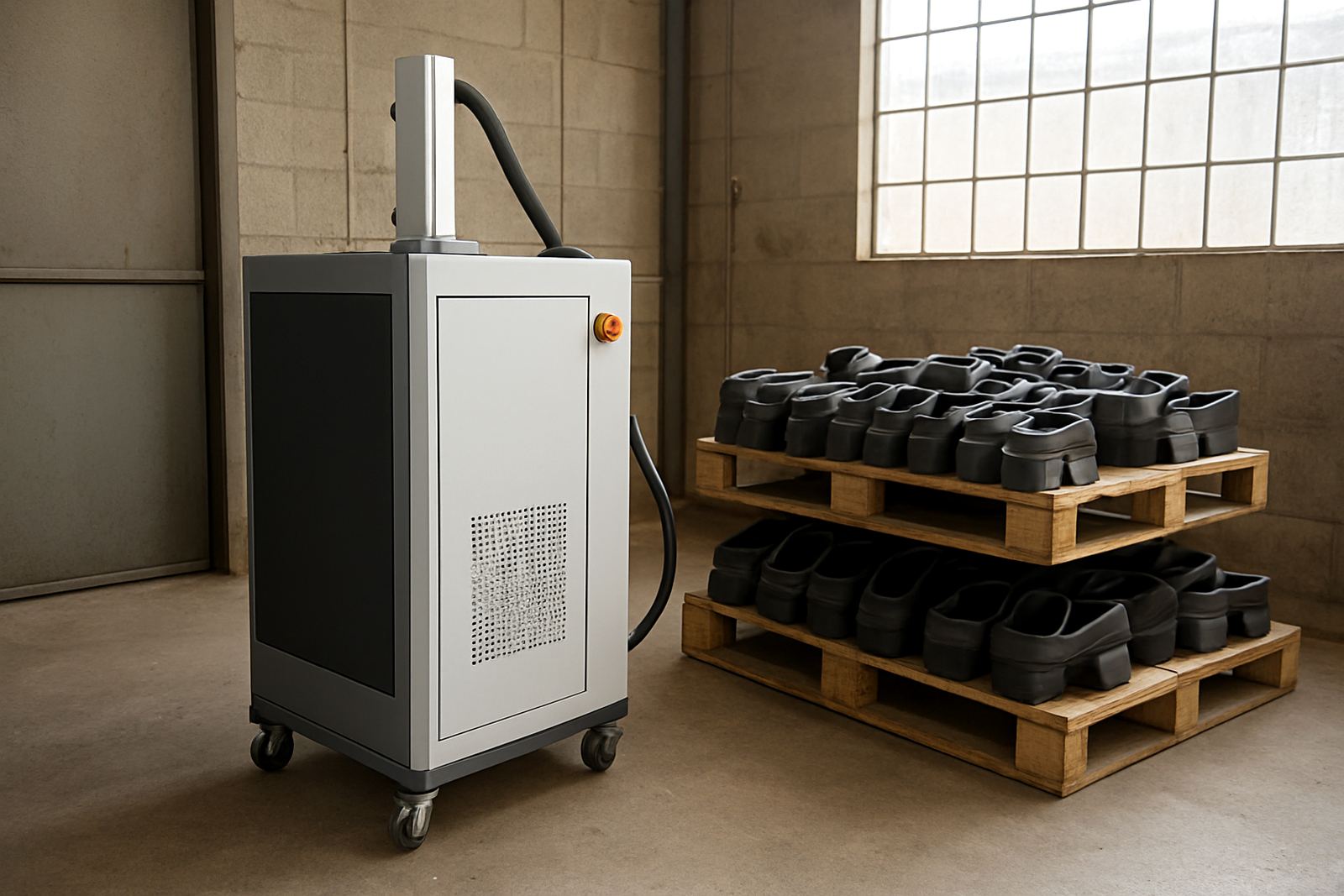
The floorstand model is suited to sites that need a proper standalone machine rather than a benchtop unit. The marking head sits on a rigid frame with the work area set at a comfortable height, so operators can load parts more easily and keep a steady pace through the day.
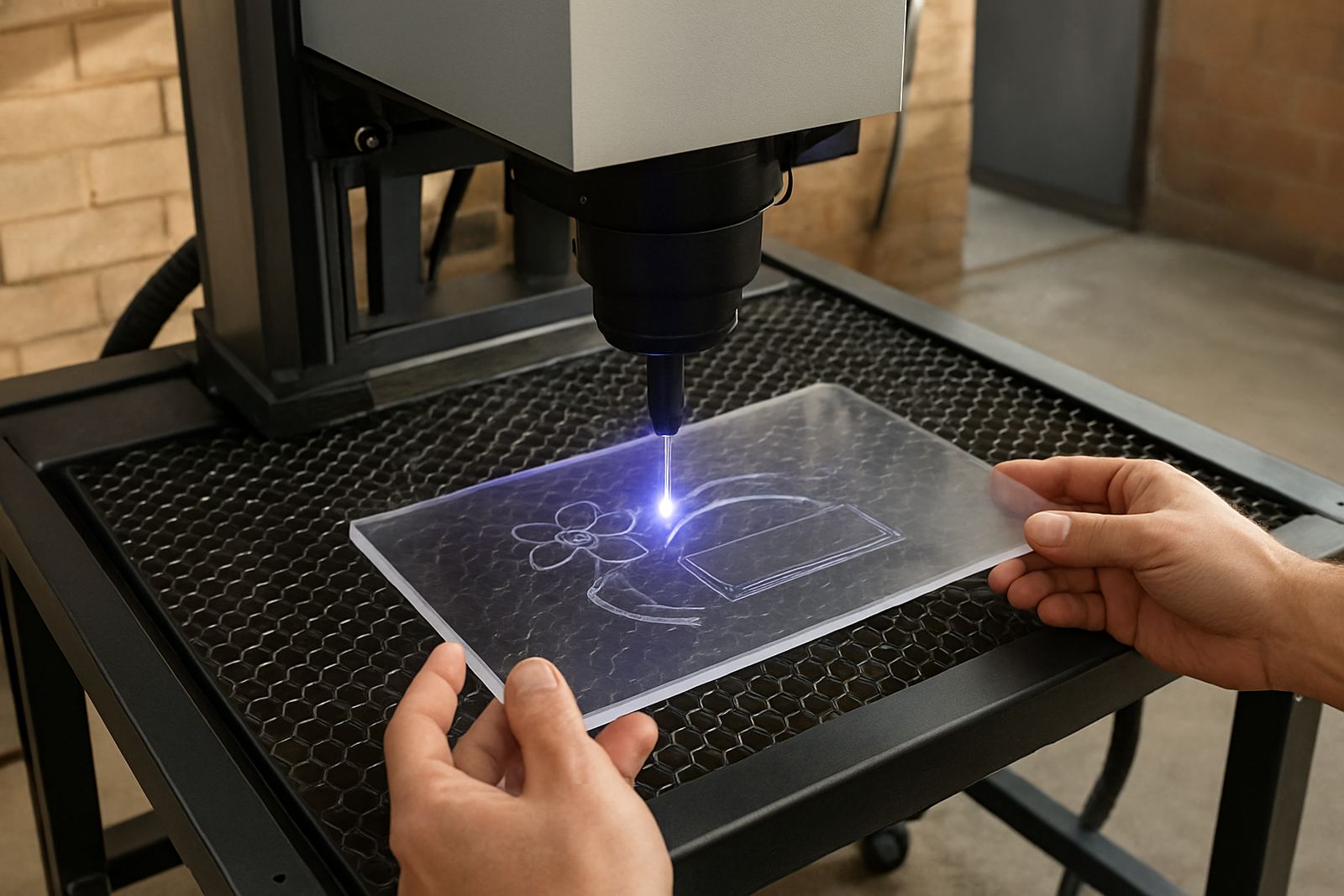
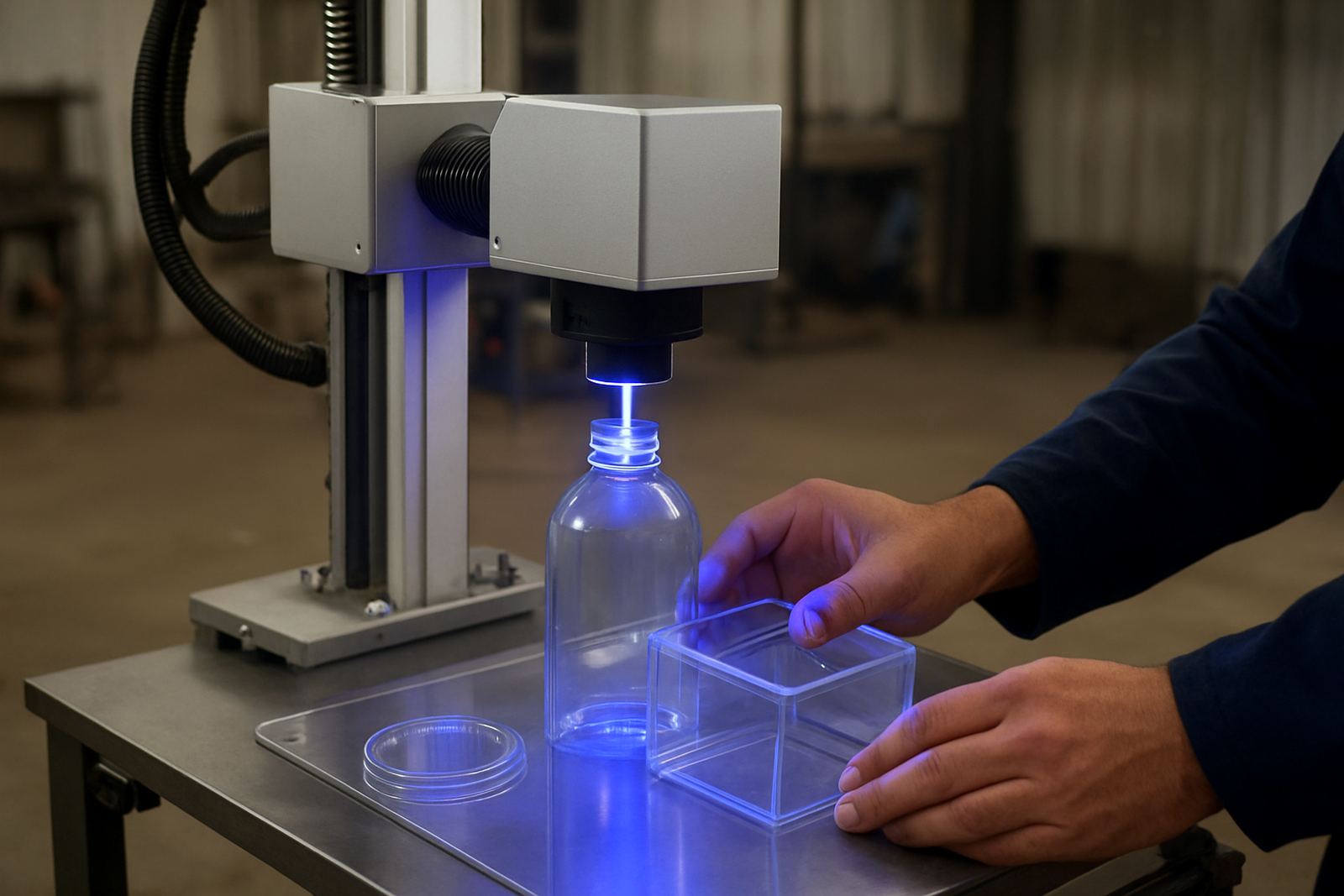
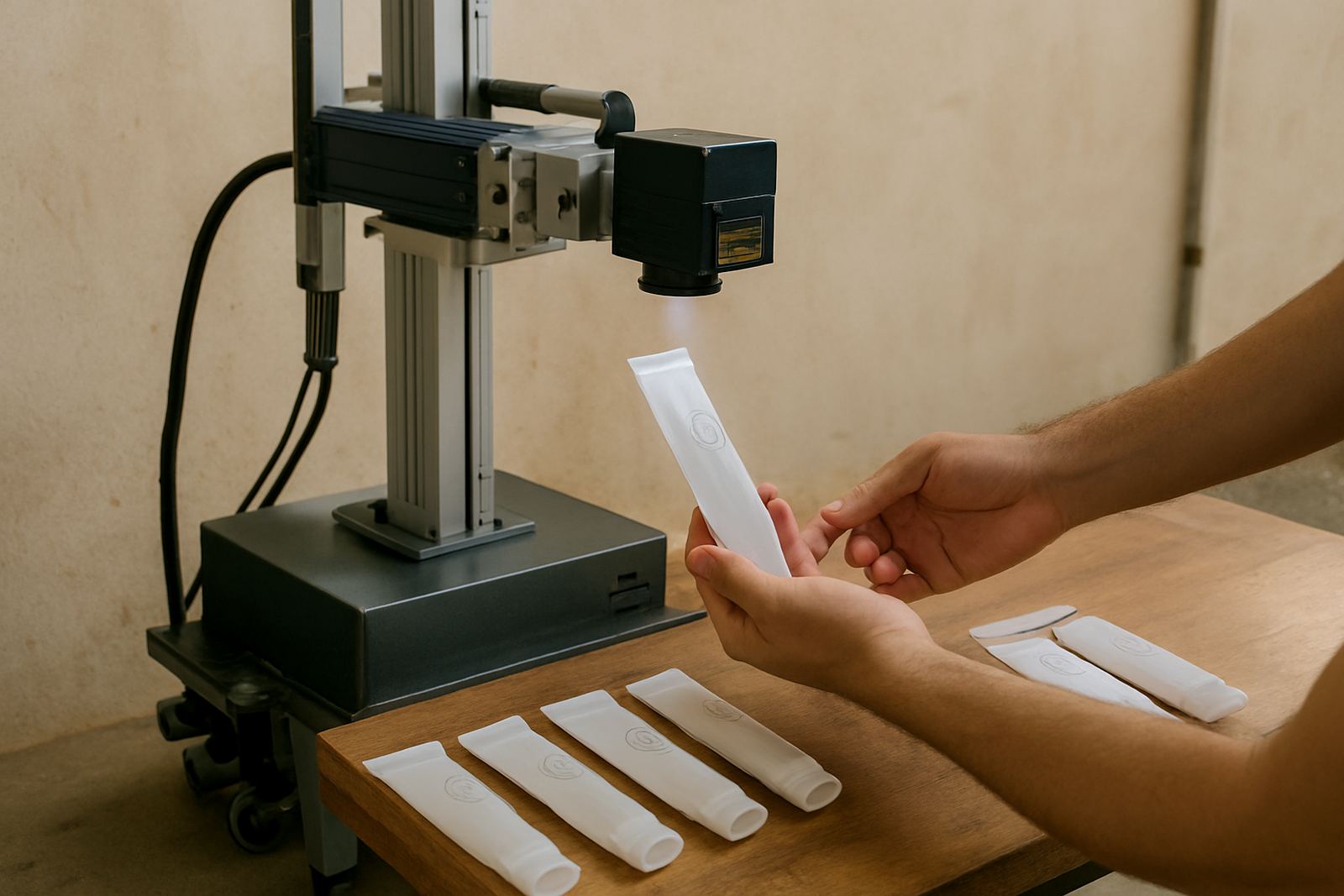
It is commonly used where repeat marking is needed on bottles, jars, tubes, panels, cosmetic containers and clear plastic parts. The UV process produces fine detail with low heat input, which helps when you need sharp text, logos, batch codes or small graphics on materials that can mark poorly with higher heat systems.
- Full-height frame for standing operation
- Suitable for repeat production batches
- Cleaner load and unload than many bench units
- Good for fine text, codes and simple graphics
Sizes, marking area and useful options
Different production lines need different working spaces, so the floorstand machine is normally specified by its marking area, height range and the way the part is fixtured. Some customers need a smaller field for fast coding on one item at a time, while others need a wider field for larger panels or multiple pieces in one setup.
Options can include custom fixtures, rotary handling for cylindrical parts, safety guarding, fume extraction preparation and software setup for variable data. Where the part shape changes often, a simple adjustable jig saves time and reduces marking errors.
- Marking field can be matched to the job size
- Adjustable working height for different containers and parts
- Custom jigs for repeat positioning
- Optional rotary setup for round items
Where this machine suits best
This setup suits factories and workshops that need consistent marking on glass and plastics without moving parts from one station to another. It is a practical choice for packaging, cosmetics, personal care, pharmaceutical support work, electronic housings and general industrial marking where clarity matters.
In Gauteng plants where floor space is tight, a floorstand unit often works better than spreading jobs across multiple small stations. It also helps where operators wear gloves, work shifts or need a straightforward loading position that cuts down handling mistakes.
For coastal sites, especially around Durban or the eastern seaboard, the machine should be kept in a dry area where possible because humidity can affect storage and some consumables over time. In dusty environments, good housekeeping around the marking bay makes a real difference to lens care and long term reliability.
Installation, power and site requirements
Installation is handled on site, with the machine positioned, levelled and set up to suit the production area. If the line already has conveyors, a turntable, or a feed system, the unit can be aligned to work with the rest of the process. We also assist with line integration where marking needs to happen inline rather than as a separate step.
The UV Laser marking process typically needs a standard electrical supply and a stable, clean operating space. Depending on the setup, compressed air may be required for ancillary parts, part handling or dust control, so it is worth confirming the site utilities before delivery. For factories dealing with load-shedding, power stability and backup planning should be checked before commissioning so the line does not lose settings or sit idle mid-shift.
- Standard electrical supply required
- Compressed air may be needed for some setups
- Level floor and enough access around the machine
- Confirm space for guarding, loading and maintenance
Care, servicing and keeping marks consistent
Like any production machine, the floorstand unit should be kept clean and checked on a routine basis. A quick daily wipe-down, lens inspection and confirmation that fixtures are still aligned will go a long way toward keeping marks consistent. If the line runs many shifts or handles abrasive dust, more frequent inspection is sensible.
We support preventive maintenance, software setup, spares supply and breakdown repairs. That matters when operators change, when batches are short and frequent, or when a machine needs to be kept running for export packing, domestic supply or contract work. If a marking result starts to drift, it is usually better to check the fixture, focus position and settings early rather than wait for rejects to build up.
- Clean lenses and work area regularly
- Check fixture position and focus
- Keep software settings backed up
- Book planned servicing before peak production periods
What to confirm before you order
Before choosing a floorstand UV marker, it helps to define the product material, the size of the marking area, the daily volume and whether the job needs batch codes, serial numbers or simple branding. If the part is curved, clear, thin-walled or handled by operators with gloves, those details should be shared upfront so the fixture and settings can be matched correctly.
It is also worth confirming how the part will be fed, whether you need sample testing, and whether installation is for Jet Park, Boksburg, Germiston, Kempton Park, Benoni, Alberton, Midrand or Pretoria. Our team can arrange site demos, sample testing, operator training and nationwide support, with Riaan Pretorius and the support team guiding the process from enquiry through to commissioning. A little time spent on the specification now usually saves time later and avoids rework.
- Material type and part dimensions
- Required mark size and content
- Daily output and shift pattern
- Need for fixtures, training or line integration
Key facts
| Machine type | Full-height standalone UV marking system |
|---|---|
| Best materials | Glass and plastics |
| Typical use | Branding, labelling, batch codes and fine detail |
| Installation | On site setup with operator training available |
| Power needs | Standard electrical supply, site dependent |
| Support | Demos, sample testing, maintenance and nationwide service |