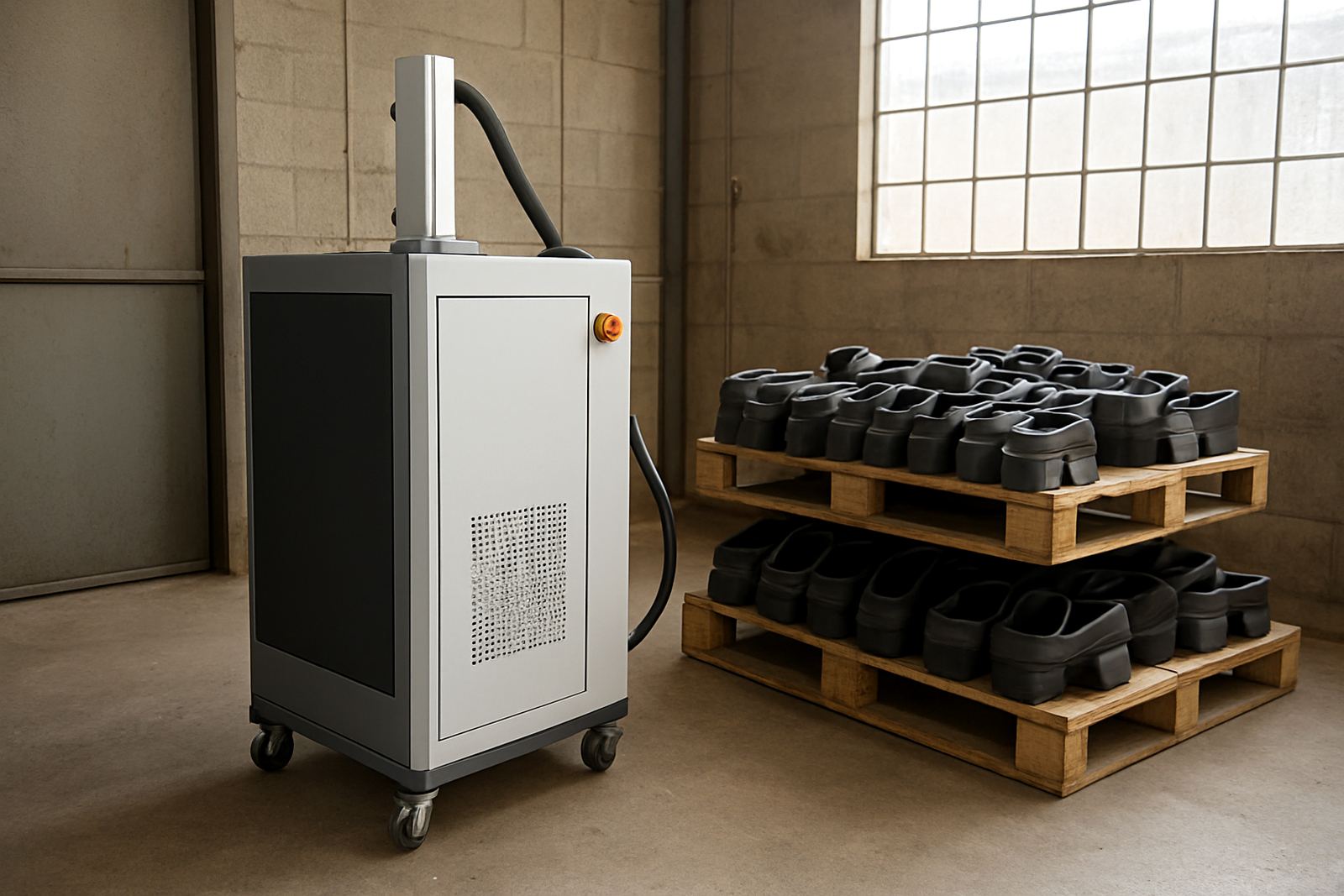
Built for small parts that still need a clear mark
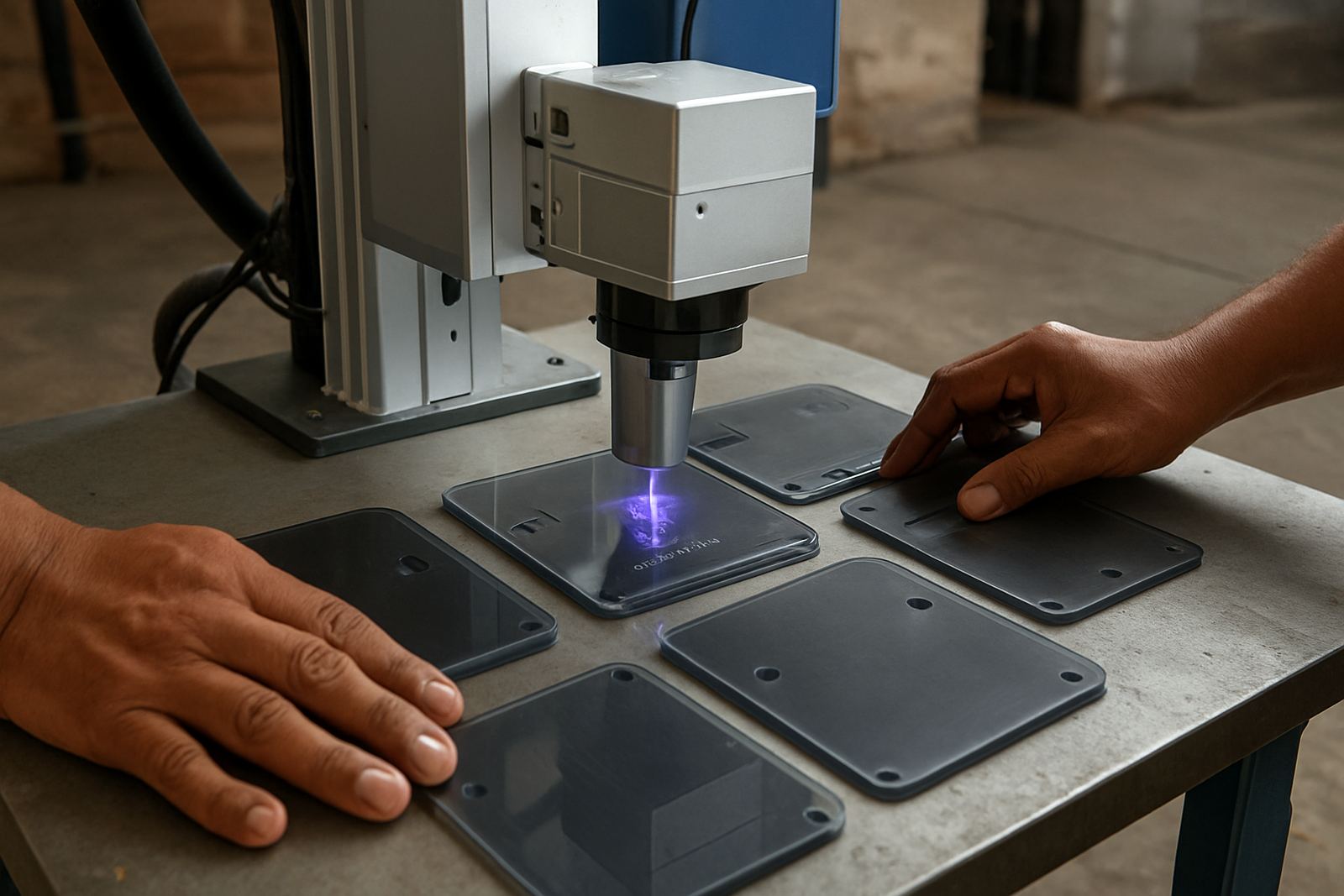
The Micro Part Marker is used where the part size is limited but the marking still has to be sharp, permanent and easy to read. It works well on miniature plastics, glass tubes, caps, medical style parts, instrument components, cosmetic packaging and other fine items where a standard marking setup is simply too coarse.
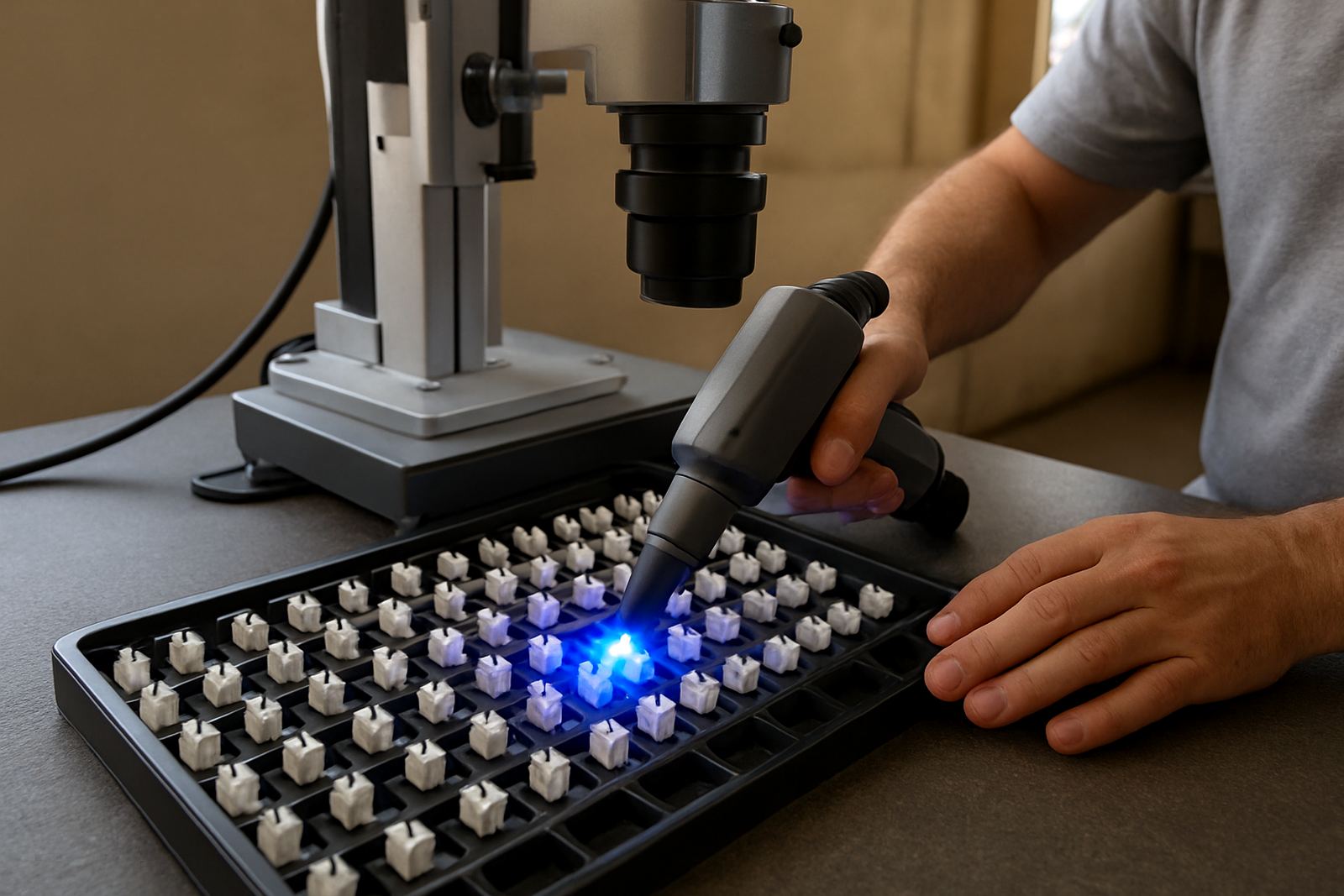
This machine uses a UV laser process that marks without the same heat build-up seen on other methods, so the part surface is not stressed as much and the result stays neat. That matters on thin-walled plastics, clear materials and small items with tight tolerances. The mark can be used for batch numbers, logos, product codes, serials, warnings and small technical details, even where the print area is only a few millimetres wide.
For factories in Gauteng and beyond, the advantage is consistency. Once the settings are right, the mark position and readability stay the same across repeat runs, which helps with quality control and traceability. It is a practical choice for production lines that cannot afford rework or damaged stock.
Size options and marking area choices
Micro part work often needs a compact setup, so the marking head, workholding and software settings are arranged around the actual component size. The machine can be specified with a compact marking window for fine detail or a wider field when the part needs several marks in one cycle. The right option depends on the size of the component, the artwork and how many pieces must be processed per hour.
Typical options include a smaller field for very fine work, adjustable fixture plates and bespoke part holders for irregular items. If your product is curved, transparent or very light in colour, sample testing is important before final sign-off. Our team in Jet Park can test parts, check legibility under normal viewing conditions and confirm whether the same mark will hold up during handling, washing or packaging.
- Compact marking fields for tiny legends and codes
- Custom fixtures for round, flat or uneven parts
- Software settings for logos, serials and data matrix style codes
- Support for single-piece handling or batch loading
Where the Micro Part Marker suits best
This product is a good fit for businesses that work with small parts and need permanent identification without smudging or peeling labels. It suits lab equipment, cosmetics, packaging components, electronics accessories, medical related items, instrument parts and precision plastic mouldings. It is also used on glass where a clean, controlled mark is needed for branding or product detail.
Because the marking is direct to the surface, there is no extra label stock to run out of, and no adhesive to fail in heat, dust or humidity. That makes it useful in coastal areas where moisture can affect ordinary labelling, and in plants where daily cleaning or handling is part of the job. In South Africa, many clients also need markings that remain legible through transport, storage and municipal inspections, especially where traceability is part of the process.
For production teams dealing with load-shedding, the machine can be planned into the line with proper power protection and workflow timing so stoppages are easier to manage. The main goal is simple: get a small mark onto a small part, and keep it readable.
Installation, power and workshop requirements
Installation starts with the part, the fixture and the line layout. The machine can be set up as a standalone station or fitted into an existing production flow. For best results the work area should be stable, clean and free from excess vibration. A level bench or frame, proper part locating and clear access for the operator all help with repeatability.
The unit needs mains power and a suitable industrial supply arrangement, with protection against surges and power interruptions where needed. In many local workshops we recommend a UPS or similar backup arrangement for the control equipment, especially in areas affected by load-shedding. The laser source itself does not need gas for marking, which keeps operating requirements straightforward compared with older methods that rely on consumables.
- Mains electrical supply with surge protection
- Clean, stable mounting surface or integrated line frame
- Correct extraction or ventilation if the material process calls for it
- Operator access for loading, checking and clearing parts
Nationwide installation is available from our Ekurhuleni base in Jet Park, Boksburg, with demos and setup support in Germiston, Kempton Park, Benoni, Alberton, Midrand and Pretoria as well.
Care, servicing and keeping marks consistent
Like any production machine, the Micro Part Marker performs best when it is looked after before there is a fault. Routine care usually includes lens inspection, cleaning of work surfaces, checking cable condition, confirming the fixture is tight and making sure the software settings have not drifted. In dusty environments or busy plants, a quick daily wipe-down and a weekly check can save a lot of downtime later on.
Preventive maintenance is worth planning into the calendar, especially where the machine runs most days. Our service team handles breakdown repairs, spares supply, software setup and process optimisation, so if the mark starts looking faint, shifted or inconsistent, the issue can be traced properly instead of guessed at. In some cases the fix is mechanical, in others it is the part holder, the artwork file or the process speed. A proper check avoids repeat problems.
If your business works with fine plastic parts or glass containers, it is also wise to keep sample reference pieces. That gives you a quick visual standard for future production and helps operators spot a change before a full batch goes out. Small marks can be unforgiving, so consistency matters.
What to confirm before ordering your unit
Before ordering, it helps to define exactly what the machine must do on your product. The best setup depends on the material, the smallest text size, the cycle time and whether the part is flat, curved or transparent. If you can send samples for testing, the result is much better than working from a guess.
- Material type: glass, clear plastic or coloured plastic
- Part size and marking area available
- Minimum text height or code size needed
- Required output per hour or per shift
- Need for fixtures, line integration or manual loading
- Any special cleanliness, safety or audit requirements
If you need operator training, fixture design or software setup, we can include that as part of the supply. Our team, led by Riaan Pretorius, works with clients from planning through to installation and handover. The result is a marking station that fits the part, the line and the way your staff actually work, not just what looks good on paper.
Key facts
| Laser type | UV laser marking system |
|---|---|
| Best suited materials | Glass and plastics |
| Marking field | Configurable for micro parts and fine detail |
| Installation | Standalone or integrated into production lines |
| Power needs | Mains electrical supply with surge protection recommended |
| Support | Site demos, training, maintenance and nationwide backup |