A straightforward starter marker for glass and plastic parts
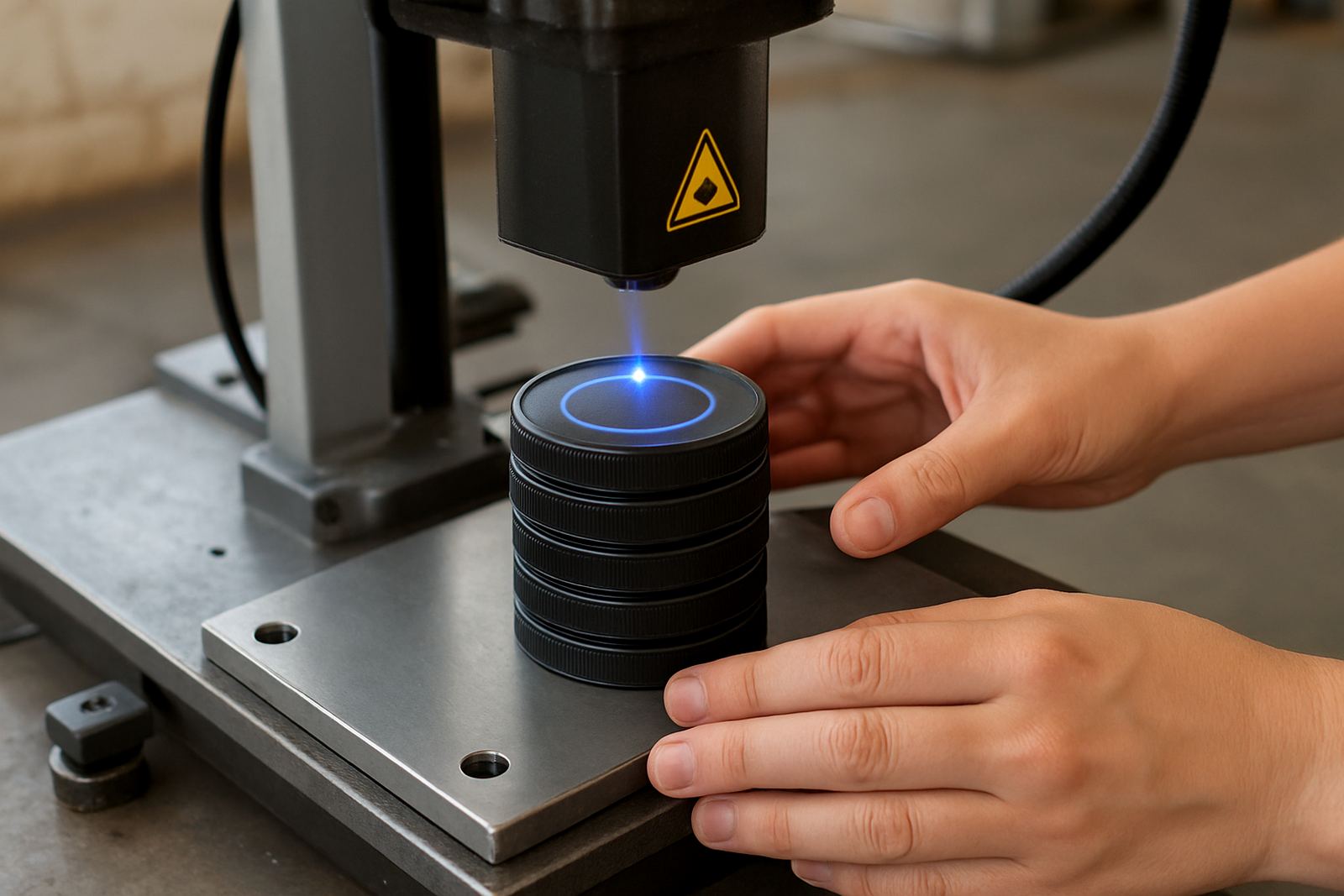
The Entry UV Marker is built for smaller production runs where you need crisp marks, readable codes and tidy branding on sensitive materials. It is commonly used on bottles, cosmetic containers, medicine packaging, instrument parts, caps, lids, clear housings and other plastic or glass items that can be damaged by heat-heavy methods. Because UV marking relies on a fine beam and controlled energy, it leaves a permanent mark with very little surface disturbance.
This is a good fit for businesses that are moving marking work in-house for the first time, or for operations that need a compact unit for sampling, short runs and test work before scaling up. In Jet Park, Boksburg and surrounding industrial areas, many customers use this type of unit when they need better control over lead times and product identification. The result is clean work that holds up in handling, packing and day-to-day use.
Typical sizes, configurations and working area options
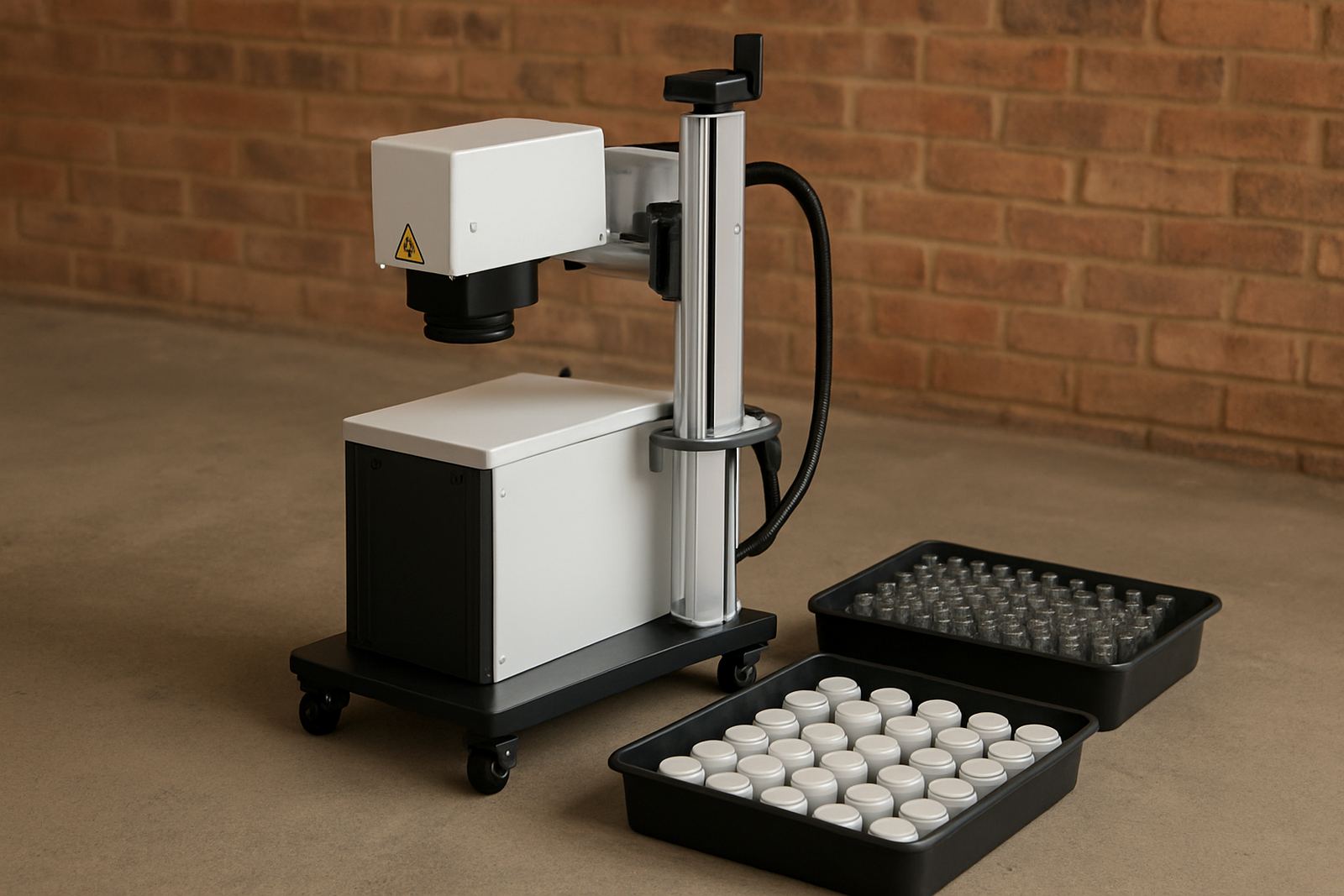
The Entry UV Marker is available in compact configurations for bench-top use and small workstation setups. The exact working area depends on the fixture and part size, but the unit is generally suited to small to medium components rather than large format panels. For most buyers, the decision comes down to marking area, part height, and how the items will be loaded and removed during the shift.
- Compact footprint for smaller workshops and lab spaces
- Adjustable working height for different bottle, cap and component sizes
- Optional rotary or product-holding fixtures for round items
- Choice of standard or extended marking field, depending on application
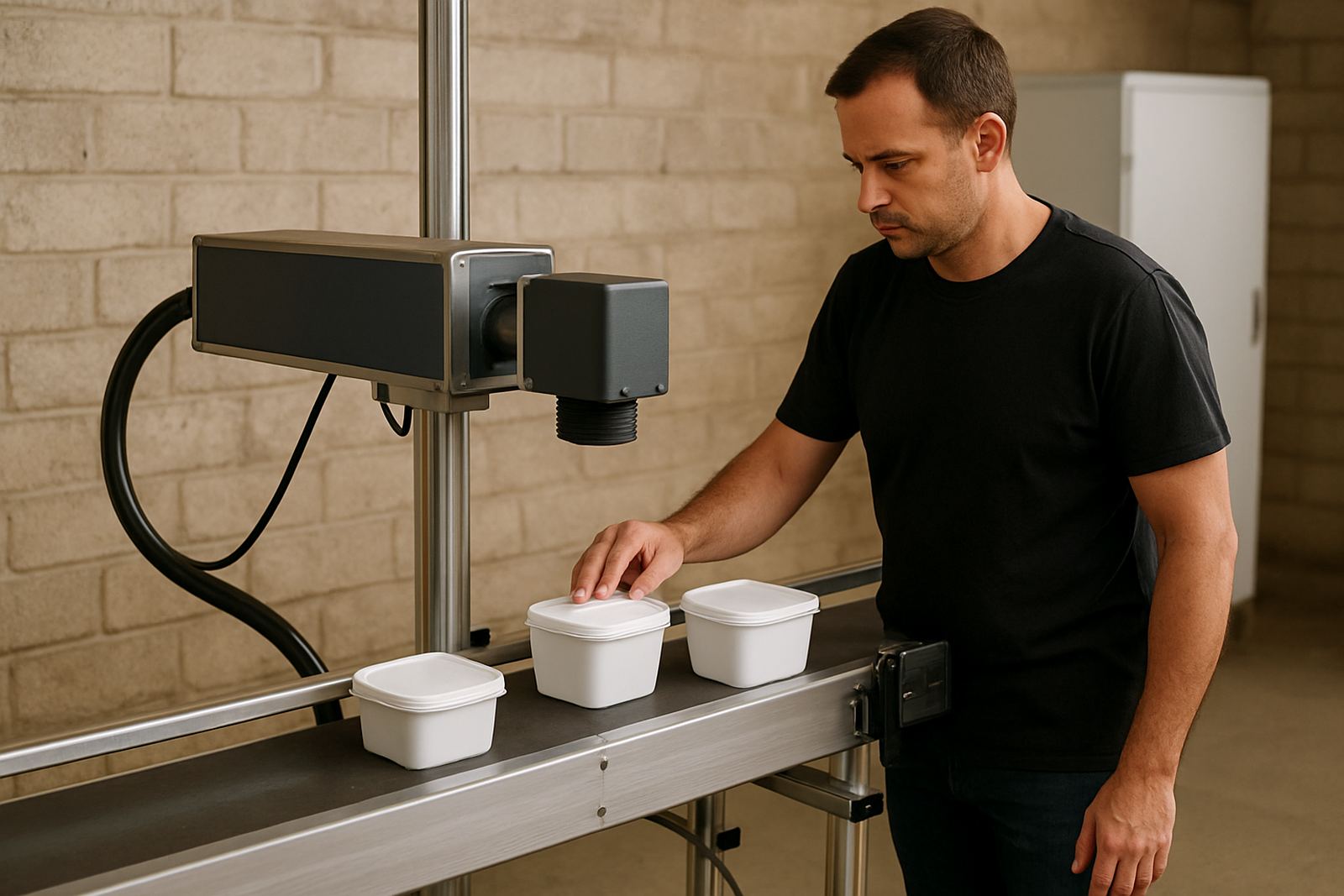
- Suitable for manual loading, with line integration possible on some setups
If you are working from a limited area in Germiston, Kempton Park or Benoni, the machine can usually be positioned with enough access for the operator and basic service checks. That helps when floor space is tight and there is other equipment nearby.
Where this unit suits best in South African production
This starter unit suits businesses that need reliable marking but do not yet need full-speed automation. It is often chosen by packaging teams, product manufacturers, local assembly shops, laboratories and speciality producers who want to mark part numbers, batch details, expiry data, logos or compliance text. It also works well for sample approval work before a larger production run goes ahead.
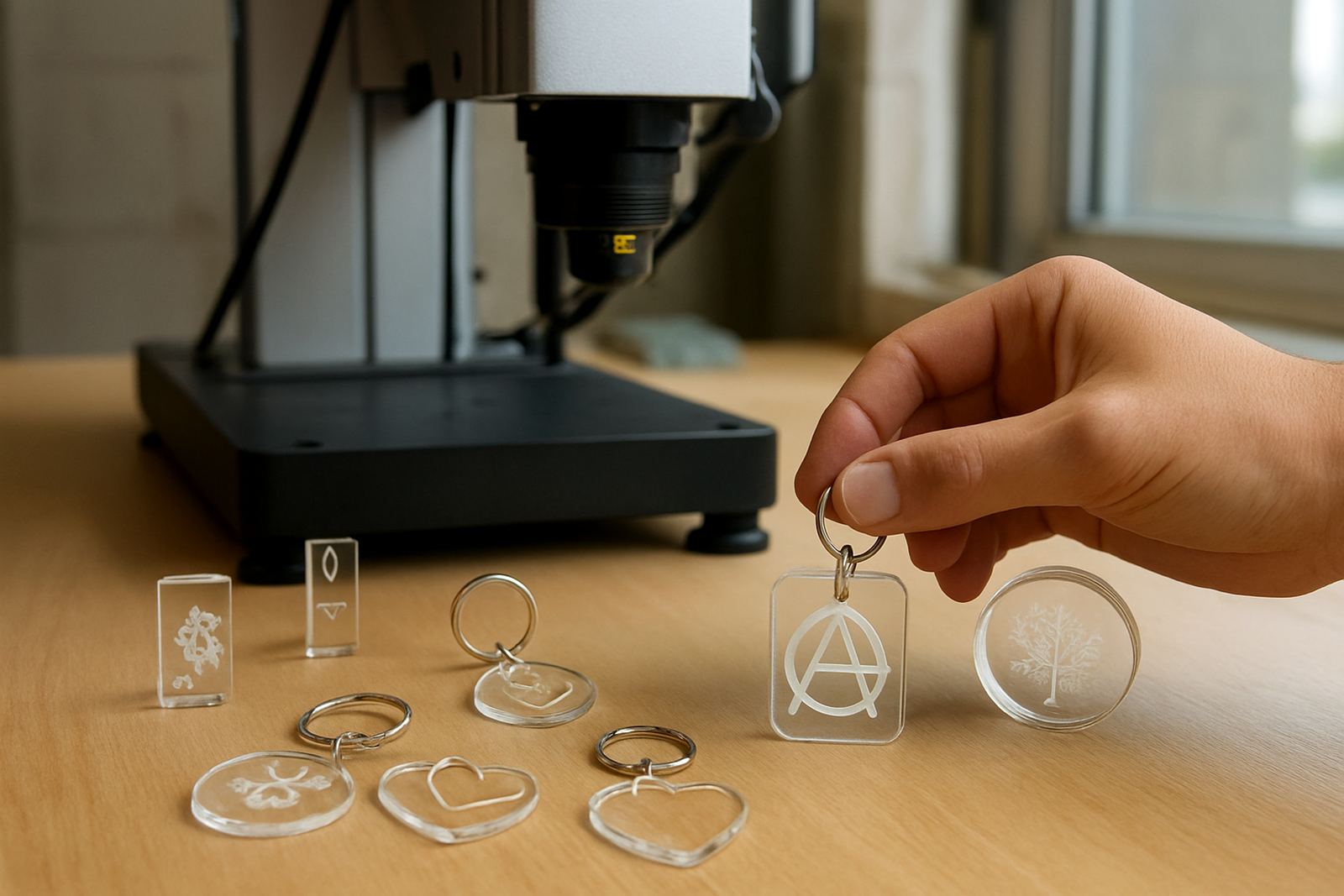
Because the marks are permanent and precise, the Entry UV Marker is useful where legibility matters and the item itself must keep a clean finish. That includes clear plastic containers, translucent packaging and gloss surfaces where other methods can look rough or leave visible damage. It is also useful for short-run personalised items and traceability work across Alberton, Midrand and Pretoria. For some plants, a small unit like this is the best way to start with minimal disruption, especially when orders vary from week to week.
- Lower volume production
- First-time in-house marking
- Sample approval and small batch work
- Product identification and traceability
- Branding on glass and plastics
Installation, power and workshop requirements
Installation is usually straightforward, but the unit should still be placed on a stable surface with enough clearance for loading, maintenance and part changeover. We can assist with site demos, install and operator handover nationwide, including customer sites in Ekurhuleni and further afield. If the marking process is being added into an existing line, fixture position and part flow need to be checked before the machine is set in place.
For power, the unit typically needs a standard single-phase electrical supply and a clean, protected connection. A stable power source is important where load-shedding or voltage swings are common, so surge protection and proper isolation are worth planning for. No process gas is usually required for the marking itself, which keeps the setup simpler than many other marking systems. In dusty or humid sites, especially closer to the coast or in busy packaging rooms, the machine should be installed in a clean area with reasonable airflow and low vibration.
Before sign-off, we check the floor space, product handling method, power point location and any fixture or guarding needs. If the unit is going into a line, it is also worth checking timing, conveyor height and whether the operator will load parts by hand or through a simple jig.
Care, servicing and day-to-day running costs
The Entry UV Marker is designed for regular workshop use, but like any precision unit it benefits from routine cleaning and scheduled checks. The lens area, work surface and fixtures should be kept free of dust, plastic residue and fingerprints. On glass and plastics, contamination can affect mark quality, so a clean loading area makes a real difference. Operators should also be trained to keep an eye on alignment and to report changes in mark depth or clarity early.
Preventive maintenance is recommended to keep the unit consistent and reduce avoidable downtime. We supply breakdown repairs, spares and software setup support, and can arrange servicing for customers in Jet Park, Boksburg, Germiston, Kempton Park and beyond. Service plans are especially useful where one person is doing both production and maintenance duties, because small issues can otherwise build up over time.
- Keep the lens and fixtures clean
- Check alignment after changeovers
- Use stable power protection
- Book periodic preventive maintenance
- Keep sample records for repeat jobs
What to confirm before you place an order
Before ordering, it helps to confirm exactly what you need to mark and how the job will run in practice. The right setup depends on part size, surface finish, target speed and the kind of information you need on the product. If the marking is for compliance, traceability or packaging control, it is worth checking font size, line count and the placement area on each item.
We usually ask clients to check the following before moving ahead, and sample testing can be done before final confirmation. A few details up front save time later and help avoid ordering the wrong fixture or working area. For businesses in Boksburg, Benoni, Alberton or further inland, this is often the best way to get the right fit on the first go.
- Material type: glass, clear plastic or another surface
- Part size and height, including any curved sections
- Mark content: logo, text, batch code, date or code sequence
- Required speed and daily volume
- Whether you need a fixture, rotary attachment or line integration
- Power availability and site conditions
If you are unsure, we can help with sample testing, fixture advice and process optimisation before the unit is installed. That way the marking result suits the product, not just the machine.
Key facts
| Marking method | UV laser marking for glass and plastics |
|---|---|
| Best use | Low to medium volume marking, samples and first-time in-house use |
| Typical setup | Compact bench-top unit with optional fixtures |
| Power | Standard single-phase electrical supply, site dependent |
| Gas requirement | No process gas usually required |
| Support | Site demos, installation, training, maintenance and nationwide support |