Clean marking for acrylic displays and branded panels
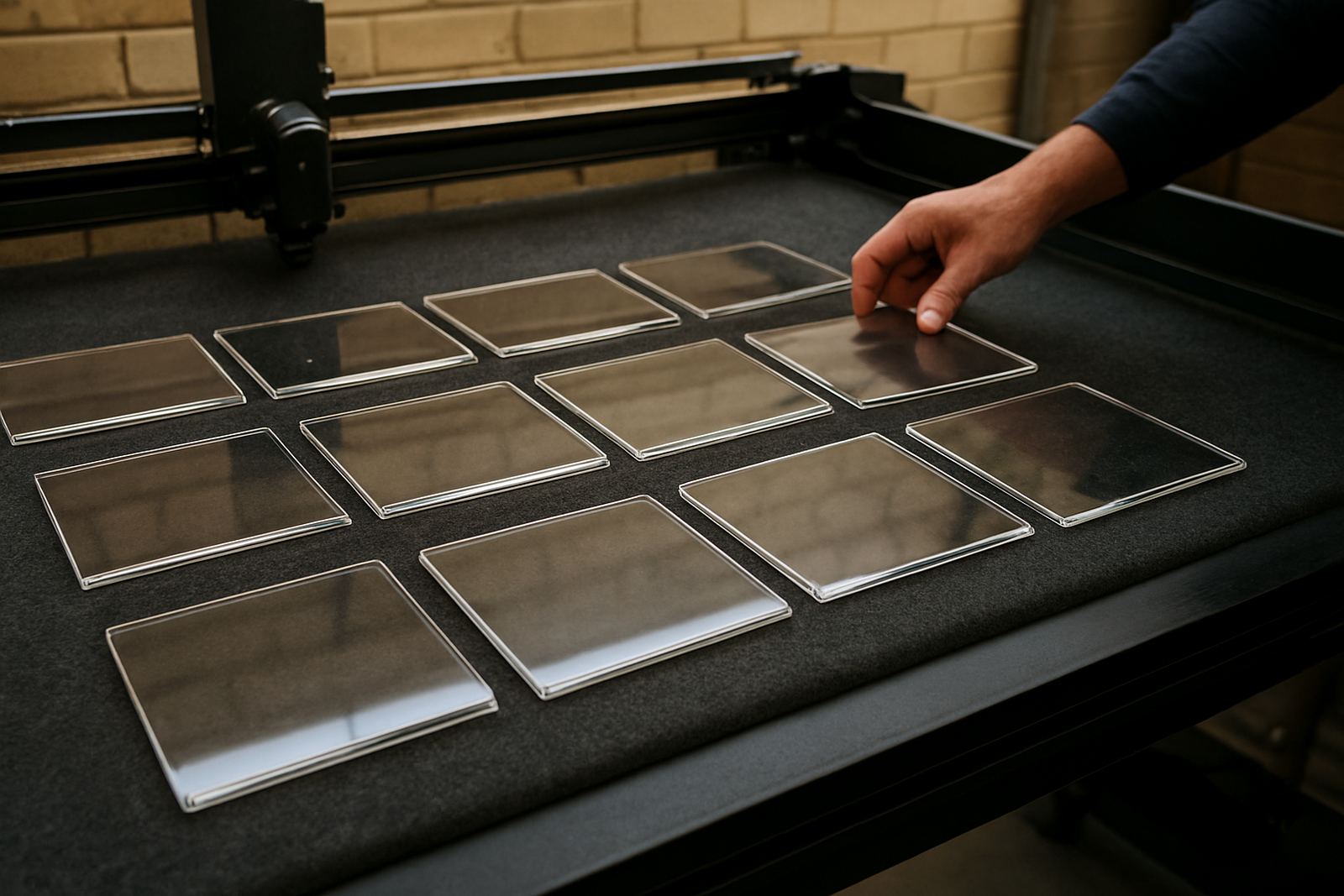
This setup is built for acrylic sheets, stands, faceplates, point of sale displays and branded panels where the mark must stay sharp and readable. It works well on clear, frosted and coloured acrylic, with fine control for text, logos, serials and technical labels. For short runs or repeat production, it gives a tidy result that does not peel, fade or leave wet residue.
Because the beam is applied without contact, there is no tool pressure on the surface and less risk of cracking or edge chipping. That makes it useful for thin display parts and cut pieces that have already been routed or laser cut. In dusty or humid areas, especially around the East Rand or coastal deliveries, permanent marking also helps reduce label failure later on.
- Suitable for branding, numbering and compliance text
- Works on flat panels and many formed acrylic pieces
- No inks, solvents or stickers required
- Good for repeatable production on identical parts
Typical sizes and setup options for your workpiece
Most acrylic sign marking jobs are planned around the size of the panel, the number of items per cycle and how much detail is needed. Smaller tabletop systems suit sample work, nameplates and compact display parts, while larger workbeds are better for full sign blanks and multiple pieces laid out together. The right choice depends on how you pack jobs, not just the biggest sheet you ever cut.
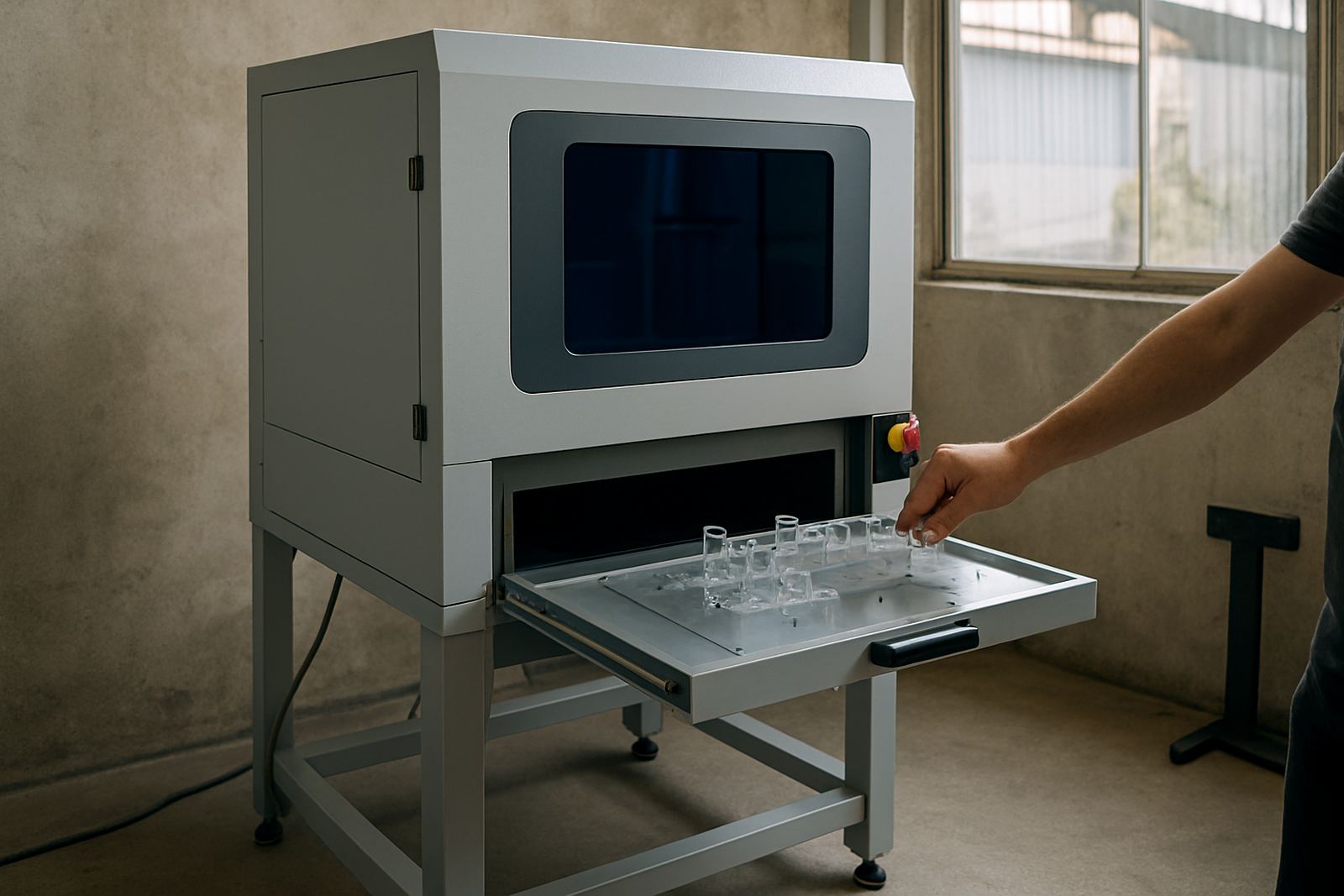
We can assist with fixture design for curved or irregular acrylic parts, so items sit level and repeat in the same position each time. That matters when you are marking batches for retail displays, office identification, hospitality signage or exhibition work. If you need a quick changeover between jobs, a simple locating jig can save a lot of set-up time.
- Small format systems for samples, tags and light production
- Mid-size beds for common sign panels and display boards
- Custom fixtures for repeat positioning and batch work
- Options for stand-alone use or line integration
Where this product suits best in South African operations
This product suits acrylic manufacturers, signage workshops, display fabricators, plastic converters, promotional product suppliers and industrial firms that need neat surface marking. It is also useful for internal labelling on cabinets, equipment covers and control faceplates where a printed sticker would not last. In Johannesburg, Pretoria, Ekurhuleni and surrounding areas, it is often used for rush orders and repeat production runs.
The setup is practical for businesses that need a permanent result with less rework. For coastal clients, the advantage is clear when moisture and cleaning chemicals make adhesive labels lift. For workshop environments with load-shedding, the system can be planned around controlled start-up and protected power so that marking quality remains consistent, even if the site power is not always steady.
- Acrylic display makers and sign shops
- POS and merchandising suppliers
- Industrial panel and equipment marking
- Short-run custom branding and sample approval work
Installation needs, power supply and workshop conditions
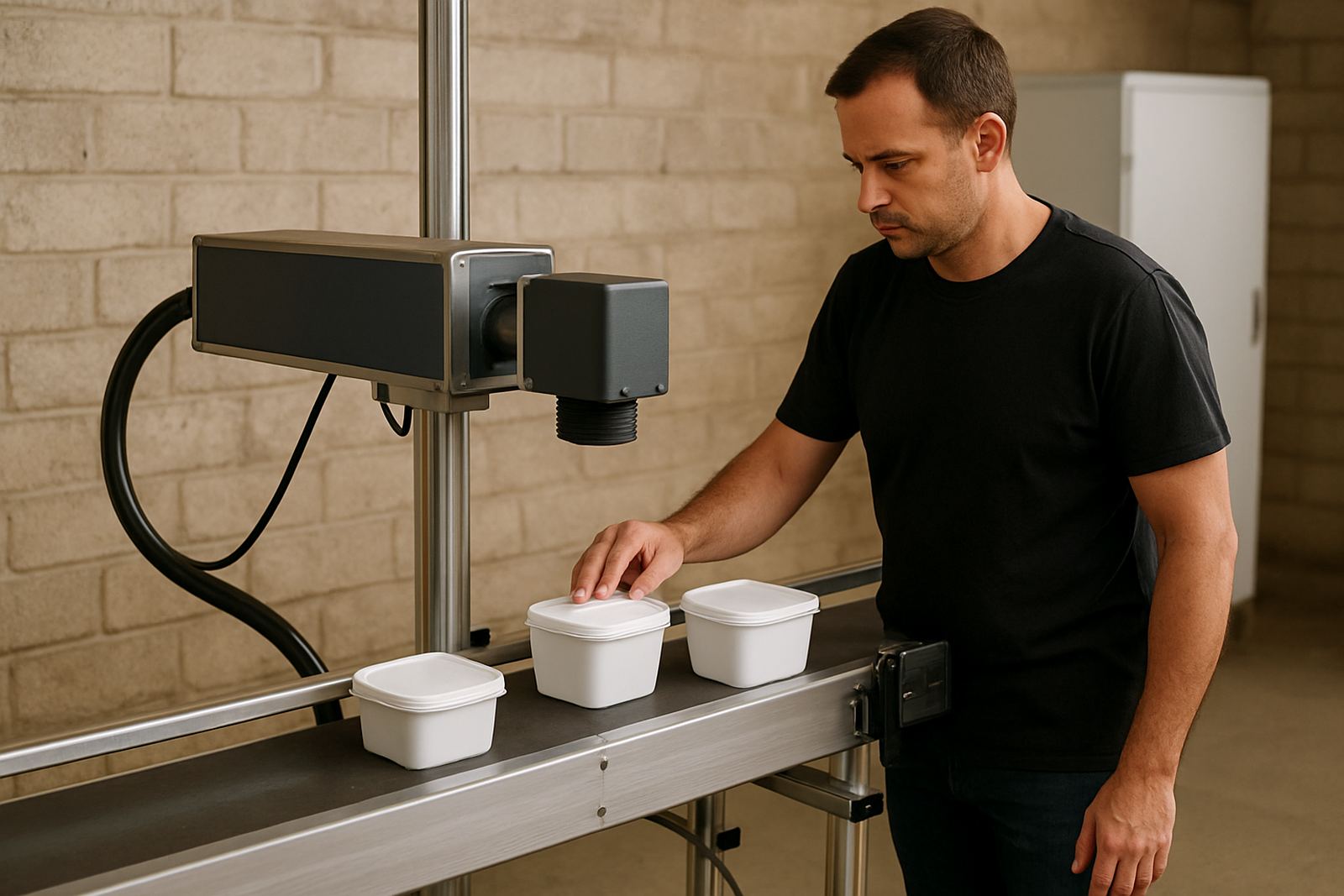
Installation is usually straightforward, but the space should be level, clean and well ventilated. The machine needs stable power, enough bench space or floor space for the unit and access for loading, unloading and maintenance. If the site has frequent power interruptions, a suitable power protection plan is worth discussing so settings are not lost and the electronics are kept safe.
Most acrylic marking work does not need gas supply. Some applications may need extraction or air assist depending on the job layout and your production area, especially where fine debris must be kept off the surface. We check the site before installation and advise on cable routing, positioning and operator access. For smaller premises in Jet Park or Boksburg, the main thing is allowing enough room for safe movement around the machine.
- Stable mains power and basic power protection recommended
- No gas requirement for standard acrylic marking work
- Ventilation or extraction advised for cleaner finishes
- Clear access for loading, set-up and servicing
Care, cleaning and servicing after installation
Acrylic marking equipment needs regular cleaning and sensible handling to keep results consistent. The work area should be kept free of dust, offcuts and overspray from other processes. Operators should avoid touching marked areas with abrasive cloths, because that can dull the finish, even if the mark itself is permanent.
Preventive maintenance is simple if it is done on schedule. Lenses, covers and moving parts should be inspected and cleaned as part of normal production housekeeping. If your operation runs daily, a planned service interval helps avoid downtime and reduces the risk of poor marking quality. We also assist with breakdown repairs, software setup and process optimisation when a job starts taking too long or the finish is not matching the sample.
- Keep the marking area clean and dust free
- Use approved cleaning methods on marked acrylic
- Schedule routine checks on optics and motion parts
- Plan for spares and service before peak production periods
What to confirm before you order
Before ordering, it helps to confirm the acrylic type, thickness, size range and the finish you want on the final piece. Clear acrylic and coloured acrylic can behave differently, so sample testing is useful before committing to a full batch. If the part is already cut, bring a sample and measurements so the fixture can be matched properly.
You should also check the marking area size, whether the work will be one-off or repeated daily, and if the content includes fine text, logos or serials. The more detail on the brief, the easier it is to specify the right setup and avoid delays. Our team can assist with site demos, sample testing, operator training and nationwide support from Jet Park, Boksburg.
- Acrylic type, thickness and surface finish
- Marking size, detail level and batch quantity
- Whether a fixture or line integration is needed
- Power availability, space and operator access
Key facts
| Marking material | Acrylic, clear, frosted and coloured panels |
|---|---|
| Application type | Permanent branding, labelling and design work |
| Typical use | Display pieces, panels, nameplates and POS parts |
| Installation | Bench or floor placement with site-specific setup |
| Power requirement | Stable mains power with suitable protection |
| Support | Demos, installs, training and nationwide service |