What the flatbed sheet marker does on site
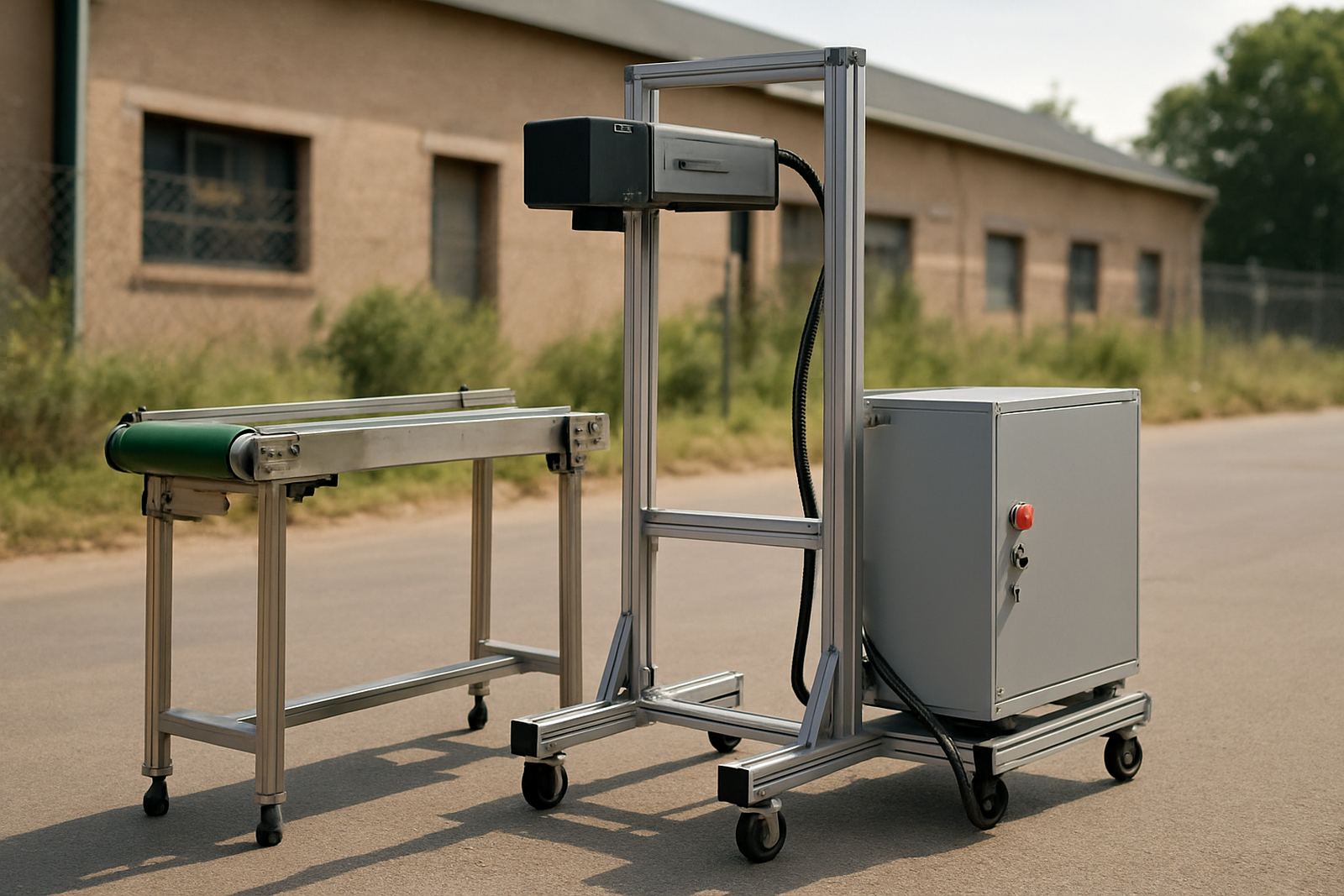
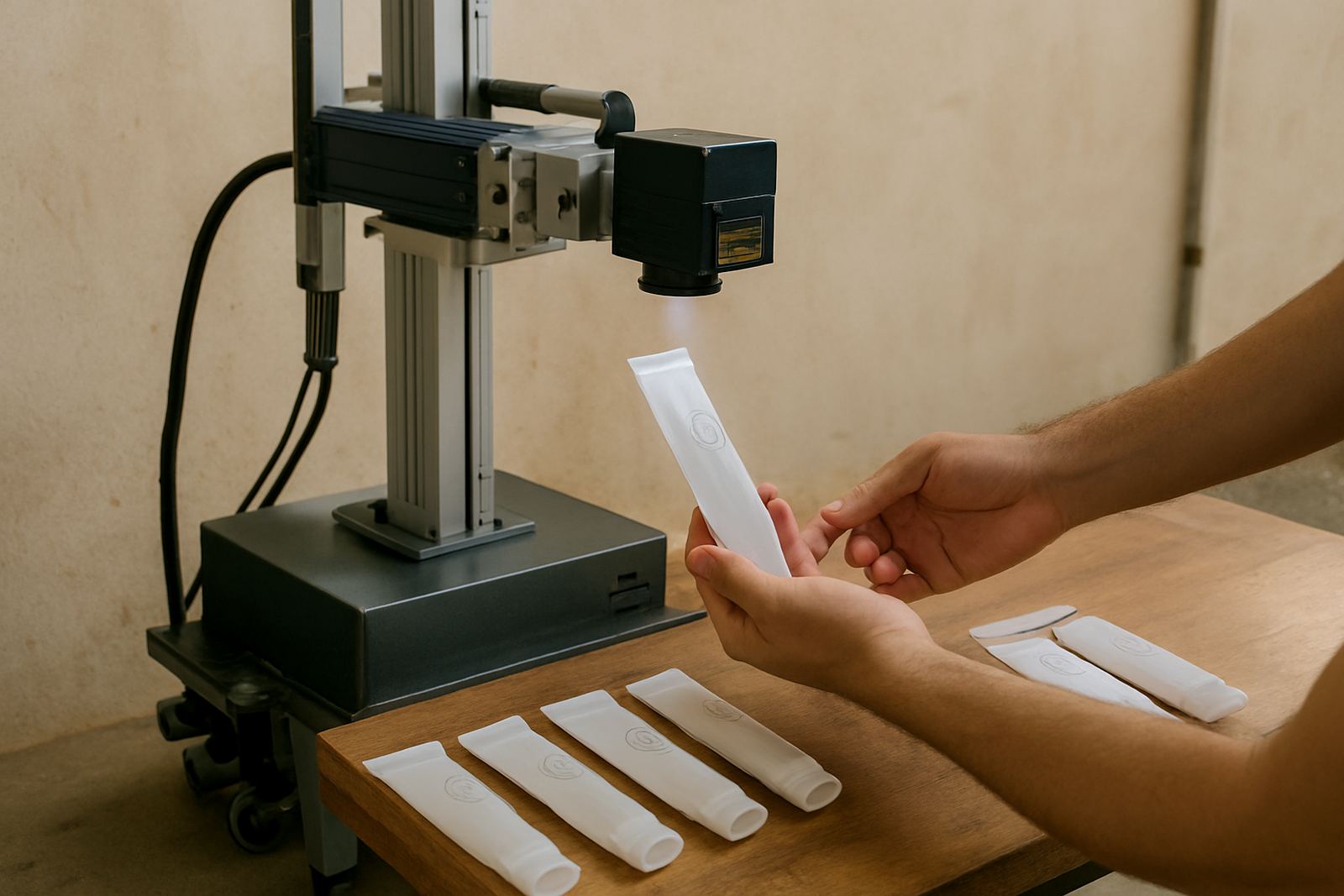
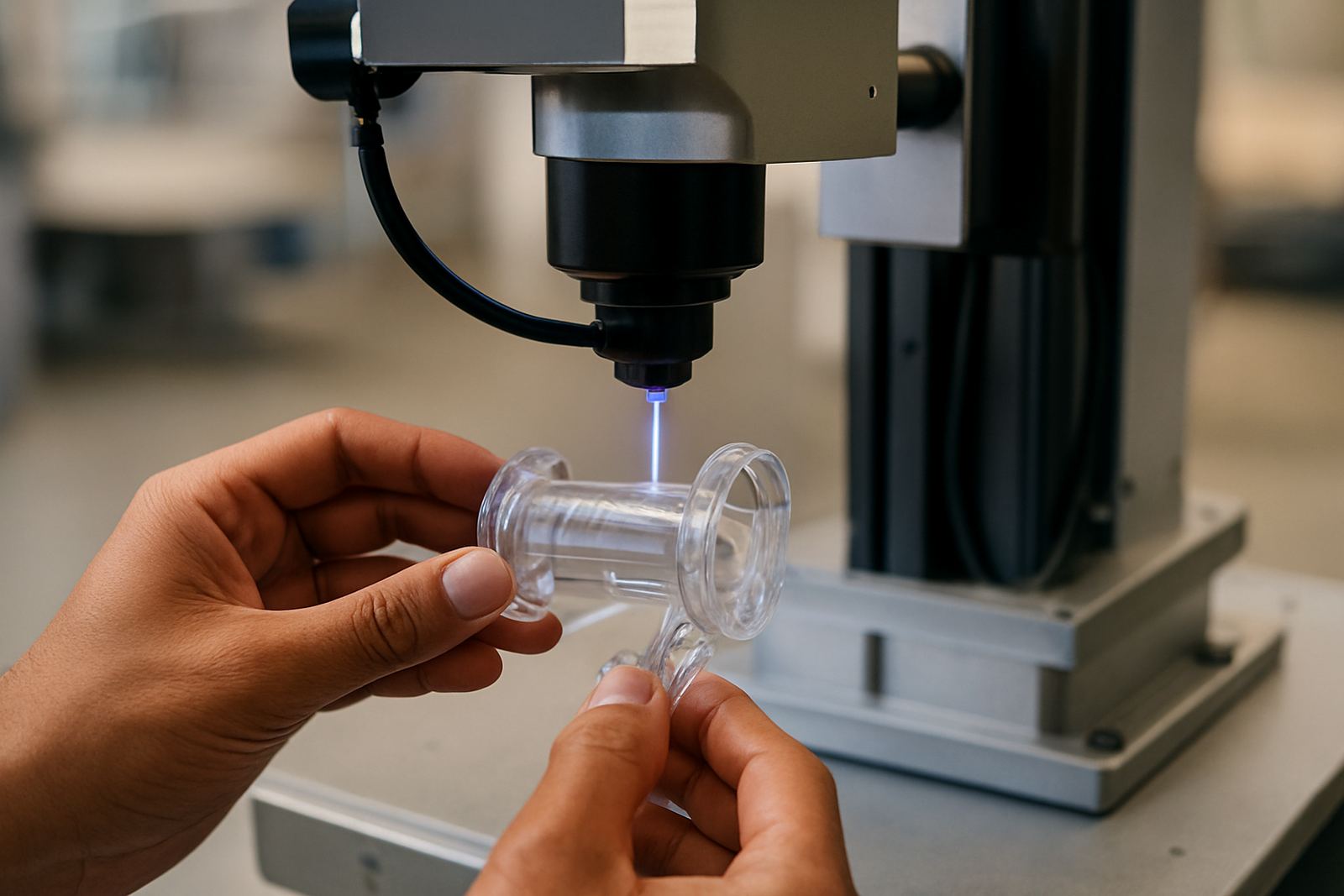
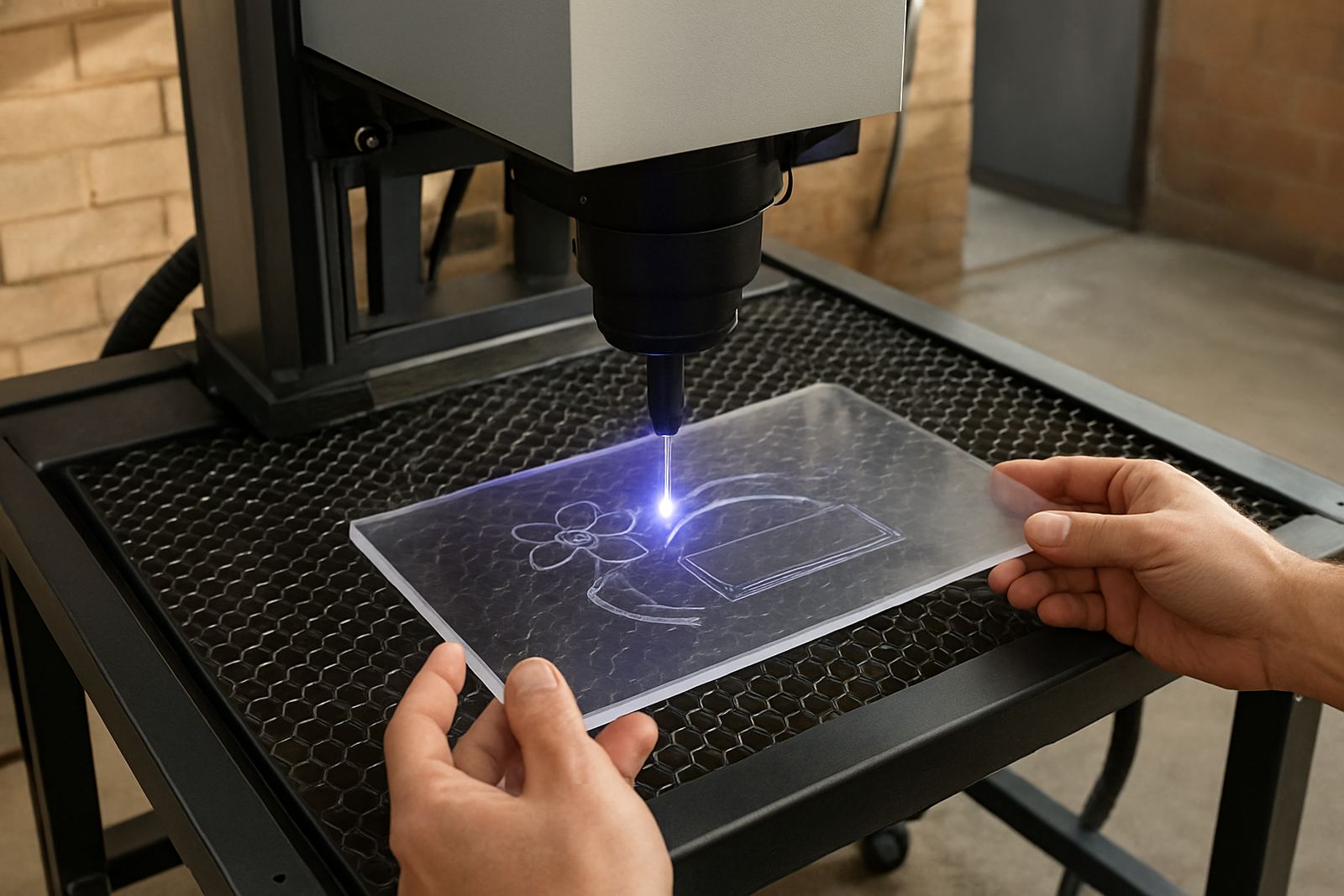
This machine gives you a fixed marking area for flat sheets and panels, so the part stays level while the laser does the work. It is used for permanent marks on items that must stay readable after handling, cleaning, packaging or outdoor use.
On production floors in Jet Park, Boksburg and nearby industrial areas, the flatbed format is a practical choice for glass fabricators, plastics converters, signage shops and contract manufacturers. It reduces manual handling, helps keep repeat jobs consistent, and is easier to manage when you need a clean mark on a large flat surface.
- Permanent marking on glass and plastic sheets
- Suitable for serial numbers, logos, barcodes and traceability codes
- Works well for short runs and repeated batches
- Helps reduce marking errors on awkwardly sized panels
Sizes and layout options for different panels
The flatbed platform can be specified to suit the sheet size you handle most often. Smaller systems are ideal for labels, inserts and cut components, while wider beds are better for door panels, glazed sections and larger plastic blanks.
For many South African sites, the best layout depends on the biggest part you want to mark, the thickness of the sheet and how the part is loaded by one person or two. If you are marking across different product lines, a wider bed with locating stops is usually easier to work with than a tight, purpose-built fixture.
- Working area sizes can be matched to the product range
- Adjustable supports help keep sheets flat during marking
- Optional locating stops improve repeat positioning
- Fixtures can be designed for odd shapes, cut-outs and multi-up loading
We can test sample pieces before installation so you can see how the mark reads on your actual material, not just on a generic offcut.
Where this machine suits best
This product suits businesses that need neat, durable marks on flat items without crushing, scratching or handling them too much. It is a strong fit for glass and plastics work where the surface must remain clean and the mark must stay visible after transport and use.
Typical uses include part identification for manufacturing, branding on display panels, batch coding for stock control and marking of components that move through warehousing, assembly or export packing. It also works well where a customer wants a clear technical mark rather than a printed label that can lift or fade.
- Glass panels, acrylic sheets and flat plastic parts
- Signage and display manufacturers
- Electrical, automotive and industrial component marking
- Jobbing shops needing mixed batch work and quick changeovers
Power, site setup and installation needs
The flatbed sheet marker is installed as a fixed machine and needs a suitable indoor space with a level floor, safe access and enough room for loading sheets. Most sites in Gauteng can run it from standard electrical supply, but the exact power requirement depends on the machine size and control package chosen.
Because marking quality is affected by heat, dust and vibration, the machine should be placed away from grinding areas and direct sunlight. In areas with load-shedding, clients often plan for backup power or a protected supply, especially when the machine forms part of a packed production line.
- Indoor installation on a level, stable surface
- Normal mains power with specification matched to the chosen unit
- No gas supply required for laser marking
- Space allowance needed for loading, unloading and maintenance access
Our team handles site demos, installation and operator handover in Ekurhuleni, Midrand, Pretoria and nationwide. If the machine needs to sit next to cutters, conveyors or loading tables, we can plan the footprint and cable routing with you before delivery.
Care, servicing and keeping the mark consistent
Regular care is simple but important. The bed should stay clean, the lenses and viewing areas must be kept free of dust, and the work area should not collect plastic debris or broken glass. A quick daily wipe-down goes a long way, especially in dusty industrial areas or where sheets are handled by hand.
Preventive maintenance helps keep the marking quality steady and reduces unexpected downtime. We support service visits, breakdown repairs, spare parts supply and software setup. If your operators change often, refresher training is useful so that settings dont drift and marks stay consistent from one shift to the next.
- Keep the marking area clean and dry
- Check fixtures, guides and stops for wear
- Book scheduled servicing before peak production periods
- Use the correct settings for each material and thickness
What to check before you place an order
Before ordering, gather a few key details so the machine matches your job exactly. We will want to know the sheet size, material type, thickness, daily volume and the kind of mark you need. If you are using the machine for traceability, it helps to know whether you need human-readable text, a code, a logo or all three.
It also helps to send sample parts for testing. That shows how the surface reacts and whether the chosen setup gives the contrast and clarity you want. For some plastics, the result is a clean light mark; for others, the mark may need a different speed or power setting to avoid heat distortion.
- Maximum sheet length, width and thickness
- Material type: glass, acrylic, polycarbonate or other plastic
- Mark content, including logos, codes and text size
- Daily throughput and batch size
- Need for fixtures, line integration or barcode reading
- Whether training, sample testing and spares support are required
Clients can reach us through the enquiry form on our contact page, and we can arrange demonstrations from Jet Park, Boksburg to Germiston, Kempton Park, Benoni, Alberton, Midrand and Pretoria.
Key facts
| Machine type | Flatbed laser marking system for sheet goods and flat components |
|---|---|
| Typical materials | Glass, acrylic, polycarbonate and other flat plastics |
| Working style | Stable bed marking with fixed part positioning |
| Common uses | Branding, labelling, batch coding and fine detail marks |
| Support available | Site demos, sample testing, installation, training and maintenance |
| Service area | Ekurhuleni and nationwide across South Africa |