Marking gift items without heat damage
The Gifting Item Marker is a UV laser marking solution made for delicate presentation items, promotional gifts and branded product sets. It works on many glass and plastic surfaces where you need crisp wording, small logos, serials or decorative patterns without the smudging, peeling or running that can happen with labels and inks. Because UV marking uses a short wavelength, it is suited to fine work on materials that can be sensitive to heat and that is a big advantage when you are handling packaging and premium items.
For businesses in Ekurhuleni, Gauteng and across South Africa, this matters when you are producing giftware for corporate packs, hospitality ranges, event handouts or retail displays. The mark sits directly on the item and stays readable through handling, cleaning and normal use. It is a practical choice for batches where presentation counts, and where each piece needs to look like it was made for the client, not taken off a shelf.
What it can mark on glass and plastics
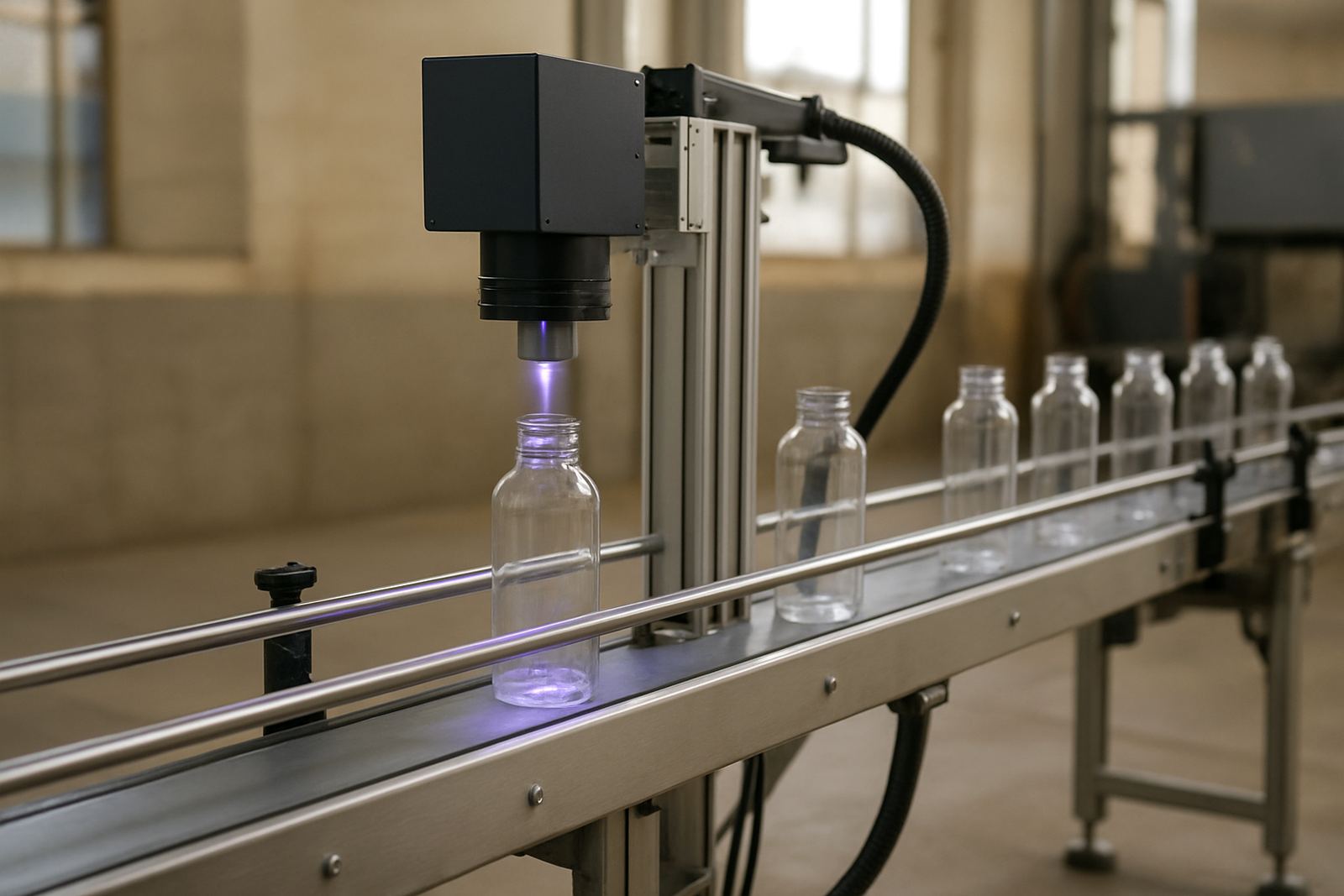
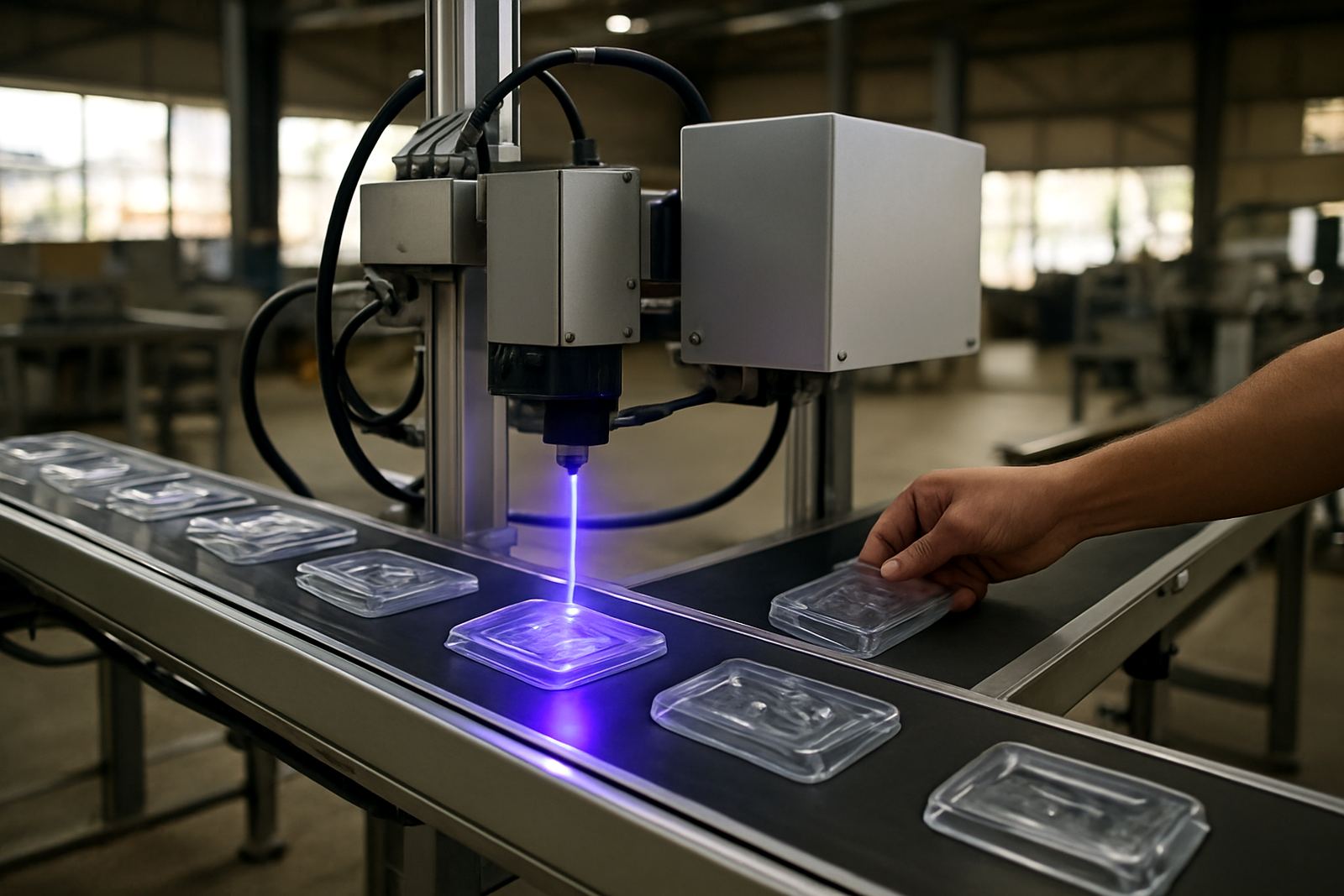
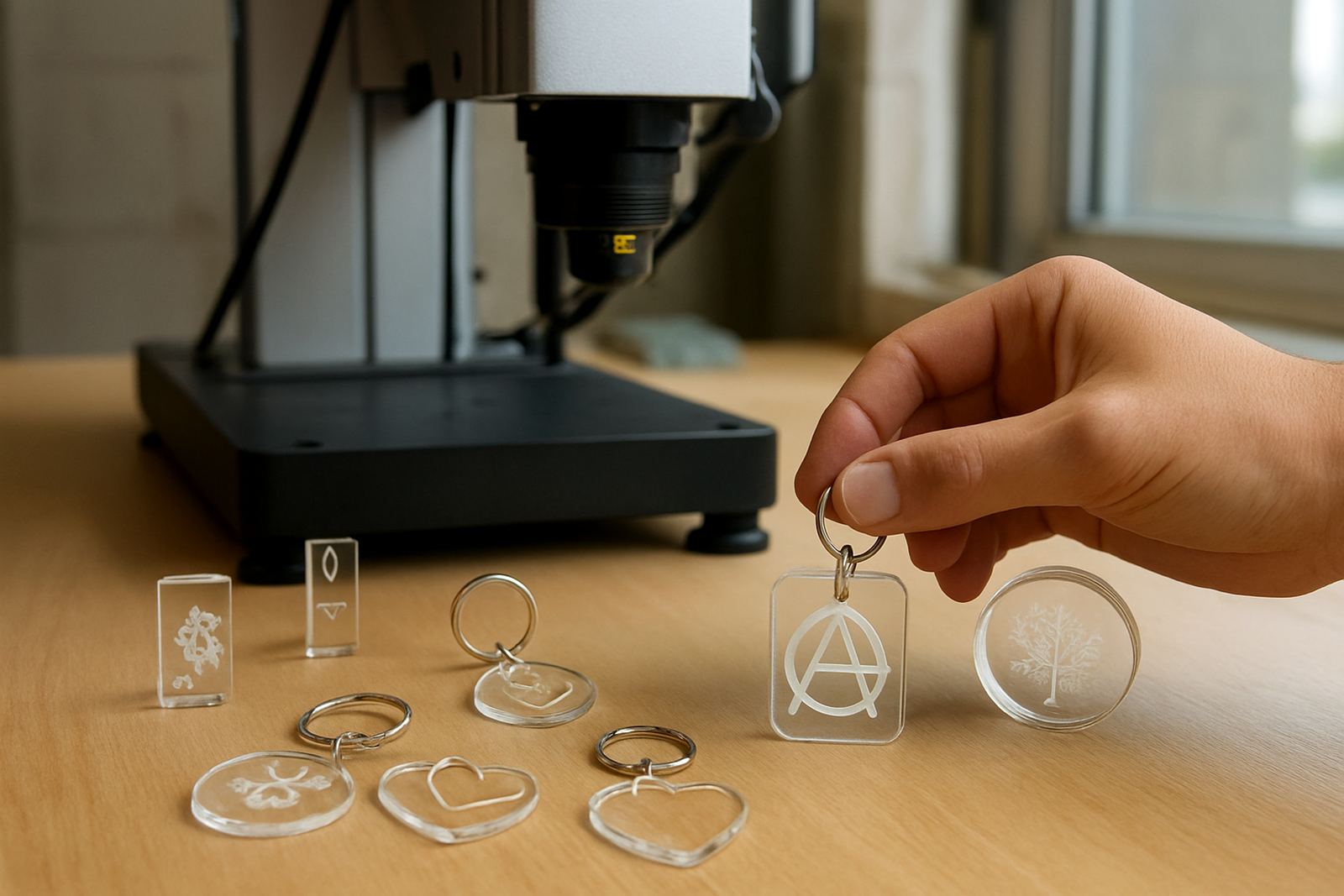
This unit is commonly used on clear and coloured glass, acrylic, polycarbonate, PET and other suitable plastics, subject to testing. It can produce text, logos, batch codes, artwork outlines, QR codes and small design details. The finish can be light and frosted on glass, or a clean contrast mark on plastics depending on the material, setting and fixture used. For gift items with curved surfaces, the right setup is important so the mark stays in line and does not distort.
- Drinkware such as glasses, tumblers and decanters
- Presentation jars, bottles and cosmetic packs
- Acrylic awards, display pieces and point-of-sale items
- Promotional giveaways in short or medium batches
For some plastics, a sample test is the safest way to confirm clarity, depth and contrast before full production. Different wall thicknesses, pigments and surface finishes can affect the final result, so we always recommend checking the exact item first.
Sizes, options and marking area choices
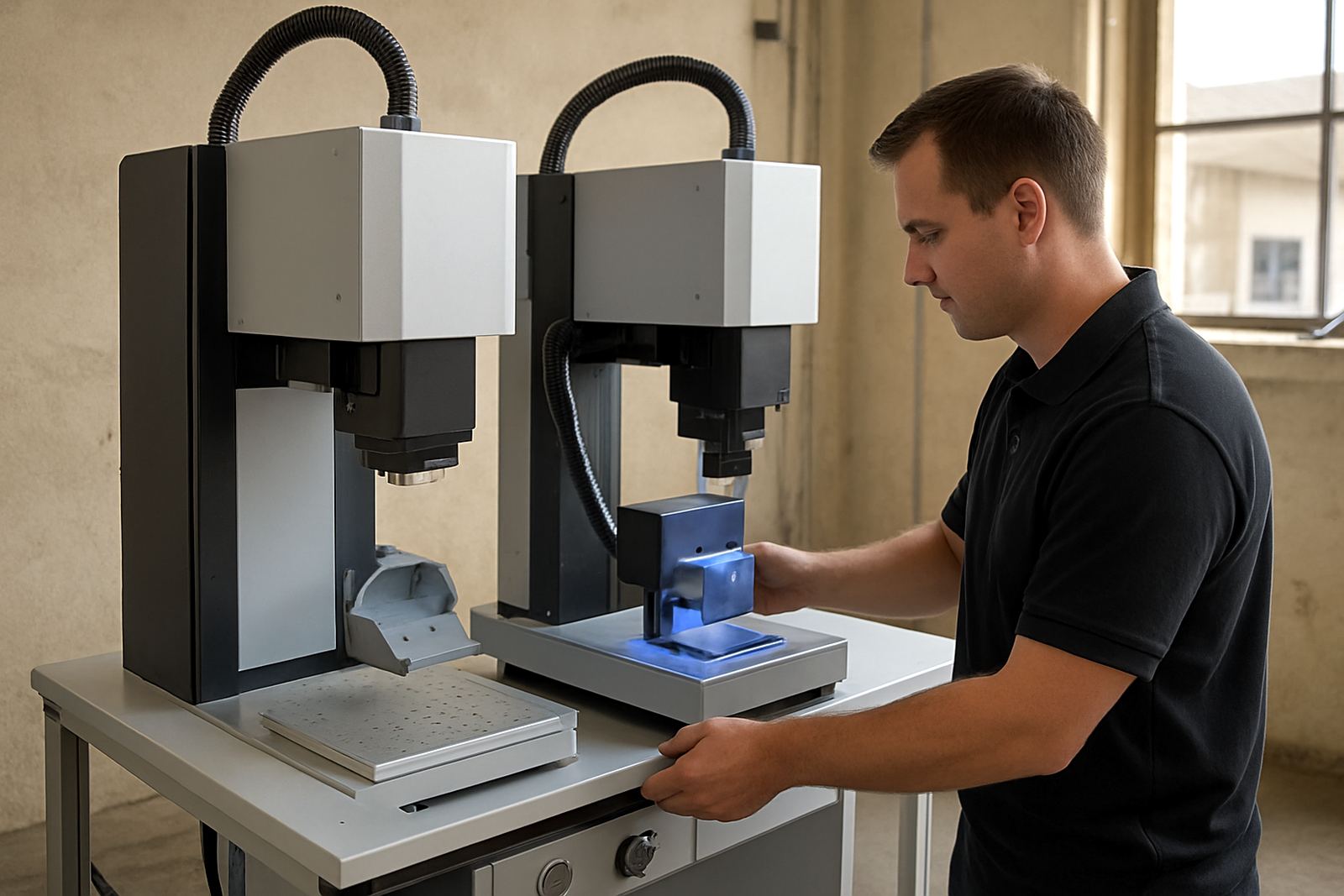
Gifting items come in many sizes, so the machine setup is normally matched to the item rather than the other way around. Small products need a compact marking field and fine beam control, while larger presentation pieces may need a wider area and a fixture that keeps the item steady. The marking head, table and enclosure options can be selected to suit the shapes you work with most often.
Typical options include different lens sizes, manual or motorised positioning, rotary support for cylindrical items and custom jigs for irregular pieces. If you are marking mixed product ranges, a flexible fixture design can save time between runs and reduce setup errors. For some jobs, a smaller field gives tighter detail; for others, a wider field is better for logos and longer wording. We help clients choose the correct configuration after sample testing and a look at the actual item.
- Compact bench setup for small gift items and short batches
- Rotary support for bottles, glasses and other round pieces
- Custom fixtures for uneven or fragile items
- Options for serials, QR codes and fine decorative marks
Where the Gifting Item Marker suits best
This machine suits promotional companies, packaging teams, gift manufacturers, trophy suppliers, hospitality businesses and labs that need permanent identification on presentation items. It is also useful for branded corporate gifts, boutique product runs and seasonal promotions where you need a neat finish on a limited quantity, not just a high-volume industrial mark. Because the mark is permanent, it helps with traceability as well as presentation.
In Jet Park, Boksburg and the wider East Rand, clients often use this type of system for branded glassware, event items and personalised presentation packs. It also works well for businesses in Germiston, Kempton Park, Benoni, Alberton, Midrand and Pretoria who want local support with demos, installs and training. Nationwide, it suits companies that need a dependable marking method for both daily production and occasional bespoke orders.
Installation, power and site readiness
The marking unit is installed as a precision workshop machine and needs a clean, stable area with enough room for the operator, the fixture and the items being loaded. A normal mains electrical supply is required, and it is wise to plan for load-shedding with the right backup power or scheduled production windows. Good lighting, dust control and a steady work surface help keep results consistent.
No gas supply is needed for the marking process itself. The main requirements are electrical power, a suitable workstation and enough space to move items safely in and out. If the machine is being placed near production lines, we can advise on line integration, operator flow and how to position the unit for practical use. On busy sites, a quick pre-install check can save a lot of time later on.
- Stable power supply with backup planning for outages
- Clean area with limited dust and vibration
- Space for fixtures, loading and finished items
- No marking gas required
Care, servicing and keeping marks consistent
UV laser systems need basic care to stay accurate. Regular cleaning of the marking area, lens checks and fixture inspection help protect quality. If the unit is used on glass items that may carry residue or condensation, keeping the work area dry is important, especially in coastal humidity or in busy packaging spaces where dust and moisture can build up. The machine should be serviced before small issues become production delays.
Our team assists with preventive maintenance, software setup, breakdown repairs and spare parts supply. If your mark starts to look uneven, it is worth checking the fixture alignment, item positioning and software settings before changing the whole process. For operators, proper training makes a major difference because small setup habits affect the finish on every piece. A well-trained team usually gets better repeatability and less waste.
What to confirm before you order
Before ordering, it helps to have the exact item samples on hand and a clear idea of the mark you want. You should confirm the material type, the size of the marking area, the quantity per batch and whether the item is flat, curved or fragile. If you need logos, serial numbers or variable data, share the artwork and a sample layout so the test can be matched to the final job.
It also helps to check production conditions such as power availability, shift times, operator skill level and whether the machine will sit in a factory, showroom or pack line. For clients who need ongoing support, we can assist with fixture design, process optimisation and training after installation. That way the machine is set up for the real work it will do, not just for the first sample. A proper sample run now saves rework later.
- Material type and surface finish
- Item shape, size and batch quantity
- Artwork, code format and required detail level
- Site power, space and operator workflow
Key facts
| Marking method | UV laser marking for glass and plastics |
|---|---|
| Suitable materials | Glass, acrylic, PET, polycarbonate and selected plastics |
| Common applications | Branded gifts, presentation packs, labels, codes and fine decorative marks |
| Setup options | Bench setup, rotary support, custom fixtures and line integration |
| Site support | Demos, installs, training, maintenance and breakdown repairs nationwide |
| Power needs | Standard mains electrical supply, no gas required |