Built for deeper loading and taller jigs
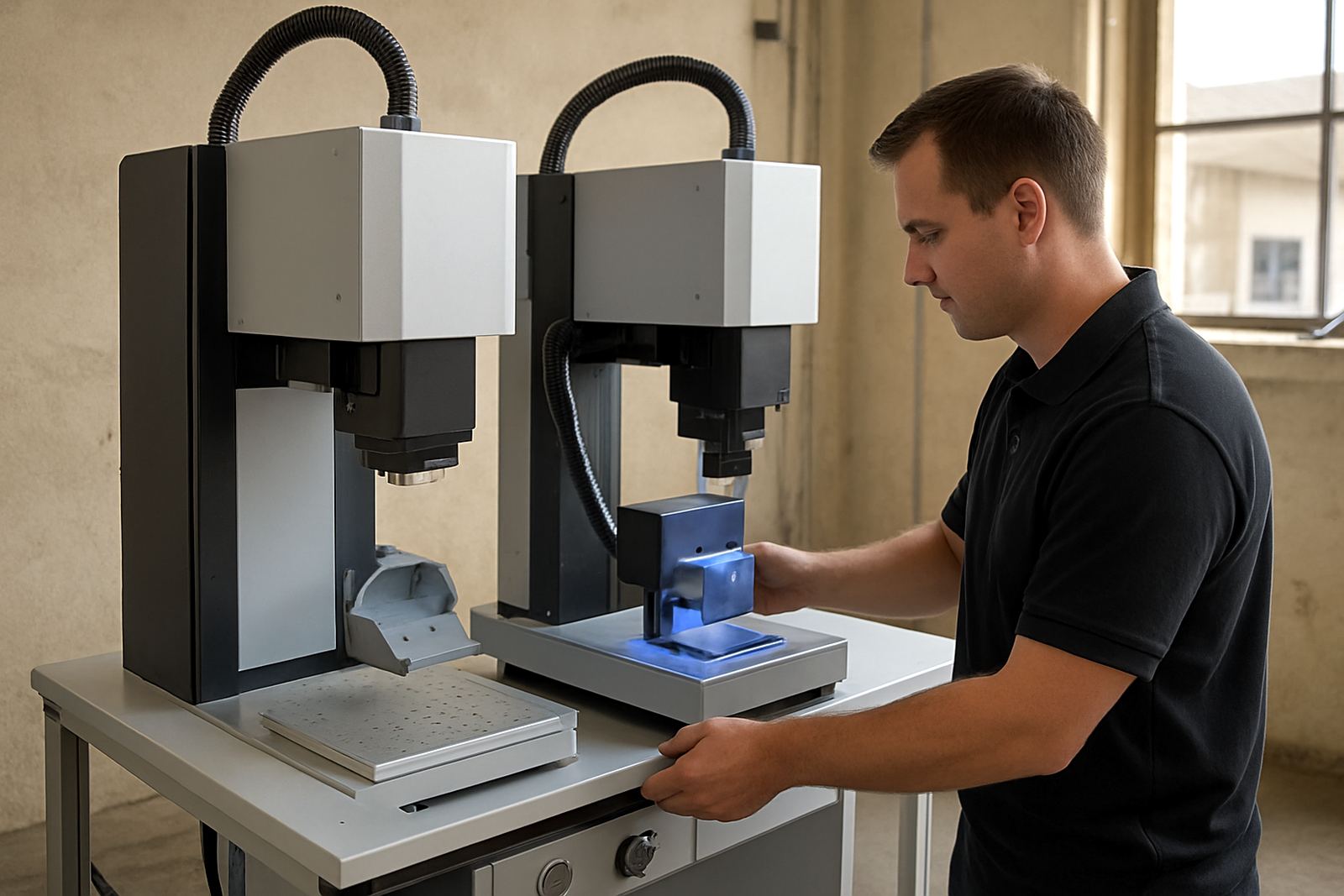
The Deep Fixture Marker is intended for production lines where the part sits below the normal loading height, or where the fixture itself is taller than standard. That extra working room makes it easier to position bottles, containers, panels, moulded parts and shaped components without forcing operators to reach awkwardly or tilt the item. It suits jobs where the marking point must stay accurate even though the part is deeper in the nest.
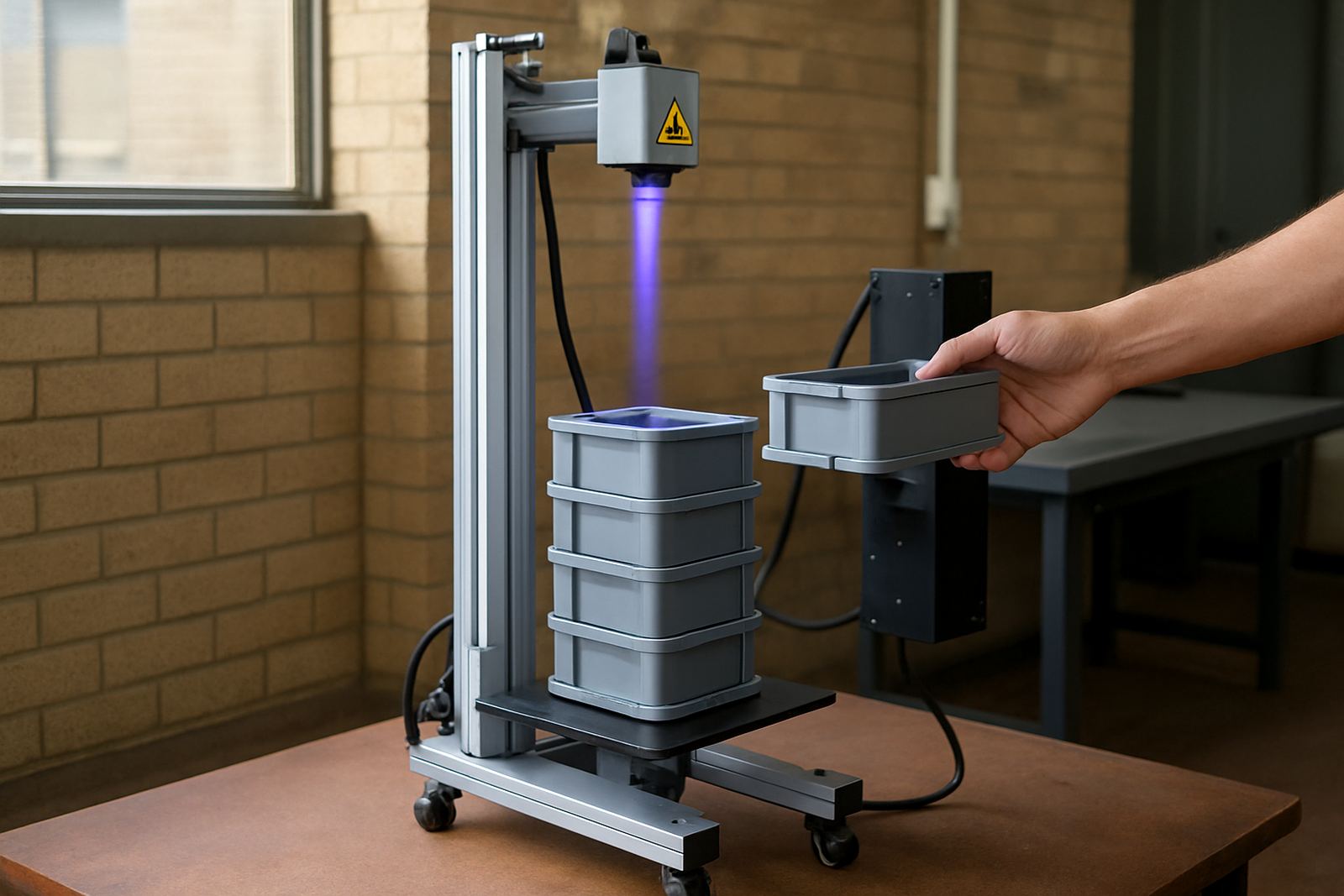
In many South African factories the challenge is not the mark itself, but access. Parts may be packed into trays, held in custom jigs, or loaded from one side because the line space is tight. This machine is specified to handle that practical reality. It gives you a stable marking position, better repeatability, and less fiddling at the loading point, which helps reduce mistakes on busy shifts.
What it marks and where it fits best
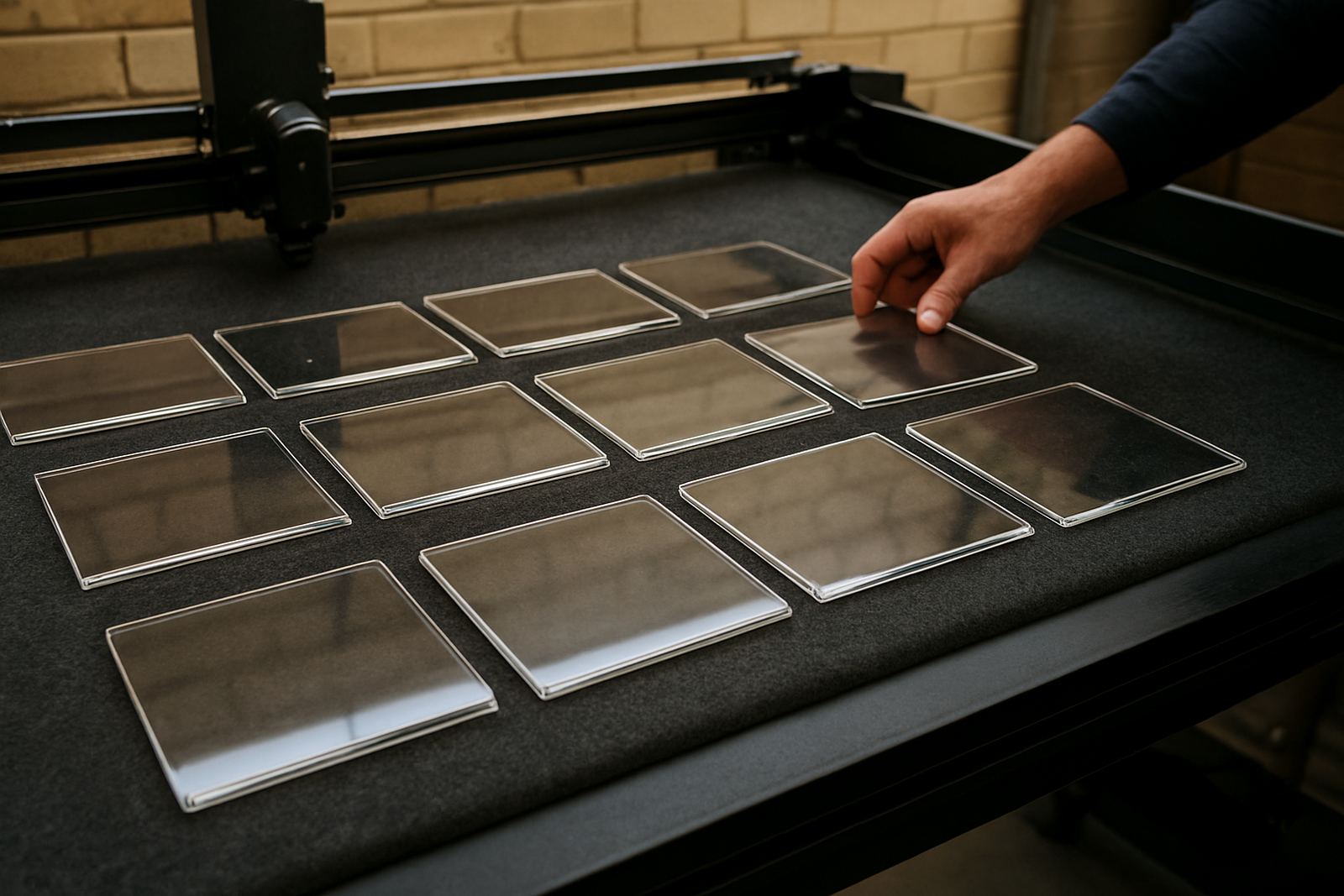
This system is suited to glass and plastic items that need permanent identification, traceability codes, brand marks, batch details or fine decorative work. Because UV laser marking creates a high contrast finish on many materials, it is often used where ink, labels or hot stamping do not give the same lasting result. It is a strong option for manufacturers that need neat marks on clear, coloured or semi opaque surfaces.
Typical applications include packaging components, personal care bottles, laboratory items, technical parts and moulded consumer products. It is also useful where the customer wants a mark that stays readable after cleaning, handling or exposure to moisture. On coastal sites, that durability matters. In humid areas around Durban or Gqeberha, for example, labels can lift and printed codes can fade, so a laser mark is often the better choice.
- Glass bottles and jars
- Plastic caps, closures and housings
- Clear, frosted or coloured surfaces
- Parts needing serial numbers or date codes
- Items that move through washdown or high handling areas
Sizes, working options and machine specs
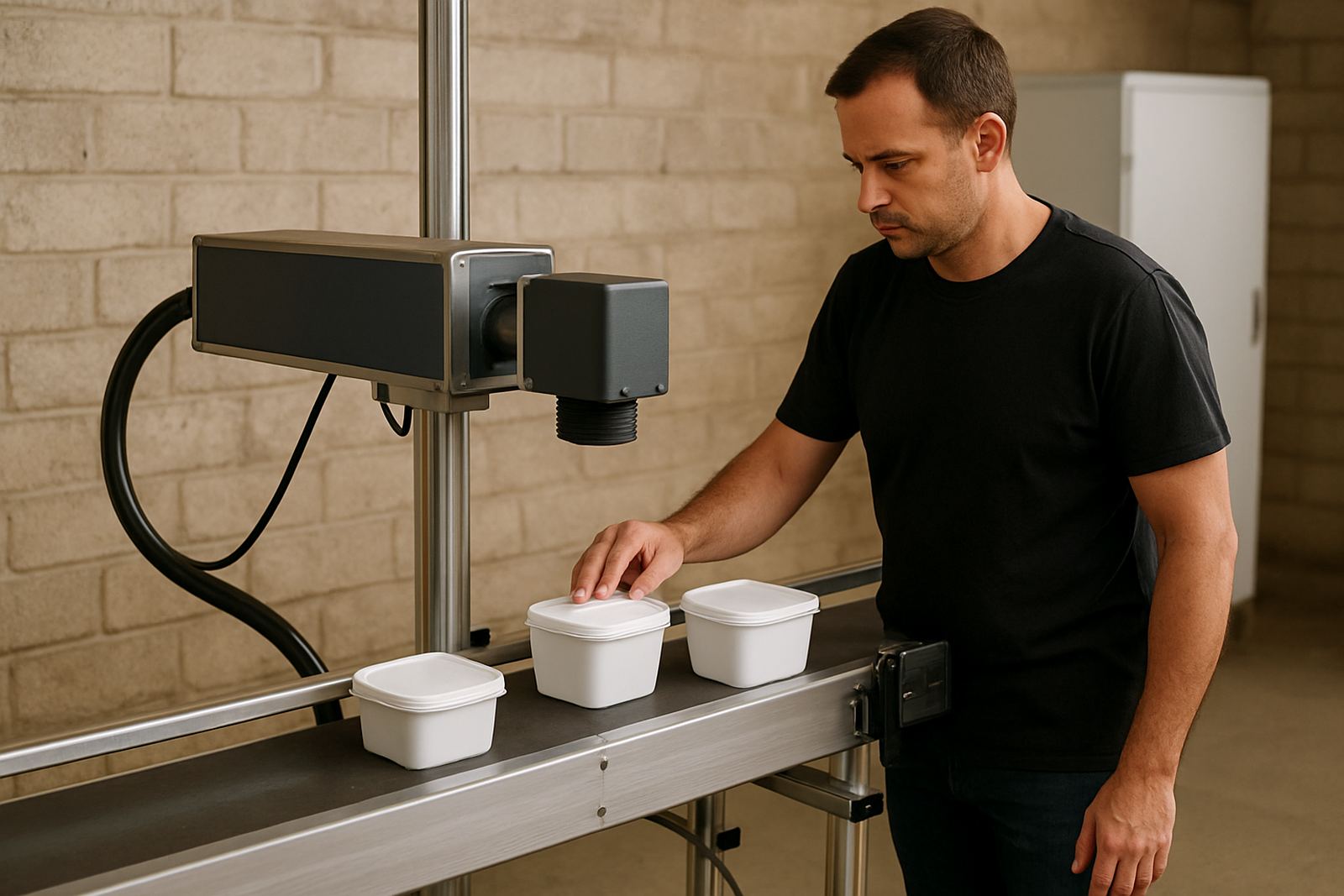
Deep Fixture Marker setups are usually matched to the part size, fixture depth and line speed on site. Depending on the application, the working area can be configured for small components or larger face areas, with the marking head positioned to reach deeper into the jig. We also look at the height of the loading point, the opening you need for the operator, and whether the part is loaded manually or by conveyor.
For many plants, the deciding factor is not only the mark size but how the machine fits into the line. A compact footprint helps in constrained rooms, while a wider gantry or deeper throat can help where fixtures are high. We can assist with sample testing before final sizing so you can confirm the mark quality and cycle timing. That saves time later and avoids rework.
- Marking source: UV laser for fine, permanent marking
- Suitable materials: glass and plastics
- Typical use: coding, branding, traceability and detail work
- Fixture approach: custom jigs for deeper loading positions
- Installation format: standalone or line integrated
- Support: sample testing, setup, operator training and maintenance
Installation, power and site requirements
We install and commission the Deep Fixture Marker at sites across Ekurhuleni, Gauteng and nationwide, including Jet Park, Boksburg, Germiston, Kempton Park, Benoni, Alberton, Midrand and Pretoria. Before installation we check the available floor space, access for the operator, the load-in and load-out height, and the position of any conveyors or guarding. If the machine is going into a live line, we also plan the sequence to limit downtime.
Power needs are normally straightforward, but the exact supply depends on the final configuration and line layout. We confirm the electrical requirements during quoting so your maintenance team can prepare the site properly. If the line has load-shedding exposure, we can discuss the practical steps needed for safe shutdown and restart. No gas supply is normally required for UV laser marking, which keeps the installation neater and simpler.
Where the mark needs to sit in a fixed position every time, we can design and fit jigs that suit the part shape and the operator flow. The better the fixture, the easier it is to keep the mark in the same place from shift to shift. Small differences in loading can affect the result, so fixture accuracy really matters.
Care, servicing and breakdown support
Like any production machine, the Deep Fixture Marker performs best when the optics, guarding and fixture surfaces are kept clean and checked regularly. Dust, plastic fines and general workshop dirt can affect the marking area if they build up over time. On glass and plastics, a clean part and a clean fixture usually make a visible difference, especially when you are working with fine codes or small logos.
Our team provides preventive maintenance, software setup, breakdown repairs, spares supply and process checks. We also help with operator training so your staff know how to load parts correctly, check the mark, and spot early signs of trouble. If the machine is used in a busy plant, planned servicing is often the better option than waiting for a stoppage. It is cheaper to catch a worn part early than to lose half a shift later, simple as that.
- Keep the marking zone free of dust and offcuts
- Inspect fixtures for wear, looseness and alignment
- Check cooling, cable routing and safety guards regularly
- Book service before peak production periods where possible
- Use trained operators for loading and daily checks
What to confirm before you order
Before ordering a Deep Fixture Marker, it helps to confirm the part size, material type, target mark area and how deep the part sits in the fixture. We also need to know whether the item is flat, curved or irregular, because that affects the jig design and the marking position. If the component is very reflective or very small, sample testing is the best way to confirm the result before you commit.
Please also check your line speed, daily volumes, operator access, and whether the machine must tie into an existing conveyor or safety system. If you need fixture design, line integration or process optimisation, we can work that into the scope from the start. Clear information up front makes the install smoother and helps avoid delays at handover. The more we know about the job, the better the fit for your plant.
- Part material and finish
- Part dimensions and loading depth
- Required mark size and content
- Daily output and cycle time target
- Need for fixtures, integration or training
- Site conditions such as dust, humidity and power stability
Key facts
| Product type | UV laser marker for deep fixture applications |
|---|---|
| Suitable materials | Glass and plastics |
| Primary use | Branding, labelling, codes and detailed permanent marks |
| Installation | Standalone or integrated into existing production lines |
| Support | Nationwide demos, installs, training and maintenance |
| Base location | Jet Park, Boksburg, with service across South Africa |