Compact UV marking for small parts
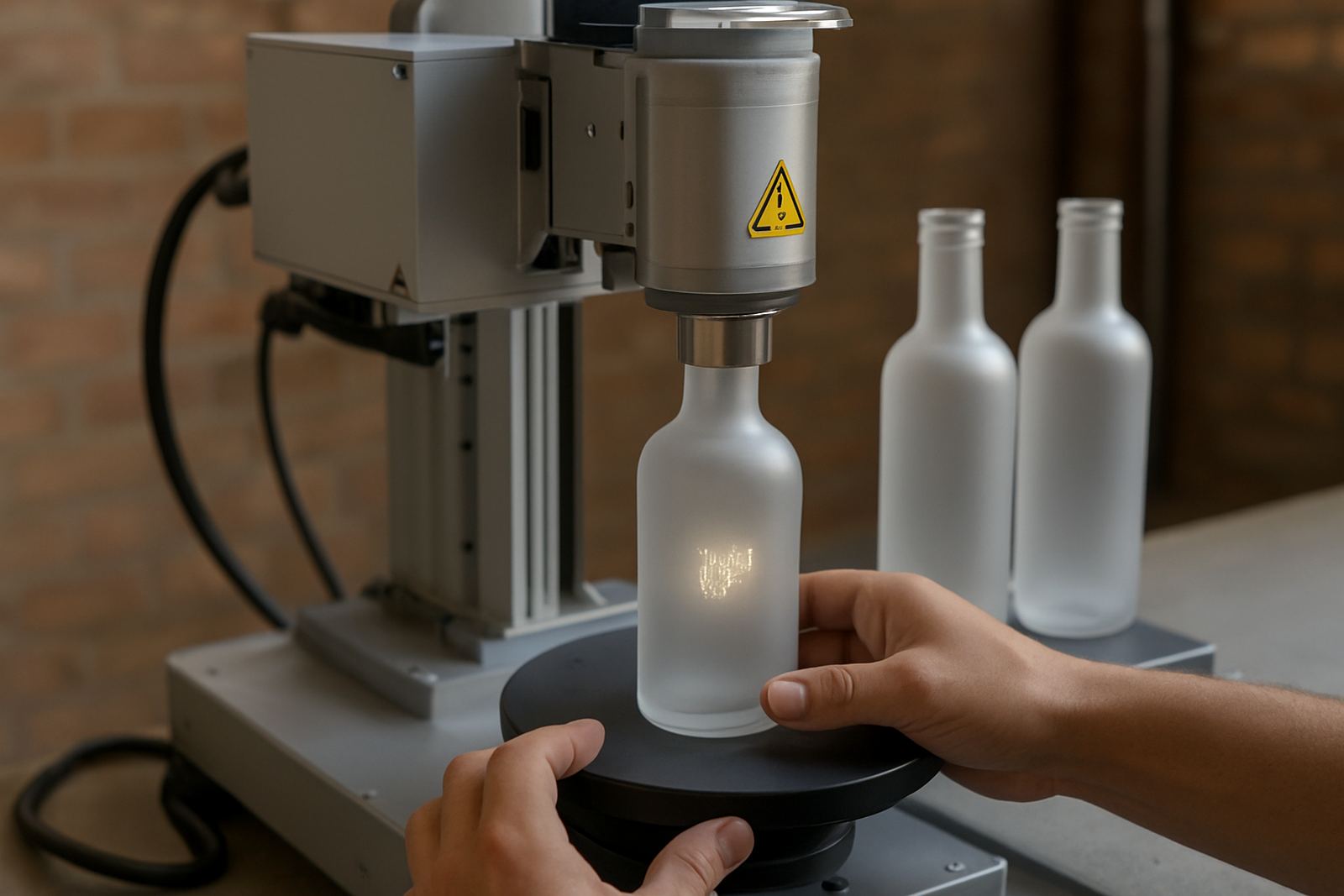
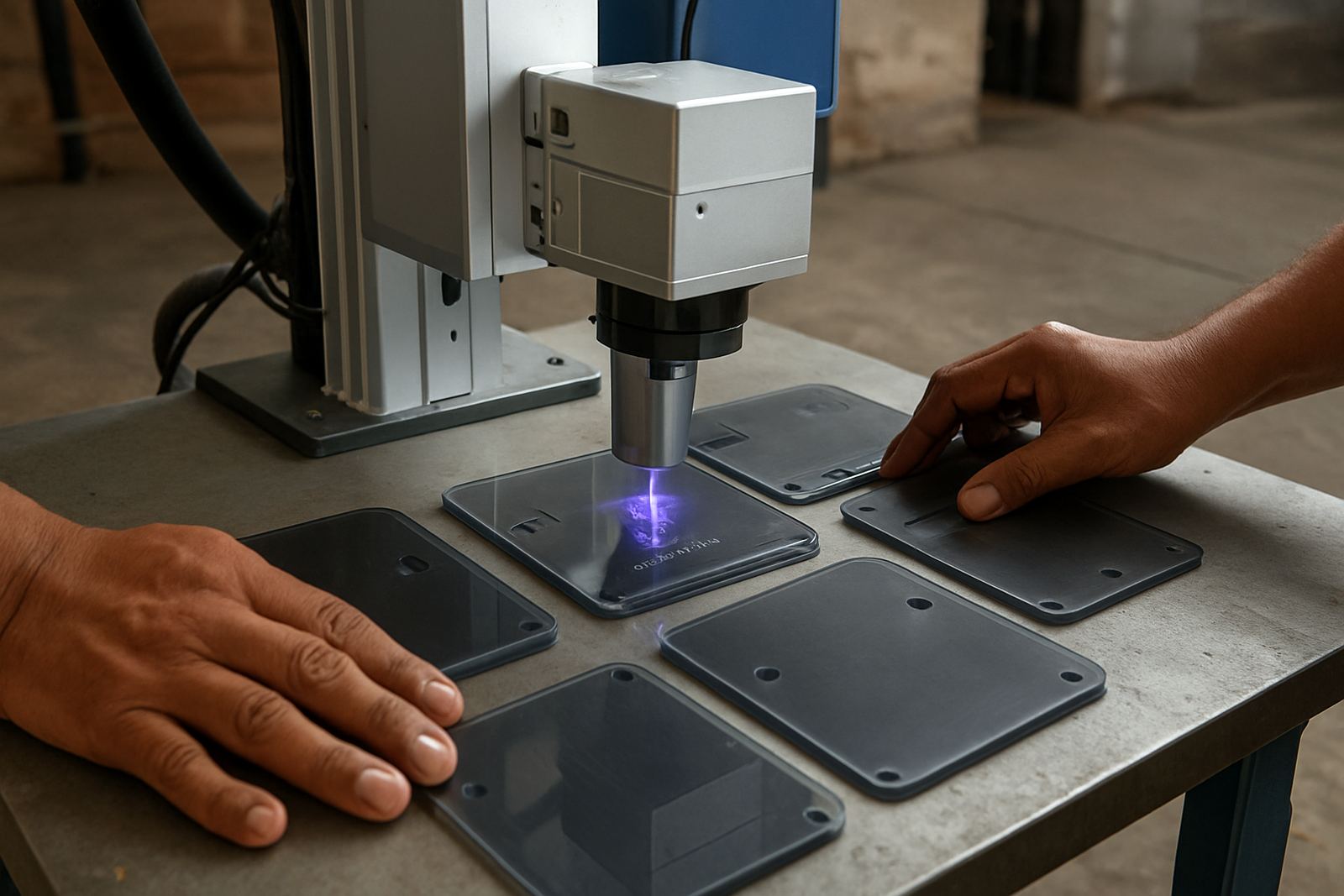
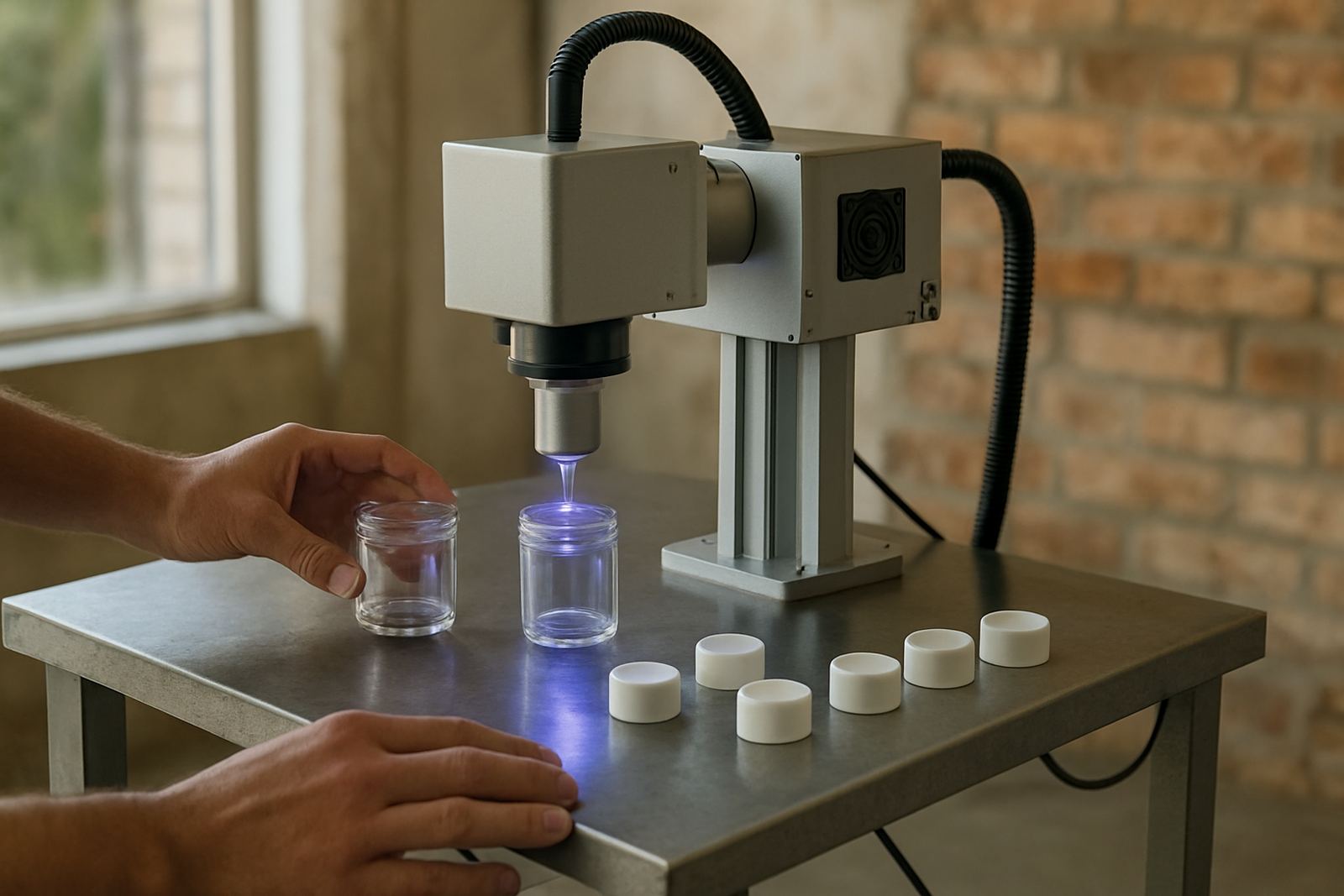
This benchtop UV marker is a compact laser system used to mark glass and plastic components with fine detail and very little material stress. The UV wavelength allows a colder marking process than many conventional systems, which is useful on thin, clear or brittle parts that can craze, crack or distort under heat. It is a practical choice for manufacturers that need neat product identification on items like bottles, vials, lids, caps, cosmetic packs, medical parts and technical plastic components.
Because the unit is designed for bench use, it fits into smaller production spaces and can be positioned near packing or inspection stations. It is often used where frequent changeovers are needed and the marking area is small, so operators can set up quickly and keep pace with short runs, sample batches or mixed product lines. In Jet Park and surrounding industrial areas, that kind of flexibility matters when floor space is tight and power interruptions can still affect a shift.
Marking sizes, options and useful configurations
Different production lines call for different working areas, so the benchtop UV marker is usually offered with a range of field sizes and table options. Smaller fields suit tiny components and tight text, while larger fields are better for wider labels, batch information or multi-line artwork. The machine can be specified with a manual or guided positioning table, and in some cases a rotary fixture for round parts like tubes, jars or bottles.
Most buyers also choose between basic coding and more detailed setup options depending on how much variation their products carry. If you need serial numbers, barcodes, QR codes, expiry dates or logo marks, the machine can be configured to suit the artwork and the line speed. For some factories, a simple benchtop setup is enough. Others may need a custom jig, vision alignment or a handoff point for batch marking. Refilwe and the applications team usually test samples first so the mark size, contrast and placement are sorted before delivery, not after.
- Working area options for small, medium and wider part marking
- Manual stage or custom fixture for repeatable part location
- Rotary attachment available for round containers and tubes
- Suitable for batch codes, logos, barcodes and fine text
Where this machine fits best
The benchtop UV marker suits factories and workshops that handle high-value or delicate items where appearance counts. It is well matched to packaging, personal care, laboratory consumables, electronics housings, engineering plastics and glassware. For companies in Germiston, Kempton Park, Benoni, Alberton, Midrand and Pretoria, it is often used where a clean mark is needed without ink, stickers or added drying time.
It also works well in environments where traceability is important. If a production batch needs a permanent date code, part number or supplier reference, UV marking gives a sharp result that stays legible through handling and normal use. In humid coastal conditions, or in storerooms where labels can lift, laser marking is often preferred because it is part of the material itself rather than sitting on top of it. That can reduce rework and save time during dispatch, which is useful when orders need to move out before transport cut-offs.
- Glass and clear plastic components
- Medical, cosmetic and lab packaging
- Product coding and traceability marking
- Short runs, sample batches and regular line changes
Power, setup and installation on site
This unit is usually installed on a stable bench or dedicated workstation with enough clearance for loading, unloading and safety access. It needs a clean, level surface and a controlled workspace so the beam path, focus height and part position stay consistent. Installation normally includes machine positioning, basic alignment, operator familiarisation and a test mark on the actual product or sample material. If the marking is going into a line, the setup can be adapted for upstream or downstream handling, with fixture design and line integration where needed.
Power requirements depend on the exact configuration, but the machine is generally suited to a standard industrial electrical supply with proper earthing. It does not normally require process gas for marking itself, which keeps daily running simpler than some other systems. That said, the surrounding workstation should still be protected from dust, vibration and unnecessary movement. If your site has load-shedding, the supply side should be planned with suitable backup or shutdown procedure so settings and product remain safe. Our team can help check the site before installation and sort the practical details.
Care, servicing and day-to-day use
A benchtop UV marker is straightforward to run, but it still benefits from routine care. The lens, focus area and work surface should be kept clean, and the fixture checked for wear if the same part is marked every day. Operators should confirm the focus height and marking position during start-up, especially after a change in product size or tooling. A small shift in set-up can affect readability, so regular checks save time later.
Preventive maintenance is worth planning in from the start. The service team can inspect optics, motion components, cabinet condition, cable routing and software settings, then pick up small issues before they become breakdowns. For sites in Ekurhuleni and beyond, this is particularly useful when production runs are tight and there is no room for repeat setting up. If a fault does happen, breakdown repairs and spares supply are available nationwide, with support for software setup, process optimisation and operator training. It helps to keep a clean record of settings, samples and the approved mark, because that makes future restarts much quicker.
- Clean optics and work surfaces regularly
- Check focus, clamps and fixture wear before each run
- Plan preventive maintenance rather than waiting for a fault
- Keep approved samples and settings on file for repeat jobs
What to confirm before you order
Before placing an order, it helps to confirm the material type, part size, mark area and the exact information you want on the product. We also need to know whether the job is for plain text, a logo, a code, a barcode or a combination of all four. If the parts are curved, glossy, fragile or very small, send a sample so the mark can be tested first. That avoids guesswork and makes sure the final result is suitable for your line.
You should also check the available bench space, supply voltage, earthing and whether the machine will run as a stand alone station or form part of a bigger process. If fixtures are needed, it is useful to know how the parts are loaded and how many pieces are marked per hour. For customers in Jet Park, Boksburg and nearby industrial areas, we often start with a site demo or sample testing at our base, then move to installation, training and ongoing support once the marking method is approved.
- Material type and part dimensions
- Required mark content and mark area
- Production rate and loading method
- Power supply, bench space and site conditions
Key facts
| Machine type | Benchtop UV laser marking system |
|---|---|
| Best for | Glass and plastic parts requiring fine permanent marks |
| Typical mark content | Text, logos, serial numbers, barcodes and QR codes |
| Working area options | Small to medium field sizes, subject to configuration |
| Utilities | Standard industrial electrical supply, no process gas required for marking |
| Support | Site demos, sample testing, installation, training and nationwide servicing |