What a benchtop marker rental includes
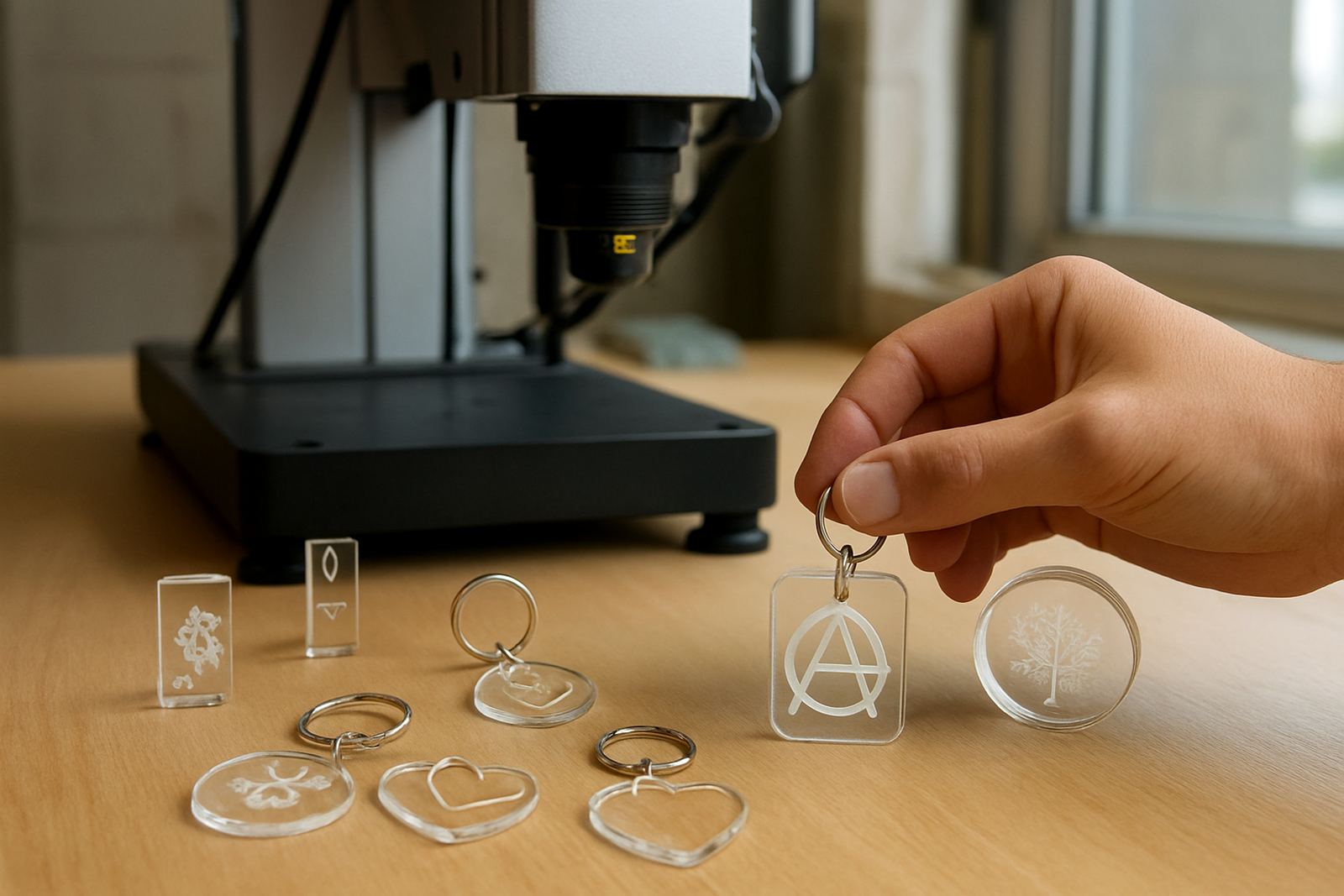
A benchtop marker is a compact UV laser marking unit set up on a worktable or a small production line. It is suited to permanent marking on glass, clear plastics, white plastics, coated items and other sensitive surfaces where low heat and fine detail matter. For short-term use, hiring lets you test the process before buying, meet a tender requirement, or handle a sudden rush of work without delaying delivery.
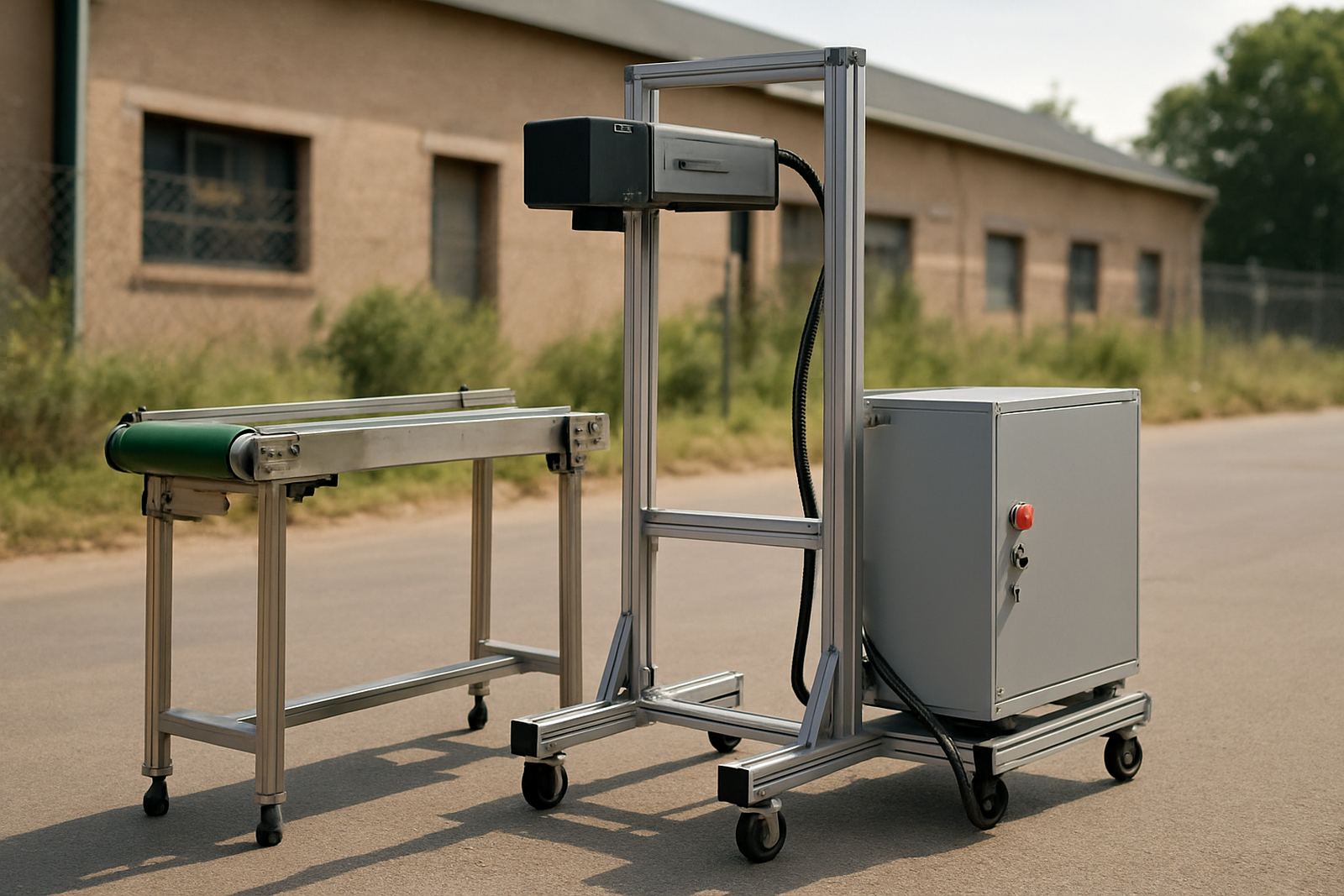
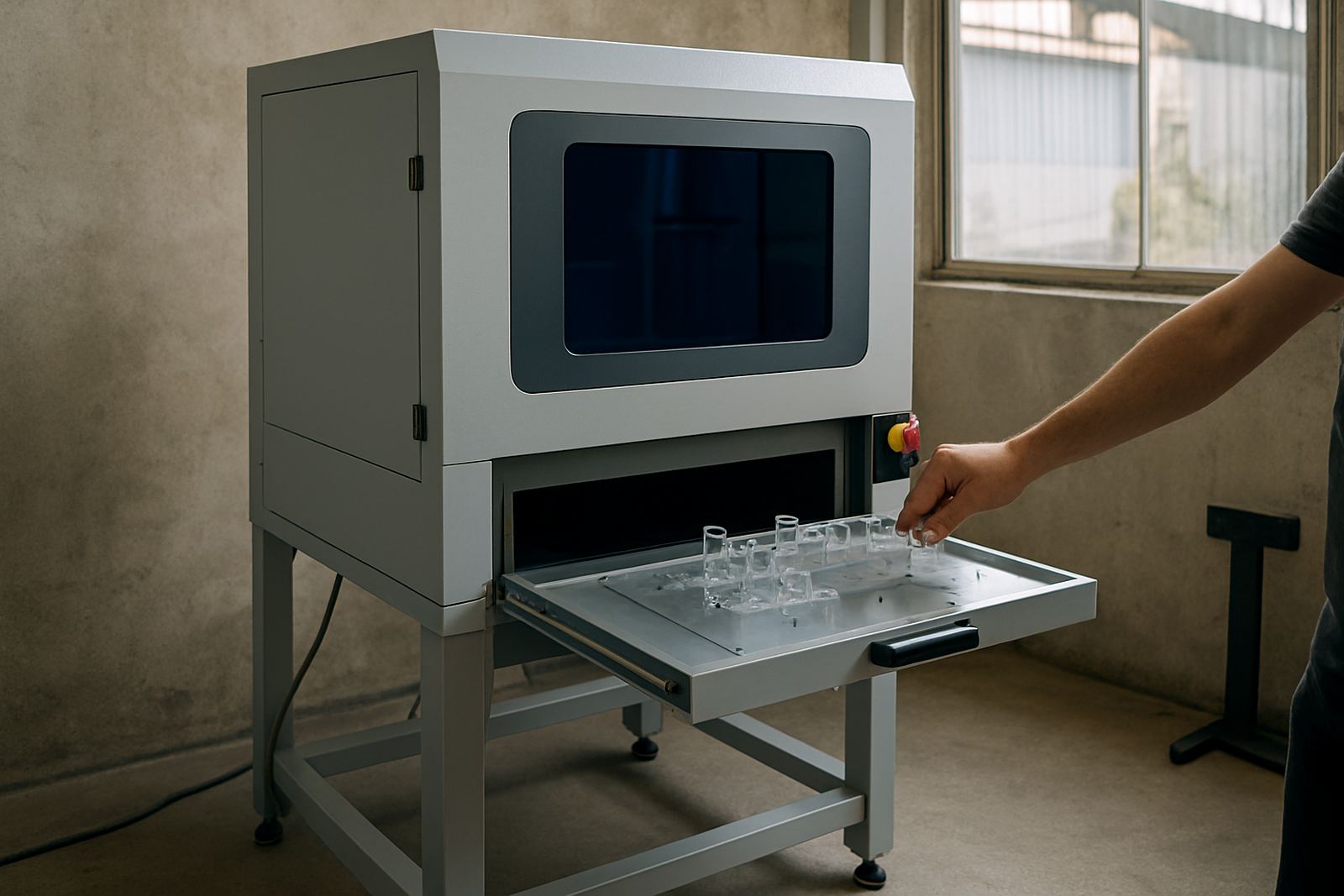
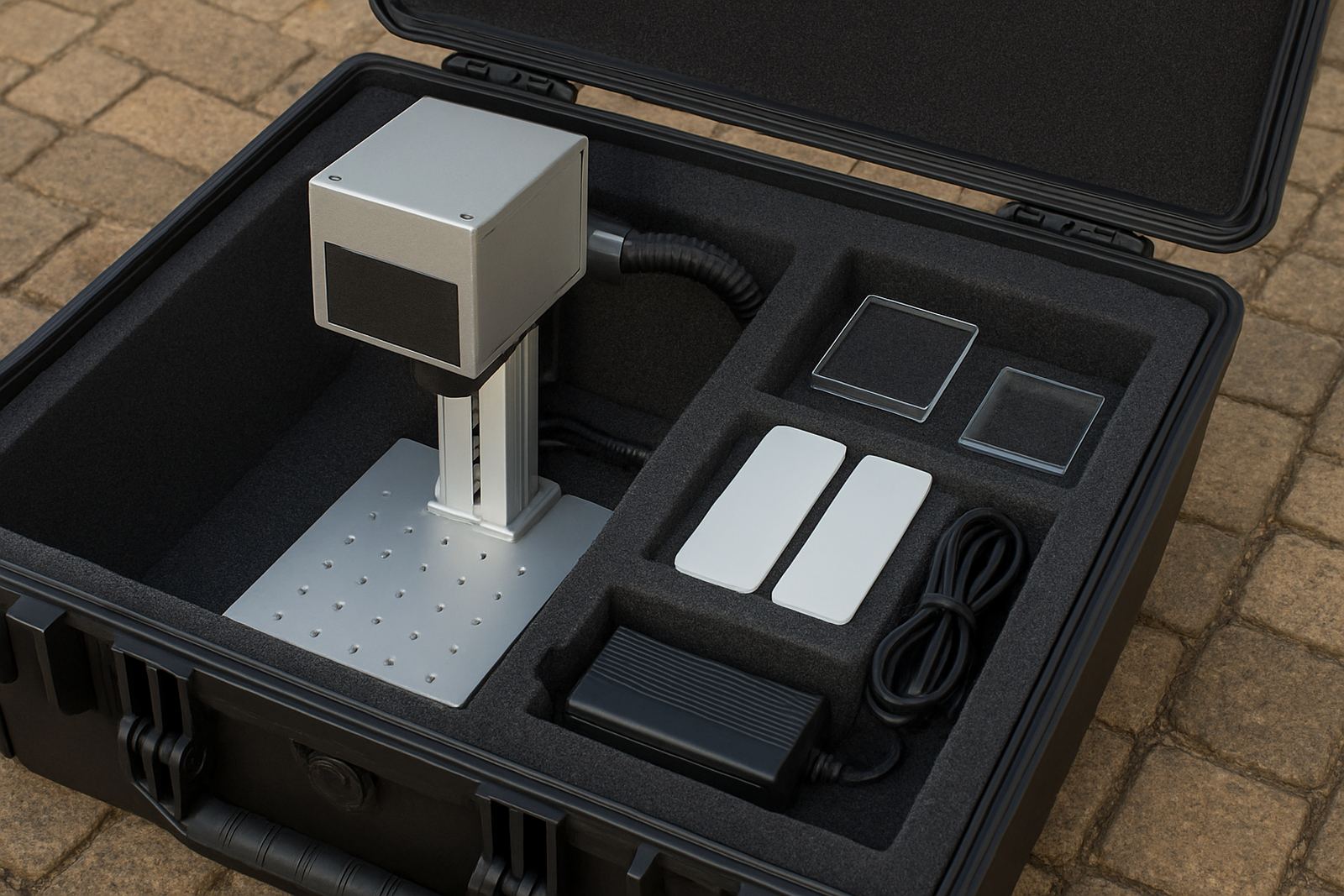
These units are supplied as practical working systems, not just a machine in a box. Depending on your application, the hire package can include the marker head, control unit, workstation frame, safety enclosure, basic software setup and operator handover. If your parts vary in size or shape, fixture design can be added so the job loads repeatably and the marking position stays consistent.
- Suitable for serial numbers, batch codes, logos and fine text
- Works well on flat parts, bottles, jars, lids and moulded items
- Useful for glassware, packaging components and technical plastics
- Compact enough for a bench in a workshop, lab or packing area
Where short-term hire makes sense
Short-term hire is a practical choice when the job is temporary, the order book is uncertain, or you only need the equipment for a defined period. It is also useful where customer samples must be approved before a full purchase, or when a municipal, export or retail contract requires permanent marking before release.
In South Africa, this often suits businesses working around load-shedding, seasonal spikes and changing order volumes. A benchtop marker can be brought in for an event run, a pilot batch, a new product launch or a replacement while another unit is being serviced. It can also help when you want to test whether your product marks cleanly before committing to a larger machine, as some plastics and glass finishes behave differently.
- Pilot production and sample approval
- Tender work with short lead times
- Temporary capacity for busy seasons
- Back-up cover during repairs or upgrades
- Training runs before full-scale rollout
Size, layout and marking options to compare
Benchtop markers are available in different work envelopes and frame layouts, so the right choice depends on the part size and how you feed product into the machine. A small unit may be enough for sample vials, labels and cosmetic items, while a larger working area is better for trays, containers, signage parts or longer component names.
When ordering, check the marking field, the available Z-height, and whether your items need manual loading or a rotating fixture. If you are marking round bottles or jars, you may need a simple jig to keep the marking face stable. For flat components, a basic platform can be enough. The goal is to keep the laser focus steady and the mark crisp from the first item to the last.
- Typical marking field options: 70 x 70 mm, 110 x 110 mm, 150 x 150 mm and larger on request
- Common working table sizes: compact bench units for small parts or wider frames for mixed batches
- Optional rotary fixture for cylindrical items
- Software file handling for text, serials, QR codes and simple graphics
Installation, power and site requirements
Most benchtop hire setups are straightforward to install, but the site still needs a proper check before the machine arrives. The equipment generally runs on standard single-phase power, with a stable supply and a suitable plug point. If your site has frequent outages or voltage swings, it is worth planning for backup power and surge protection so the machine and control unit stay safe.
A clean, dry area is best, especially in coastal humidity or dusty industrial spaces. The unit should sit on a level work surface with enough room for loading, access to the control side and any guarding or extraction equipment. If the application creates any fumes, a suitable extraction solution must be used. For some materials, you may also need a filtered enclosure or a simple air management setup, depending on the site layout and the marking job.
- Single-phase power is usually sufficient for hire units
- Allow enough bench space for operator access and part loading
- Keep the area dry, clean and free of vibration
- Plan for extraction if the material gives off fumes or dust
- Check backup power if your site is affected by load-shedding
Care, servicing and breakdown cover during the hire period
A hired machine still needs sensible daily care, especially if you are running long shifts or training new operators. The lens area must stay clean, the worktable should be kept free of dust and the machine should not be moved around while in use. If the setup includes fixtures, these should be checked for wear so parts remain aligned. Small issues caught early are easier to handle than a full stoppage later.
Support during hire can include preventive maintenance, software checks, operator refresher training and breakdown repairs if something goes wrong. For production sites in Jet Park, Boksburg and surrounding Ekurhuleni areas, on-site assistance can often be arranged quickly. For out-of-town work, support is coordinated around the job and the agreed hire term. The aim is to keep the machine marking properly without unnecessary downtime.
- Daily lens and surface cleaning
- Check fixtures and clamps for wear
- Keep the control area dust-free
- Use the correct file settings for each product
- Schedule maintenance if the hire runs for several weeks or longer
What to confirm before you place the order
Before hiring, confirm what exactly must be marked, how many items you need to process, and what finish is required. Glass and plastics can react differently, so the sample test is important. A mark that looks perfect on one material may need a different setting on another, especially where surface colour, additives or shape change the result.
It also helps to confirm the hire period, delivery point and whether training is needed on site. If the job is for a tender or a pilot run, make sure the marking file, sequence and coding format are agreed before the machine starts. Ask about spares supply, software setup and whether a fixture or small process change is needed to keep the mark in the right place. That way the hire period is used well, and not spent sorting out avoidable issues.
- Product material and surface finish
- Required mark size, text and code format
- Daily quantity and shift pattern
- Delivery site and power availability
- Need for samples, training or fixture design