Why this Fourways packaging line needed tighter marking control
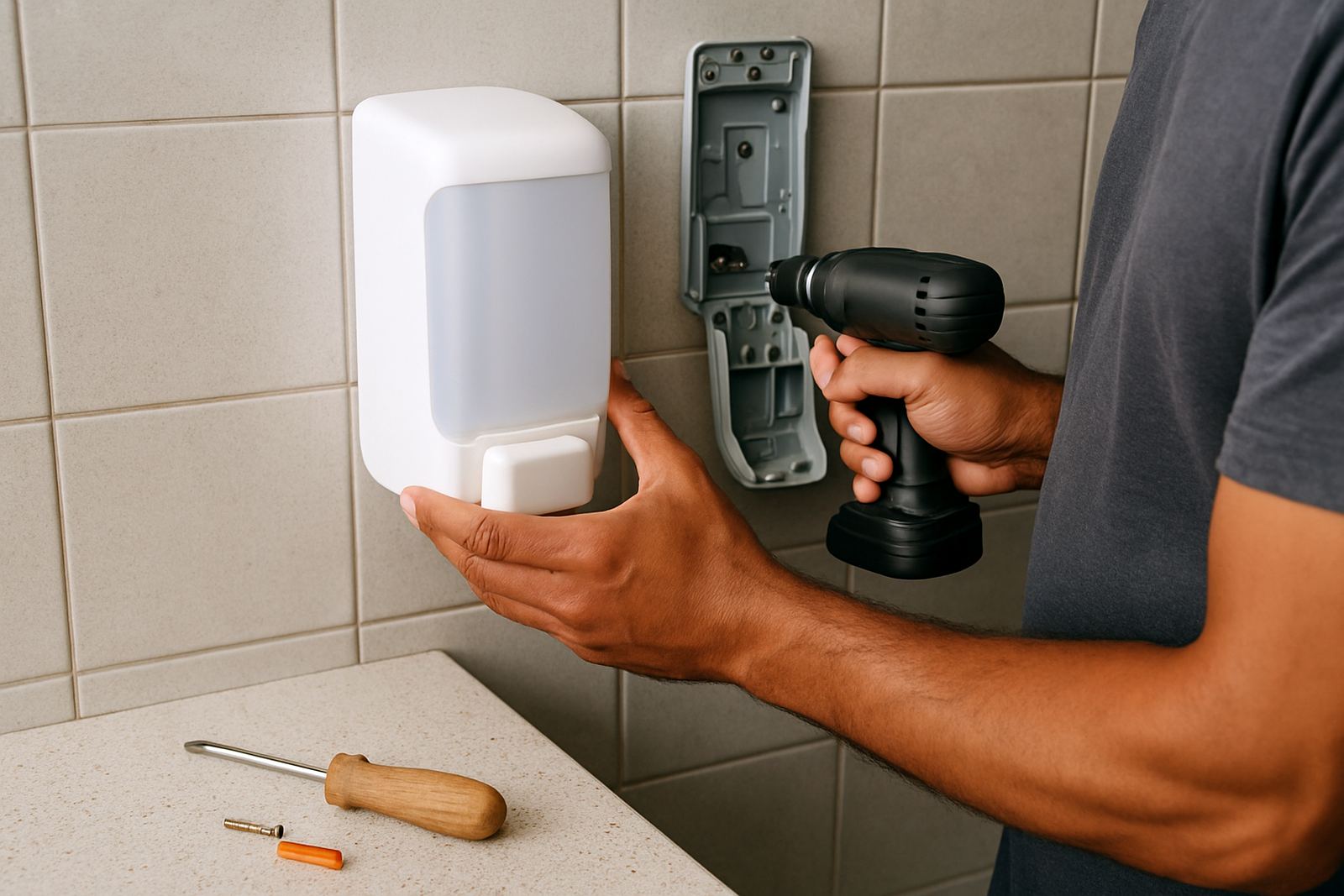
The client was a dispenser packaging operation in Fourways working with mixed production runs and short customer lead times. Their biggest issue was not the marking itself but consistency: every bottle or container had to carry the logo in the same position, with clear registration across batches. On a busy line, a small shift in part position was enough to cause rejects, rework and extra handling.
The brief was straightforward. They wanted a marking system that could handle branded plastic dispensers, keep placement accurate, and fit into a production area where line speed could change from one order to the next. The site also needed a setup that staff could learn quickly, because shifts rotated and the team could not afford a long stop while everyone figured out the machine.
- Product type: plastic dispenser packaging
- Marking requirement: repeatable logo placement
- Site location: Fourways, Gauteng
- Production style: mixed runs and frequent changeovers
The constraints on the job and what had to be managed
Packaging environments bring a few practical constraints. Parts do not always sit perfectly in the same position, labels can shift, and some plastics react better than others to marking energy and focus. In this case we also had to work around normal factory pressure: keep the line moving, avoid unnecessary scrap, and make sure the system could cope with day to day use without constant adjustment.
Because the site was running a commercial packaging schedule, downtime had to be kept tight. The installation window was planned in weeks, not months, and the equipment had to be set up with enough flexibility for future product variations. We also kept an eye on power stability and plant housekeeping, since load-shedding and dust can affect production equipment if the install is not planned properly.
Another point was operator confidence. A marking system only works well if the team trusts it, so the layout had to be logical and the camera alignment easy to understand. No one wanted a complicated process that only one person could run.
- Variable part position across runs
- Need to reduce reject rates and rework
- Tight production schedule
- Operator friendly setup required
What we supplied and how the alignment system was configured
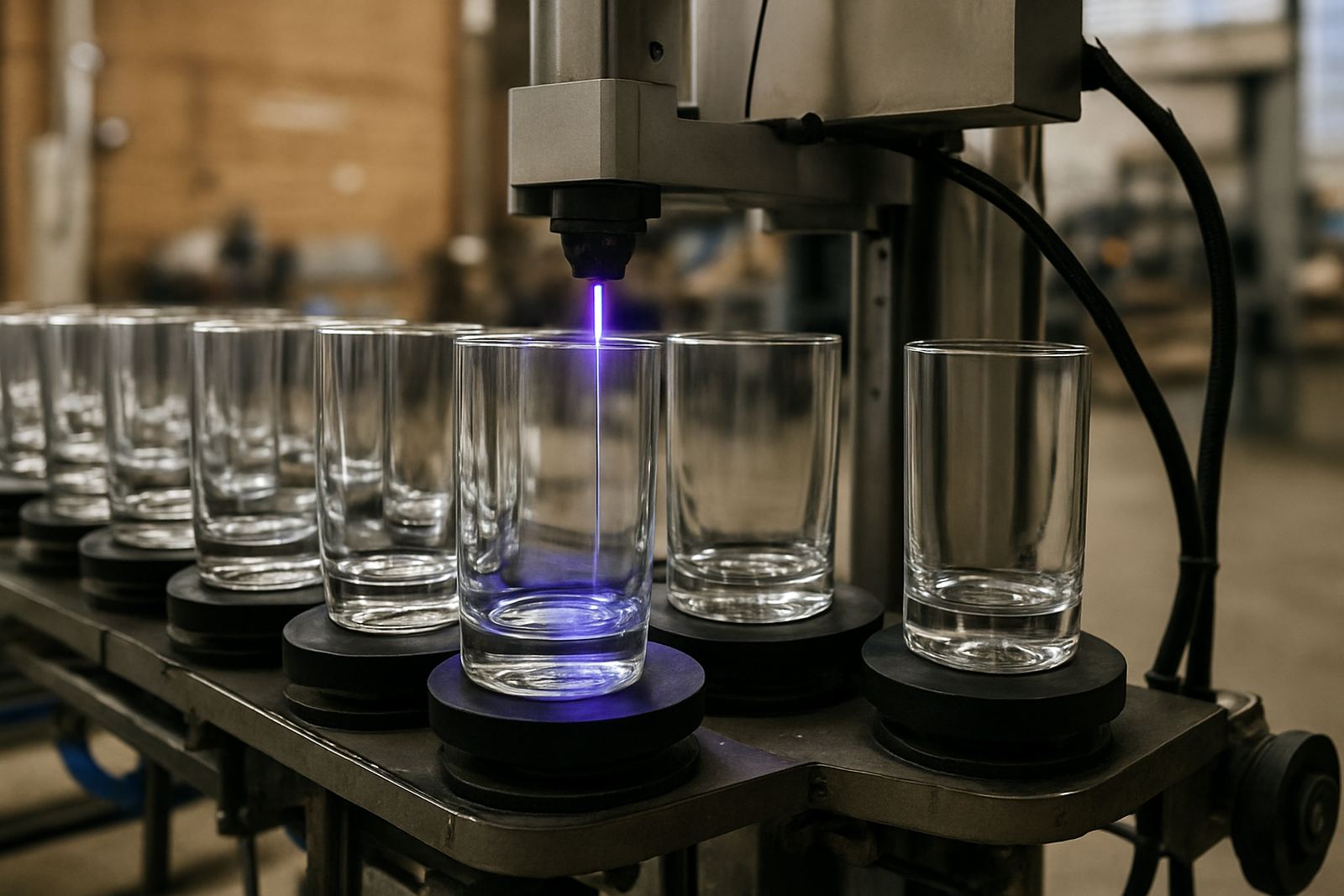
We supplied a UV laser marking setup paired with camera alignment for part recognition and logo placement. The camera system checked the position of each dispenser before marking, then guided the laser to the correct area so the logo landed in the same place every time. That removed the guesswork that usually creeps in when operators are trying to align parts by eye.
The installation included fixture work to hold the dispenser consistently, plus software setup for the mark file, camera offsets and production settings. The fixture was designed to suit the shape of the packaging item and to allow quick loading. That was important because if the clamp takes too long to use, line efficiency drops off fast, especially on smaller order runs.
We also set the process up for traceable repeatability. Once the parameters were locked in, the team could run the same job again without starting from zero. It made changeovers simpler and helped keep the finish neat across the whole batch, which is what the client needed for retail-ready presentation.
- UV laser marking system
- Camera alignment for logo positioning
- Custom fixture design for the dispenser shape
- Software setup with saved job parameters
Installation, commissioning and operator training in Fourways
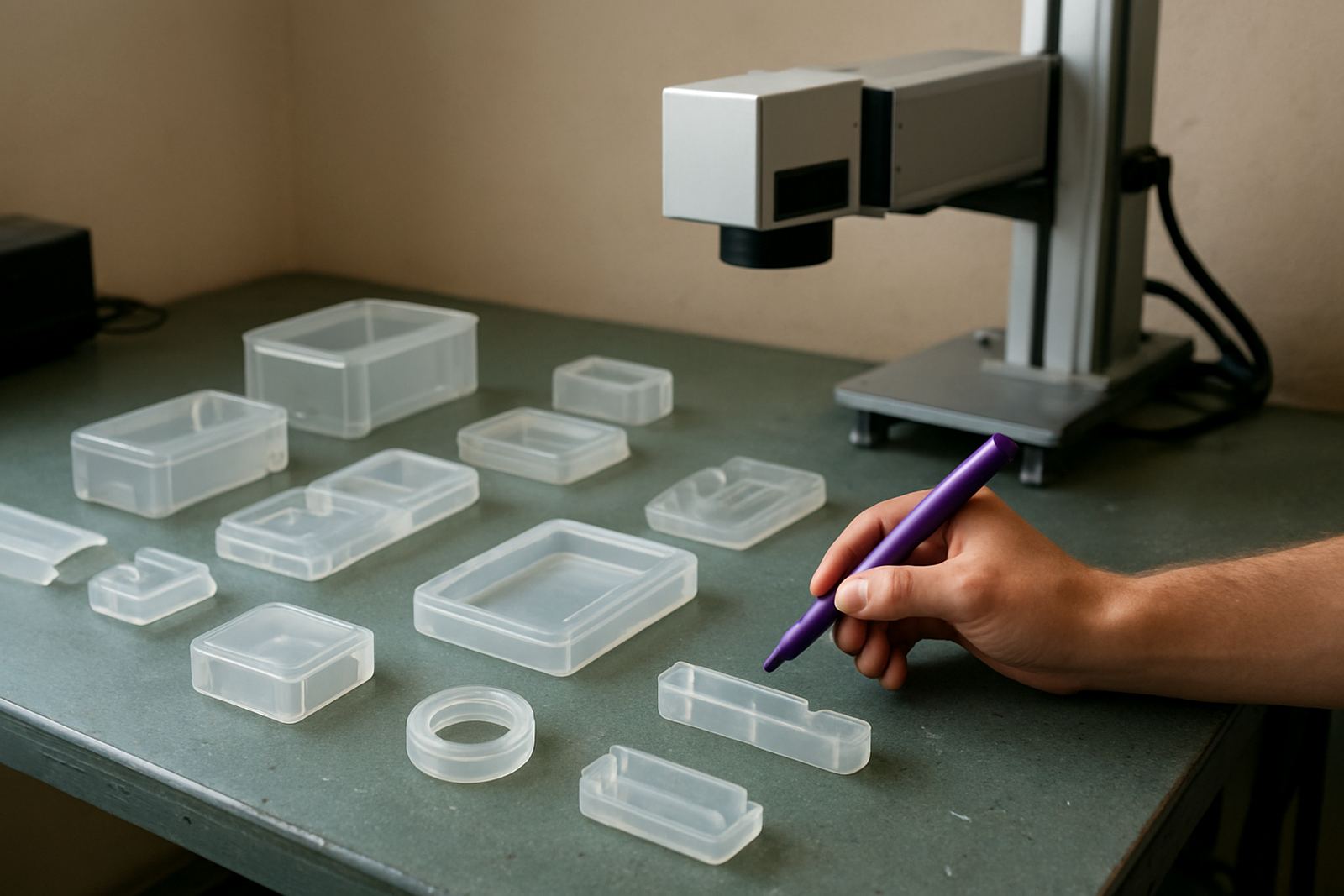
The job moved from sample testing into installation once the logo placement and marking quality were confirmed. Commissioning was handled on site so we could check the real production conditions, not just the sample table. That let us fine tune focus, alignment and cycle timing before the team started regular production.
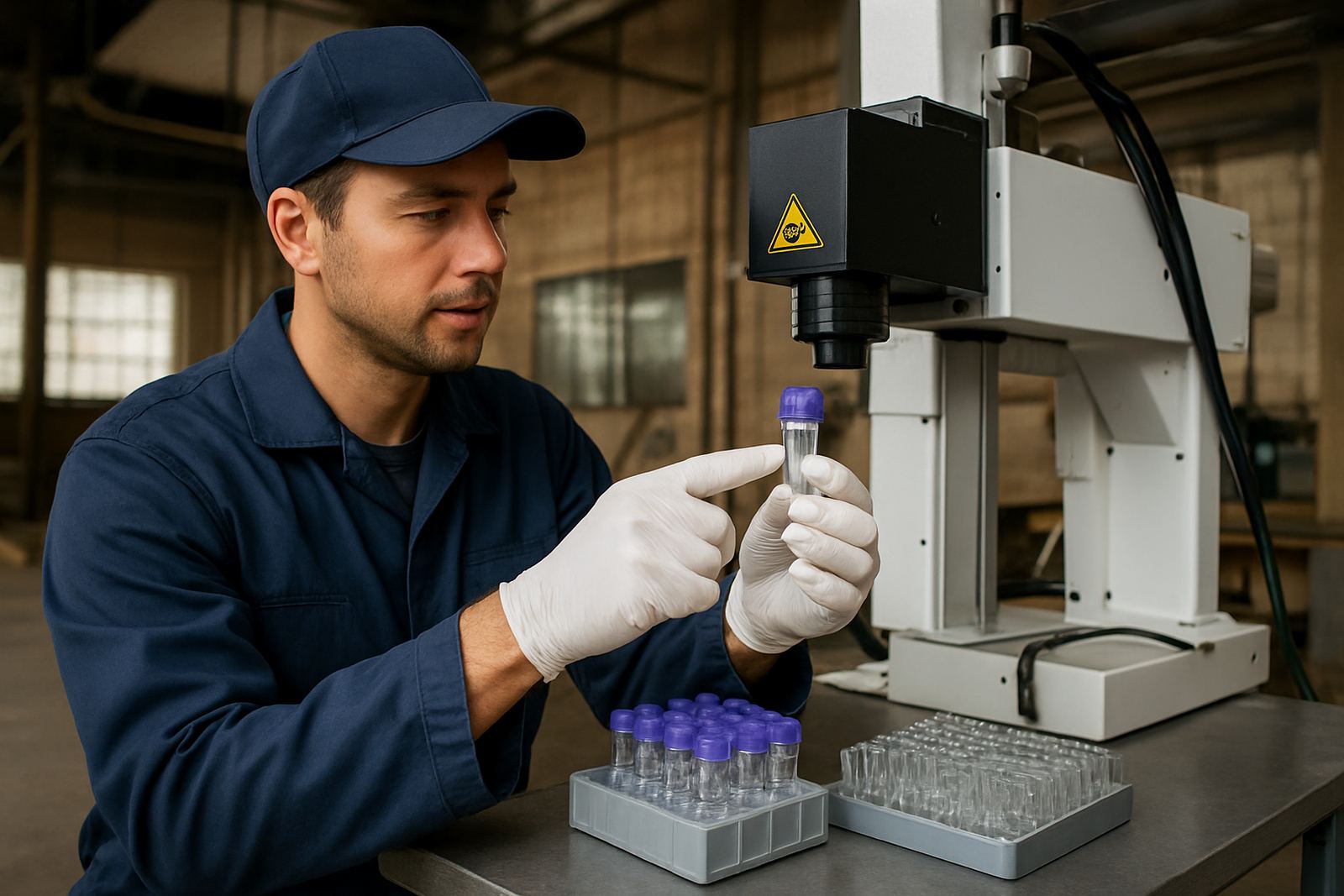
Training was part of the handover. We showed the operators how to load the dispensers, how to check camera position, and what to watch for if the part feed started drifting. The team also learned the basic checks for lens cleanliness, fixture condition and software prompts. A good handover saves everyone time later and avoids small problems turning into a bigger stoppage.
The site was brought into production in a planned window measured at just over two weeks from final sign off to stable running. That included testing, install, training and a short follow up on the line. Nothing flashy, just proper process and a clear handover.
- Sample approval before installation
- On-site commissioning and fine tuning
- Operator training for daily use
- Short follow up after go-live
Results from the dispenser packaging run
The main result was consistency. The camera alignment kept the logo in the correct position across the batch, which reduced rejects and gave the packaging a more professional finish. That mattered for a client packing branded dispensers where visual presentation carries weight at shelf level and in distribution.
Once the system was settled, the line spent less time on manual checking. That meant fewer interruptions and more predictable output. The team also had more confidence when changing over between jobs, since the saved settings and fixture location made the next setup faster.
From a production point of view, the system delivered three practical gains: better placement accuracy, lower rework, and cleaner repeatability on reorders. For a packaging site, that combination is what keeps the operation moving without extra drama. The client was keen to keep that standard across future runs too.
- Cleaner logo placement
- Lower reject and rework levels
- Faster setup on repeat jobs
- Less manual checking during production
What we would repeat on the next similar job
If we were doing this type of dispenser job again, we would follow the same pattern: test the product early, confirm the logo position on real samples, then lock in the fixture before full production starts. That sequence keeps surprises out of the install and helps avoid extra adjustments once the line is under pressure.
We would also keep the training practical and close to the machine. Operators usually want to know how to spot drift, how to reset a job, and what counts as a normal variation versus a fault. A simple, well explained process works better than a long manual nobody reads. That is doubly true when the site is dealing with shift changes and a tight production target.
For packaging work in Fourways, or anywhere else in Gauteng, the key is repeatability. When the mark lands where it should, every time, the rest of the process becomes easier to manage.
- Test samples early
- Confirm fixture before production
- Keep operator steps simple
- Save proven settings for repeat orders
Key facts
| Project | Fourways dispensers packaging marking |
|---|---|
| Client type | Packaging operation |
| Town | Fourways, Gauteng |
| Marking method | UV laser with camera alignment |
| Key outcome | Repeatable logo placement |
| Timeline | Just over 2 weeks from sign off to stable running |