What the client needed for tube marking in Springs
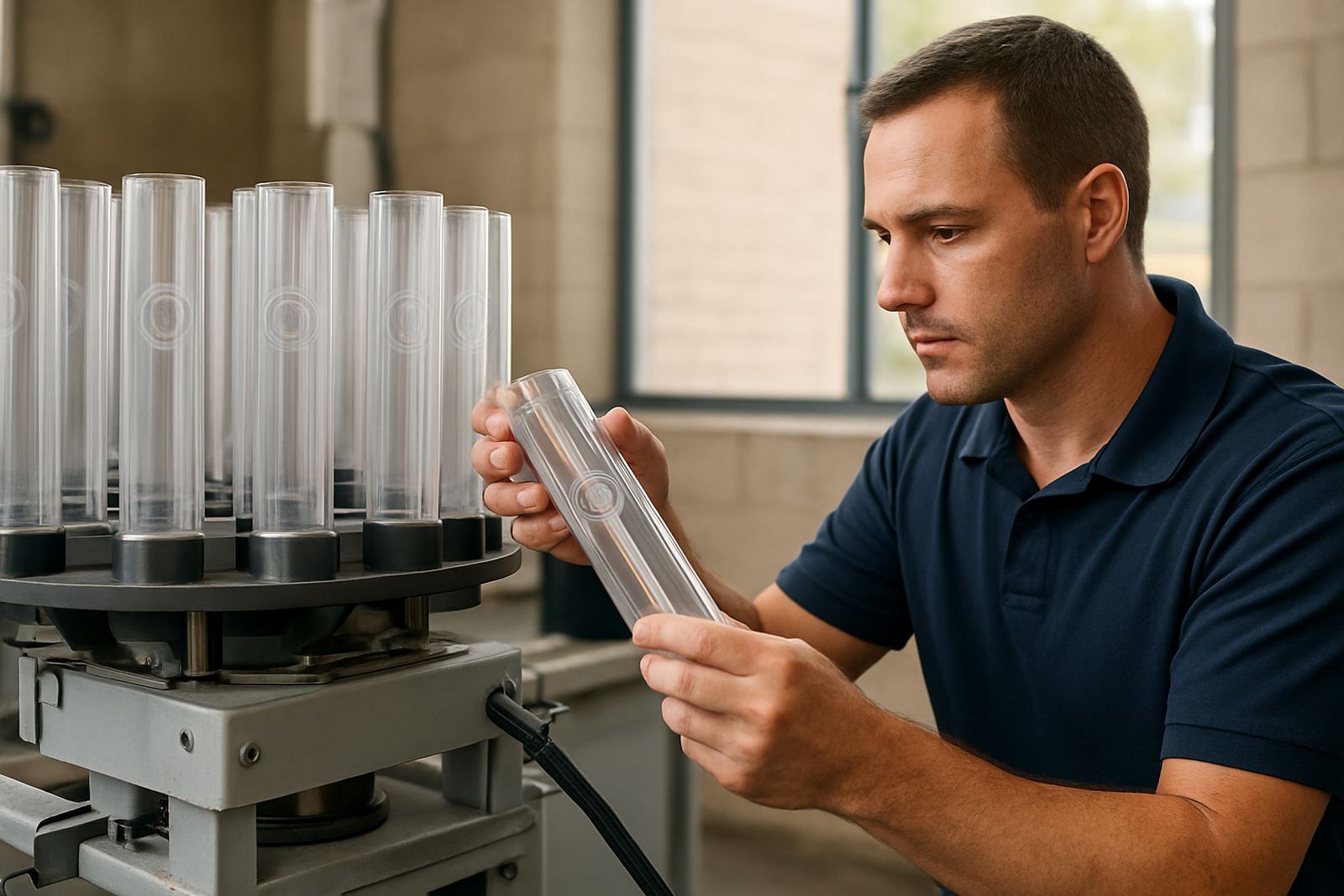
The client was a packaging producer in Springs supplying plastic tube packs for cosmetic and personal care products, with batches moving through filling, sealing and dispatch in the East Rand. Their main issue was that marks were drifting across the curved surface, which made branding look uneven and caused rework when tubes were loaded out of position. They wanted a permanent mark that stayed clear after handling, transport and normal use, and they needed it done without slowing the line. The request was simple on paper, but the material and the curved profile meant the setup had to be properly controlled.
The brief called for sharper marking on small diameter tubes, a clean visual finish and a process that could be repeated by different operators. They also needed a practical solution that would fit into their existing pack workflow and hold up during load-shedding interruptions, because production in the area often has to work around power cuts and short changeovers.
The marking challenge on curved plastic tubes
Curved surfaces always need more care than flat panels. With the Springs job, the team was dealing with tube packs that varied slightly in wall thickness and surface sheen, so the laser focus and fixture position had to stay consistent. If the tube sat even a few millimetres out, the mark could appear lighter on one side or shift off centre. That is not good enough when the pack is going out under a branded label and the print has to look tidy on shelf.
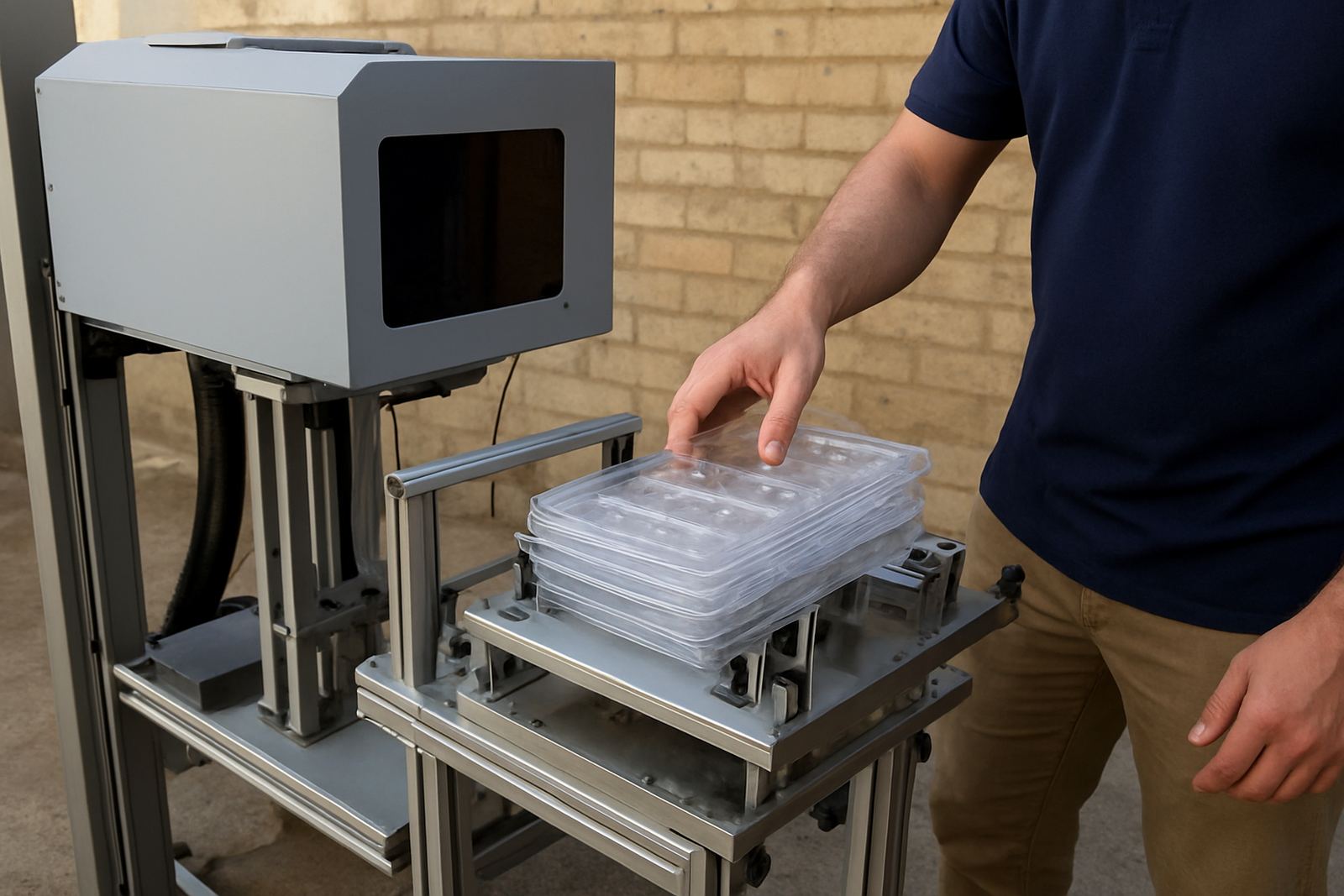
There were also practical constraints from the production floor. The area had limited space around the pack line, the customer needed easy access for cleaning, and the setup had to allow quick changeovers between tube sizes. We also had to keep the process stable in a warm shop-floor environment, because heat and dust can affect both handling and alignment. The answer was a controlled marking station with proper part location, clear operator steps and a fixture that held the tube the same way every time.
- Tube diameter range tested: 18 mm to 35 mm
- Substrate: plastic tube packs with curved outer walls
- Mark requirement: permanent branding and batch identification
- Throughput target: line speed compatible with current packing flow
Sample testing and fixture design we supplied
We started with sample testing using the actual tube material and the client’s preferred artwork. This let us check contrast, legibility and edge sharpness before anything was signed off. Once the sample work was approved, we moved on to fixture design so the tube would sit in the same position for every mark. That fixture was built around simple loading, easy cleaning and repeatable alignment, which matters when operators are changing over a few times a day.
The marking package supplied for the project included the laser marking unit, mounting hardware, alignment aids and software setup for the approved artwork files. We also adjusted the process settings so the mark stayed consistent on the curved surface without scorching or whitening the plastic. That balance took a few rounds of testing, but it gave the client a cleaner result and less waste from rejected pieces.
- Artwork setup for logos, small text and variable codes
- Fixture designed for repeatable tube placement
- Software configured for quick file selection and changeovers
- Process settings tuned for clear marks on plastic without damage
Installation and training over three weeks
The full project ran over three weeks from first sample to handover. Week one covered site assessment in Springs, sample collection and initial marking trials. Week two was used for fixture fabrication, software preparation and final adjustments to the marking parameters. Week three covered installation on site, operator training and live production support while the first batches went through the line.
Training was practical and hands-on. The team learned how to load the tubes, check alignment, select the correct file, confirm the mark quality and carry out basic daily cleaning. We also showed them how to handle common issues such as slight position drift, dirty lenses or poor part seating. The goal was not just to get the machine running but to make sure the customer could keep the result steady from one shift to the next.
- Project duration: 3 weeks
- Site work completed in Springs, Ekurhuleni
- Operator training included daily checks and file selection
- Handover included production support during the first runs
Results on the first production runs
Once the system was in place, the customer saw a clear improvement in brand positioning and mark consistency. The tube packs were marked in the same place across runs, and the line team no longer had to stop and inspect every handful of pieces for obvious off-centre results. The final mark was sharp enough to support branding, labelling and traceability, while still fitting the pack’s finished look.
There was also less handling waste because the location control removed the guesswork. The client could move between approved artwork files with less downtime and fewer setup errors. For a packaging business, that counts, especially when orders are split across different customer ranges and the same line has to stay productive without a lot of extra labour. It also made quality control easier, because the mark was now predictable and simple to check.
- Improved mark alignment on curved tube surfaces
- Cleaner branding with less rework
- Faster changeovers between artwork files
- More consistent quality checks on the line
What we would repeat on the next tube pack project
If we were doing the same kind of tube pack job again, we would follow the same order of work: sample testing first, then fixture finalisation, then training after the live installation. That sequence keeps the risk low and stops the team from learning on a half-set process. It also helps when the plant is under pressure to keep moving because the test result tells you early whether the chosen surface, artwork and mark size will work.
For curved plastics, we would again insist on real samples from the production run, not a generic offcut. The exact tube shape, finish and pack orientation make a difference, and in Gauteng plants with mixed shift patterns, you need a setup that is easy to repeat even when the supervisor changes. That practical approach is what gave this Springs project its steady result, and it is the same method we would use for tube packs in Germiston, Boksburg, Kempton Park or further afield.
It also helps to keep spares, software files and cleaning routines simple. A good marking system should not need a technician every day. It should be clear enough for the team to run, and stable enough that the result stays the same after a power interruption or a start-stop production day.
Key facts
| Client type | Packaging producer in Springs, Ekurhuleni |
|---|---|
| Project scope | Sharper branding and consistent positioning on curved tube packs |
| Substrate | Plastic tube packs with curved outer surfaces |
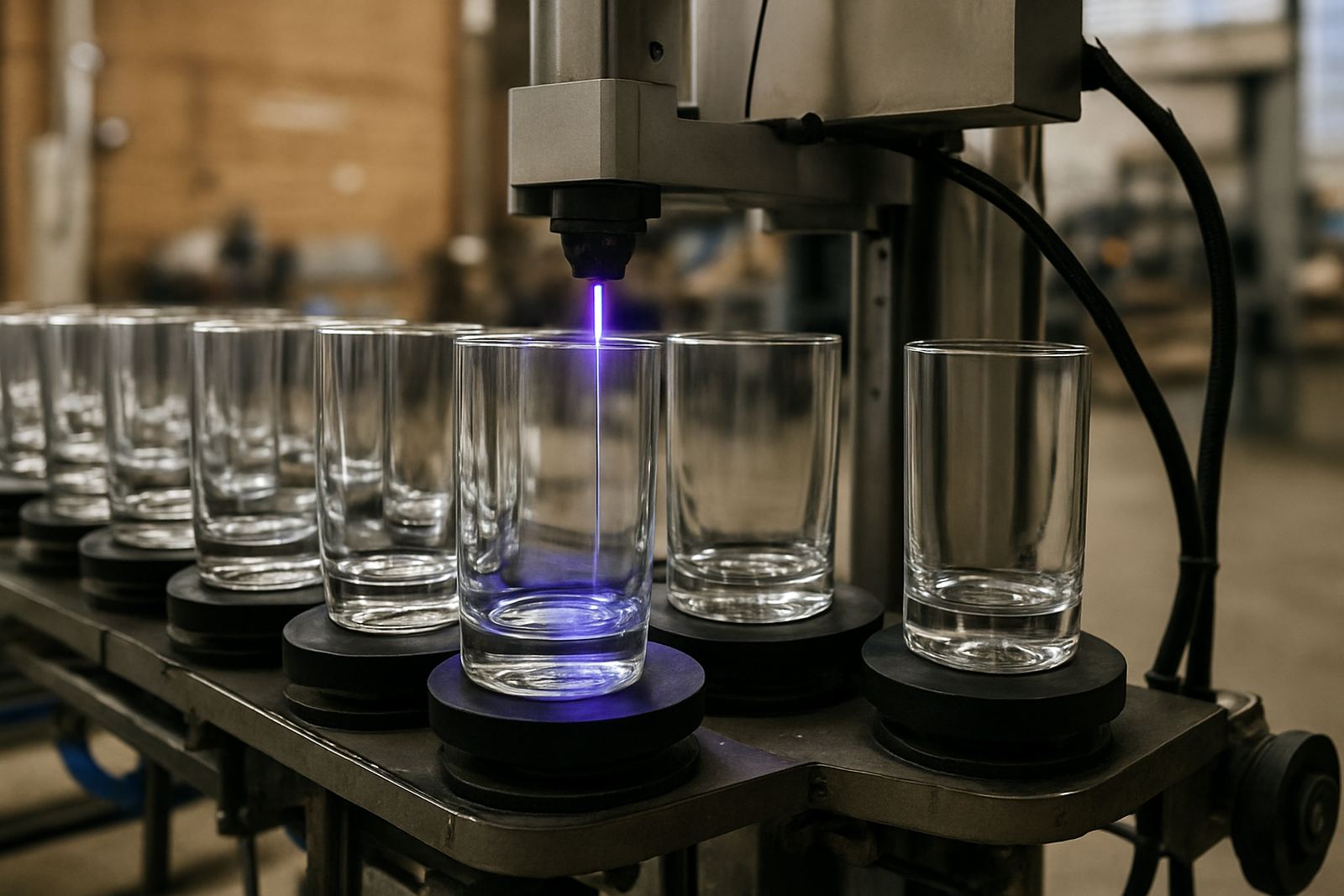
| Key process | UV laser marking with fixture-controlled alignment |
| Timeline | 3 weeks from sample testing to handover |
| Support included | Site demo, installation, operator training and first-run support |