A compact marking job for a busy Alberton workshop
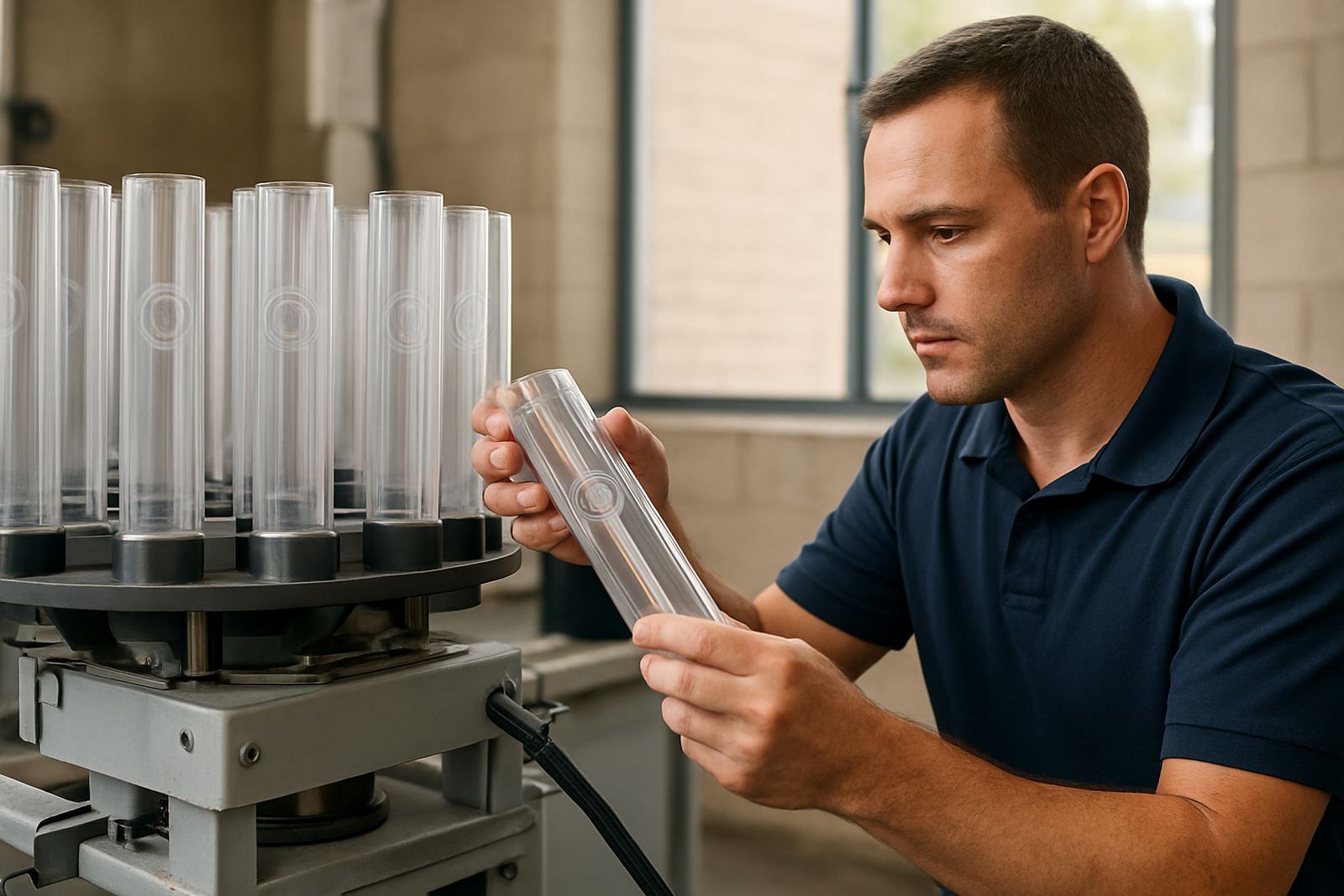
The client was a small gifting workshop in Alberton serving corporate orders, private events and quick-turnaround retail requests. Their work included glass tumblers, perfume bottles, acrylic awards, keepsake boxes and branded gift sets, so they needed a marking method that could handle different surfaces without chipping, smudging or slowing production.
The brief was clear. They wanted fine detail, readable text and a finish that looked clean on both clear and coloured items. Space was limited, so the unit had to fit into an existing production area without major changes to their layout. They also wanted a process that could be taught quickly, because the same team handled packing, prep and dispatch. On top of that, they needed reliable output during load-shedding and on days when the workshop was running full tilt with last-minute orders.
- Site: Alberton, Gauteng
- Application: Personalised acrylic and glass gifts
- Need: Small footprint, permanent marking, fast changeovers
- Constraint: Limited floor space and mixed item sizes
What the client needed from the marking process
For this project, the biggest concern was consistency. The workshop was already using a manual process for some jobs, but they were losing time on alignment and repeatability. With different item sizes on the same bench, they needed accurate positioning and marks that stayed sharp from the first piece to the last. They also wanted the ability to do names, dates, logos and short messages without changing the whole setup for each order.
We discussed the typical items they produced, the thickness of the acrylic they used and the finish on the glass. That let us match the marking parameters to the material instead of forcing one setting across everything. The goal was not just to mark a sample nicely. It was to create a practical workflow the team could use every day without fuss.
- Fine text for names, dates and order numbers
- Permanent marking on smooth surfaces
- Repeatable positioning for small batches
- Simple operation for workshop staff
The compact UV laser setup we supplied
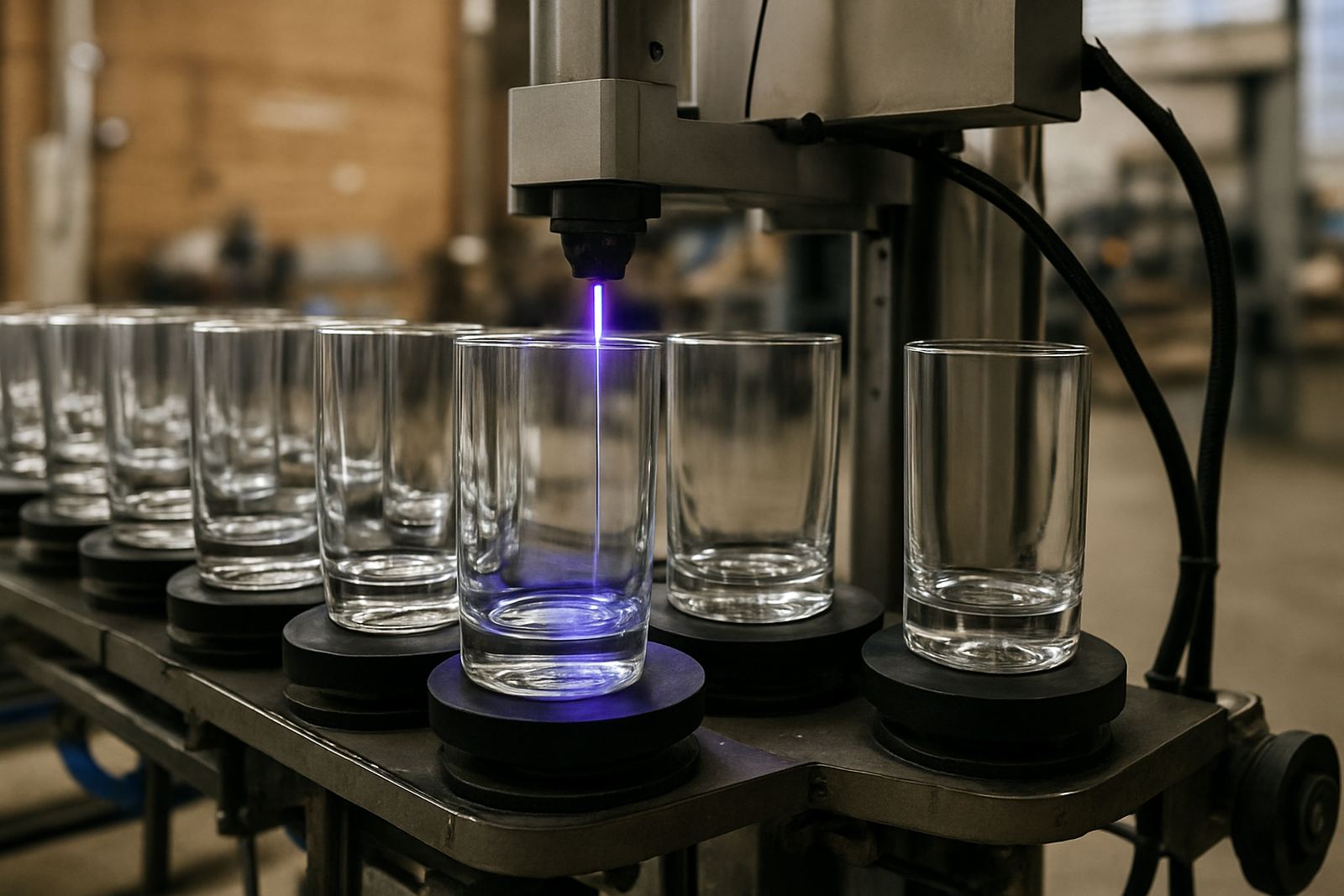
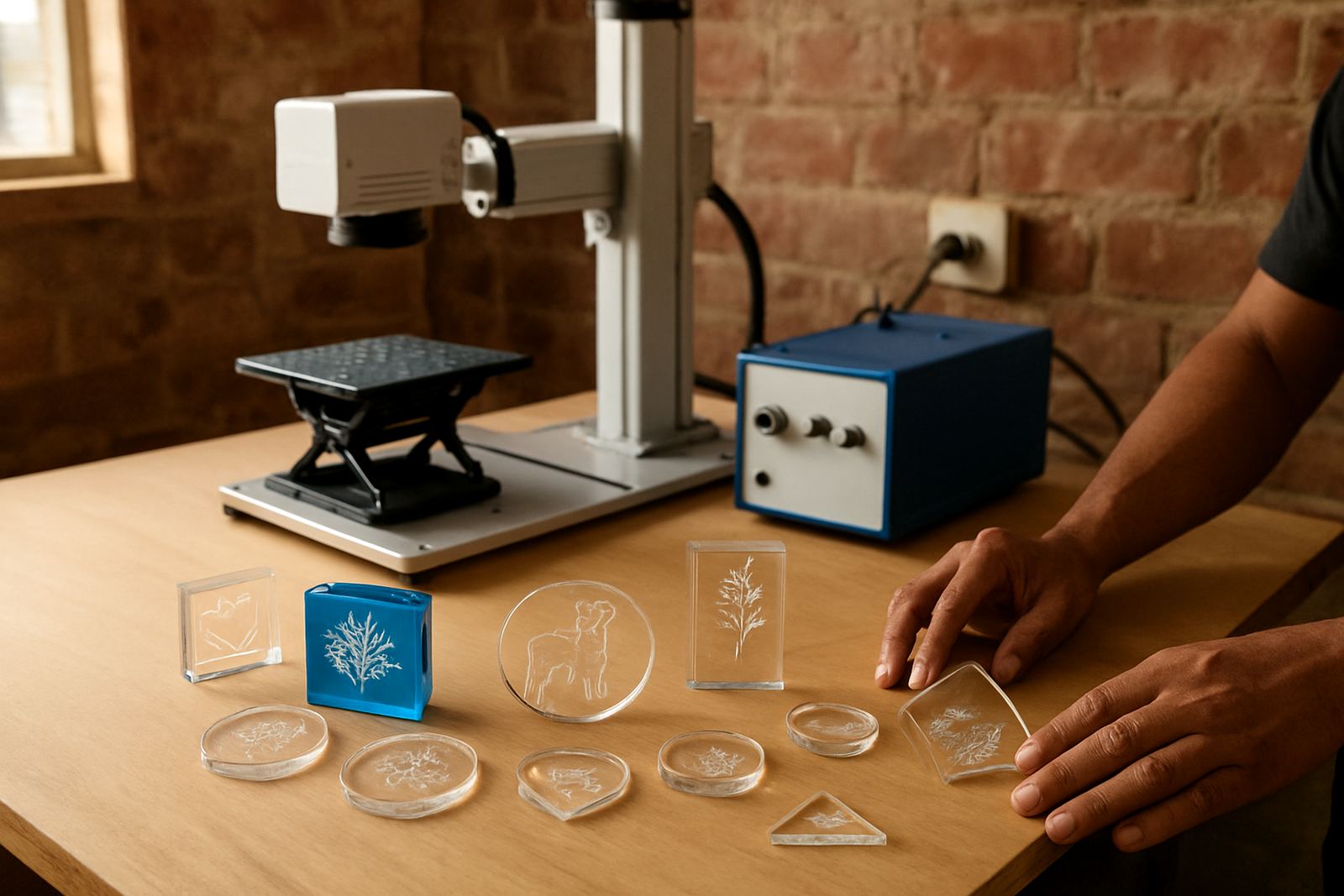
We supplied a compact UV laser marking unit suited to glass and plastics, with a working area that matched the client’s gift items. The machine was set up for fine-detail work and low-heat marking, which is important on materials like clear acrylic and coated glass where excess heat can cause marking defects. The setup was kept neat so the workshop could still move stock, pack orders and work around the machine in a busy space.
Key facts from the installation included a compact footprint, precise beam control and a fixture approach that could be adjusted for mugs, plaques and flat gift pieces. We also checked the workbench height, ventilation and power availability before final placement. In a South African workshop, that matters. If the power is unstable or the room is too warm, production drops and the team starts fighting avoidable issues. We planned the installation to be practical in a real working environment, not just in ideal conditions.
- Machine type: UV laser marking unit
- Materials: Acrylic, glass and similar gift surfaces
- Application focus: Branding, names, dates and artwork
- Setup aim: Accurate marking with a small footprint
Installation, sample testing and operator training in two weeks
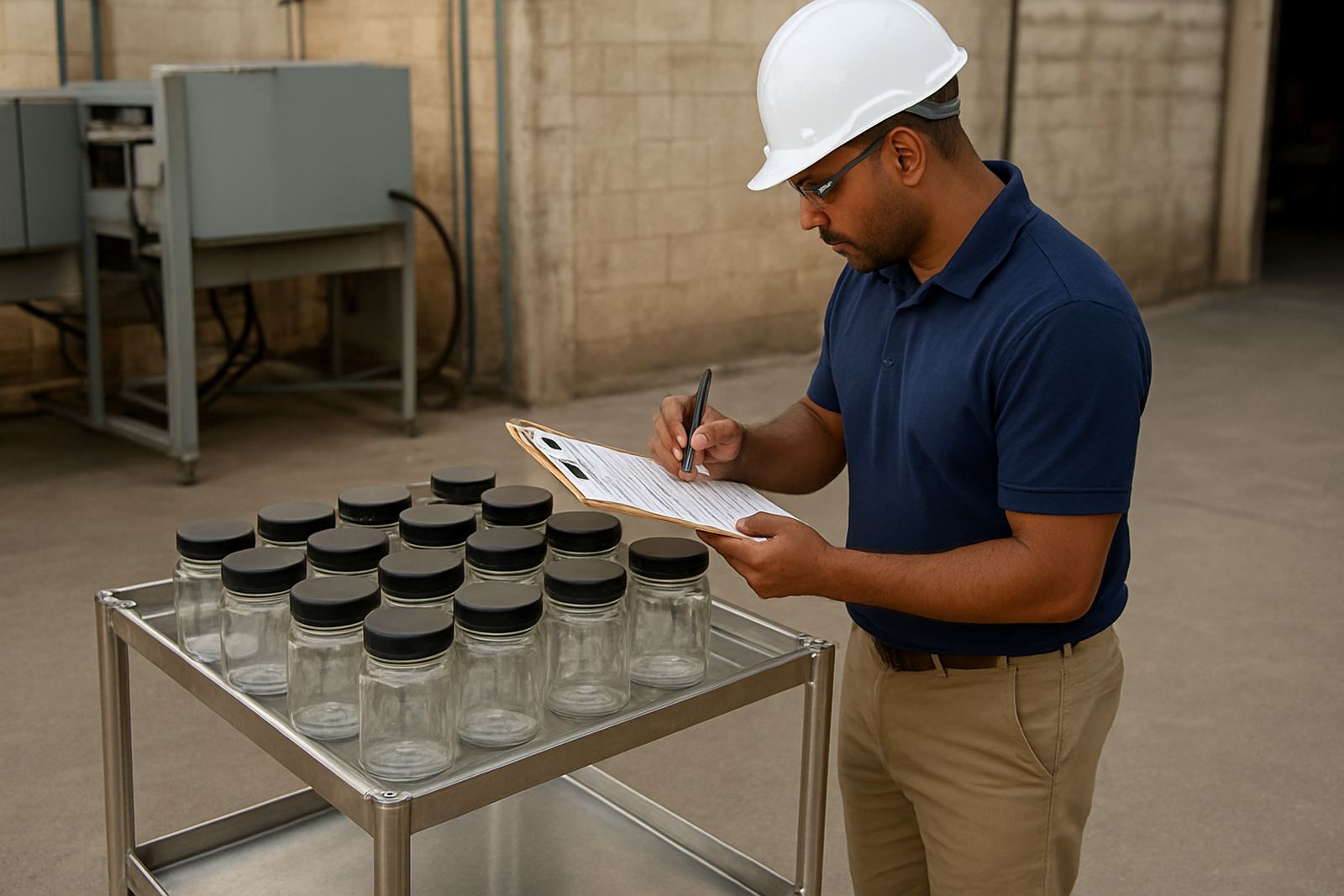
The project ran over two weeks from first site visit to handover. In week one, we completed sample testing on the client’s own items and adjusted the marking settings for different surfaces. That included testing on clear acrylic, frosted acrylic and glass pieces with different finishes. We also checked how the team was loading items, because poor placement can affect the final result more than people realise.
In week two, we completed installation, setup and operator training. The training covered daily start-up, basic file handling, item placement, routine cleaning and safe working practices. We kept the process practical and simple so staff could repeat it without depending on one person. By the end of the week, the workshop was marking small batches on its own and had a clear process for reworks and new jobs. It saved time straight away, and the team could handle urgent orders with less back-and-forth.
- Week 1: Sample testing and process adjustment
- Week 2: Installation, handover and training
- Outcome: Ready for day-to-day production within two weeks
Results on acrylic awards, glassware and gift items
Once the setup was in use, the client saw cleaner marking on both acrylic and glass. The text was crisp, the logos were readable at small sizes and the finished items looked more consistent from batch to batch. For a gifting business, that matters because customers often judge the product by the first glance. A neat mark can lift the whole item, while a rough one makes the gift look cheap.
The workshop also gained better control over production planning. Instead of waiting on outside suppliers or struggling with inconsistent manual marks, the team could complete more work in-house and react faster to special orders. That gave them better control over turnaround times, which is especially useful before year-end gifting periods, conference seasons and event rushes. They also had fewer rejected items, which helped with stock use and labour time.
- Sharper detail on small logos and text
- More consistent finish across mixed orders
- Faster in-house turnaround for urgent jobs
- Less waste from failed or unclear markings
What we would repeat on the next gifting job
We would approach the next project the same way: test first, fit the machine to the items, and train the operators on the exact work they are doing. With gifting work, one-size-fits-all thinking usually causes trouble. A plaque job is not the same as a curved bottle or a thin acrylic piece, so the setup has to suit the product range. That includes choosing the right fixture options, planning the bench layout and making sure the team can move from sample to production without confusion.
For a business like this, the best result comes from matching the marking system to the real workload. In Alberton, that means a compact footprint, clear results and dependable support when a job needs tweaking or a spare is required. We would again recommend a hands-on demo, item testing and a training session built around the client’s own products, not a generic example.
- Start with sample testing on actual client items
- Plan the bench layout around daily workflow
- Train staff on real jobs, not theory only
- Allow for future product sizes and new artwork
Key facts
| Project location | Alberton, Gauteng |
|---|---|
| Client type | Gifting workshop |
| Materials marked | Acrylic and glass |
| Timeline | 2 weeks from testing to handover |
| Service scope | Site demo, sample testing, installation and training |
| Support area | Nationwide demos, installs and support from Jet Park, Boksburg |