Medical Packaging In Edenvale Needed Steady Tray Loading
The client was a medical packaging operation in Edenvale handling small plastic components that had to be marked, checked and packed without slowing the line. The brief was simple on paper but strict in practice: keep throughput up, protect the product finish, and make sure every mark stayed readable through handling, cleaning and distribution.
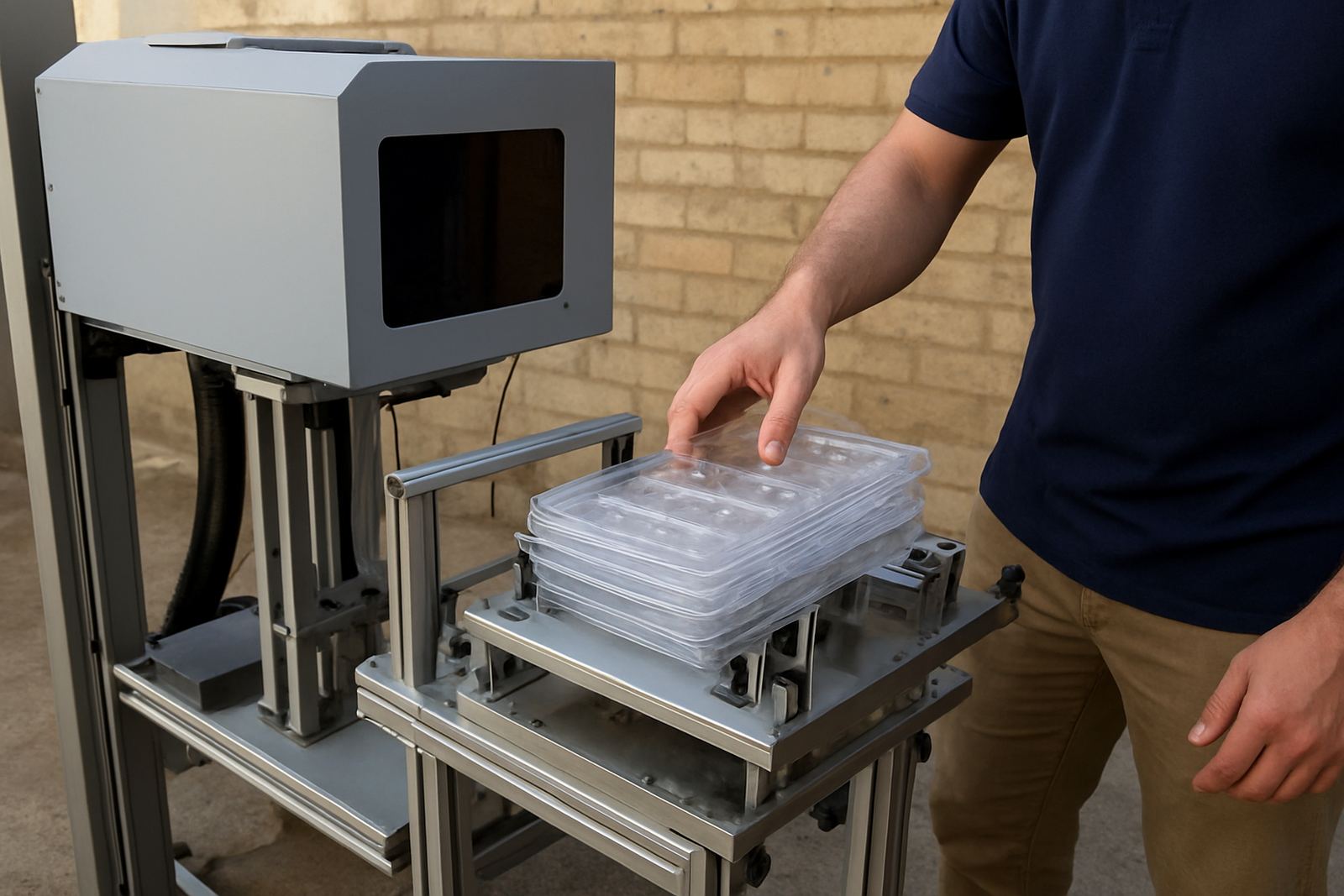
Because the parts were loaded in trays, the marking process had to suit a repeatable pitch and a fixed presentation height. Any variation in tray positioning would have created missed marks or uneven results, so the system had to work with the tray format rather than fight it. The production team also wanted a setup that could be understood quickly by operators, with minimal adjustment during a shift.
We visited site, reviewed the tray layout and discussed the cycle time, part orientation and inspection flow. The operation was running in a busy production space with limited floor room, so the solution had to fit neatly into the existing line and allow for loading, marking and offload without extra handling.
- Location: Edenvale, Gauteng
- Application: medical packaging tray loading and marking
- Material type: plastic components
- Goal: maintain throughput and consistency
What The Brief Required From The Marking Process
The client needed a mark that would stay clear after normal packing, storage and transport. In a medical environment, readability matters for traceability and internal control, so the marking had to be sharp and properly placed every time. The process also had to suit plastics that can show heat effects if the wrong method is used.
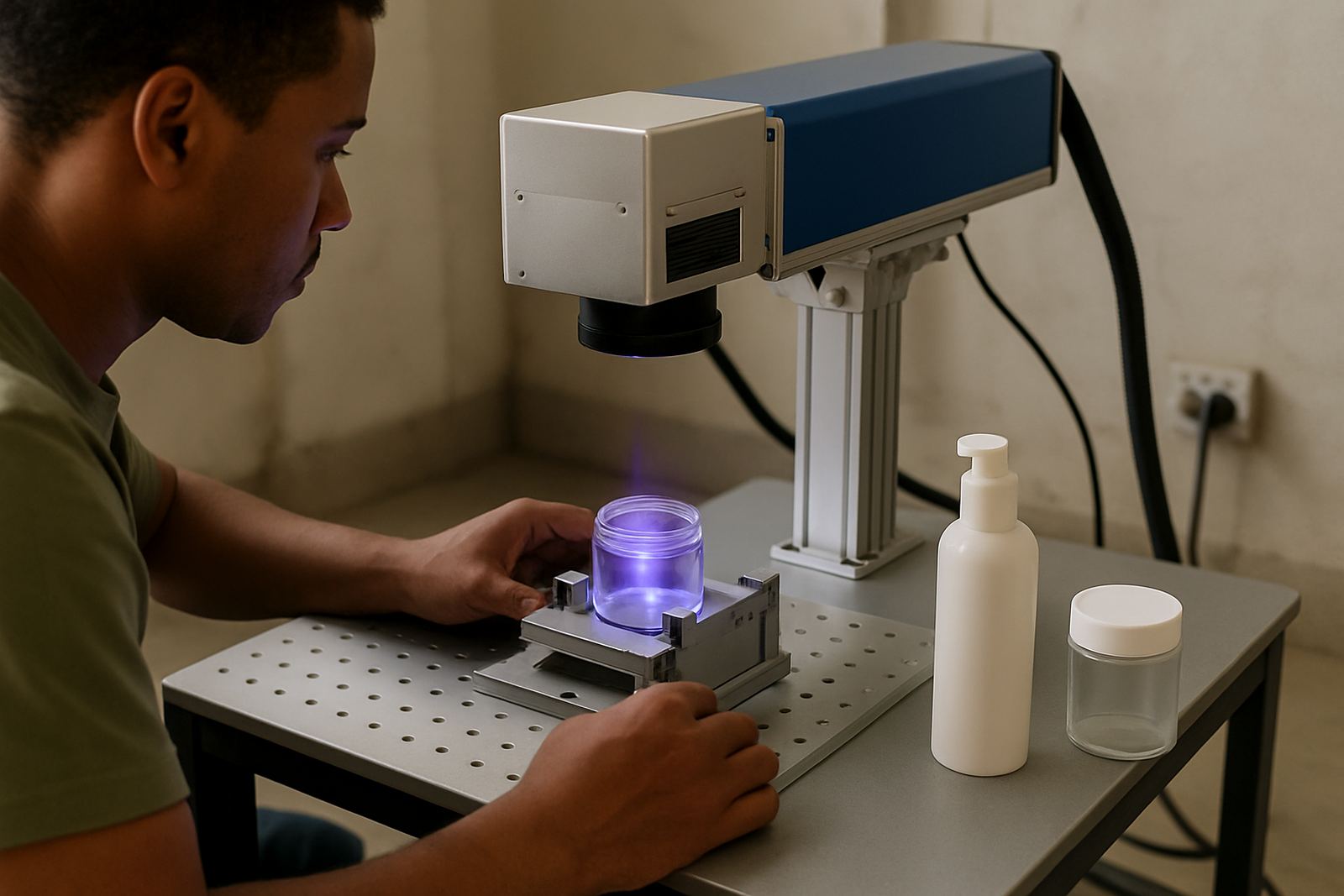
We proposed UV laser marking because it gives fine detail on plastics with very little surface stress. For this job, the key advantage was the ability to create a controlled, permanent mark without affecting the tray loading cycle. The marking window had to match the tray format, and the software needed to support repeat jobs with limited operator intervention.
The client also asked for a setup that could cope with normal production interruptions. Power cuts and load-shedding are still part of plant planning in Gauteng, so we allowed for safe restart procedures and stable settings that would not need full rework after a stop. The system had to be practical for a team working under normal factory conditions, not only in a controlled test room.
- Permanent, readable mark on plastic parts
- Repeatable tray location and pitch
- Low surface impact on the component
- Restart-friendly settings for production interruptions
The Tray Fixture And Laser Setup We Supplied
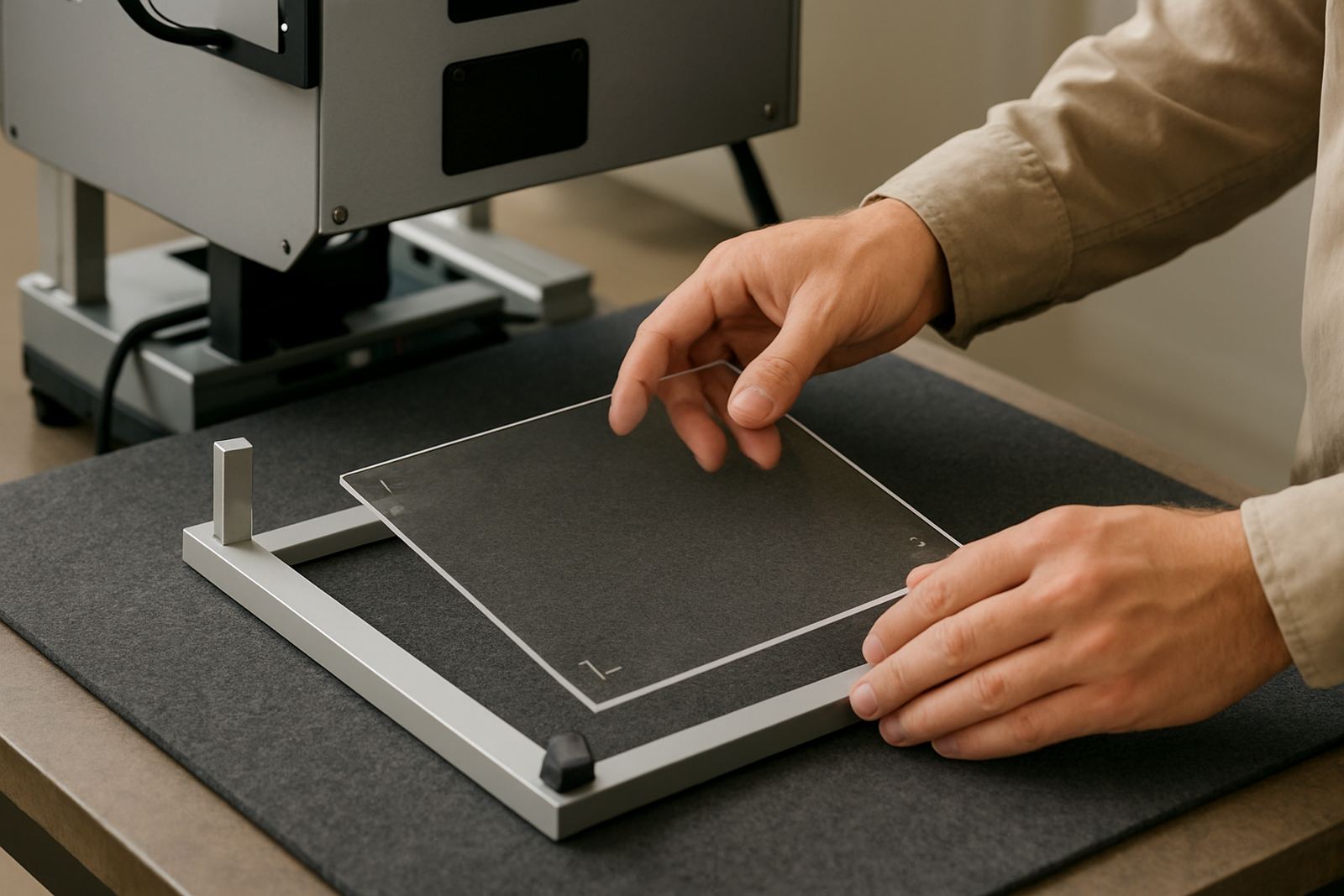
We supplied a UV laser marking system matched to the part size and tray spacing, together with a custom fixture to hold each tray in the correct position. The fixture was designed to reduce movement, speed up loading and give the operator a clear reference point for each cycle. That made it easier to keep the line moving and cut down on rejects caused by misalignment.
Our team handled fixture design, software setup and the mark position programming. Where needed, we adjusted the beam position and working height so the mark sat in the same place across each tray load. The operator interface was kept straightforward, because the people using the machine needed something reliable on a busy shift, not something that needed constant tweaking.
We also planned the installation so it could be integrated into the existing work area without major changes to the production layout. That helped the client avoid unnecessary downtime and kept the changeover manageable. The system was tested against sample parts before final handover, and we checked that the mark remained consistent from first tray to last.
- UV laser marking system for plastics
- Custom tray fixture for repeatable loading
- Software setup for fixed mark positions
- Integration into the existing production flow
Timeline, Testing And Installation In Weeks
The project ran over three weeks from initial review to sign-off. Week one covered site assessment, sample testing and fixture measurements. Week two focused on fixture manufacture, programming and alignment checks. Week three covered installation, operator training and final process verification on live parts.
Sample testing was important because the client wanted proof that the mark would hold up on the actual packaging material. We tested position, contrast and repeatability before the machine went into the line. That step saved time later, because it allowed us to settle the settings before full production started. It also gave the team confidence that the output would stay within spec once the machine was in daily use.
During installation we worked around normal site activities and kept the footprint tidy, which matters in a plant where packaging materials, cartons and staging areas are all close together. The handover included basic care steps, marking checks and what to do if the line stopped mid-cycle. The client had a clear path from setup to production, and no long learning curve was needed.
- Week 1: assessment and sample testing
- Week 2: fixture build and programming
- Week 3: installation, training and handover
- Sign-off after live production checks
Results On The Line After Go-Live
Once the system was running, the client gained a more stable loading process and a better marking rhythm across the tray format. The team could load trays, mark parts and move them on with less stopping and less manual correction. That helped maintain throughput, which was the main business requirement from the start.
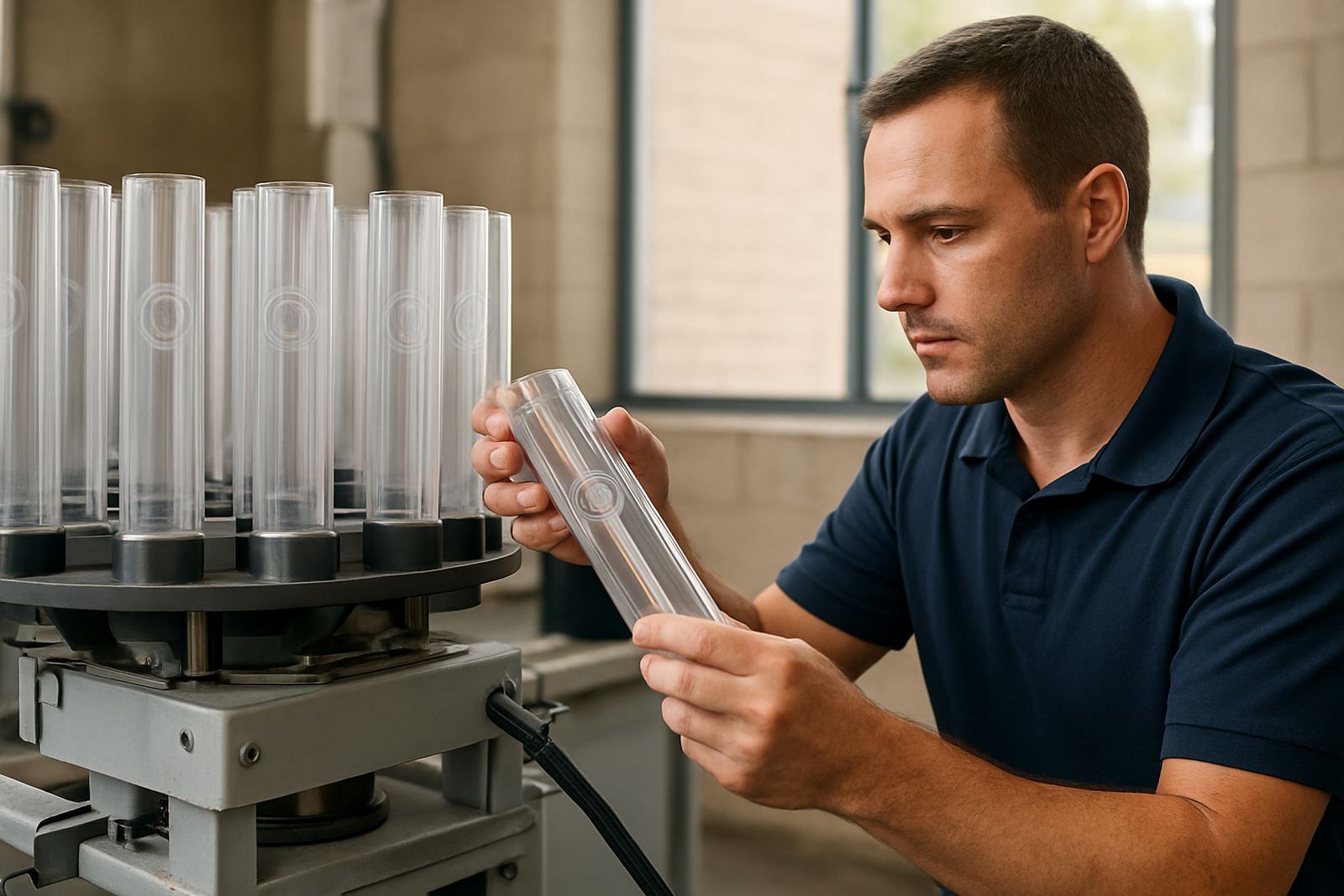
The mark quality stayed consistent from tray to tray, and the client reported fewer issues with legibility and alignment. Because the laser process is clean and precise, there was no extra finishing step needed. The production team could focus on output rather than spending time sorting out poor marks or reworking pieces that missed the target.
For a medical packaging line, that kind of repeatability is valuable. It supports internal quality control, makes batch handling easier and reduces the amount of product held back for inspection. The result was a neater process overall, with less handling and a better fit between loading, marking and packing.
What We Would Repeat On A Similar Job
If we were doing this job again for another medical packaging client, we would follow the same approach: test the actual tray and part early, design the fixture around the real handling pattern, and keep the software setup simple enough for daily use. That combination works well where production speed and consistency both matter.
We would also allow time for operator training at the machine, not just classroom instruction. When a line team can see the loading points, the mark position and the restart process in person, the setup settles quicker. In our experience, that saves time later and avoids confusion when shifts change.
This Edenvale project showed how a well planned tray solution can keep a medical packaging process moving without overcomplicating the plant. The equipment was matched to the job, the marking stayed clear, and the team had a system that made sense from day one.
- Test the real tray and component first
- Build the fixture around the actual loading method
- Keep operator training practical and hands-on
- Allow for restart procedures where power interruptions are possible
Key facts
| Project type | Medical packaging tray loading and UV laser marking |
|---|---|
| Town | Edenvale, Gauteng |
| Material | Plastic packaging components |
| Timeline | 3 weeks from assessment to handover |
| Solution | UV laser marker with custom tray fixture |
| Services | Sample testing, fixture design, installation, training and process optimisation |