Why plastics behave differently under UV marking
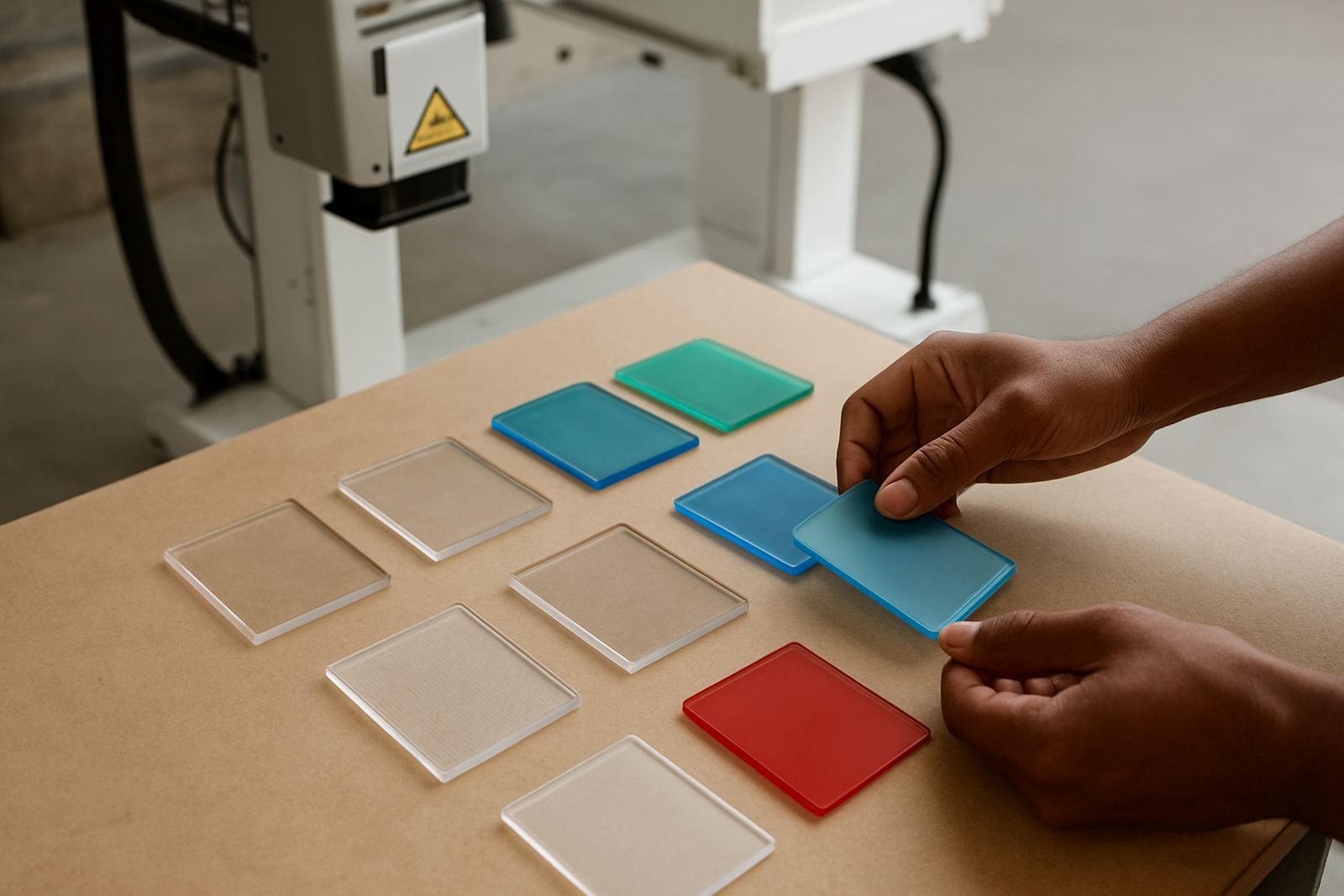
Plastics are not all the same, even when they look similar on the shelf. A UV laser reacts differently to PET, ABS, polycarbonate, nylon and polypropylene because each material absorbs energy in its own way. That means one setting may give a clean frosted mark on one part and a weak or uneven result on another.
In practice, the main question is not simply whether a part can be marked. It is whether the mark needs to be high contrast, low stress, shallow, or completely permanent without damaging the surface. For packaging, medical parts, bottle closures and technical components, the right UV approach can leave a crisp trace with very little heat affected change.
For South African manufacturers working with injection moulded parts, this matters for repeatability. Mould batches can vary slightly, recycled content can change the colour response, and some plastics pick up dust or mould release agents that affect adhesion and visibility. A proper sample test shows what the final result will look like before production starts.
Which plastic applications give the best results
UV marking is especially useful where the part must remain legible after handling, cleaning or outdoor exposure. It suits products that need serial numbers, batch codes, instructions, traceability marks or branding that will not rub off. It also helps when the customer wants a tidy finish without inks, labels or solvents.
- Bottle caps, closures and cosmetic packaging
- Medical trays, housings and small components
- Electrical covers, connectors and switch parts
- Automotive trim, clips and technical plastics
- Consumer goods, promotional items and premium packaging
Clear and light coloured plastics often show the strongest contrast, but darker materials can still be marked depending on the formulation. Where the part has a gloss finish, the mark may appear softer than on a matte surface, so the target line width and depth need to be set carefully.
At a Jet Park facility, for example, a plastics processor supplying parts into Germiston and Benoni may need one mark for internal traceability and another for customer branding. The same machine can often do both, but the artwork, focus height and line speed need to be matched to the specific part, otherwise the mark can look patchy or too faint.
What affects contrast, legibility and permanence
The best marking result comes from balancing speed, power, focus and part stability. On plastics, too much energy can cause whitening, melting or edge distortion. Too little energy gives a mark that disappears under handling or fails visual checks. That is why sample testing is not optional if the part must pass inspection or be read by a scanner.
Surface finish also matters. Smooth parts can reflect more energy and may need a different focus point, while textured parts can hide fine detail. On thin-wall packaging, heat build up can warp the component. On thicker engineering plastics, the main issue may be consistent contrast across the whole batch.
- Material type and additives
- Wall thickness and part shape
- Surface gloss or texture
- Required contrast and line size
- Production speed and part handling
Outdoor exposure is another factor. In coastal areas such as Durban or Port Elizabeth, humidity and salt air can affect some marking methods over time. A permanent laser mark avoids label lift and ink wear, which is useful for parts that travel through warehouses, trucks and worksites before they reach the end user.
Practical steps before you commit to production
A good plastic marking project starts with a sample test on the real part, not just a flat offcut. The actual moulded shape can change the focus and the way the mark sits in a recessed area or near a curve. If the part has ribs, gates or mould lines, these need to be taken into account too.
Before full production, check the following points:
- Is the mark for branding, traceability or part identification?
- Does it need to be readable by a person, scanner or both?
- Will the part be handled, washed or exposed to sunlight?
- Can the component be fixtured so it sits in the same place every time?
- Are there any municipal or customer marking requirements for product control?
For businesses in the Ekurhuleni area, it is often worth doing a site demo before committing to a line change. A supplier can test the part on site, check cycle time and show whether the mark will hold up in real production. That saves time later and helps avoid costly rework.
Why fixtures and line setup matter on plastic parts
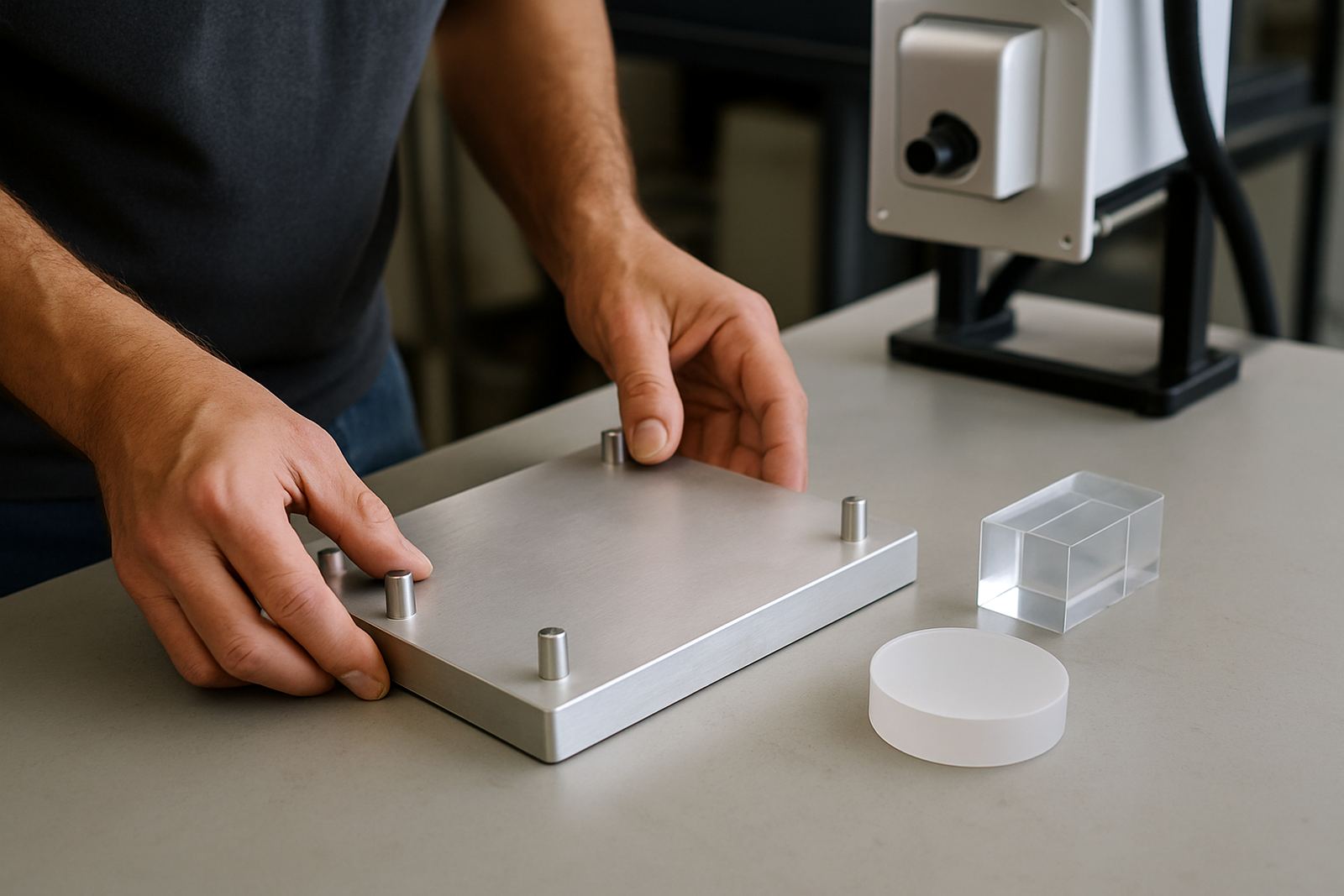
Plastic parts are often light, irregular or flexible, which makes handling just as important as the marking itself. A fixture holds the component in the right position, keeps the focus stable and reduces variation from one piece to the next. Without proper fixturing, the same job can look good on one part and poor on the next.
In a production environment, this becomes even more important when the line is running through load-shedding interruptions or stop-start shifts. If a machine is restarted, the setup must still be easy to verify, and the operator should be able to confirm alignment quickly. That is why training and clear process notes matter just as much as the laser settings.
Our team works with parts lines in Jet Park, Boksburg, Germiston, Kempton Park and beyond, including new installations and upgrades to existing production areas. Refilwe Mahlangu often checks the application requirements, while Thabo Khumalo handles on-site fitment and alignment so the mark matches the customer’s spec from the first run. It keeps things practical, not guesswork.
How to keep marks clean in day to day production
Once the settings are right, the main job is to keep them steady. Plastics can pick up dust, oil and mould residue, all of which can change the mark appearance. A simple cleaning routine, regular lens checks and a quick inspection of the fixture usually prevent most problems before they show up on finished stock.
Preventive maintenance helps as well. On busy lines, a small drift in focus or alignment can go unnoticed until a batch is already complete. That is why service checks, software setup and operator training should be part of the plan from the start, not added after a fault.
- Keep parts free of dust and release residue
- Check focus and position at shift change
- Store sample settings for each product code
- Use one clear approval sample for operators
- Schedule maintenance before failures interrupt the line
For companies in Midrand, Pretoria or Alberton that send plastic parts across South Africa, consistency is the real value. A clear mark on Monday should match the mark on Friday, even if the job is run by a different operator. That is what makes the process useful in production, not just in the sample room.
What South African buyers should ask before ordering
If you are comparing marking options for plastics, ask for evidence on your actual part, not a general promise. The right supplier should be able to show the result on the real material, explain the likely wear over time and give guidance on fixture design, line integration and training. That practical support is especially useful when the line has to run under tight delivery schedules.
At UV Laser, the usual next step is a sample test followed by a clear recommendation for the part and its production rate. From there, the project may include installation, operator training, spares supply and ongoing support nationwide. The aim is simple: a mark that stays readable, does not damage the part and fits into the way your factory already works.
For plastic marking, the best answer is seldom the loudest one. It is the one that stays sharp, stays in place and keeps your production moving, even when conditions shift a bit from one batch to the next.