Why glass needs a cooler marking method
Glass is unforgiving. If the mark process puts too much heat into the surface, you can get micro cracks, frosting that looks uneven, or a mark that fails after washing and handling. That is why UV laser marking is used where clarity matters and the product still has to look clean on shelf or in use.
A UV laser works with short wavelength energy that reacts well with glass surfaces. Instead of forcing a deep engraving, it creates a controlled change in the top layer. The result is a permanent mark that can carry a logo, batch code, date, serial number, or fine pattern without the mess left by inks, stickers or hot contact methods.
For South African factories, that matters on lines that run day and night, where products move through packing and storage in different conditions. In Gauteng, glass items may face dusty plant floors, load shedding starts and stops, and product handling during transport between Jet Park, Germiston and Pretoria. A mark has to survive all of that.
What UV laser marking looks like on bottles, jars and panes
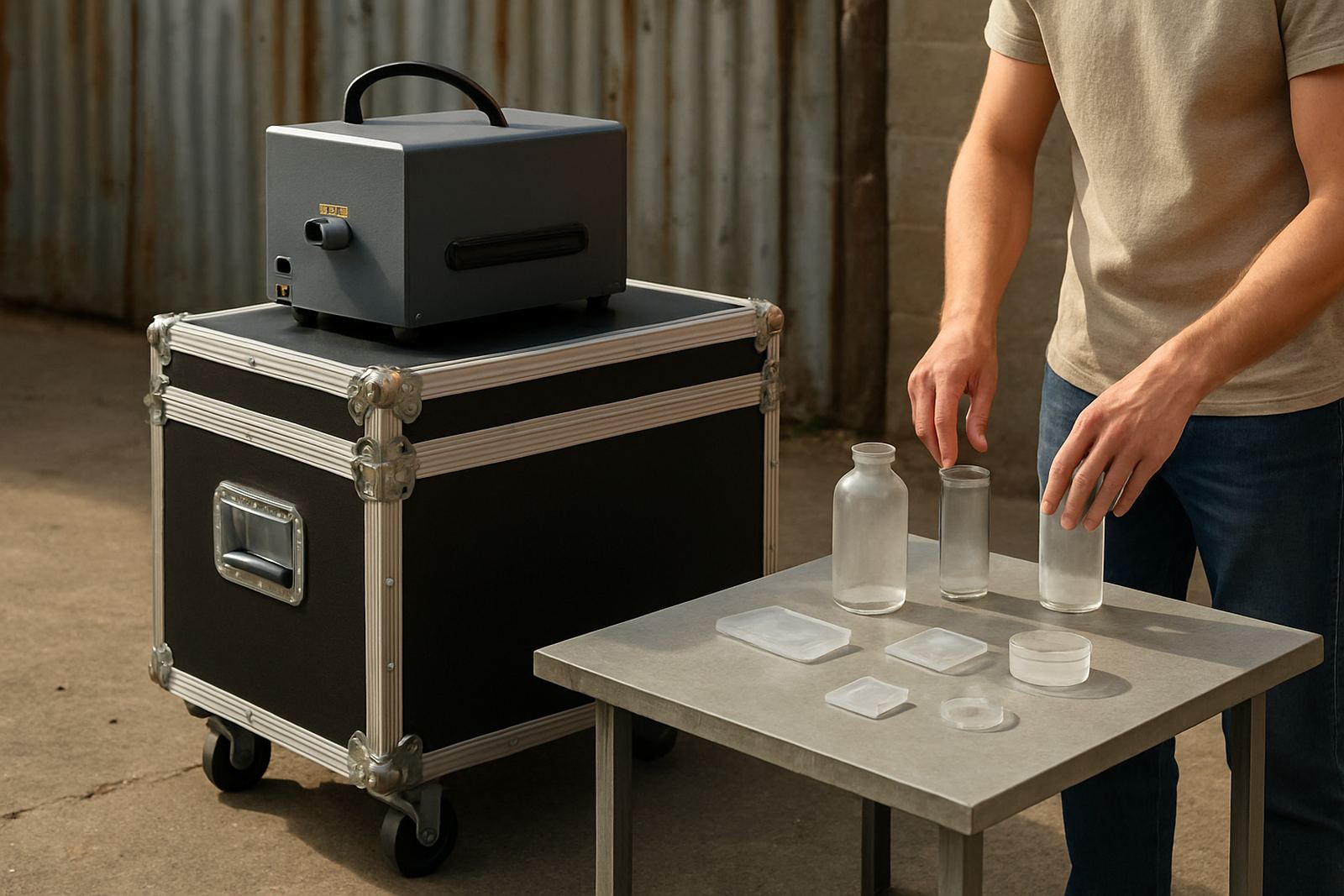
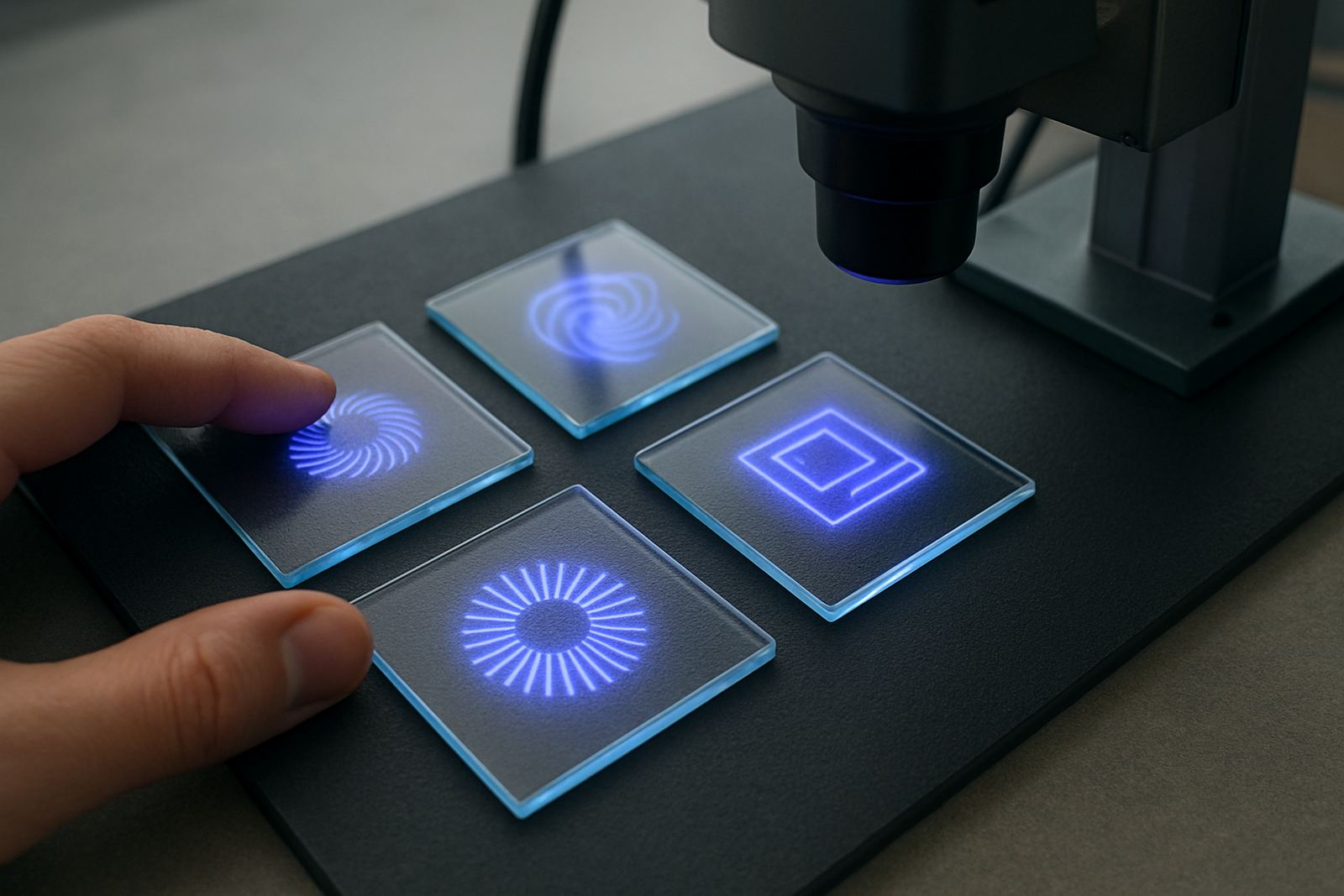
On glass, the finish depends on the product and the setting. Some clients want a crisp white mark on a transparent bottle, while others need a subtle code on a jar base or side wall. For decorative work, the same system can produce logos, line art and small text with steady detail, even on curved surfaces.
The process is suitable for both flat and shaped items, but the setup must match the application. Wall thickness, curvature, coating, and whether the item is moving on a conveyor all affect the result. Refilwe Mahlangu and the applications team will usually test sample pieces first so the mark can be checked before a machine is installed.
- Beverage bottles and liquor packaging
- Cosmetic and fragrance glass containers
- Pharmaceutical vials and laboratory glass
- Household glassware and gifting items
- Technical glass parts that need traceability
That sample stage saves time. If a mark is too faint or too busy, settings can be adjusted before full production starts. For export work or retail packs, that is often the difference between a tidy run and a rework job.
Practical setup points before you mark glass
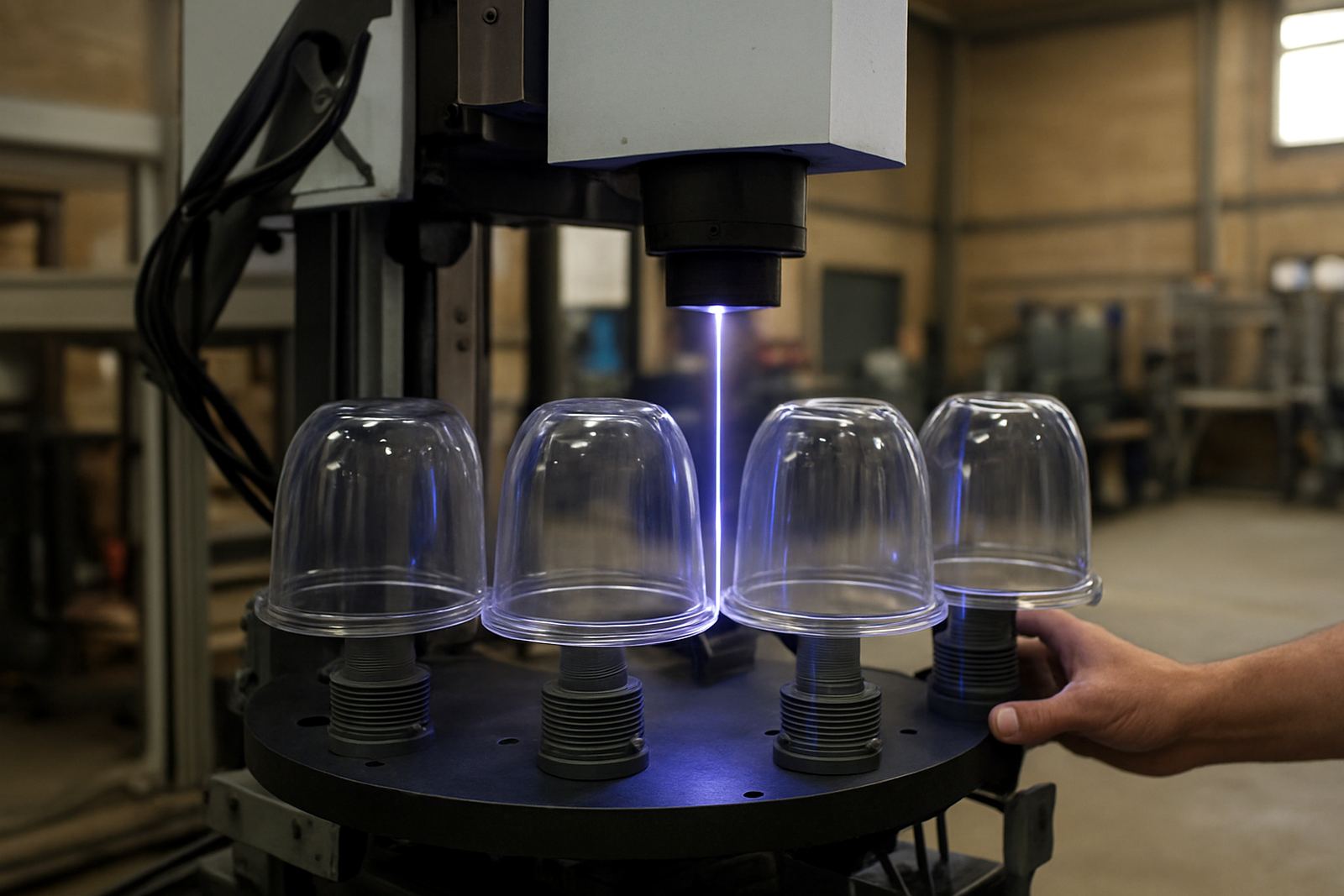
Good marking starts before the laser is switched on. Glass products need to be presented in a consistent position, and the fixture must hold each item steady. If the part wobbles or arrives at different angles, the mark will move and the text may not sit where the label panel should be.
In many plants, the main issues are not the laser itself but handling and alignment. Thabo Khumalo and the installation team often look at feed direction, spacing, and whether the product line needs a simple fixture or a fully integrated marking station. If the line stops often, the marking cycle has to be short enough to keep up, especially where production already feels the strain of power interruptions and busy shift handovers.
- Check the glass thickness and surface finish
- Confirm the mark size, font and contrast needed
- Decide if the mark is for branding, coding or both
- Test the item under normal line speed, not only at hand sample pace
- Plan for dust, vibration and changes in ambient temperature
For factories near the coast, humidity can also affect the wider line environment, so the equipment should be placed and protected with that in mind. A careful setup reduces downtime and keeps the mark consistent from the first bottle to the last.
Where UV laser systems add value in South African production
Glass marking is not only about appearance. In practice, it supports traceability, stock control and compliance. A clear batch code on a jar base or a serial number on a technical glass component makes recalls easier, improves internal tracking and helps with customer service when a query comes in later.
For local producers in Ekurhuleni, the benefit is practical. A site in Jet Park may need a marking unit that can run with minimal operator intervention, while a supplier in Benoni may want fast changeovers between product sizes. A business in Alberton might need a mark that stays readable after washing, packing and movement through a distribution centre.
UV Laser has supported businesses across Germiston, Kempton Park, Midrand and Pretoria with demos, installs and training. The goal is not only to get the mark on the glass, but to make sure operators know how to keep it repeatable on a normal shift. Anele Dlamini handles training so teams understand focus, positioning and the basics of day to day use.
When a line is set up properly, the mark becomes part of the process rather than a problem to chase later. That is useful when production volumes are tight and there is no room for wasted pieces.
Maintenance, breakdown response and keeping the mark steady
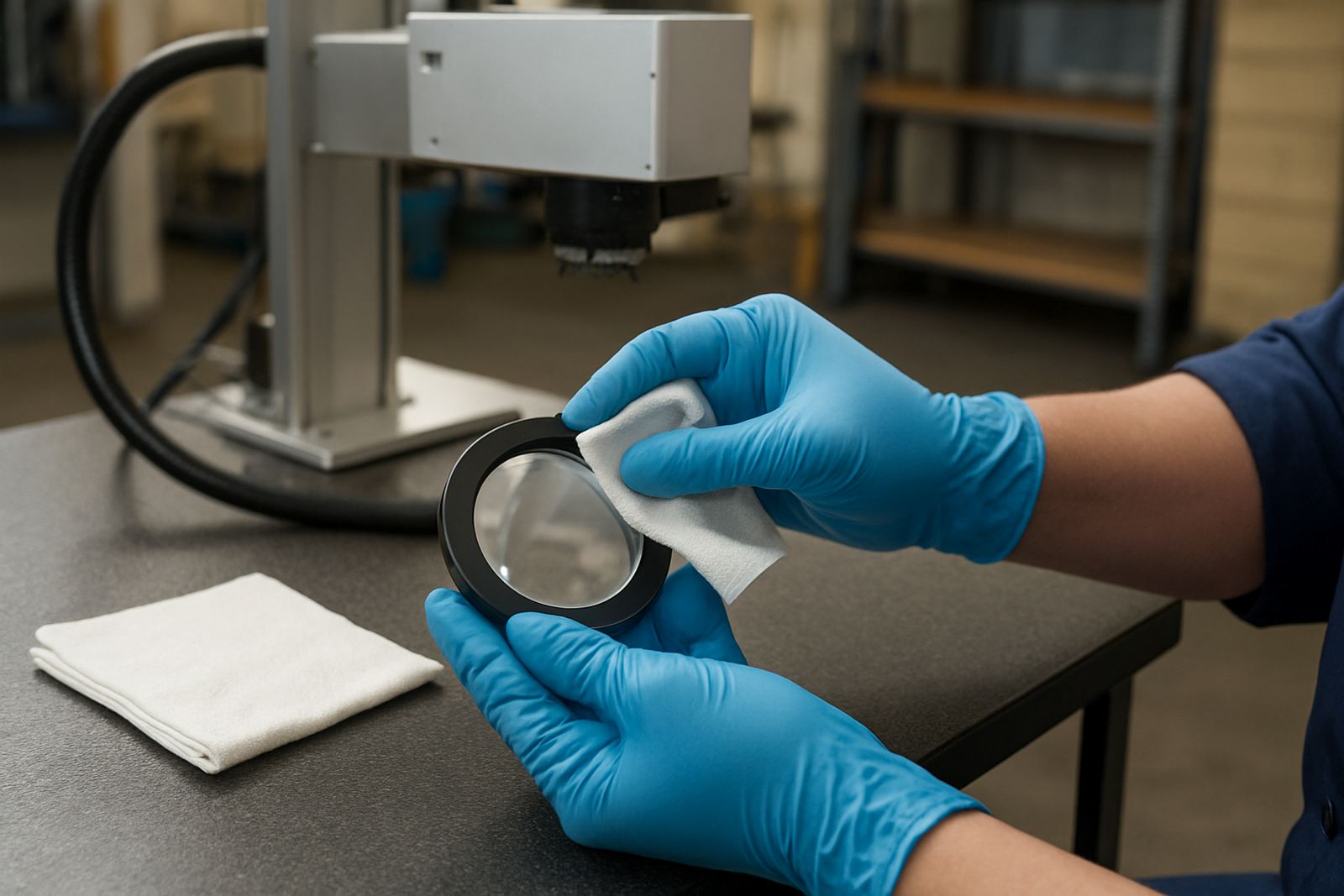
Laser marking on glass is precise, but the overall system still needs care. Fixtures loosen, settings drift, lenses collect dust and software changes can affect output. Preventive maintenance helps stop small issues before they turn into interrupted production or inconsistent marks.
For busy sites, breakdown response matters just as much as installation. Naledi Mokoena and the service side keep track of support calls, spares and scheduled visits so that plants can plan around maintenance instead of reacting after a fault has already stopped the line. If a machine is used daily, a basic maintenance routine is worth the time.
- Clean and inspect the marking area regularly
- Check fixture wear and product alignment
- Keep sample records of approved settings
- Back up software and job files after any change
- Review mark quality after changeovers or power interruptions
Operators should also be shown what normal mark quality looks like. That makes it easier to spot a problem early, before a full batch is affected. In a glass line, a small shift in focus can make the difference between a clean code and a mark that has to be rejected.
A local example from Jet Park to the customer floor
A packaging client in Jet Park may come in with a simple brief: mark a logo and batch code on small glass containers, keep the process tidy, and make sure the line does not slow down. The first step is sample testing. Different glass finishes, curved surfaces and wall thicknesses are tried until the mark meets the required look.
From there, the team can design the fixture, set the software, and install the machine on site. If the line needs integration, that is handled with the existing conveyor and control environment in mind. After commissioning, operators are trained on the actual product, not a mock-up, so they can work confidently once production starts.
That is the practical part of marking glass: a controlled mark, a repeatable setup, and support when the line needs attention. For businesses across South Africa, from Boksburg to Pretoria and beyond, that approach keeps the product readable and the process manageable.
What to ask before choosing a glass marking system
If you are comparing options, start with the product and the end use. Not every glass item needs the same mark depth or the same contrast. A cosmetic jar, a beverage bottle and a laboratory vial all ask for different handling and different settings. It helps to ask the right questions before you commit to equipment.
- Will the mark be purely visual, or must it support traceability?
- Does the glass need to keep a polished appearance after marking?
- Will the item be marked flat, curved or on a moving line?
- Is operator training needed for more than one shift?
- Do you need breakdown repairs and spare parts support locally?
UV Laser works with enquiries through the contact page and supports customers nationwide with site demos, sample testing, machine installation, operator training, fixture design, line integration, preventive maintenance, breakdown repairs, software setup, process optimisation and spares supply. For glass marking, that full support often matters as much as the machine itself.