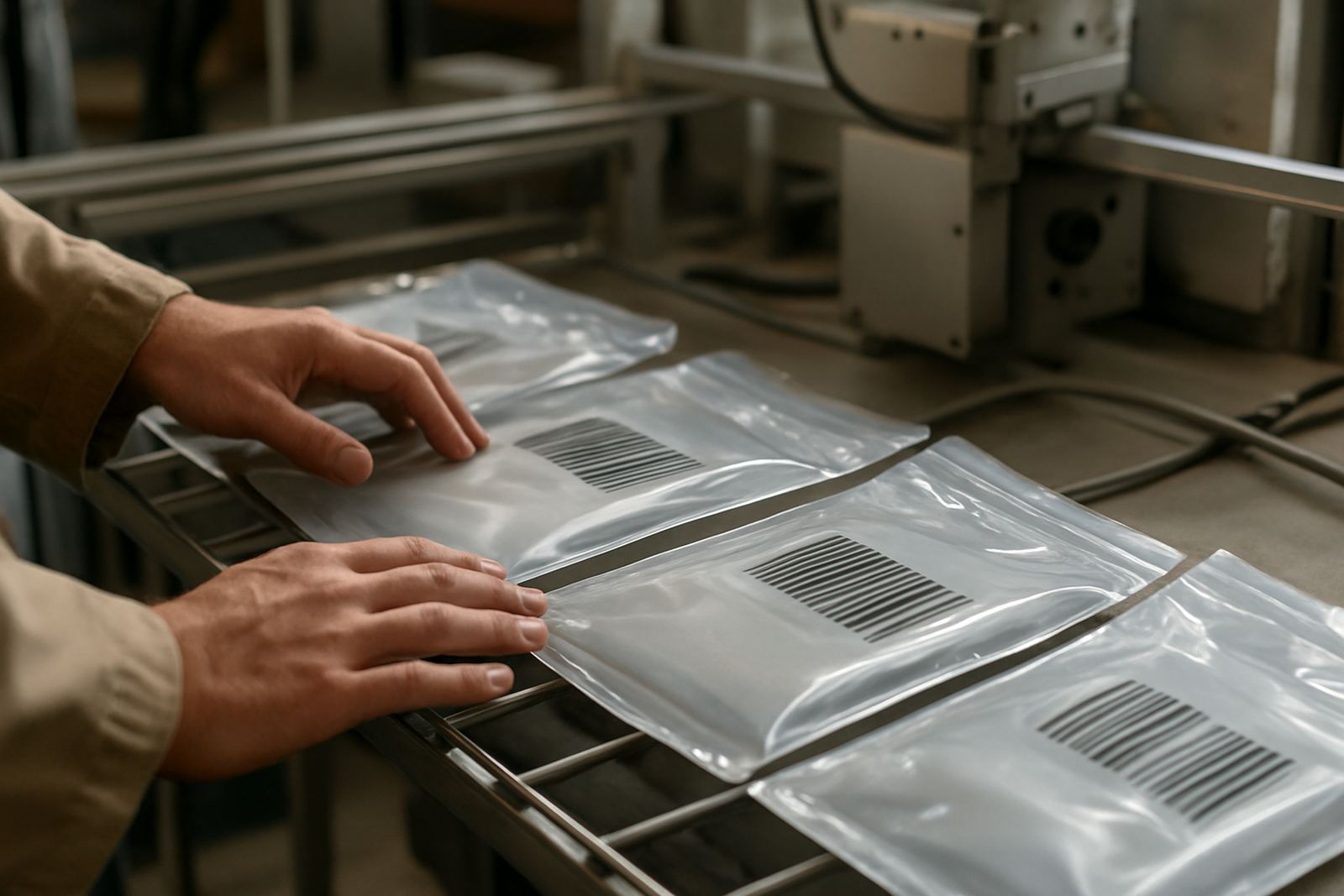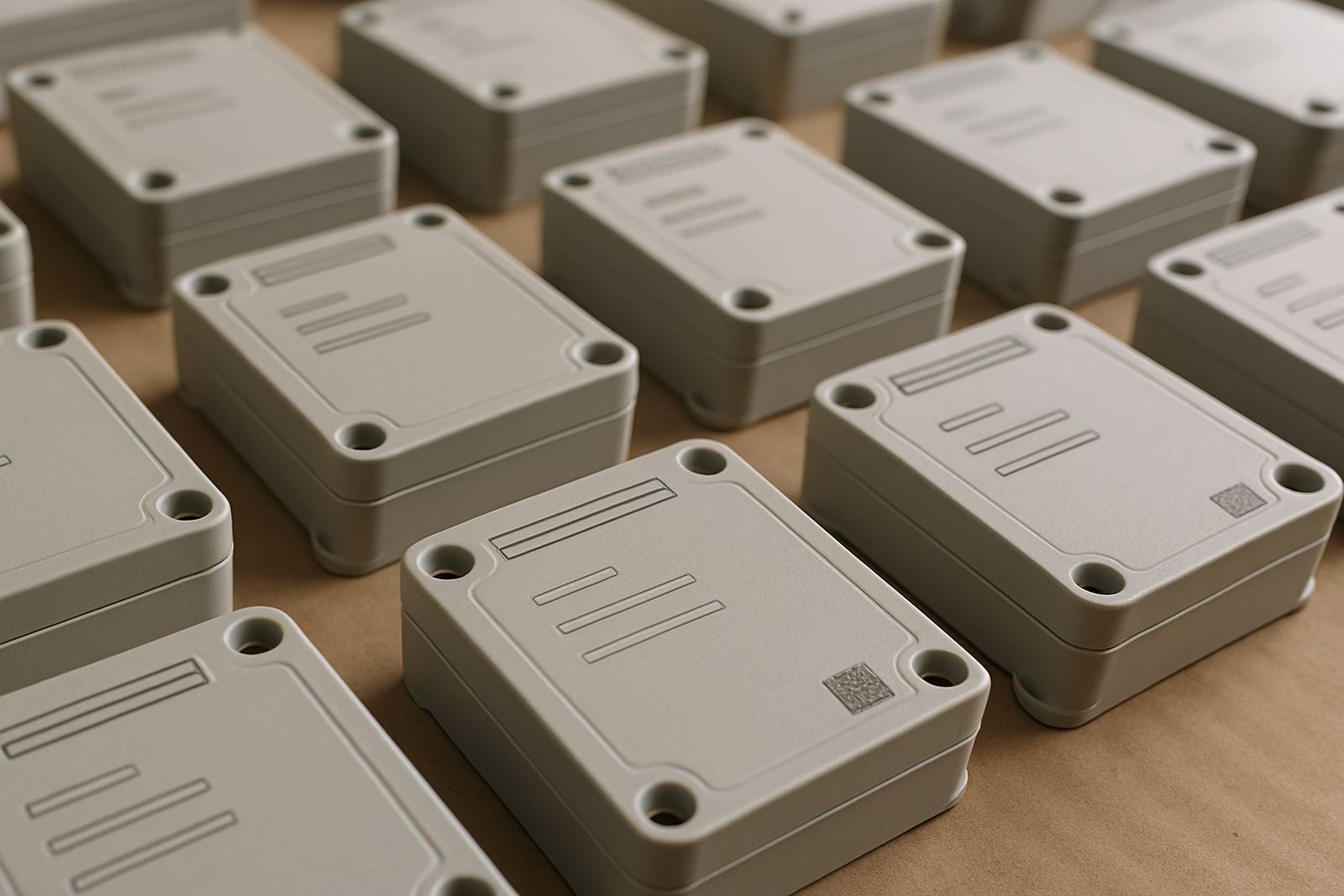
Why serial numbers matter on glass and plastics
In many plants, serial marking starts as a compliance requirement and quickly becomes part of day to day control. A unique mark on each item lets you trace batches, record production dates, and link products back to the right machine setting or operator. That matters when a customer calls with a query, or when you need to isolate one run from the rest.
On glass and plastics, serialisation also helps keep markings permanent enough for the product life cycle. Labels can peel, ink can fade and stickers can lift in warm, humid stores. A laser mark stays with the item and does not add another consumable to manage. For operations teams, that means fewer variables and cleaner records.
In practical terms, serialised marking supports three things that every factory needs: traceability, stock control and product accountability. It also helps with recalls, warranty tracking and checking whether a finished item actually passed through the right production stage.
What a good serialisation system should do on the line
A serialisation process should fit the pace of the line not slow it down. If the mark takes too long, the whole output suffers. If the code is too small or inconsistent, operators and scanners struggle to read it. The right setup balances speed, legibility and repeatability.
For glass and plastics, the marking window, fixture position and part orientation all affect the result. A bottle, jar, moulded cap or clear plastic housing may need different handling to keep the mark in the same place every time. That is why sample testing and fixture design are part of a proper serialisation plan.
- Consistent code placement on every part
- Readable marks for human checks and scanning
- Permanent marking that suits the material
- Fast cycle times that match production speed
- Simple changeover between product ranges
If you are managing several SKUs, variable data setup matters too. The mark must change cleanly from one serial number to the next without confusion on the line, and without extra manual input that can lead to errors.
Traceability starts before the first mark is fired
Many factories think about serial numbers only at the end of production. In practice, traceability starts earlier. You need to decide what the serial will represent, how it will be generated and where that data will live. Some businesses use a simple sequential system, while others link the code to batch, shift, date and plant location.
The cleaner the logic, the easier it is to manage product history later. If a part is returned from Durban or a finished item is queried by a buyer in Midrand, your team should be able to check the serial and see its production record without digging through piles of paperwork.
Good serialisation planning usually covers:
- Code format and length
- Batch or lot linkage
- Operator verification steps
- Data storage and export requirements
- How rejected items are handled
When the system is set up properly, serial marks become part of the production record, not an extra admin task tacked on later. That saves time and reduces mistakes, especially where multiple shifts are running.
A local example from a plastics line in Ekurhuleni
At a plastics operation in Jet Park, the team needed serial numbers on clear moulded parts used in downstream assembly. The parts were small, the surface was slightly curved and the line could not afford long stop starts. The main challenge was keeping every mark in the same position while still allowing the code to stay readable under workshop lighting.
After sample testing, the team settled on a fixture that held each part at the same angle and a software setup that updated the serial automatically. The result was cleaner marking, less rework and easier stock checks at dispatch. Because the codes were consistent, the warehouse team could match cartons to production runs without opening every box.
This kind of setup is useful in places like Boksburg, Germiston and Kempton Park where production sites often work with tight floor space and multiple product lines. It also helps during load-shedding planning, because once the line is running again you want a marking process that comes back in the same position with minimal adjustment.
Training, maintenance and line discipline keep the system working
Even a good serialisation system can fail if operators are not trained properly. People need to know how to check the code, confirm the sequence and spot a bad mark early. A short training session is often enough to prevent repeat errors, but it has to be practical and based on the actual machine on site.
Maintenance matters too. Optical alignment, fixture wear and dust build-up can all affect mark quality. In dusty industrial areas or coastal humidity conditions, regular cleaning and inspections help keep the process stable. For plants that run every day, preventive maintenance is usually cheaper than breakdown repairs and rushed corrective work.
- Check mark quality at the start of every shift
- Verify serial sequence after changeovers
- Keep fixtures clean and correctly aligned
- Record any rejected marks immediately
- Schedule maintenance before faults spread
When the team knows what a good mark looks like, problems get caught early. That protects your records and cuts down on waste.
Choosing a serialisation setup that suits South African production
South African factories need marking systems that cope with real conditions, not ideal ones. That means dust, vibration, power interruptions and varied product runs. A serialisation solution should handle those pressures while still producing clear, permanent marks on glass and plastics.
The best approach is usually a site review, sample testing and a proper look at your current process flow. From there, you can decide whether you need line integration, software setup, fixture design or a simple standalone station. The right answer depends on volume, product shape and how much operator input you want on each shift.
For businesses in Pretoria, Alberton, Benoni or Midrand, the aim is the same: create a marking process that gives you traceability without making production harder. When serialisation is planned well, it supports stock control, product accountability and cleaner records across the board.
That is where practical support makes the difference. A system should be installed with the actual product in mind, then tested and trained so the team can run it confidently day after day, not just on the first week.
When serialisation becomes part of everyday control
Serialisation works best when it becomes part of the normal workflow rather than a special step someone has to remember. Once the code, fixture and data process are set up correctly, operators can treat it like any other production task. The benefit is not only traceability, but better control over stock movement, claims and accountability across the business.
For manufacturers and packers, that control is often worth more than the mark itself. It tells you what was made, when it was made and where it went. And when a customer needs an answer, you have one quickly instead of piecing it together from memory and handwritten notes.
That is the practical value of serialised marking on glass and plastics. It gives the business a record it can trust, and that is hard to replace once the line is busy.