Why direct marking changes the cost per part
With label-based marking, the spend does not stop at the label itself. There is ribbon, glue, print heads, reprints, manual application and the labour to keep all of it moving. Direct laser marking removes most of that daily churn, so the cost per part becomes easier to track and usually easier to reduce.
For South African operations, that matters when production is already under pressure from load-shedding, tight margins and the need to keep lines moving with fewer stoppages. A UV laser mark on glass or plastics is permanent, which means less rework and fewer rejects caused by poor adhesion, smeared print or labels peeling in humid conditions near the coast.
- Lower consumable spend over time
- Less labour tied to printing and application
- Fewer rejects from damaged or missing marks
- Cleaner traceability for batches, dates and codes
Where the savings usually show up first
The first return often shows in places that are easy to miss on a monthly report. Consumables drop, but so do small delays caused by changing rolls, correcting print quality and clearing up sticky residue. On busy lines, those minutes add up fast.
At a plastics packaging plant in Ekurhuleni, for example, a change from printed labels to direct marking on selected containers can reduce handling steps on the line. If operators no longer need to apply and inspect labels, the team spends less time on repeat checks and more time on output. That is where ROI starts to make sense, because the saving is not one big number, it is many small ones across the shift.
- Fewer pauses for label changes
- Reduced stock holding for consumables
- Less time spent on quality corrections
- Smaller waste volumes from misprints and damaged labels
Glass and plastics need a clean, repeatable mark
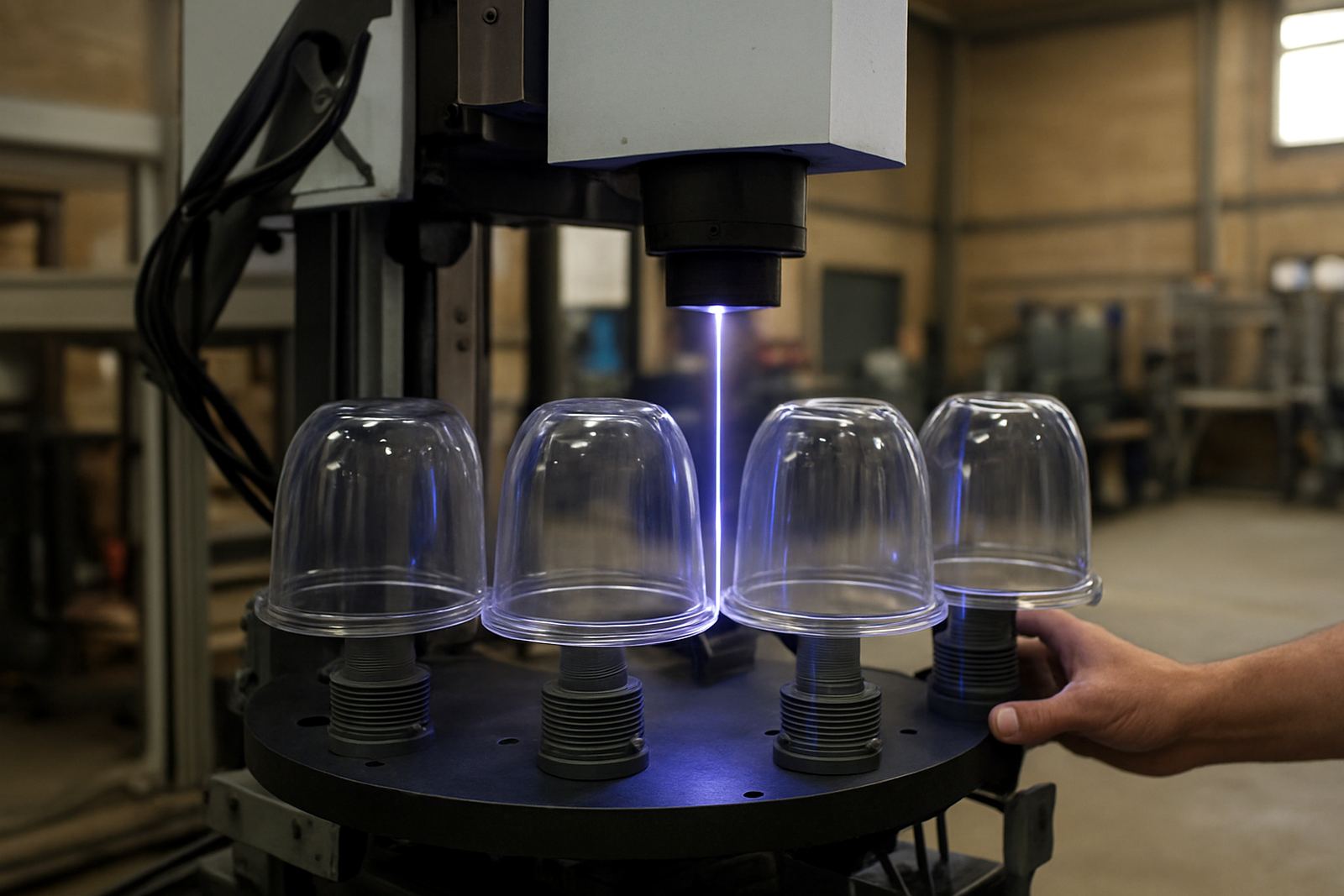
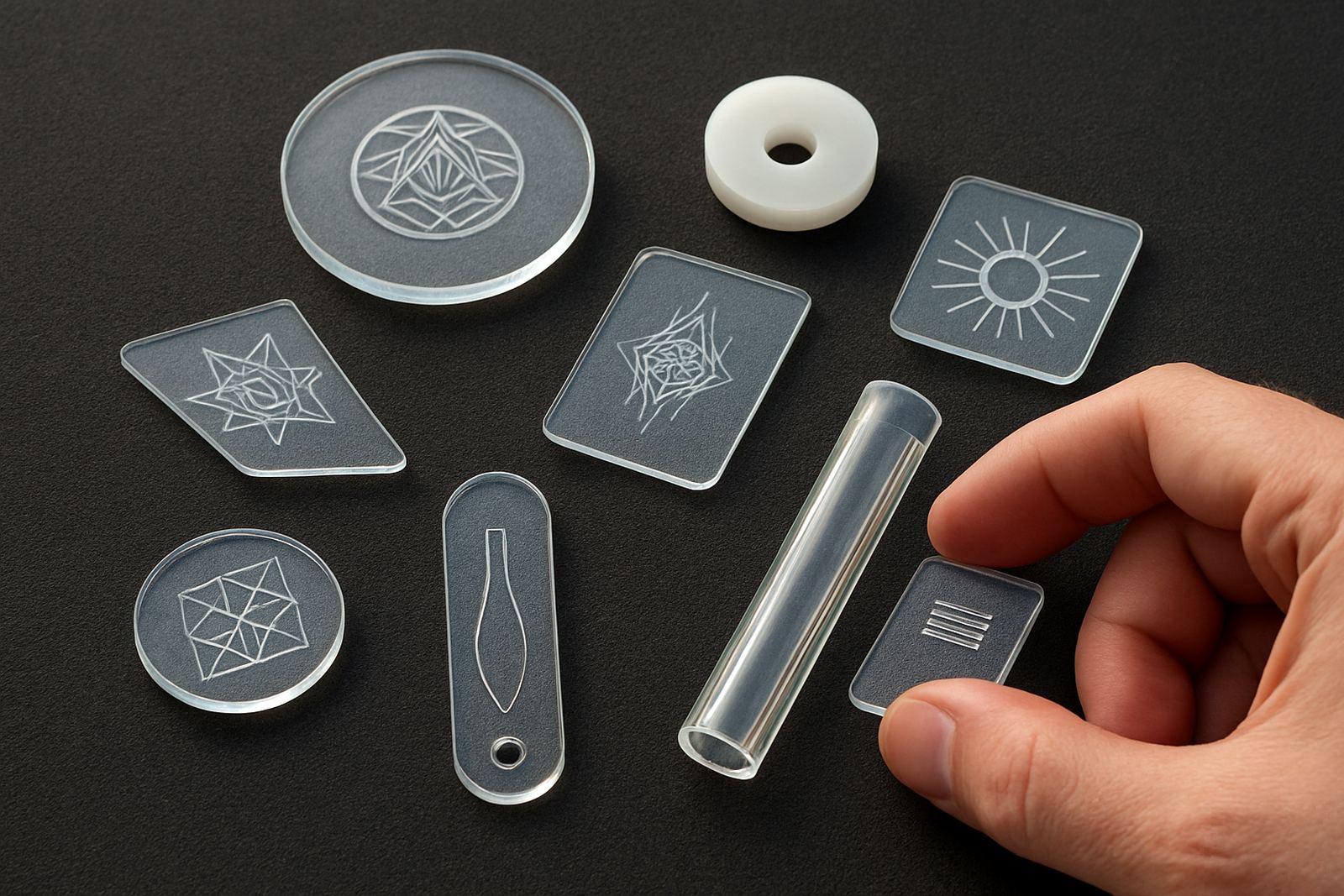
Glass bottles, jars and technical glass parts need a mark that stays readable through washing, handling and storage. Plastics can be just as demanding, especially when the surface is curved, clear or textured. UV laser marking is well suited to these materials because it can produce precise, permanent marks without inks or solvents.
That consistency helps when the product has to carry batch codes, regulatory details or brand elements. It also helps when the same line runs more than one format. If you are marking small pharmaceutical-style containers in Midrand one day and cosmetic packaging in Benoni the next, the setup should be repeatable and controlled. A good process keeps the mark where it should be and avoids excess handling.
- Clear codes and logos on transparent or coloured materials
- Permanent marking without wet consumables
- Suitable for branding, labelling and traceability
- Useful on small runs and higher-volume production alike
How to measure ROI before you commit
Before you buy any marking system, work from your own numbers. Start with the current cost of labels, inks, ribbons, rejected product, operator time and maintenance. Then add the hidden cost of stoppages, because those minutes can be more expensive than the consumables themselves.
A simple ROI check should include the line rate, the number of shifts, the material type and the amount of rework you see every month. If your plant runs across several product sizes, build the estimate around the worst case rather than the easiest one. That gives a more honest picture of payback and keeps the business case grounded in real production.
- Monthly spend on consumables
- Average downtime linked to marking issues
- Rejects caused by poor print or label failure
- Labour used for application, checking and rework
A Jet Park example from local production lines
In Jet Park and the wider Boksburg area, many manufacturers work with mixed production schedules, short lead times and tight floor space. A direct marking setup can help when the line needs less clutter and fewer manual steps. That is especially useful where humidity, dust and frequent cleaning make conventional marking less reliable.
Take a local plastics producer supplying parts into Gauteng distribution. If the previous process relied on printed labels that needed regular replacement, the team may have had to stop the line for simple tasks that do not add value. After moving to direct marking, the same batch data can be applied more consistently, with less storage for consumables and less chance of labels lifting in transit. The result is not magic, just a tighter process and better control.
For companies in Germiston, Kempton Park, Alberton or Pretoria, that same logic applies when the priority is to keep production moving and reduce wasted handling. It also helps when a customer audit asks for traceable marks and the records need to be clear and legible.
Getting the most out of the system after installation
ROI improves when the machine is matched properly to the job and the team knows how to run it. A poor fit on fixtures, software or line timing can wipe out the saving. That is why sample testing, process checks and operator training matter as much as the hardware itself.
Good support after installation should include training, fixture design, preventive maintenance and software setup, plus breakdown repairs when needed. For a plant that cannot afford a long stoppage, spare parts planning matters too. The aim is simple: keep the mark consistent, keep the line moving and avoid extra trips back to the machine for avoidable faults.
- Test sample parts before committing to full rollout
- Check line speed and marking position on site
- Train operators to spot quality issues early
- Review maintenance intervals for your environment