Why low waste marking matters on busy production lines
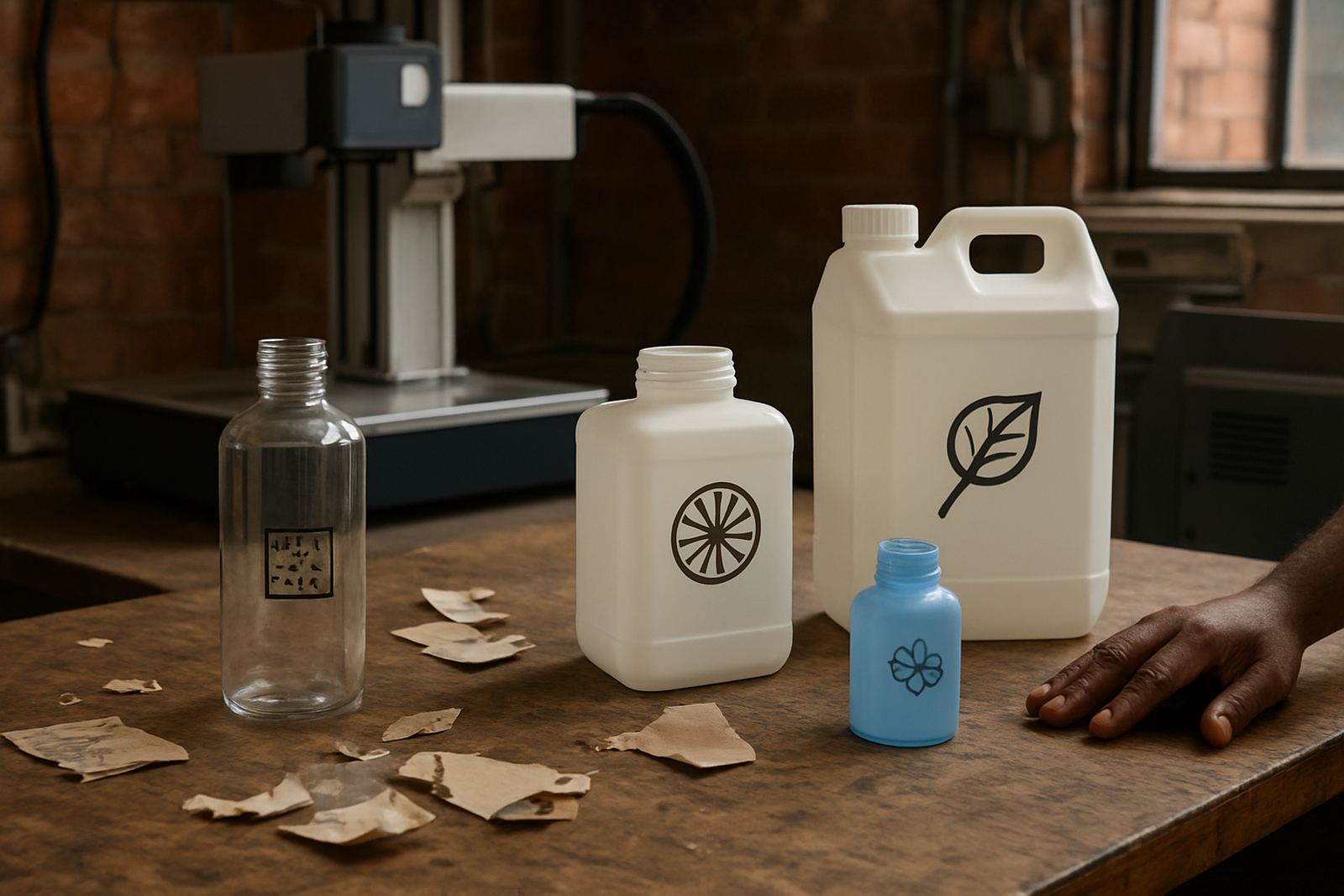
When a line is running in Jet Park, Germiston or Benoni, every extra step costs time. If a product needs a label, adhesive, ribbon or rework after print failure, you are adding materials and labour to something that should have been finished first time. Direct UV laser marking removes a lot of that waste by putting the mark straight onto the glass or plastic surface.
That matters in plants where load-shedding, shift changes and short production runs already put pressure on output. A good marking process should not create more scrap than the product itself. With the right setup, the mark becomes part of the item, not a separate process that can peel, shift or get damaged in transit.
For manufacturers serving retail, industrial or export clients, low waste is not only about saving a few Rand on consumables. It also helps keep traceability intact, lowers the number of items sent back for relabelling and reduces the chance of secondary handling damage. In practical terms, that means less stock sitting in quarantine and less time spent trying to fix avoidable errors.
How direct UV marking cuts relabelling and reject stock
UV marking works well where the finish must be permanent but the product should still look neat. On glass bottles, jars, cosmetic containers and clear plastics, a focused mark can carry a logo, batch code, serial number or product detail without needing stickers or sleeves. The biggest waste saving comes from consistency. If the mark is placed in the same position every time, the line team has fewer reasons to reject items for poor appearance or unreadable codes.
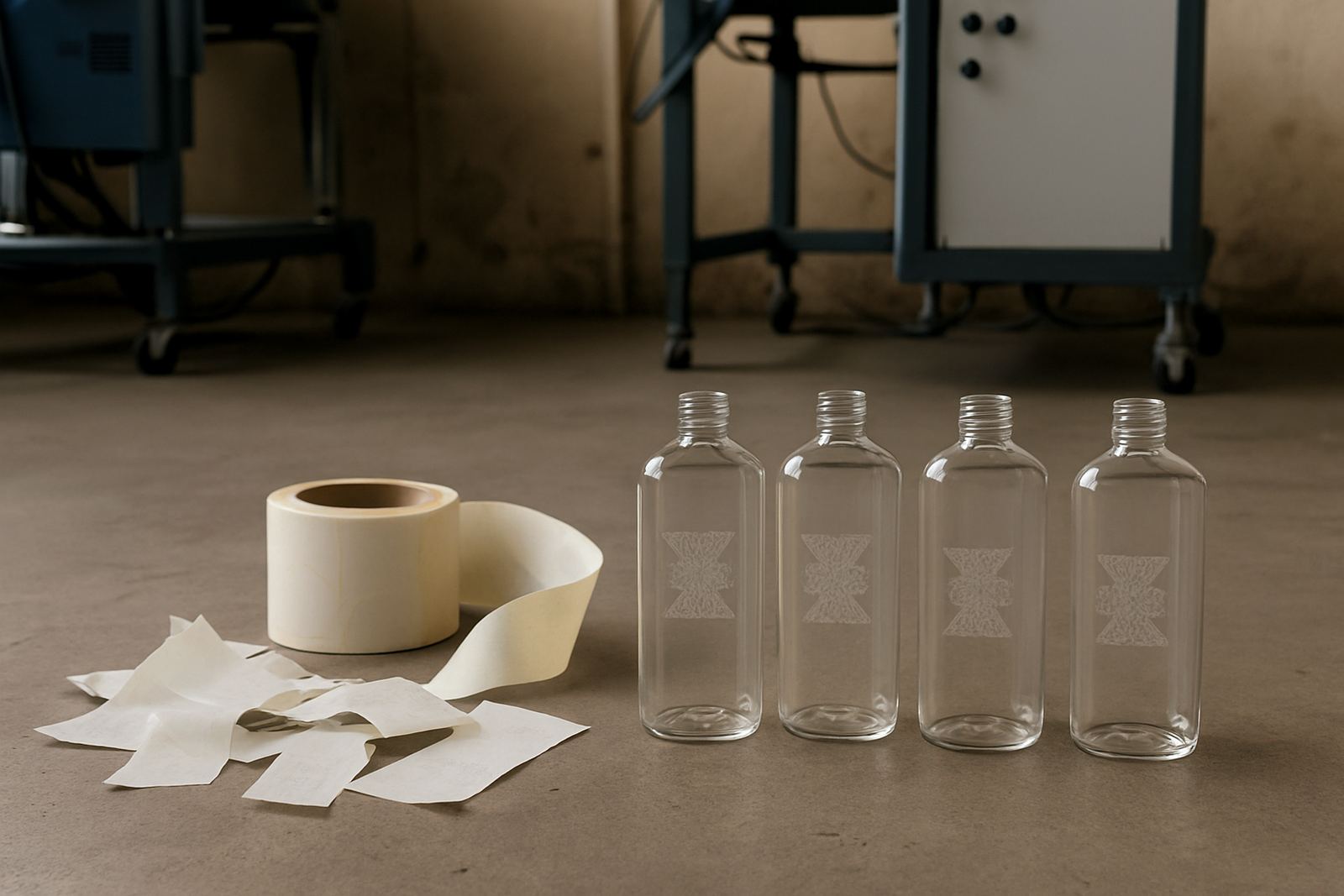
In many plants, relabelling waste starts with simple issues: a label that lifts at the edge, a code that rubs off in packing, or stock that must be opened again because the wrong batch number was applied. Direct marking removes those failure points. It also reduces the materials that need to be ordered, stored and reconciled at month end. That is useful for businesses trying to keep control over small recurring costs, not just the big purchase orders.
- No label stock to manage for every item
- No adhesive residue on glass or smooth plastic surfaces
- No ink drying time before packing
- No reprint waste when a label misfeeds
- No loose labels in packaging that can cause customer complaints
For many sites, the change is immediate. One process disappears, and with it a chunk of waste that used to be treated as normal.
Choosing products and materials that suit low waste marking
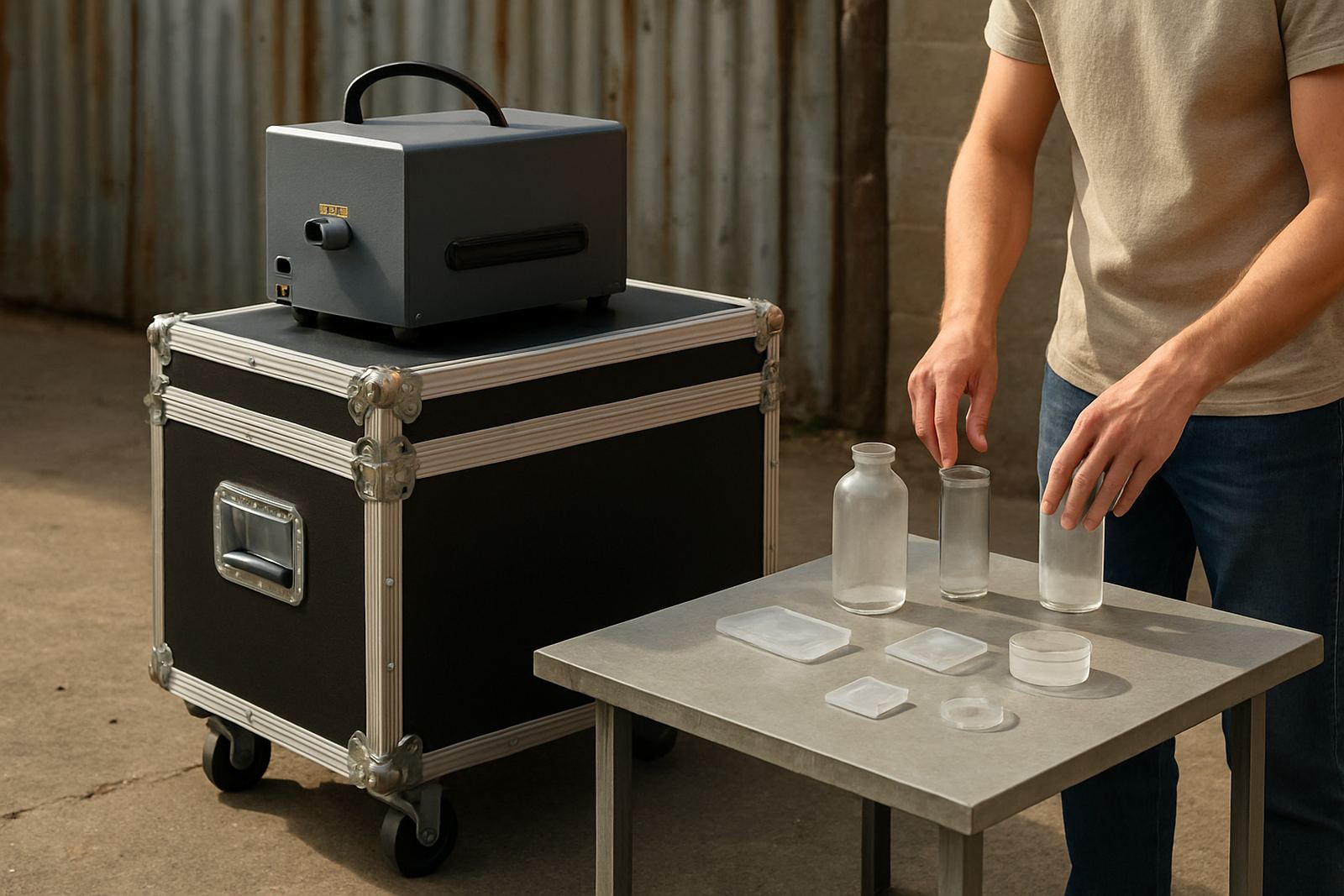
Not every substrate behaves the same way, so the first step is sample testing. Glass, clear plastics, coloured plastics and coated parts can all react differently to the marking process. A proper test tells you whether the mark should be lighter, darker, finer or placed on a different area of the product. That stops waste before full production starts.
Businesses around Midrand and Pretoria often need mixed runs, where one line carries several product sizes or variants. In that case, fixture design matters as much as the marking itself. If the part sits too loosely, the mark can drift. If the fixture is hard to load, operators waste time and may rush the job. Well-made fixtures keep the part steady and help the line move faster with less rework.
It also helps to set realistic expectations for finish and contrast. A mark that looks ideal on a sample at the start of the day must still look right after 500 or 5 000 units. The best low waste result comes from matching the process to the product, rather than forcing one setting to suit everything. That keeps reject stock low and helps your team stay in control, even when volumes change through the week.
A practical example from a Gauteng packaging line
Consider a packaging operation in Ekurhuleni producing glass jars and clear plastic lids for local distribution. Before direct marking, the team used separate labels for batch identification and branding. On warm days the labels were harder to apply cleanly, and on some shifts the packs needed a second pass because the print position had shifted. The result was more scrap, more rework and a fair amount of secondary handling.
After moving to UV marking, the site tested a few mark positions, adjusted the fixture and trained the operators on the new process. The line no longer needed label inventory for those items, and the rejected packs dropped because the code was applied at source. The team still had normal checks, of course, but there was less waste from peeling, misalignment and damaged packaging. A small process change made a real difference to daily output, especially when the plant had to catch up after power interruptions.
That kind of result is common in glass and plastics because the mark is part of the product from the start. There is less movement between steps, less chance of contamination from glue or ink, and less room for error once the setup is correct.
What support helps keep waste down after installation
Low waste marking is not only about the machine. It depends on how well the process is set up and maintained. Site demos, sample testing and operator training all help the team learn what good output looks like before full production starts. Once the machine is installed, process tuning and preventive maintenance keep it running at the same standard. If the settings drift, waste can creep back in quietly.
A good support plan should cover more than the initial handover. On a live line, problems like fixture wear, software settings, minor alignment changes and part variation can affect marking quality. That is why local support in Jet Park, Boksburg and surrounding areas is useful, with nationwide assistance for plants in other provinces too. When a line is under pressure, quick breakdown repairs and spares supply help avoid batches of bad product.
- Site demos to confirm the right marking method before purchase
- Sample testing on actual glass and plastic parts
- Operator training for daily use and fault checks
- Line integration so the marking station fits the flow
- Preventive maintenance to reduce unplanned downtime
When the process is stable, less material gets wasted and fewer items need to be touched twice.
How South African factories can start reducing marking waste now
The easiest way to start is to review where waste is happening today. Look at relabelling, rejected packs, damaged labels, reprint rates and stock that comes back from dispatch. If the same faults keep appearing, there is likely a process issue rather than an operator issue. From there, sample testing can show whether direct UV marking is a practical fit for your products.
Factories in Alberton, Kempton Park and Benoni often work with tight space and mixed equipment, so the marking station has to be planned carefully. A simple layout change can reduce walking time, make loading easier and cut the chance of mishandled parts. For larger plants, software setup and process optimisation can help track codes and settings across multiple jobs. That keeps the system tidy and makes it easier to train new staff as production changes.
Low waste marking is not a slogan. It is a practical way to reduce one-off consumables, avoid repeat handling and keep product identification clear from the start. For businesses that care about cost control and clean presentation, direct marking is often the cleaner route, especially on glass and plastics where labels can be a weak point.