What line integration covers on your production floor
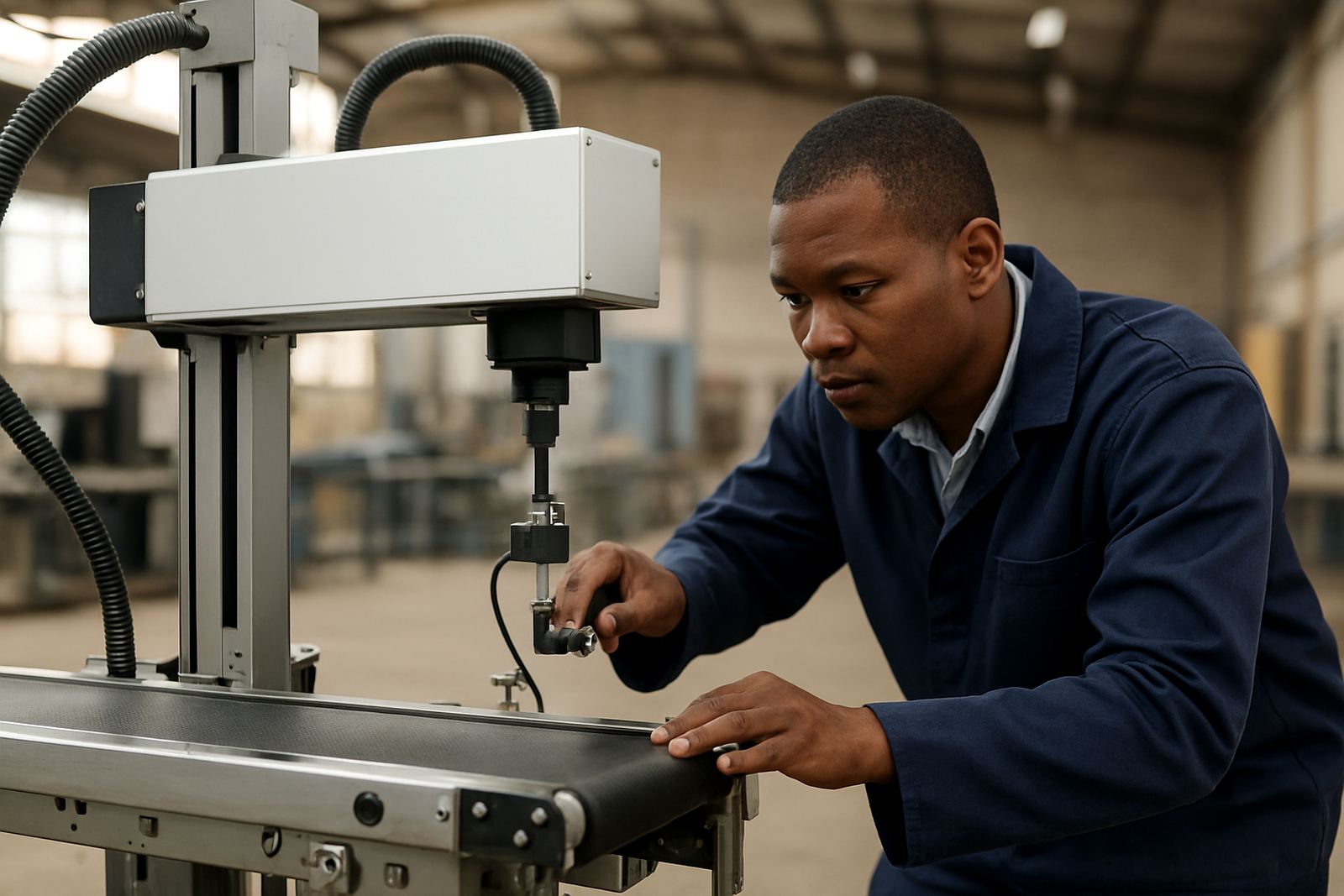
Line integration is the practical link between the marking unit and the rest of your production process. For glass, plastics and other packed goods, we check how products move, where they are presented, and how the mark is triggered. That can include conveyor height, product spacing, sensor position, reject timing and the physical fit of the marking head into the line. The aim is simple: consistent marks without slowing the line or creating unnecessary handling.
We work with factories in Jet Park, Boksburg, Germiston, Kempton Park, Benoni, Alberton, Midrand and Pretoria, and we also travel nationwide for sites in Durban, Cape Town, Gqeberha and smaller industrial areas. On site we assess the line under real production conditions, not just in theory. That matters where there is dust, vibration, uneven floors or load-shedding interruptions that affect restart timing and product flow.
- Conveyor alignment and marking position checks
- Sensor placement and trigger signal setup
- Physical fitment into existing frames and guarding
- Product flow checks for single and multi-lane lines
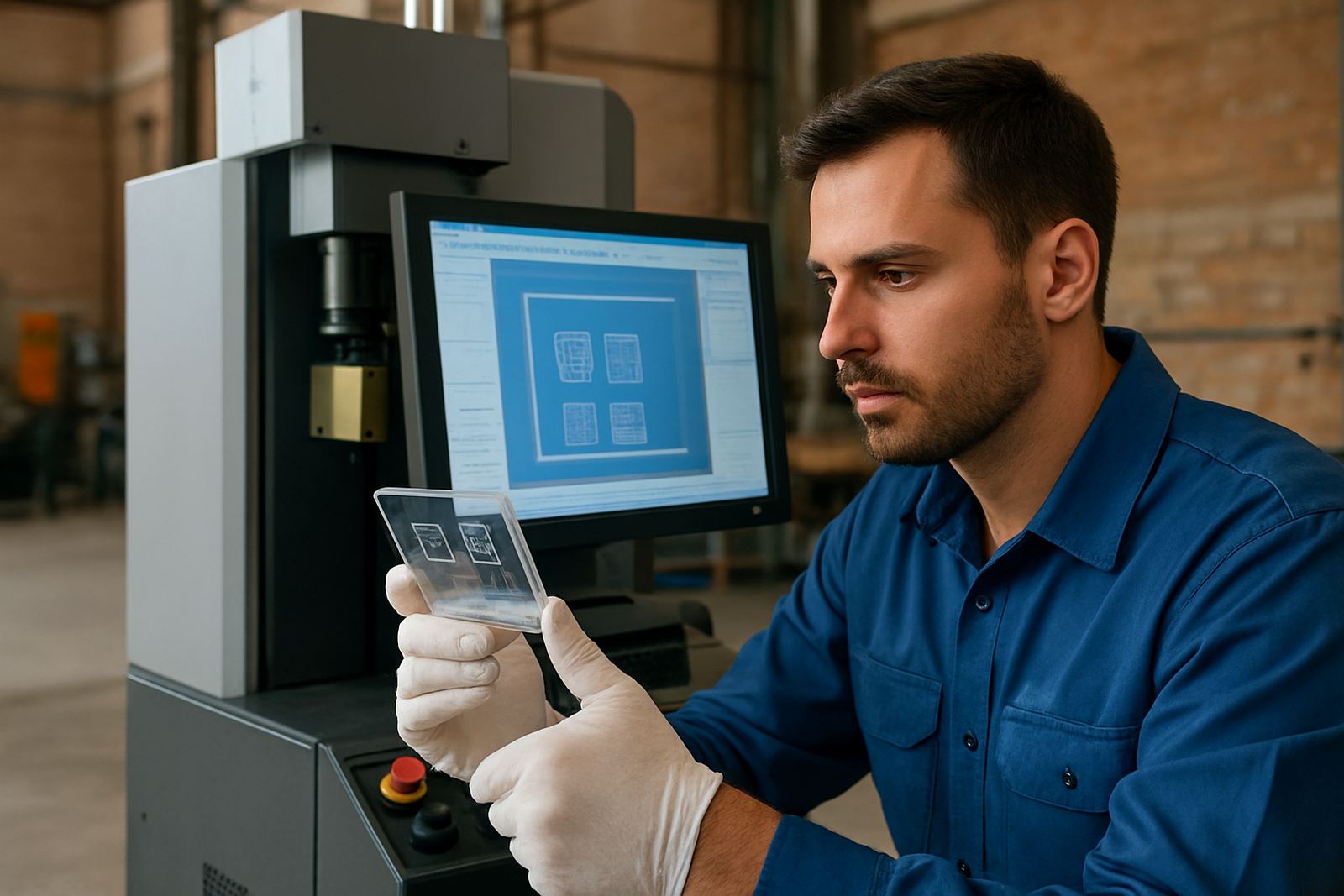
- Mark consistency testing on sample packs or finished goods
How we set up a line for reliable marking
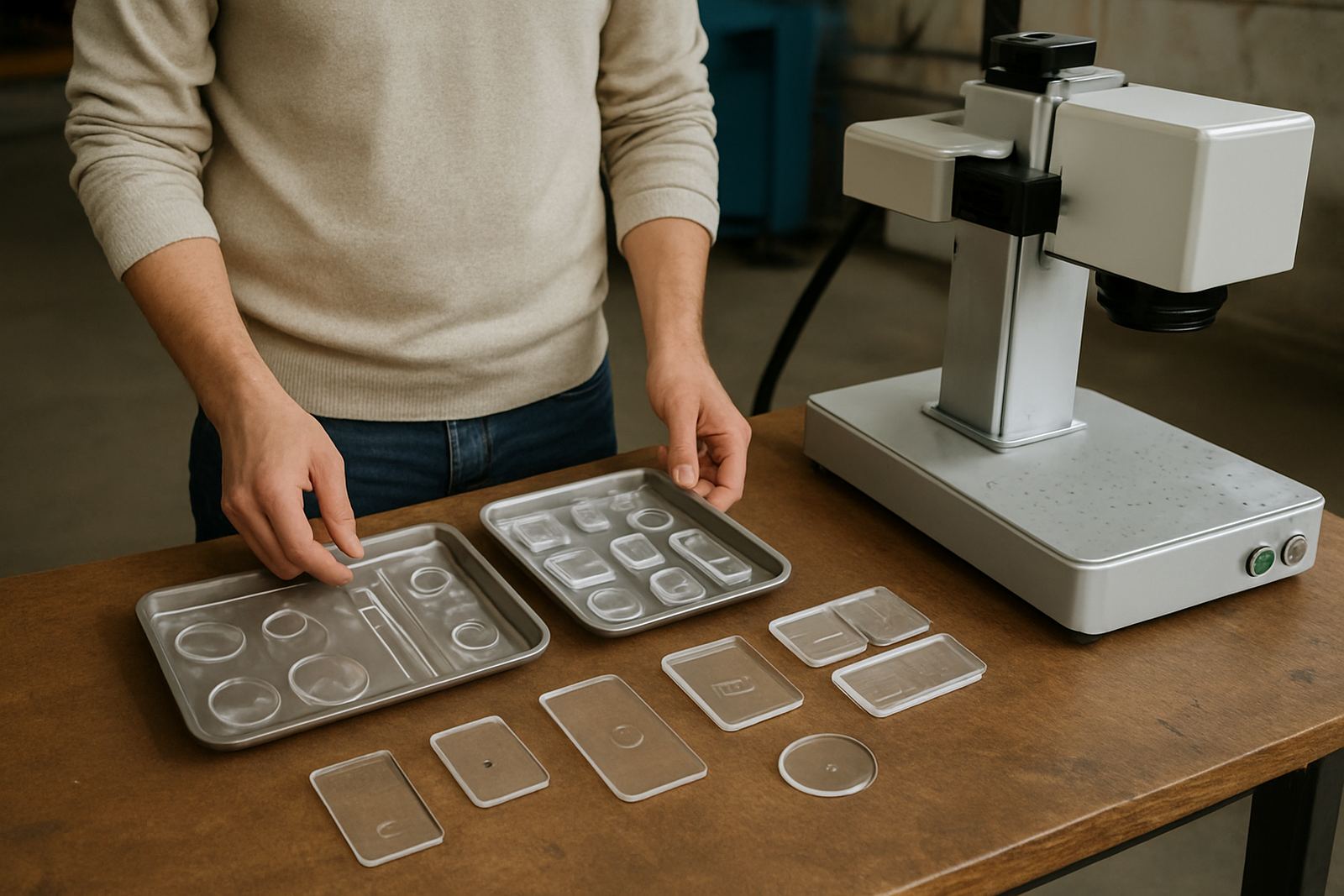
Every integration starts with a site visit or a detailed remote review if the line is already documented. We look at conveyor speed, product dimensions, line direction, available mounting space and the type of marking required. For glass, we often need careful control of height and focal distance to keep the mark clear and permanent. For plastics, we also check surface finish, curvature and how the product sits during marking.
The hardware side normally includes mounting brackets, adjustment points, cable routing and any guarding needed for safe operation. Where a production line uses photoelectric sensors, PLC signals or other control inputs, we map the trigger logic so the mark lands in the right place every time. If the line runs in a warm or humid area, we also account for condensation, dust build-up and cabinet cooling. In coastal sites that matters a lot, even inland plants can have moisture issues during summer.
- Line speed and spacing review
- Mounting height and focal distance setting
- Signal timing and trigger testing
- Cabinet, cable and airflow checks
- Operator handover once test marks are approved
Typical project stages from first visit to handover
Most projects follow a clear sequence so production teams know what to expect. First we review the job and the product samples. Then we confirm the marking area, power requirements and any controls that need to be connected. After that we do the physical installation and line set-up, followed by test runs at normal speed. If the job needs fixture design or a custom presentation point, we handle that before final sign-off.
For busy plants, we often schedule work around shift changes, maintenance windows or weekend stoppages to limit downtime. A simple line tie-in can be completed in a day, while a more involved multi-point integration may need a few days for fitting, trials and operator sign-off. If the line needs software setup or process changes, we allow extra time for testing. We would rather leave with a working line than rush out too early.
- Site review and sample testing
- Mechanical fitment and cable routing
- Trigger setup and speed matching
- Trial marks and product verification
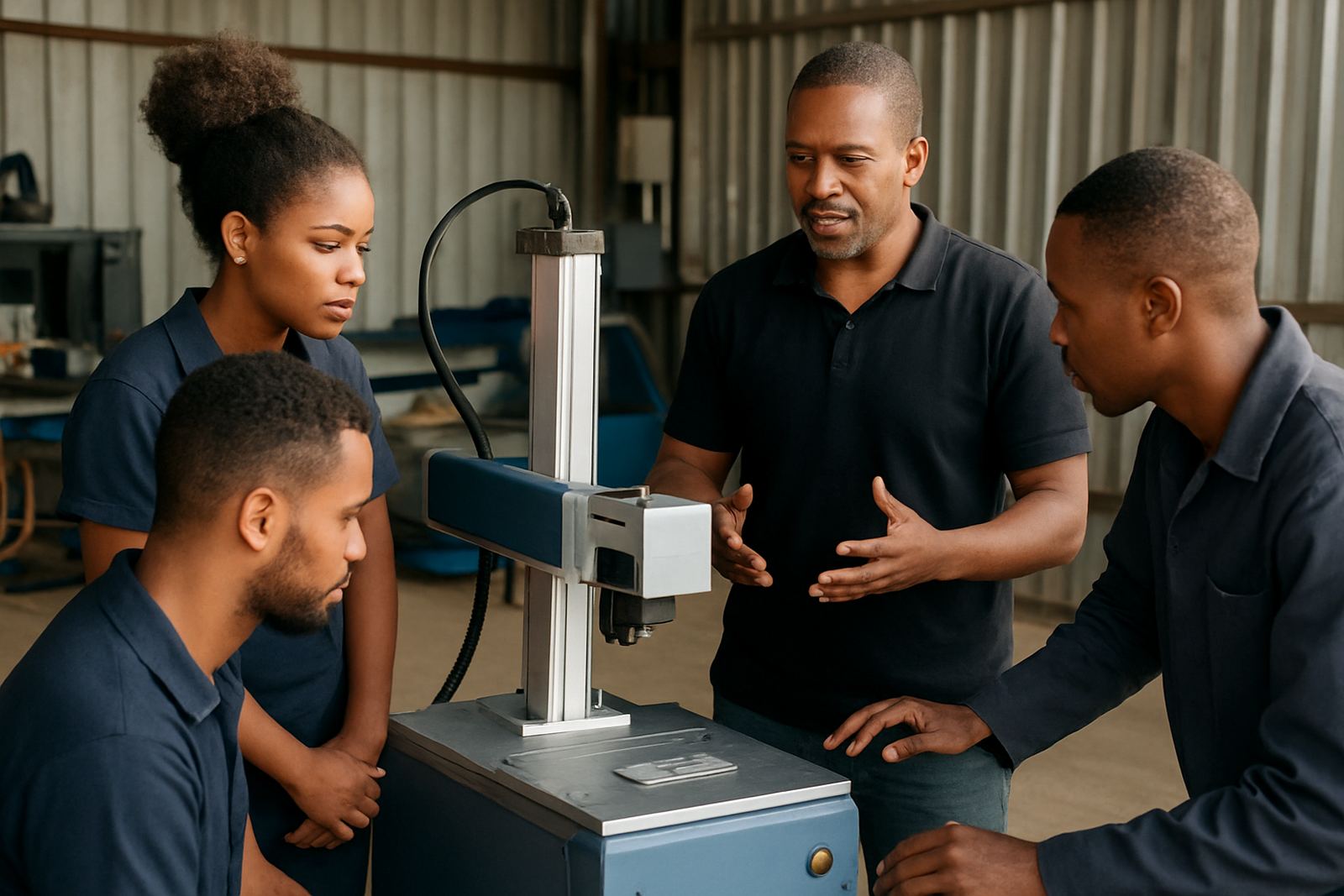
- Operator training and handover notes
Turnaround times and what affects them
Turnaround depends on line complexity, access and the amount of preparation already in place. If the conveyor is ready, the marking point is open and the control signals are easy to access, installation can move quickly. If there is a need for new fixtures, guard adjustments, electrical changes or software changes, we plan for extra time. Sites with restricted access or strict hygiene rules may also need staged work.
For standard integrations in Gauteng, we usually aim to move from site review to installation in a practical timeframe that suits the plant schedule. Rural or out of province work takes longer mainly because of travel and access to the line, not because the equipment is difficult. In all cases we keep the process clear so maintenance, production and operations know which step comes next. One of the biggest delays is waiting for product samples or sign-off from multiple departments, so we keep that moving early.
Pricing approach for integration work
Pricing is based on the amount of on-site work, the number of connection points, any fixtures required and whether we need to integrate into existing controls. A single conveyor with straightforward fitment is priced differently from a line with multiple product types, variable speed changes or a reject station. We quote on the job after we have reviewed the line and the marking requirements, so the price reflects the actual work needed.
We keep the pricing structure practical and transparent. If the project includes sample testing, installation, operator training and a follow-up visit, those items are listed clearly. For plants with ongoing production changes, we can also plan phased work so the budget is spread across stages instead of being handled all at once. Spare parts and service items are quoted separately where needed, which helps with maintenance planning and internal approvals.
Maintenance intervals that keep the line stable
After installation, line integration works best when it is checked regularly. We usually recommend a basic inspection every 3 to 6 months, depending on line speed, dust levels and how often the product range changes. In high-output plants, or sites with vibration and frequent start-stop operation, a shorter interval is better. For coastal or humid environments, cabinet checks and lens cleanliness should be done more often.
Typical maintenance includes alignment checks, sensor cleaning, signal timing verification, cable inspection and a quick mark quality test. If the line has been moved, reconfigured or expanded, a fresh calibration is sensible before production resumes at full speed. We also support preventive maintenance plans and breakdown repairs, so if something shifts after a shutdown or power interruption we can get the line back in order without guesswork.
- 3 to 6 month inspection cycle for most sites
- More frequent checks for dusty or high-vibration plants
- Lens, sensor and cable inspection after shutdowns
- Recalibration after line changes or relocation
- Support for planned maintenance and urgent repairs
Why South African plants call us for line fitment
We know how South African production floors actually run. Power interruptions, variable humidity, tight production windows and municipal compliance all affect how a marking line should be set up. Our team works from Jet Park, Boksburg and includes Riaan Pretorius, Naledi Mokoena, Refilwe Mahlangu, Anele Dlamini, Priya Naidoo and Thabo Khumalo, so the job is covered from planning through to installation and handover.
Clients come to us for a line that is neat, dependable and easy for operators to live with. That includes proper fitment, clear signal logic, practical training and service support after the first run. Whether the line is in Benoni, Alberton, Midrand or further afield, we aim for an integration that keeps pace with the production line instead of holding it back.
Key facts
| Marking compatibility | Glass, plastics and coated or smooth surfaces |
|---|---|
| Trigger options | Sensor input, PLC signal or timed product detection |
| Typical line speed | Set per product and cycle time after site testing |
| Integration fitment | Conveyor-mounted, frame-mounted or custom bracketed |
| Support area | Jet Park, Boksburg and nationwide |
| Maintenance interval | Every 3 to 6 months, or sooner in dusty or high-use sites |