What process optimisation covers on the shop floor
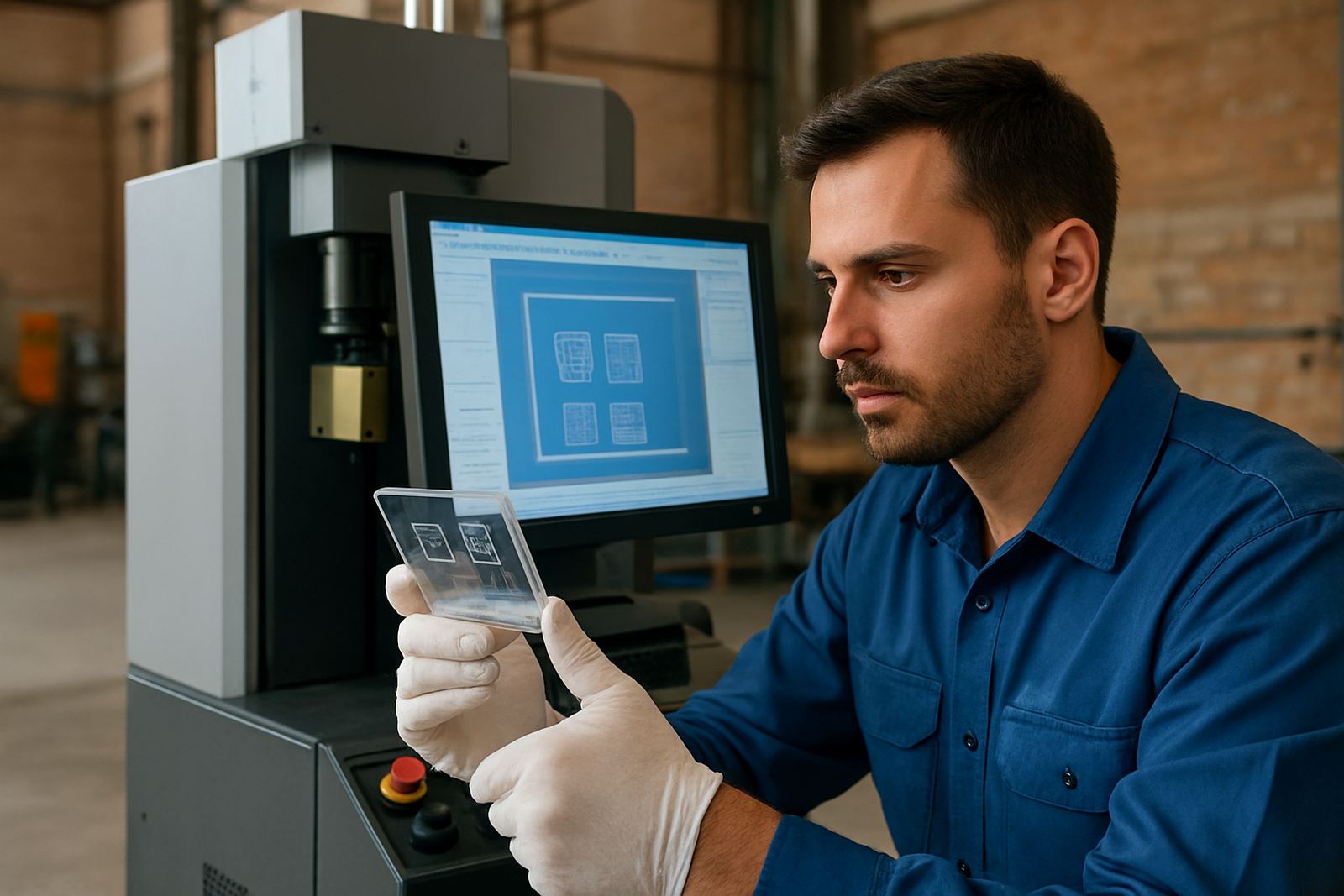
Process optimisation is not just changing a setting and hoping for the best. We look at how the marking job runs from first part to packed carton, then adjust the laser parameters, part handling and operator method so the result is consistent across shifts. That includes line speed, focus height, fixture stability, mark position, contrast and how the part is loaded or removed.
For glass and plastics, small changes can make a big difference. A label that looks fine on a sample may haze, smear or lose clarity when the line warms up or the moulded part varies slightly. We check the full process, including surface finish, part geometry, contamination, and whether the marking area is moving too much during cycle change. The aim is simple: better readability, less scrap, and fewer call-backs from the packhouse or customer.
- Mark quality checks for text, logos, serials and batch codes
- Speed and cycle-time review against your current output
- Handling method changes to reduce vibration and misalignment
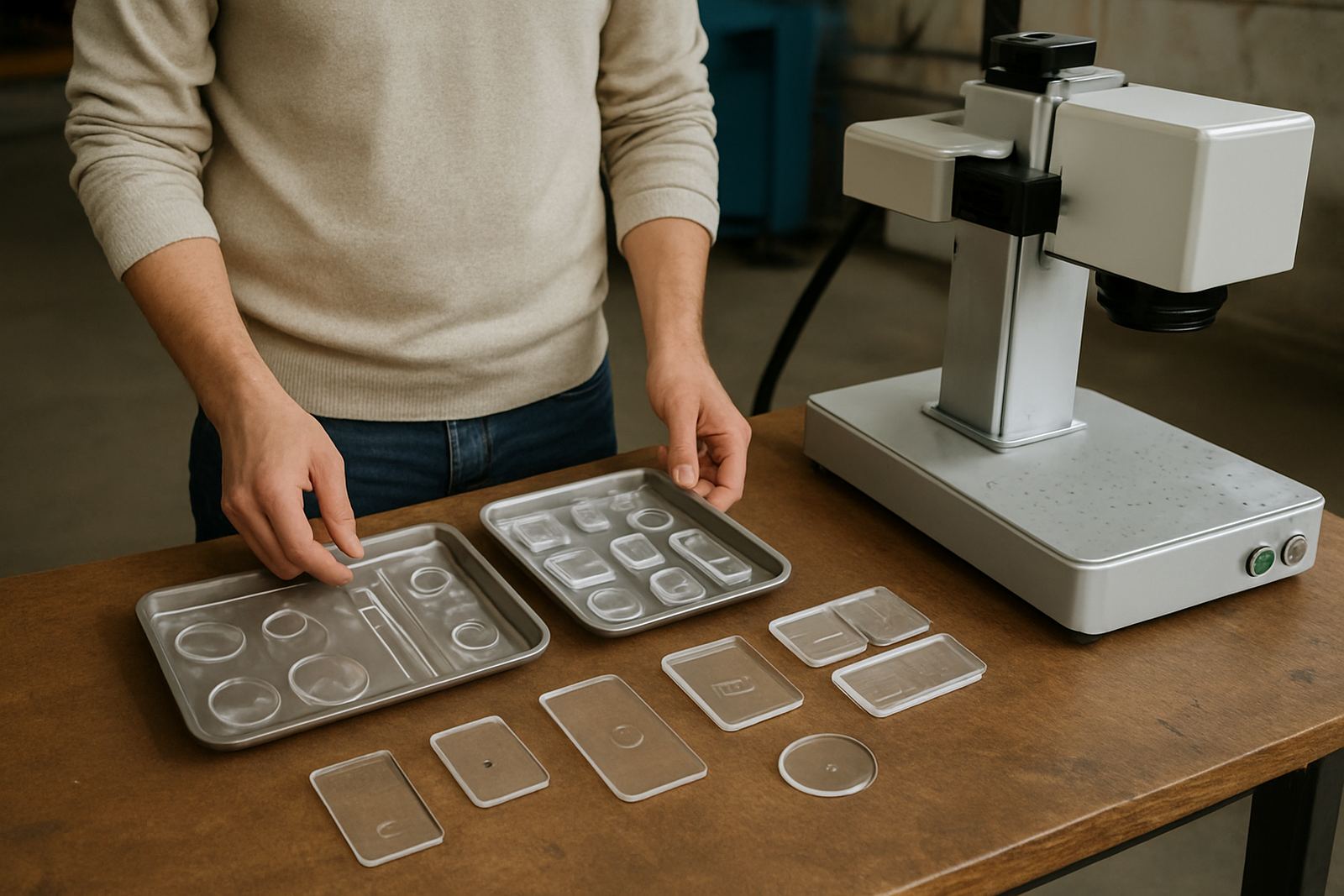
- Glass and plastic substrate testing for repeatable results
How we run a process review from Jet Park to site
Most jobs start with an enquiry through the contact form, then we ask for a few sample parts, current settings and a short description of the problem. From there, we can do a demo at our Jet Park base or come to your site in Boksburg, Germiston, Kempton Park, Benoni, Alberton, Midrand or Pretoria. For plants outside Gauteng, we plan nationwide visits around your production schedule so there is as little downtime as possible.
We usually begin with sample testing, then move to an on-site review of the actual line. Refilwe or another applications specialist will check the mark under normal running conditions, not just with a test piece on a bench. If the issue is due to handling, we also inspect the fixture, guide rails, and part orientation. Where needed, Thabo can assist with practical installation adjustments while Naledi and Priya keep the job moving and documentation in order.
- Sample testing before any production changes are made
- On-site review of line flow, tooling and operator movement
- Parameter adjustments for mark depth, contrast and speed
- Practical recommendations that your team can use on the next shift
What we optimise for glass and plastics
Glass and plastics behave differently, so the settings must suit the material, the surface finish and the application. On glass, we often focus on clean contrast and avoiding chips, micro-cracks or rough edges around the mark. On plastics, the goal may be a crisp white mark, a darkened code, or a fine decorative detail without heat distortion. We also check how the part responds when the plant is warm, when dust settles on the surface, or when load-shedding affects line rhythm and restart consistency.
In many cases, the issue is not the laser alone. It may be a fixture that lets the part move, a line that changes speed during acceleration, or a barcode position that varies by a few millimetres. We work through those points one by one so the process becomes easier to run and easier to train on. If the current method is too sensitive, we narrow the setup window and document a more practical working range.
- Mark clarity on curved, flat or moulded surfaces
- Reduced variation between operators and shifts
- Improved repeatability after line stops and restarts
- Better handling for dusty, humid or high-traffic plant conditions
Turnaround times and what you can expect
Turnaround depends on the number of samples, the complexity of the part and whether the process needs fixture changes or software adjustments. A straightforward sample review can often be completed within a few working days, while a full line optimisation may take longer if we need to test several materials or integrate the marking into an existing production cell. For urgent jobs, we prioritise the most critical issue first, then work through the finer points once the line is stable.
Where possible, we give you a clear action list after the first visit so you know what will change and why. If the result depends on new tooling or a modified part holder, we will say so upfront. Our team keeps the steps practical, because production managers need answers they can use on the floor, not a long report that ends up in a file cabinet.
- Quick sample checks for simple parameter changes
- Extended testing where several plastics or glass types are involved
- Site visits scheduled around production shifts
- Clear handover notes for operators and supervisors
Pricing approach and maintenance intervals
We price process optimisation according to the scope of work. A small setting adjustment on a single product line is priced differently from a full review that includes sample testing, fixture changes, software setup and operator retraining. If spares or special tooling are needed, those items are quoted separately so you can see exactly what is included. This helps keep the work honest and easier to budget for in Rand.
For plants that run daily, we usually recommend a scheduled review every 3 to 6 months, depending on output, product changeovers and the level of wear on the handling equipment. In coastal areas, humidity can affect plastics and general machine conditions more than people expect, so an earlier check may be useful. For sites with heavy dust, frequent stoppages or rotating shifts, a shorter interval can prevent small issues from turning into scrap or unreadable marks.
- Single-line optimisation or multi-line review
- Quoted once the scope and sample count are confirmed
- Maintenance intervals based on usage, not guesswork
- Optional follow-up visit after the first production run
What a stable marking process delivers
Once the process is properly set, the benefits show up fast on the line. Operators spend less time checking each part, the marking stays more consistent across batches, and supervisors can spend less time sorting out rejects. A cleaner process also helps with traceability, because serials and codes are easier to read at packing, dispatch and quality control.
For many clients, the biggest gain is not only speed but predictability. When the mark comes out the same way every time, training becomes simpler and shift handovers are easier. That matters whether you are marking bottled goods, technical components, containers or plastic housings. Small process gains add up over a month, and that is where the value usually shows itself.
- More readable marks for internal and customer checks
- Lower reject rates and less rework
- Faster training for new operators
- Better traceability across production and dispatch
Key facts
| Material range | Glass, clear plastics and coloured plastics |
|---|---|
| Mark type | Text, serials, batch codes, logos and fine detail |
| Typical laser class | UV marking systems with a 355 nm wavelength |
| Output focus | Readable marks with low heat effect on the part |
| Support area | Jet Park, Boksburg and nationwide |
| Service format | Sample testing, on-site optimisation, training and follow-up |