What We Test Before You Sign Off
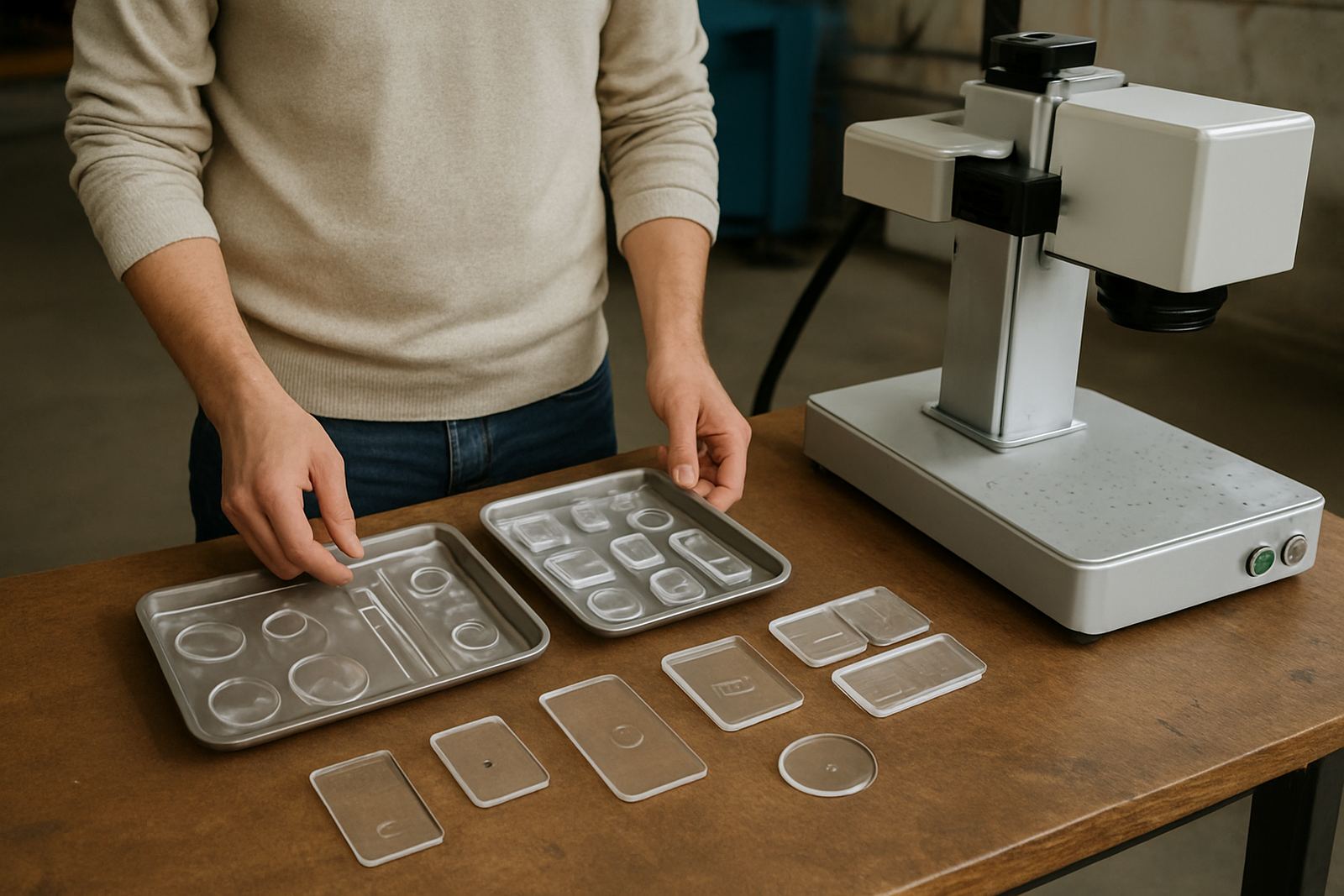
Sample testing is the safest way to check whether your glass or plastic product will hold a clean, permanent laser mark. We work with your artwork, your actual samples and, where needed, your production constraints so the result matches the job on your floor, not just a brochure spec. This matters for branding, batch coding, traceability, decorative marks and any label replacement work where clarity and consistency are important.
In our Jet Park workshop, or on site where a demo is the better option, we test how the material responds to laser energy, how the mark reads under normal light, and whether the finish holds up under handling, cleaning or temperature changes. Some plastics mark sharply with very little heat, while others need careful tuning to avoid whitening, frosting or surface distortion. Glass can give excellent contrast, but the artwork file, curvature and coating all affect the final result.
- Artwork review for logos, serials, barcodes and fine text
- Material response checks for glass, clear plastics and coloured plastics
- Mark quality checks for contrast, depth, edge clarity and repeatability
- Fit-for-purpose review for production speed, part size and handling
How the Sample Testing Process Works
We keep the process practical and straightforward. Once you send through your enquiry, we ask for the sample parts, artwork files and a brief note on how the item will be used. If your artwork is not yet final, we can still test with draft files so you can see where adjustments may be needed. That saves time later, especially when a product has fine detail or a curved marking area.
After receipt of the sample, Refilwe Mahlangu and the applications team assess the substrate, the size of the mark area and the likely marking behaviour. We then run trial marks and compare settings until we find the best balance between speed, contrast and surface finish. If your parts are fragile or expensive, we start conservatively and move up in small steps. The aim is to avoid guesswork and get a clear result the first time.
- Step 1: Send your enquiry through the contact form with sample details
- Step 2: Submit artwork, part measurements and any marking requirements
- Step 3: We test, compare and refine settings on actual material
- Step 4: You review results and approve the recommended approach
Typical Turnaround and What Affects It
Most sample tests are turned around within 2 to 5 working days after we receive the parts and artwork, depending on the complexity of the job and how many variations need to be checked. If a client needs a quick answer for a tender, production change or new product launch, we will tell you early what is realistic. For urgent jobs in Ekurhuleni and the surrounding area, we can often arrange faster feedback if the samples are on hand.
Turnaround is affected by artwork cleanliness, the number of mark positions, whether the part is flat or curved, and whether we need to test different lens or fixture options. Load-shedding and transport timing can also affect field work, so where needed we plan demo slots carefully and confirm the power requirements before we arrive. If your operation runs on a tight production window, we schedule around that and keep the testing compact.
When the sample needs repeat checks, we will say so upfront. It is better to spend one extra day confirming the finish than to approve a mark that looks fine at first but fails under use.
Pricing Approach for Sample Testing Jobs
Pricing depends on the number of samples, the amount of artwork preparation needed, and whether testing happens at our site in Jet Park or at your premises. For simple tests, we keep costs lean and practical. For more detailed jobs that need multiple substrates, fixture changes or several mark iterations, the quote reflects the additional setup and technician time.
We can usually separate the sample testing cost from the final equipment decision, so you know exactly what you are paying for. In many cases the test work supports the machine selection itself, so it forms part of the broader project costing. If a client later proceeds with installation, the earlier testing often helps reduce rework and gives a clearer view of what the line will need. That makes budgeting easier and helps avoid buying the wrong setup.
- Quoted per sample set or per testing session
- Costs vary by material type, file preparation and number of test runs
- Travel may apply for site testing outside the local area
- Final quotes are confirmed after we review the brief and sample parts
Specs We Confirm During Testing
Every sample test is about more than a pretty mark. We check the technical details that matter on a production line, especially when the finished item must meet customer, traceability or brand requirements. For glass and plastics, the final mark must stay legible and permanent without damaging the product or slowing down the process.
Our testing can confirm marking area size, text height, line weight, barcode readability, contrast levels and the practical speed of the operation. For plastics we also check for distortion, melt edge and finish variation across a batch. For glass we assess crispness, frosting, surface effect and whether the artwork holds up on flat or slightly curved sections. If you need a small code, a serial number or a decorative logo, we test the exact format before a final decision is made.
- Mark area sizing for flat, curved and irregular parts
- Minimum text and code sizes for readable output
- Contrast and finish on clear, tinted or coloured material
- Repeatability across multiple samples or batches
After Approval: Maintenance and Ongoing Support
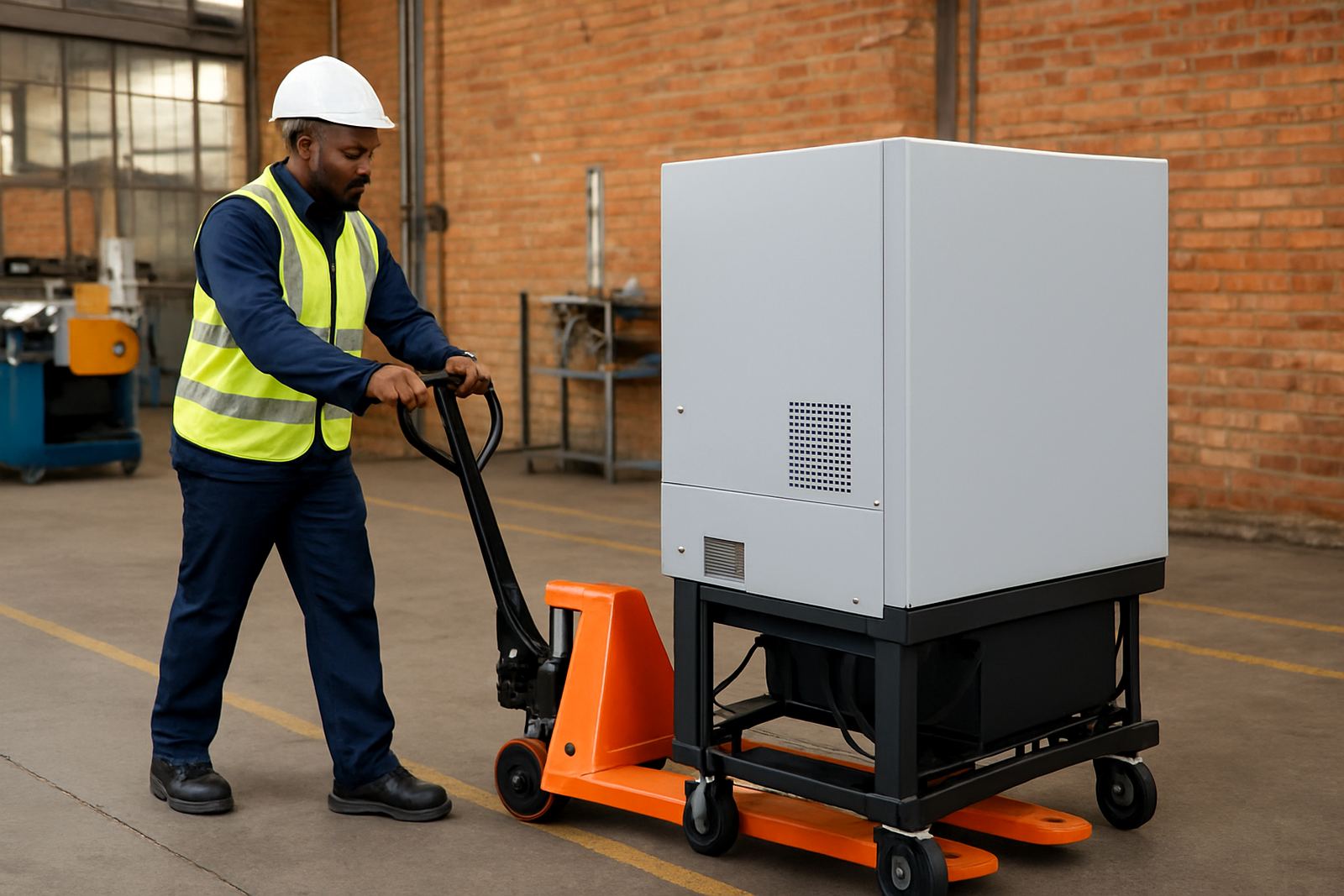
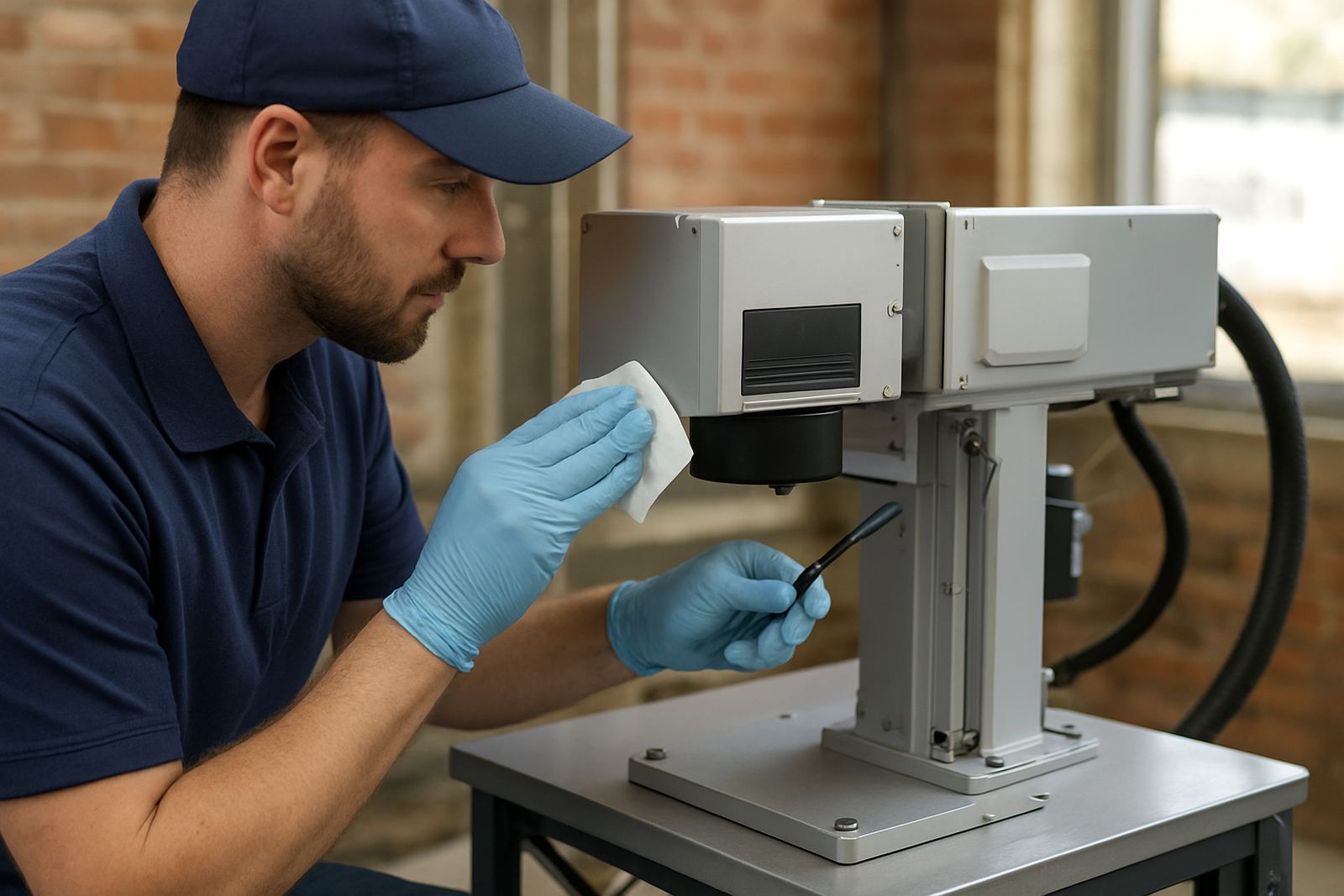
Once sample testing is approved and equipment is selected, we can move into installation, operator training and support nationwide. For customers who use the machine daily, we recommend a routine check every 3 to 6 months, depending on throughput, dust levels and how often the machine is moved between jobs. In humid coastal conditions or busy factory areas, small checks matter more than people think, especially for optics, alignment and fixtures.
Our team covers Jet Park, Boksburg, Germiston, Kempton Park, Benoni, Alberton, Midrand and Pretoria, and we support clients across South Africa with demos, installs and follow-up training. Naledi Mokoena coordinates the workflow, while Thabo Khumalo handles field installation where on-site testing leads into a full machine setup. If a line needs later adjustment, we can revisit the process and tighten up the settings. That is usually the point where a good sample test pays for itself.
Sample testing is not a nice extra, it is the step that tells you whether the mark will work in real production. The sooner we see your sample, the sooner we can give you a proper answer.
Key facts
| Materials tested | Glass, clear plastics, coloured plastics and coated plastic parts |
|---|---|
| Mark types | Logos, serial numbers, batch codes, barcodes and fine text |
| Typical turnaround | 2 to 5 working days after samples and artwork are received |
| Output checks | Contrast, permanence, edge clarity, distortion and repeatability |
| Testing locations | Jet Park workshop or site-based testing by arrangement |
| Support area | Ekurhuleni and nationwide installations, demos and training |