What our operator training covers
Training is hands-on and job focused. We show operators how to prepare the machine, load the correct file, check the marking position, and confirm that the mark is clean before production starts. The aim is simple: fewer rejects, faster changeovers and more confidence on the shop floor.
We train for glass and plastics used in packaging, cosmetic containers, promotional items, technical parts and labelling work. Sessions are adapted to your production line, whether you are marking one-off samples in Midrand or running repeat batches in Germiston. Where needed, we also cover the realities of local operations such as power interruptions, compressed air checks and the effects of dust or coastal humidity on equipment care.
- Safe start-up and shut-down routines
- Job loading and file selection
- Focus checks and mark positioning
- Quality control and sample approval
- Changeover steps between products
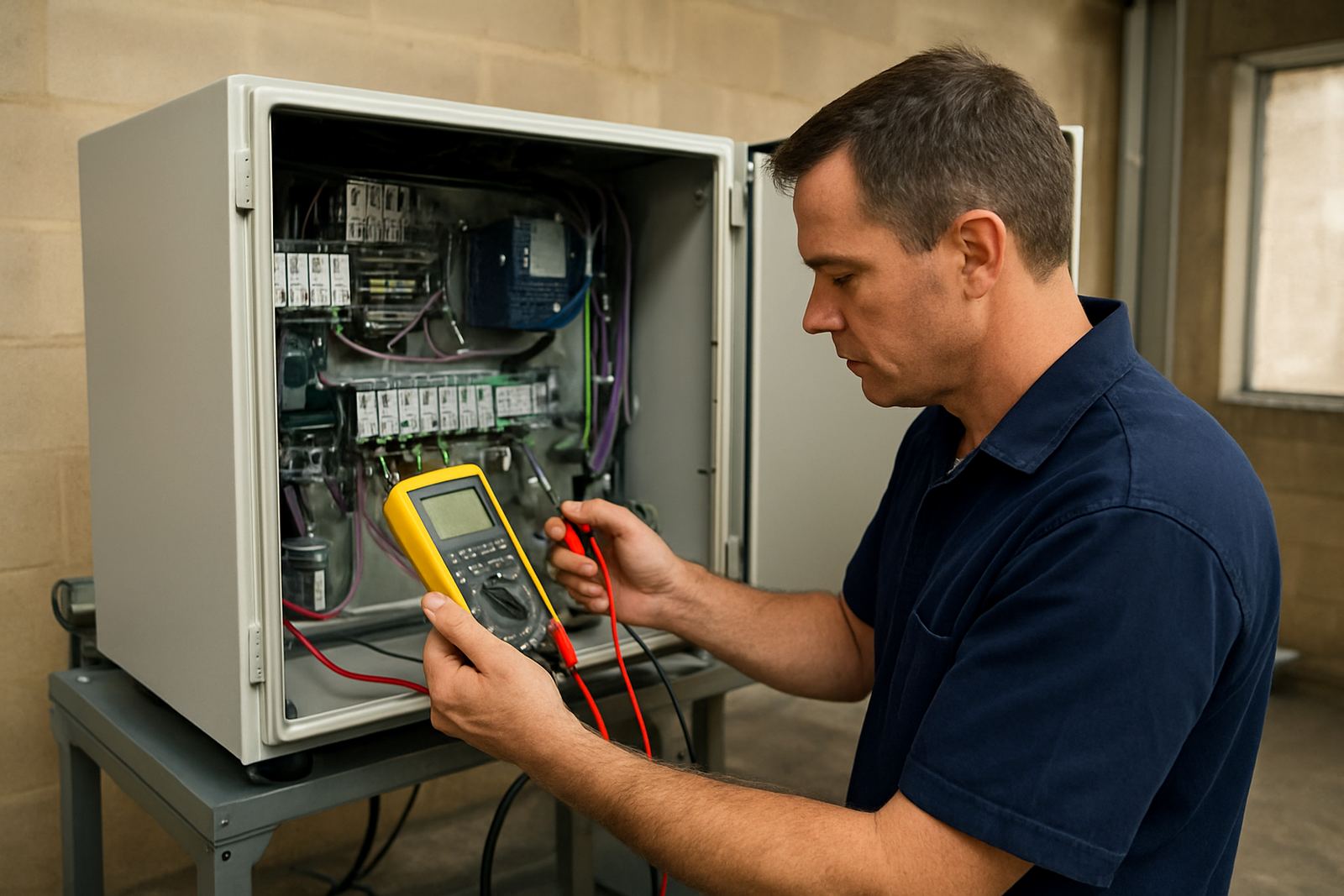
- Basic fault finding before a call-out
Who should attend and what they learn
This service is suitable for new operators, supervisors, production staff and maintenance teams who need a working understanding of UV laser marking. If your team is moving from manual marking or outsourced work to in-house production, training reduces mistakes during the first weeks of use.
We keep the language practical and avoid heavy theory unless your team asks for it. Operators learn which settings affect mark clarity, how to judge the right marking speed for a job, and how to spot common issues such as poor focus, unstable fixtures or contamination on the product surface. We also explain when a job should be stopped rather than pushed through, especially on high-value items where a bad mark can cause waste.
- New operator induction
- Refresher training for existing staff
- Supervisor training for quality checks
- Maintenance team familiarisation
Training process from booking to sign-off
We start with a brief needs review so the session matches your machine, products and output targets. This can happen at our Jet Park base or at your site in Boksburg, Benoni, Alberton, Pretoria or elsewhere in the country. Before the visit, we confirm the product samples, fixture requirements and any files that need to be tested.
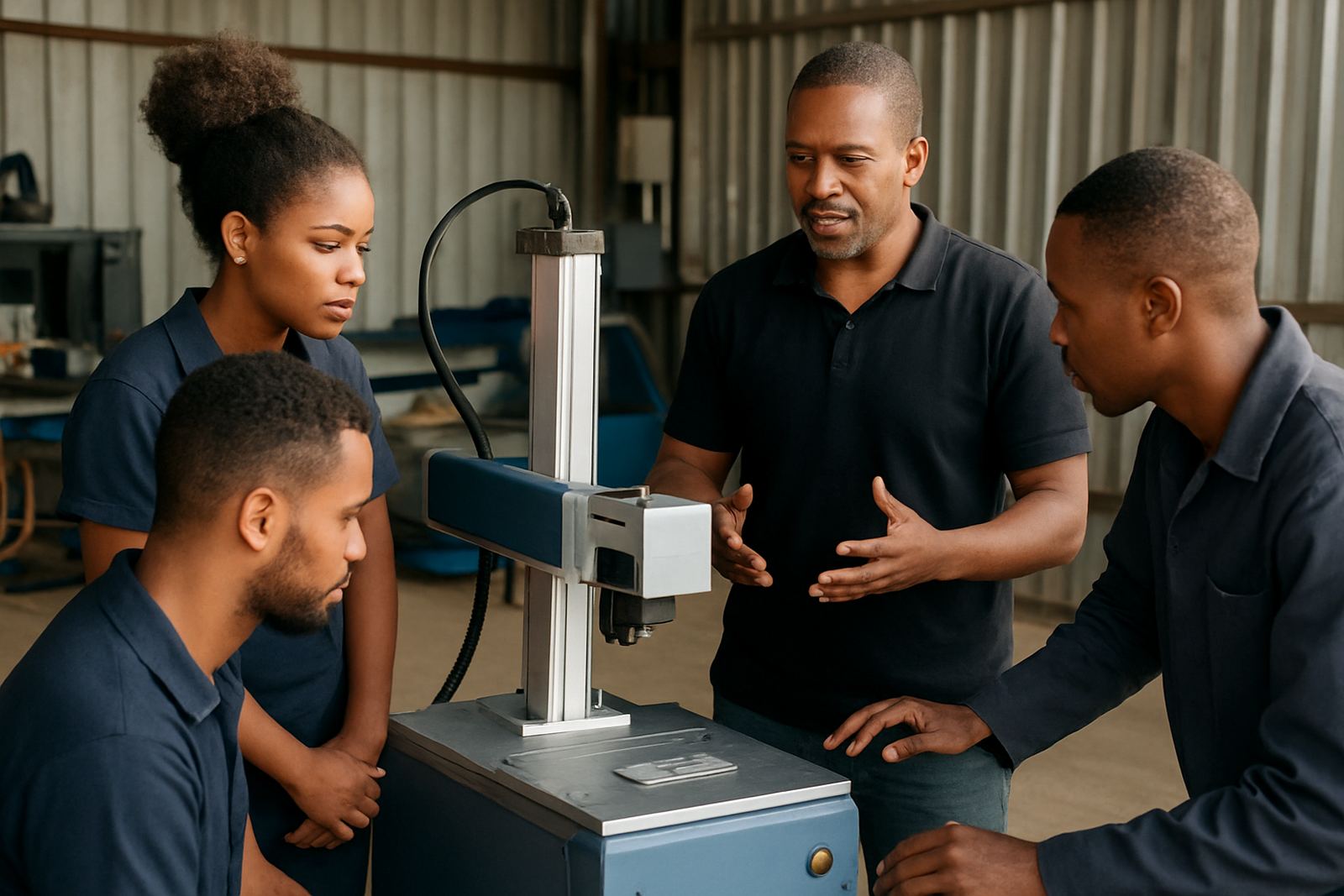
On the day, the trainer takes the team through machine setup, sample marking, live practice and final checking. Operators then repeat the steps themselves while being watched and corrected. That is important, because people remember better when they do the task, not just watch it. At the end, we leave a clear sign-off on what was covered and where extra support may still be needed.
- Needs review and training plan
- Sample and job review
- Practical machine demonstration
- Operator practice and correction
- Quality check and sign-off
What is included in each session
Every session is structured around the equipment and the actual work your team needs to do. We do not run a generic talk and leave. The content is built around your marking pattern, product shape and production speed, so the training is useful on the floor the same day.
Included items can cover fixture use, loading and unloading sequence, routine cleaning points, software basics, and the correct way to store job settings for repeat orders. If the machine is integrated into a line, we also cover timing with conveyors or manual feeding points. In busy factories where load-shedding affects workflow, we show how to restart safely after a stoppage and how to check alignment again before production resumes.
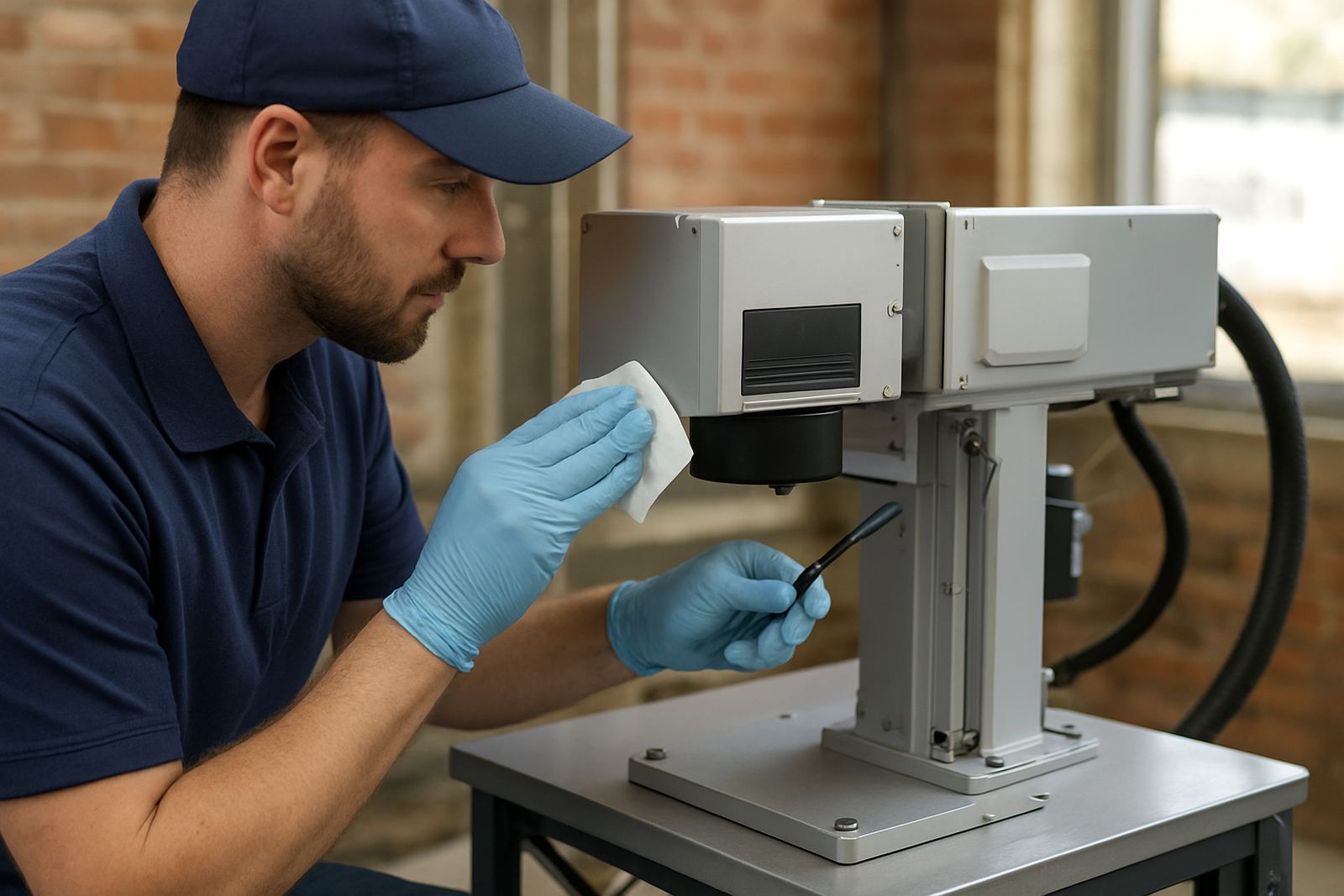
- Machine setup and calibration basics
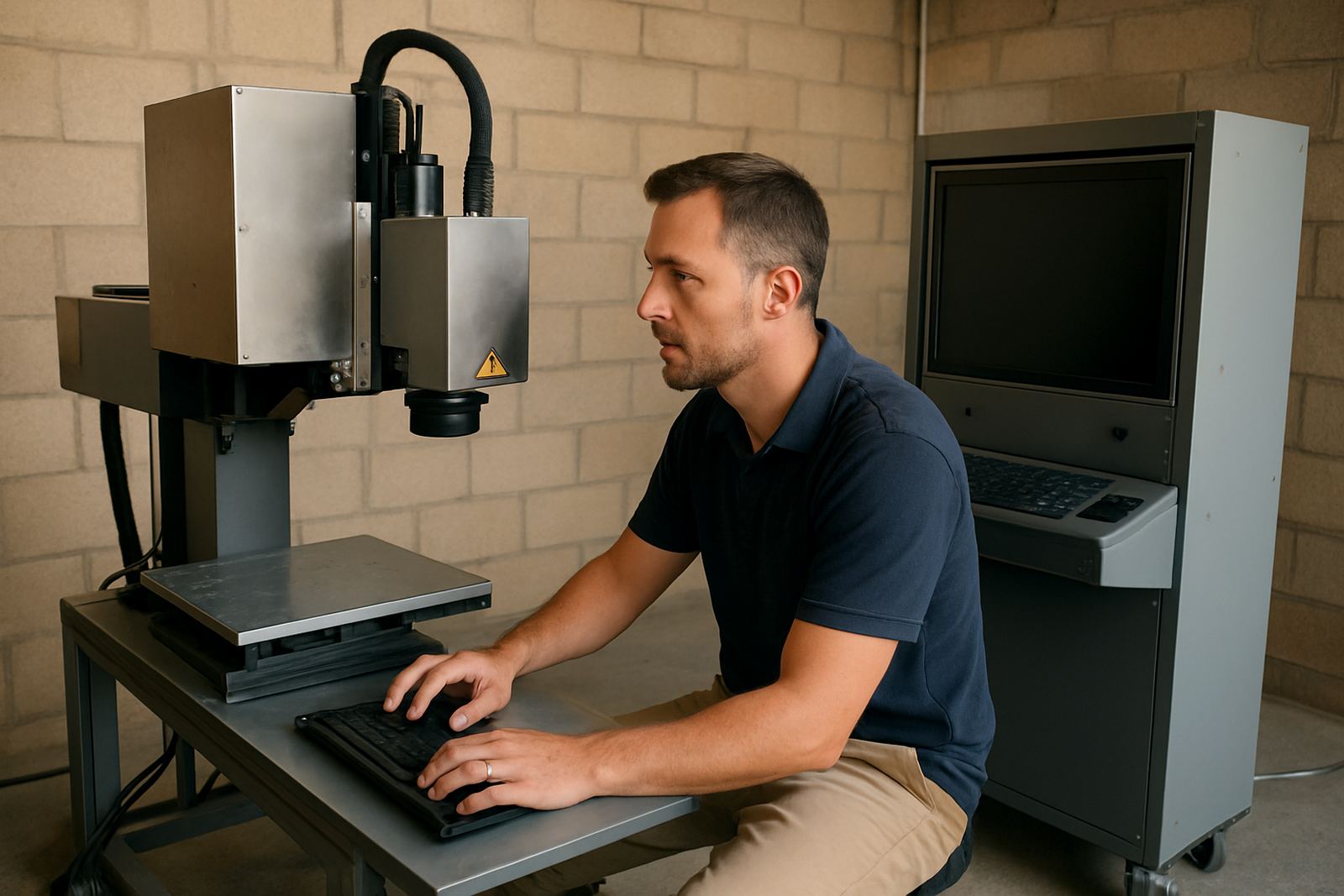
- Job file loading and saving
- Fixture use and part handling
- Quality inspection methods
- Restart checks after interruptions
- Operator notes for ongoing reference
Turnaround, pricing and site visit options
Turnaround depends on the size of the team and how many products need to be covered. A single operator session for one machine can often be completed in half a day, while a larger group or a full line with several product types may need a full day. For multi-site businesses, we can schedule sessions in stages so production does not stop for too long.
Pricing is based on the time on site, the number of operators, travel, and whether the session includes sample testing or fixture adjustments. If there is a requirement for extra preparation before training, such as file checks or process review, that is quoted separately. We keep pricing clear so you know what is included before the visit. For companies in the East Rand, Pretoria or further afield, we plan travel sensibly to keep costs manageable.
Key facts
| Training format | Hands-on, practical instruction on the machine and at the line |
|---|---|
| Typical session length | Half day to full day, depending on operator count and job complexity |
| Products covered | Glass, plastics, bottles, containers, technical parts and labels |
| Location | Jet Park, Boksburg, with nationwide on-site training |
| Support scope | Setup, changeovers, quality checks, basic fault finding and safe shutdown |
| Refresh interval | Recommended every 6 to 12 months, or after process changes or staff rotation |