When glass bottle marking has to stay legible after handling and washing
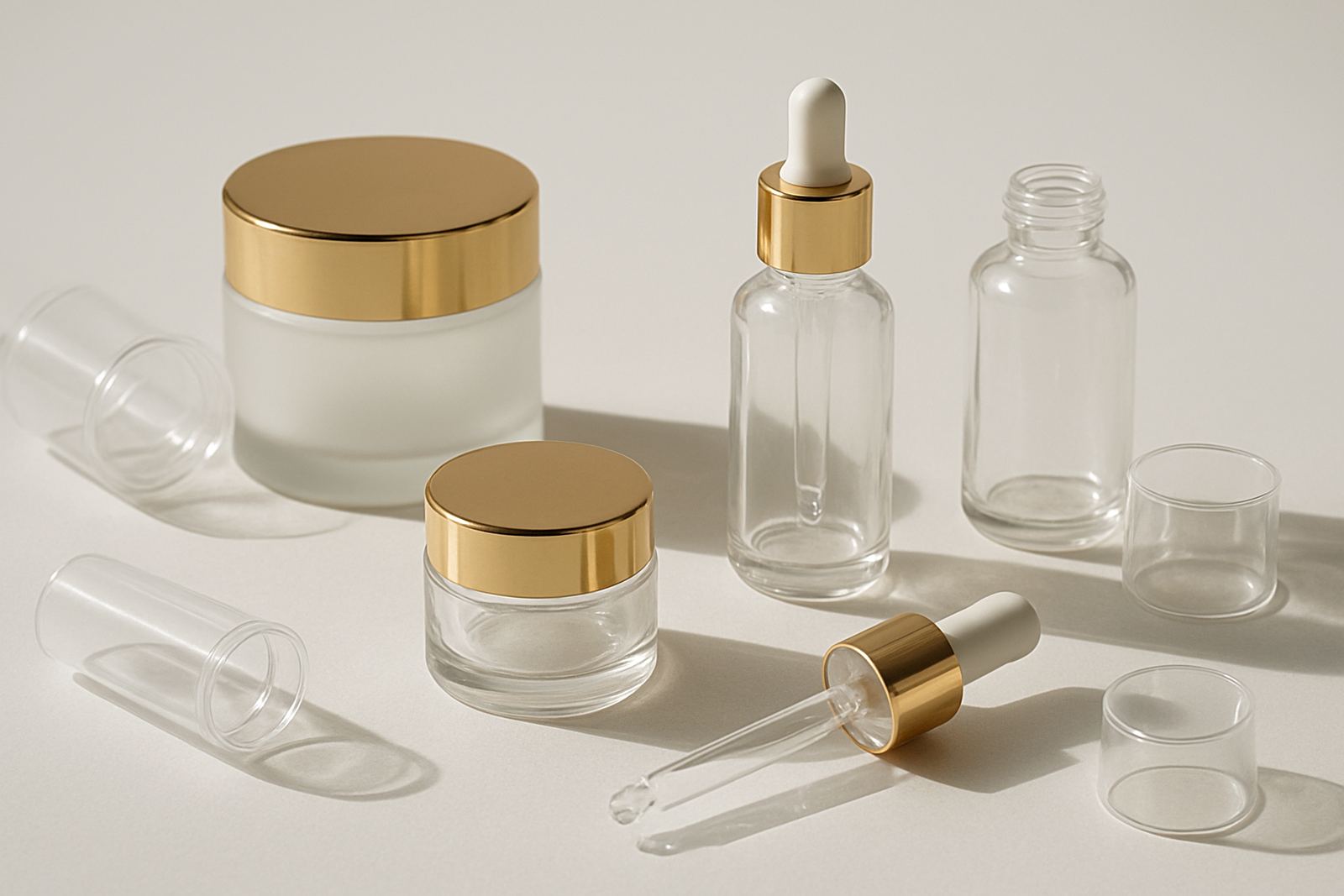
Glass bottles used for cosmetics, beverages, pharmaceuticals, oils and niche lab products need marks that do not rub off or wash away. Ink can smudge, labels can lift in cold rooms or humid stores, and adhesive codes can fail when bottles move through filling, packing and returnable container handling. A UV laser mark gives a fine, permanent result on clear, coloured or frosted glass with very little contact on the bottle surface.
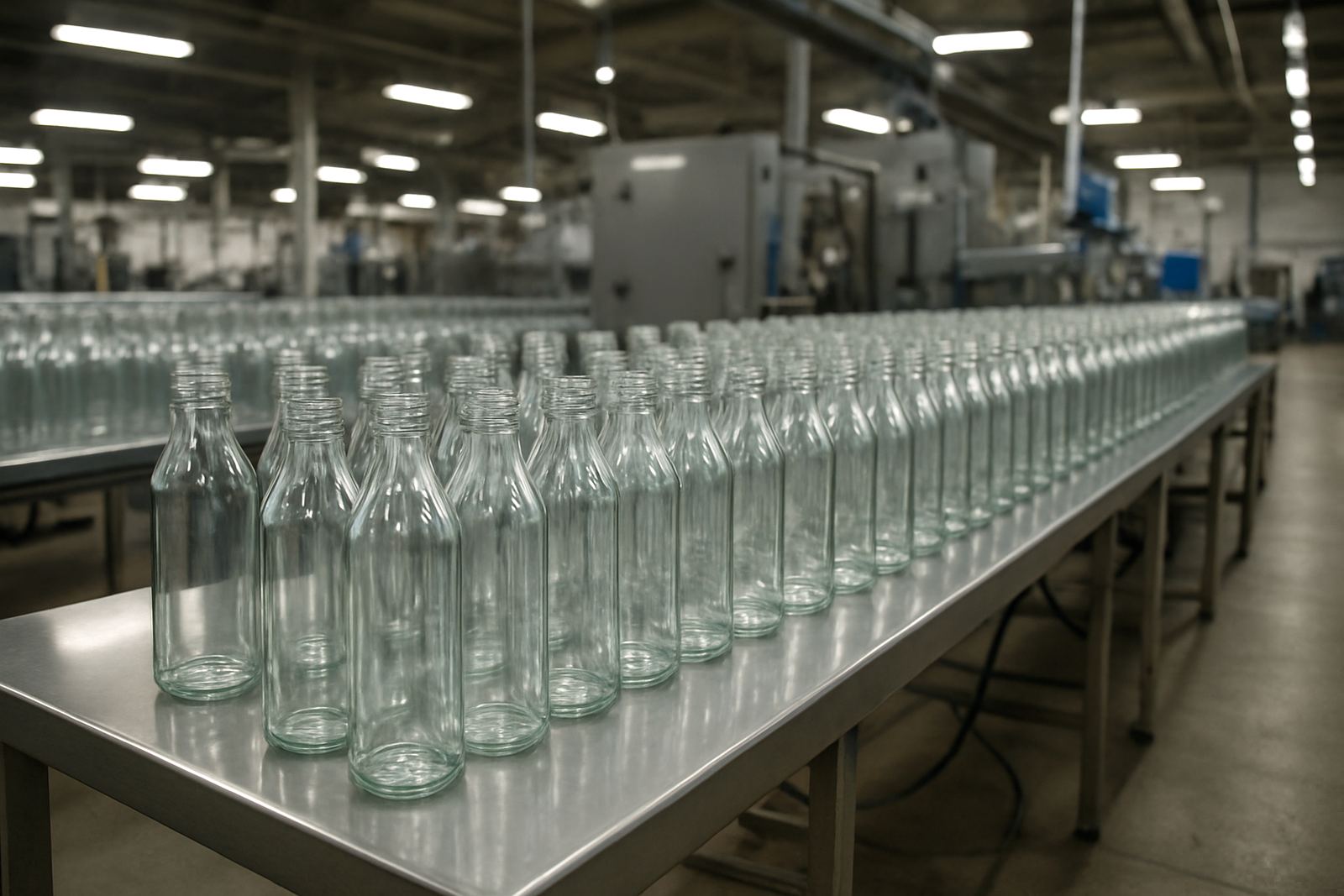
Many clients come to us after struggling with batch numbers that fade, branding that looks uneven, or a process that takes too long on a busy line. In Jet Park and the wider Ekurhuleni area, we often see bottle producers working around load-shedding, limited floor space, and short production windows. A proper marking setup must fit the line, keep pace with output, and still leave enough room for safety labels, barcodes and legal coding.
For glass bottles, the goal is usually not only appearance. The mark must remain readable for traceability, returns, exports and stock control. That is where a well set UV laser system helps, especially when you need fine text, small logos or neat coding on a curved surface.
Typical bottle applications and the marks customers usually ask for
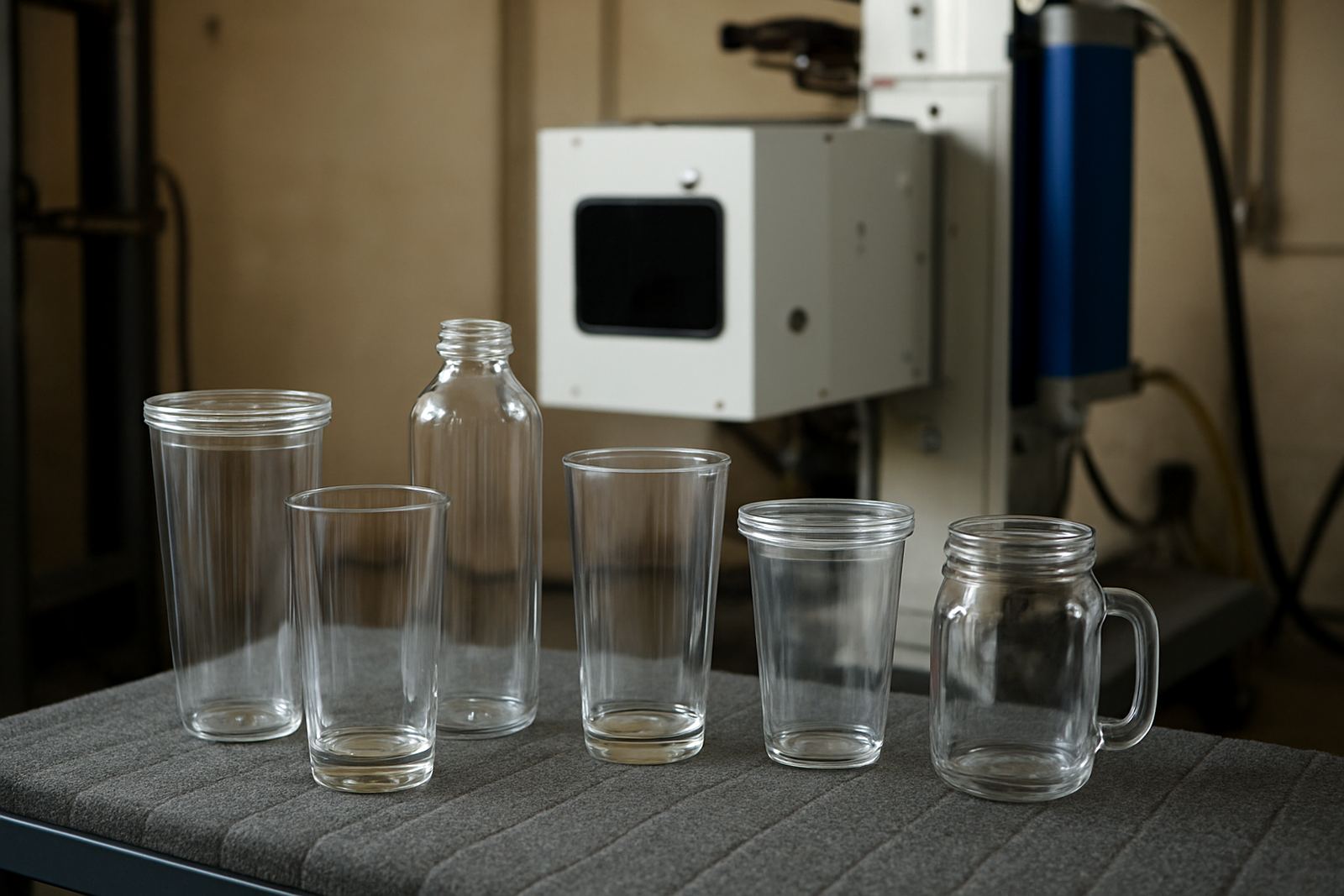
This use case covers many bottle types and bottle sizes, from small sample vials to larger retail containers. We regularly support clients who need permanent identification on the shoulder, body, neck or base of the bottle. Some want a simple batch code, others need branding that supports shelf presentation or premium packaging.
- Batch and lot numbers for traceability
- Expiry dates and production dates
- Brand marks, monograms or fine logos
- Calibration and sample identification for labs
- Small decorative patterns for specialist packaging
- Serial numbers for returnable or controlled stock
Glass behaves differently from plastic, so sample testing matters. The mark needs to be clean without chipping the surface or creating too much contrast variation between bottle runs. Clear flint glass, green bottles and thicker specialist glass can all respond differently, especially if the supplier changes the glass mix or wall thickness. That is why we test actual samples before finalising the setting.
Equipment set-up that works on curved glass and mixed bottle sizes
A typical bottle marking set-up includes the UV laser marking unit, a stable fixture or conveyor mount, a position guide, and software set-up for the required data fields. If bottles move on a line, the system needs to handle consistent presentation and timing. If the work is done in batches, a fixture can hold the bottle steady and improve repeatability.
For many South African operations, the practical question is how the bottle enters the marking area and how it exits without delay. Curved surfaces need good alignment. If the bottle rotates, the fixture must hold it firmly enough to stop movement but not so hard that it damages the container. On narrow neck bottles, the head height and beam position need careful planning to avoid missed marks or distorted characters.
- Laser source matched to glass marking requirements
- Stable worktable or conveyor section
- Custom fixture for round bottles or odd shapes
- Software fields for date, batch and serial data
- Extraction or safety enclosure where required
In some plants, a small benchtop arrangement is enough for short runs and sample work. In others, the system must be tied into a filling or packaging line with sensors and automatic data changeover. We also look at dust, vibration and ambient heat because these affect consistency over time, especially in premises where the environment is not fully controlled.
Planning advice before you commit to a line or bench solution
Before installation, it helps to define the bottle size range, daily volume, mark position and the exact wording or graphics needed. If your bottles change often, the setup should allow quick product changeover without long delays. If the mark is for compliance, the layout must leave enough clear space for labels, artwork and barcode scanning. That matters on small bottles where every millimetre counts.
Planning also includes bottle finish and glass quality. Some bottles have a flatter marking area than others, while some have curves, embossing or heavy base sections that can affect focus and appearance. If your team handles both retail and laboratory packaging, it is better to agree on a common process for data entry and verification so that mistakes do not move through the batch.
For coastal clients, humidity can affect the surrounding equipment and storage. Inland sites may deal more with dust and temperature swings. In both cases, the right mounting, cleaning routine and operator training make a big difference. A good layout saves time and reduces rejected bottles, which is often where the real saving comes in.
Common mistakes that cost time, product and rework
We often see the same errors on glass bottle projects. The first is choosing a mark that looks good in the sample room but is too faint on the actual production bottle. The second is ignoring bottle curvature, so the code lands slightly off centre or at an angle. The third is underestimating the need for proper fixture design. If the bottle shifts even a little, repeatability drops fast.
Another common problem is leaving coding decisions until the last minute. When the line is already busy, operators may try to enter data manually and that is where errors creep in. It is better to set the process clearly from the start, with fixed fields for batch numbers, date format and product codes. For businesses working under pressure, that small bit of discipline saves a lot of sorting later.
Some teams also overlook maintenance. Glass marking is not a fit and forget job. Lenses, guides and mounts need inspection. Training should cover bottle handling, verification and basic fault checks so that a minor issue does not stop the shift.
Budget ranges for bottle marking in Rand
Budgets depend on bottle type, output, automation level and whether the system is for samples, short runs or continuous production. A basic bench set-up for simple bottle marking can start from about R180 000 to R350 000. More advanced systems with fixtures, line integration and data handling usually fall in the R350 000 to R750 000 range. Larger production solutions with custom integration, multiple bottle formats and additional safety hardware can move beyond R750 000.
When planning, it helps to include sample testing, operator training, installation, software setup and any fixture design work. Those items may look small at the start, but they shape the real project cost. If you are marking a range of bottle sizes, ask for a quote that covers the full product family rather than only one sample bottle. That gives a more honest figure and reduces surprises once the line is running.
We support clients across Jet Park, Boksburg, Germiston, Kempton Park, Benoni, Alberton, Midrand and Pretoria, with demos, installs and training nationwide. If your team needs a practical bottle marking solution, the first step is usually a sample test and a layout discussion so the final set-up fits the line properly.