When cosmetic packs need a cleaner, longer lasting mark
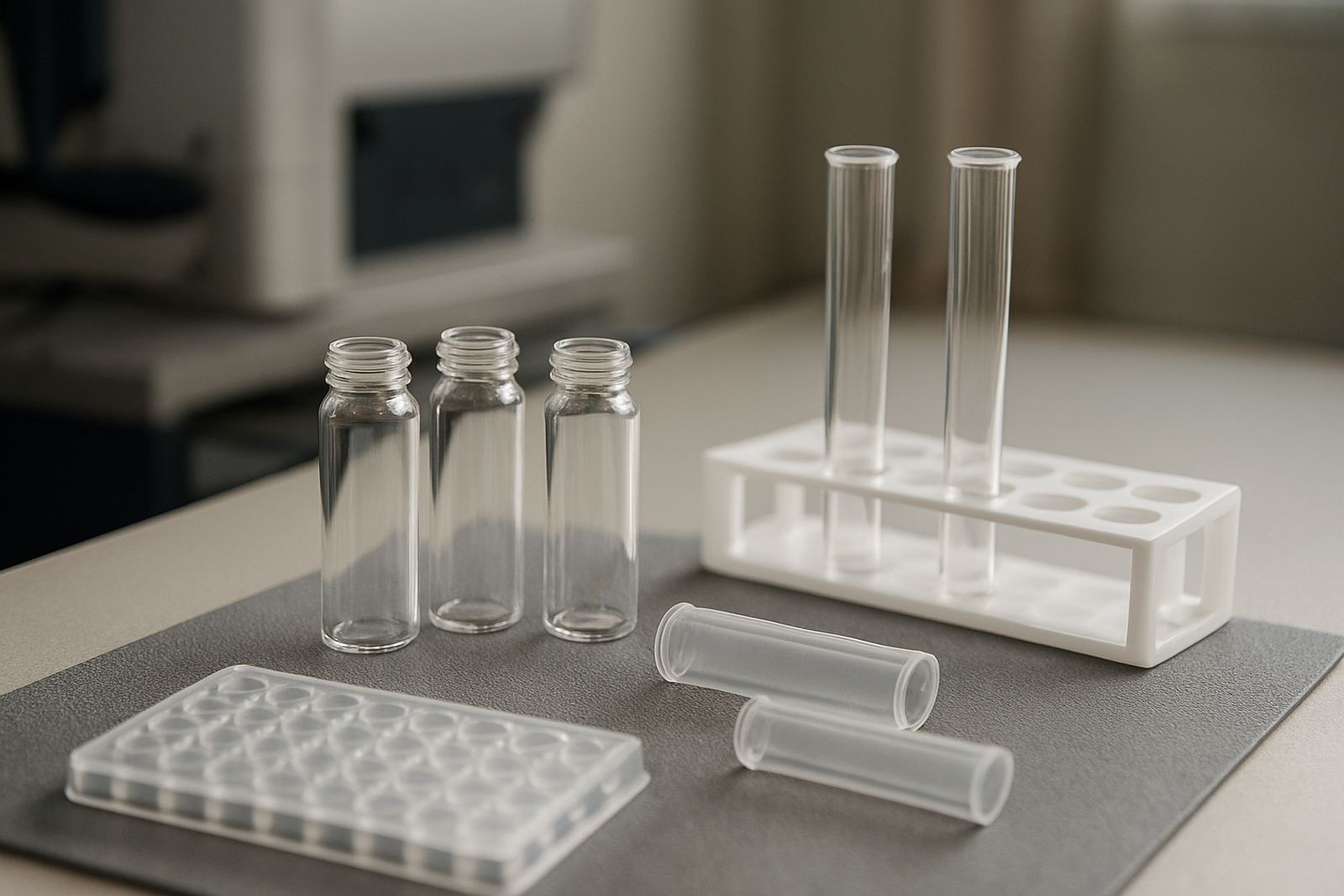
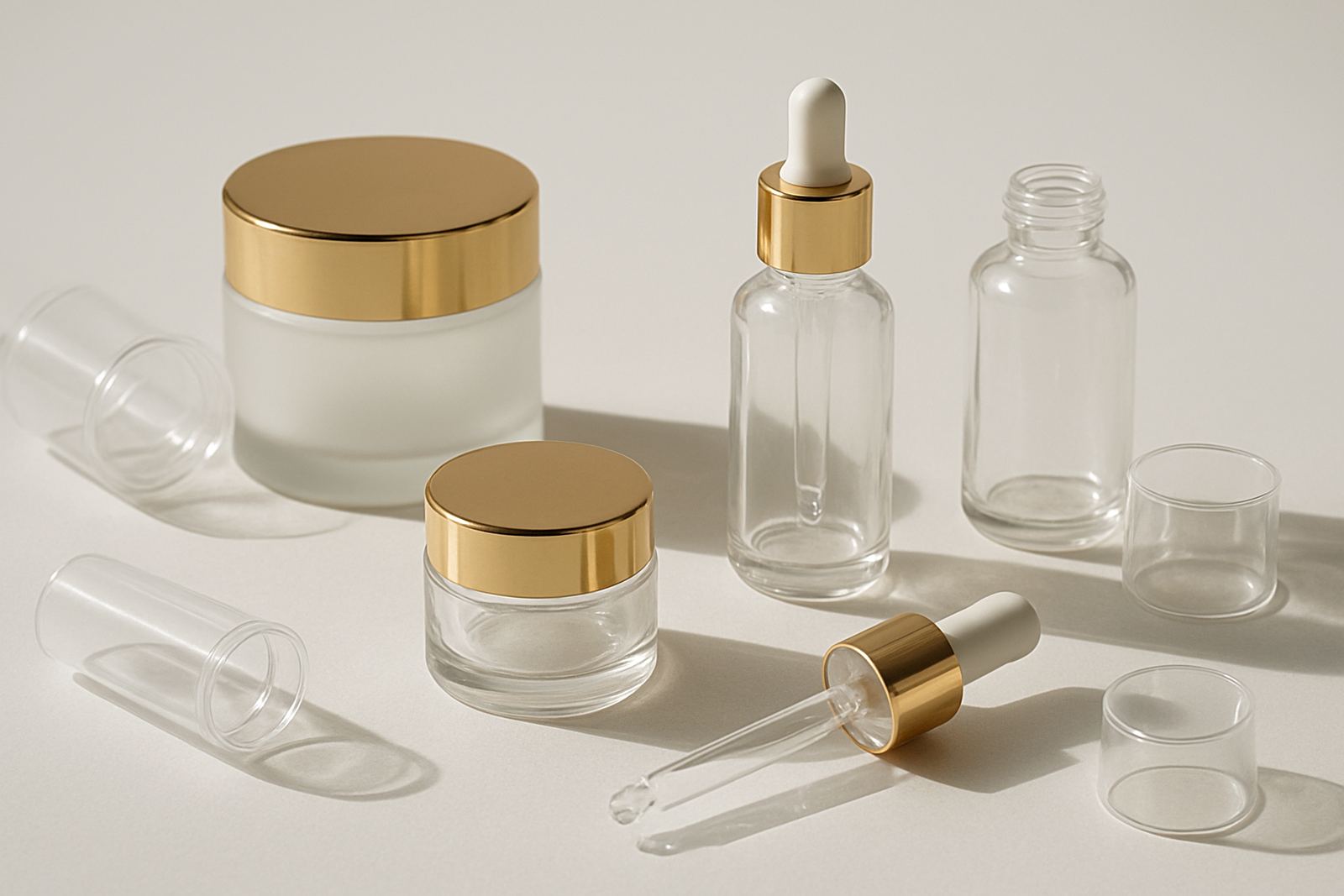
Cosmetic producers often work with glass jars, PET bottles, acrylic lids and coated presentation components, all with different surface behaviour. Ink can rub off, labels can lift at the edges, and hot-fill or chilled storage can expose weak marking very quickly. A UV laser is suited to this kind of work because it creates a precise permanent mark without physical contact, which helps on glossy, delicate or small-format packaging.
For luxury skincare, haircare, fragrance and gift sets, the main need is consistency. The logo must sit neatly on the pack, the batch code must remain readable, and the marking must not distort the look of the product. In Ekurhuleni and across Gauteng, many packaging lines also run with short production batches and frequent changeovers, so the marking method has to be quick to set up and easy to repeat.
- Glass jars for creams, serums and balms
- Plastic bottles for lotions, cleansers and sprays
- Lids, caps, pumps and droppers
- Outer presentation parts, inserts and test packs
Typical set-up for jars, bottles and cosmetic components
Most cosmetic marking jobs start with a sample pack and a test mark. That allows the operator to check contrast, focus, position and marking speed before any production changes are made. For round bottles, a simple rotating fixture is often used. For jars, the holding system needs to keep the container steady without stressing the wall or distorting the label area. Flat lids and cartons call for different positioning, so planning the part flow early saves a lot of rework.
A typical equipment set includes the laser source, marking head, control computer, safety enclosure where needed, part fixture, and extraction where the material generates any fine residue. If the line is manual, the unit can sit on a bench or stand. If the line is semi-automatic, it may be placed next to filling, capping or inspection. The main thing is to keep the mark area repeatable, because cosmetic packs often have small branding windows and little room for error.
- UV laser marking unit for glass and plastics
- Rotary fixture for round containers
- Height-adjustable stand or workstation
- Sample holder for approval runs
- Basic line interface for stop-start operation
Layout and planning advice before you buy
Good planning starts with the actual pack, not just the artwork. Bring the final jar or bottle, the lid, and if possible the filled sample. A mark that looks fine on an empty bottle can shift once the container is full or the cap is fitted. Also check whether the product is clear, tinted, frosted or highly reflective, because each finish reacts differently to the beam and the viewing angle.
For cosmetic lines in Johannesburg, Pretoria, Benoni or Germiston, space is often tight and the machine must fit around existing filling and labelling equipment. Allow room for loading, unloading and sample checking. If the line is in a hot plant, or close to a coastal distribution route, take care with dust, humidity and temperature control. Smaller components can also need anti-static handling, especially where lightweight plastic picks up dust easily.
- Confirm the exact container size and wall thickness
- Decide whether marks go on the base, shoulder, side or lid
- Check if the pack is round, flat, curved or textured
- Plan for batch coding, logos or fine decorative detail
- Allow time for operator training and first article approval
Common mistakes that cost time and spoil the finish
One common mistake is choosing the marking position too late. If the artwork, mould line or label panel is not considered early, the final mark can land too close to a curve or seam. Another issue is underestimating how much variation there is between packs. Cosmetic containers from the same supplier can still differ slightly in height or surface finish, and that changes the focus point.
It also helps to avoid rushing into production without a proper sample test. Some plastics show a clean white mark, while others need a different setting to achieve good contrast. Glass is usually forgiving, but the fixture and beam alignment still need to be right. We often see teams trying to run too fast before the mark is fully dialled in, and then they end up with poor legibility or inconsistent branding.
- Using the wrong fixture for round or tapered packs
- Marking too close to the edge or shoulder
- Skipping sample approval on filled product
- Ignoring dust, static or poor line lighting
- Starting full production before the settings are locked in
What the budget usually looks like in Rand
Budget depends on the pack type, production speed and whether the unit will run as a simple bench setup or as part of a line. For smaller cosmetic producers working with samples, short runs or seasonal packs, entry setups can start from around R180,000 to R320,000. These are usually suited to manual loading with a basic fixture and operator control.
For more active production environments, where the system needs better fixturing, line integration and faster repeatability, budgets often sit between R350,000 and R750,000. Larger or more specialised applications, including multiple pack types, custom fixtures and broader integration, can move higher. Ongoing costs are usually manageable, but it is wise to budget for maintenance, spare parts and occasional fixture updates too.
- Entry-level bench system: about R180,000 to R320,000
- Mid-range production set-up: about R350,000 to R750,000
- Custom integrated project: from there upward depending on scope
- Allow for training, install time and sample testing in the project plan
Support for cosmetic brands, contract packers and labs
UV Laser works from Jet Park, Boksburg and supports cosmetic producers in Germiston, Kempton Park, Benoni, Alberton, Midrand and Pretoria, with demos, installs and training nationwide. The work usually starts with sample testing, then moves to layout advice, installation and operator training. If the line later changes, the setup can be adjusted for new pack sizes or different label positions.
Cosmetic clients often need help not only with the first machine setup, but with practical details after launch. That can include fixture changes, software setup, spare parts, breakdown repairs and process optimisation. In a busy plant, the value is not just the mark itself, it is keeping the line moving when stock turns fast and deadlines are tight, especially when load-shedding or production interruptions put pressure on the schedule.
- Site demos and sample testing before purchase
- Machine installation and operator training
- Fixture design for awkward pack shapes
- Preventive maintenance and breakdown repairs
- Nationwide support for multi-site operations