Where UV marking fits on medical-style plastics
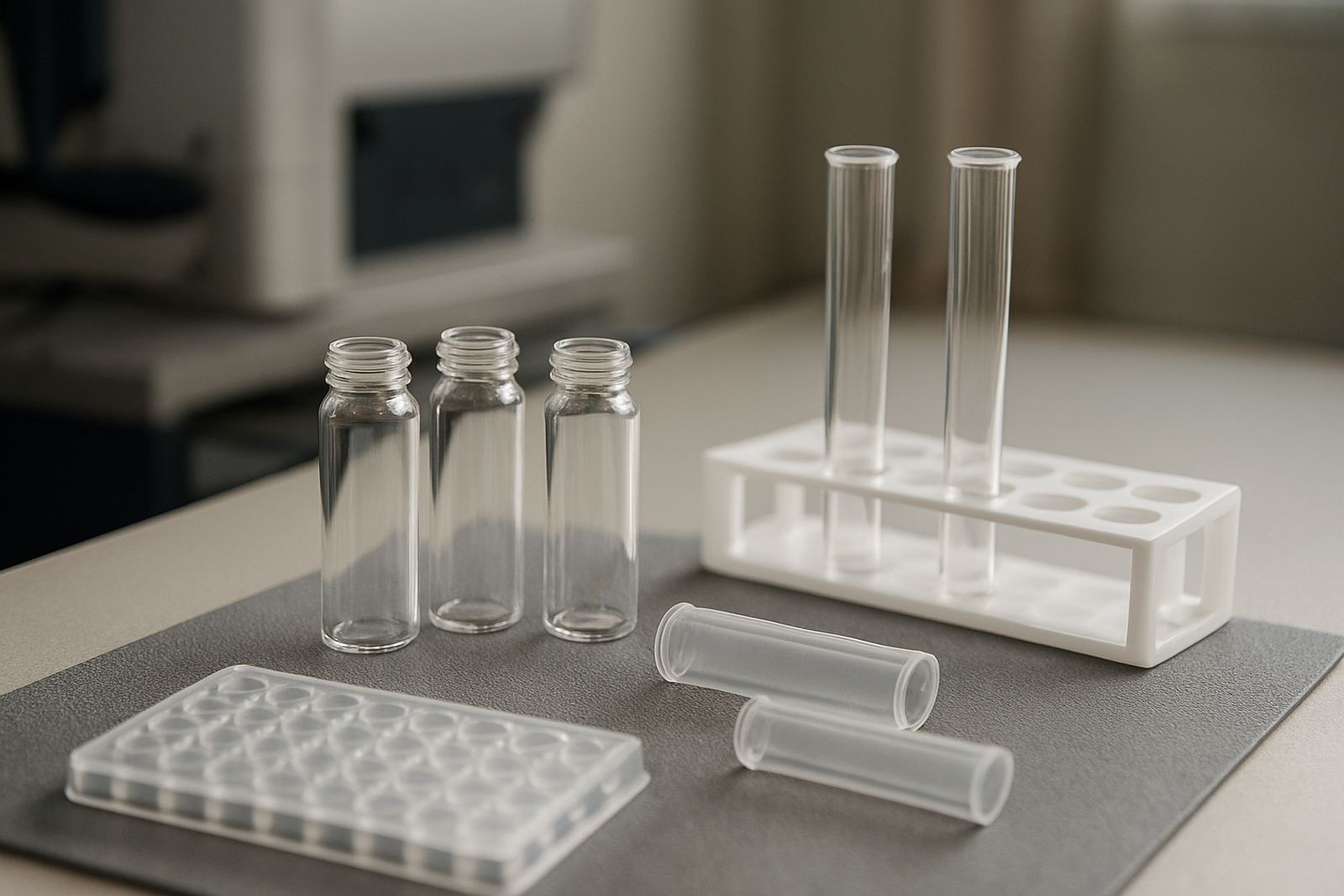
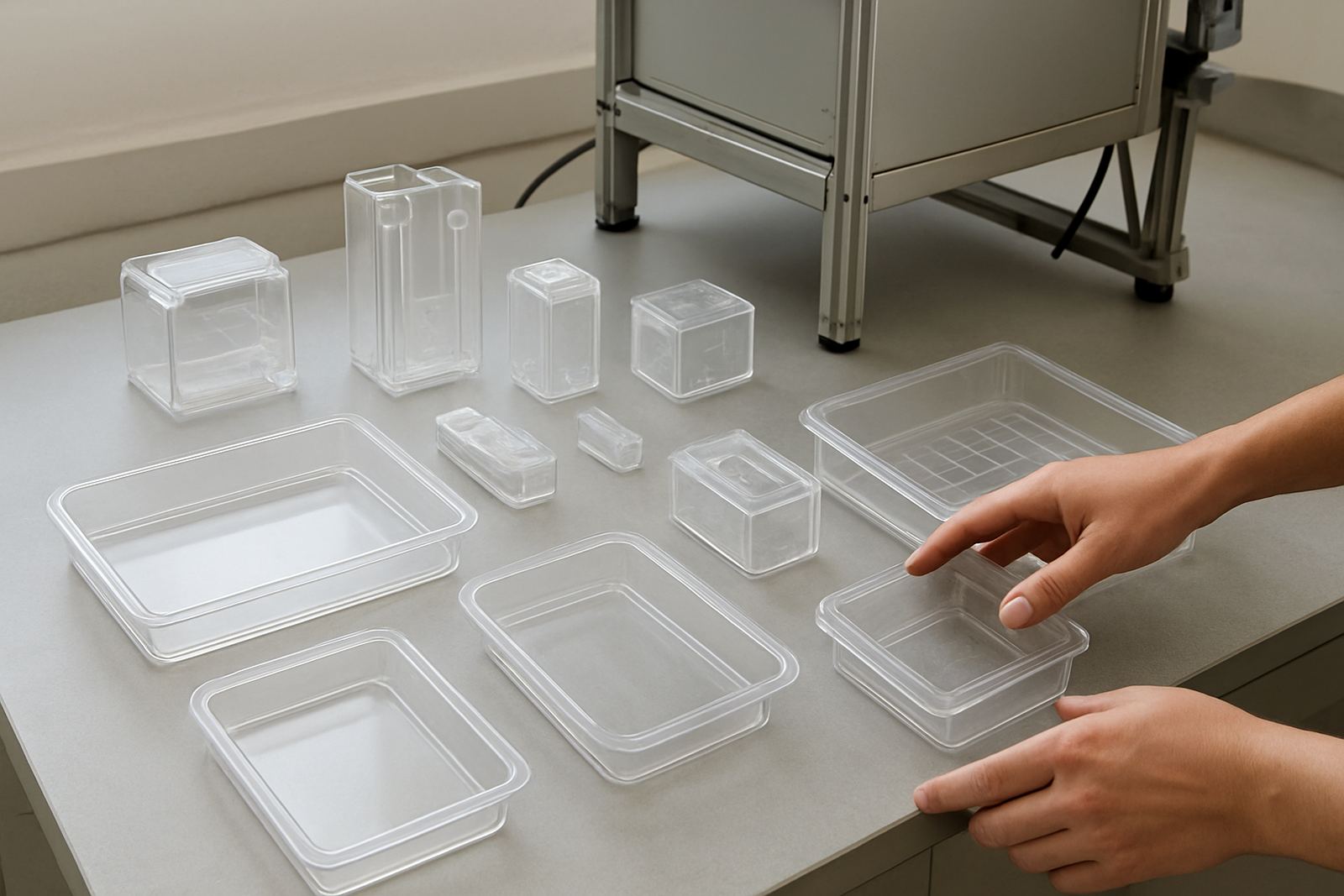
On selected medical-style plastic components, UV laser marking is used where the mark must stay legible without adding ink, labels or extra handling. It suits parts that need batch coding, component identification, serial numbers, calibration marks or small brand details on smooth moulded surfaces. In many South African plants, the demand is simple: make the mark clean, permanent and easy to read at inspection.
This is especially useful where parts are washed, packed in sterile areas or moved through high-volume production. The mark can be set up to suit clear plastics, light coloured plastics and some technical plastics used in medical environments. The key is matching the marking method to the material and the way the part is used, because not every polymer reacts the same way.
From our Jet Park base, we support clients in Boksburg, Germiston, Kempton Park, Benoni, Alberton, Midrand and Pretoria, with demos, sample testing and installs nationwide. That matters when a buyer needs to see the real result on their own component before they commit.
Typical equipment set for a medical plastics line
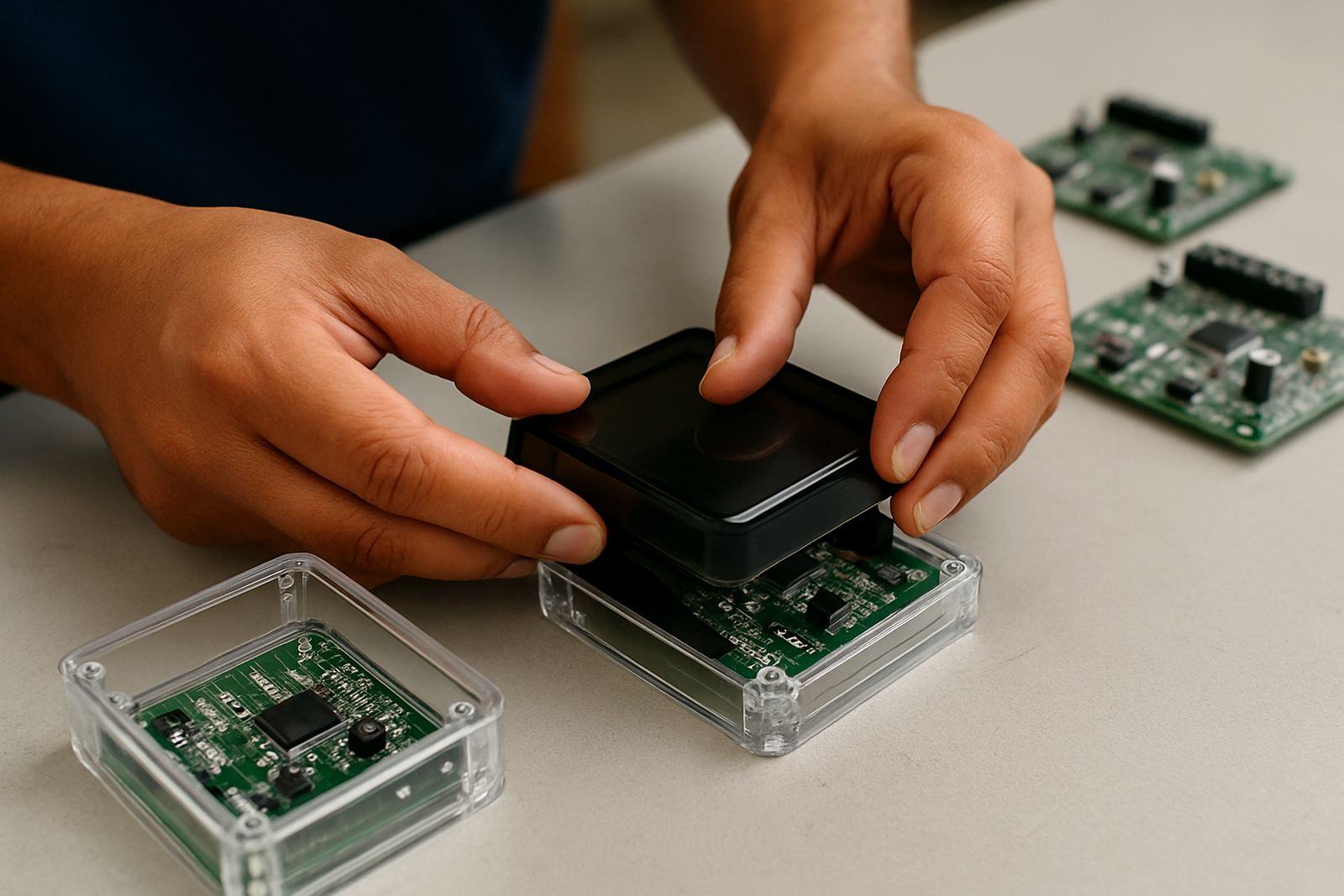
A proper setup usually starts with the laser source, a worktable or fixture, a control computer, and safety guarding where required. For smaller parts, a dedicated jig keeps each component in the same position, which helps with mark quality and repeatability. For higher volumes, the system can be arranged for inline movement or semi-automatic loading depending on the line speed.
- UV laser marking unit matched to the plastic type and mark size
- Fixture or nest to hold small or awkward parts steady
- Software for text, codes, logos and variable data
- Exhaust or fume extraction where the process needs it
- Safety enclosure, interlocks and operator access control
- Optional camera or visual check for alignment
For many operations, the biggest saving comes from getting the fixture right first. If the part is moving or sitting unevenly, the mark can drift by a millimetre or two, which is enough to create rejects. That is why sample testing and fixture design should happen before final installation. Small parts often need more planning than people expect, and a quick trial can save a lot of grief later.
Planning the mark location and part handling
Before installation, it helps to map where the mark should sit on the part, who will read it, and at what stage it must be visible. A traceability code for internal control may be placed in one area, while a user-facing identifier sits somewhere else. If the part has curved faces, ribs, bosses or clips, the marking head and fixture need enough flexibility to keep the focus correct.
Good planning also covers how the part moves through the day. Some factories run one shift with steady volumes, while others work around load-shedding windows and have to restart carefully after a power interruption. In those cases, the control setup, backup plan and production sequence should be simple enough for the team to follow without guesswork. A clear SOP helps, but only if the physical layout supports it.
- Check the surface finish, colour and plastic type before quoting
- Confirm whether the mark must be readable by staff, scanners or both
- Allow space for loading, unloading and rejected parts
- Plan for cleaning, dust and humidity, especially near the coast
- Keep the mark away from weld lines or stress points where possible
Common mistakes we see on medical plastics jobs
One common mistake is choosing a marking method before testing the actual part. A sample that looks good on a flat coupon may behave differently on a thin moulded component, and the colour change can be too faint or too harsh. Another issue is poor fixture design, where the part rocks slightly and the code ends up inconsistent from one piece to the next.
People also underestimate how much a small mark needs to stand out. If the code is too fine, printed too low in contrast or placed where glare hides it, quality staff will struggle to read it. On busy production floors in places like Midrand or Pretoria, that quickly turns into rework. The other mistake is not planning for maintenance, spare parts and operator training from the start, which can leave good equipment underused.
We often find that clients want the fastest machine but need a better process. Once the layout, fixture and code format are sorted, the actual marking cycle is usually the easy part.
Budget ranges for medical plastics marking in Rand
Budgets depend on the part size, the required cycle time, the level of automation and whether the job needs fixtures, guarding or line integration. For a basic setup used for sample work, small batches or a manual station, clients often start around R180 000 to R350 000. That usually covers the core marking system and a practical working setup for selected parts.
For a more complete production cell with custom fixturing, software setup, safety enclosure and training, budgets commonly sit between R350 000 and R750 000. If the line needs automation, conveyor integration, verification steps or multiple nests, the investment can go higher. Site conditions matter too, especially where power stability, floor space and dust control need extra planning.
As a guide, many buyers in Ekurhuleni want to first spend on testing and operator confidence, then expand once the part and process are proven. That approach usually makes better sense than ordering a large system straight away and hoping it fits the job.
Support, training and after-sales from Jet Park
UV Laser is based in Jet Park, Boksburg and supports clients across Ekurhuleni and further afield with site demos, sample testing, installation, training, preventive maintenance and breakdown repairs. We also assist with software setup, process optimisation, spares supply and line integration when a plant needs the marking station to work as part of a wider process. The aim is to make the handover practical, not just technical.
Our team includes Riaan Pretorius, Naledi Mokoena, Refilwe Mahlangu, Anele Dlamini, Priya Naidoo and Thabo Khumalo, so clients can deal with people who understand both the machine and the day-to-day running of a factory. For medical plastics work, that kind of support matters because the mark is only useful if the team can repeat it, check it and keep it within spec. We work nationwide, with installs and training arranged to suit the site and production schedule.
If you are comparing options for traceability on selected medical-style plastic components, start with a sample test and a proper discussion about the part, the line and the inspection method. That gives you a clearer path than guessing, and it usually keeps the budget under control too.