Where display component marking fits in a retail supply chain
Display components usually arrive as cut, bent, moulded or assembled plastic parts that must carry logos, part numbers, position marks or care information. In retail fit-outs, that marking has to stay neat on visible surfaces, because these parts are often handled by installers, merchandisers and store staff before the final unit ever reaches the floor.
We work with customers in Jet Park, Boksburg, Germiston, Kempton Park, Benoni, Alberton, Midrand and Pretoria who need repeatable marking on clear, coloured or black plastics. The common ask is simple: keep the part looking clean while still making the mark permanent enough to survive cleaning, packing and daily use.
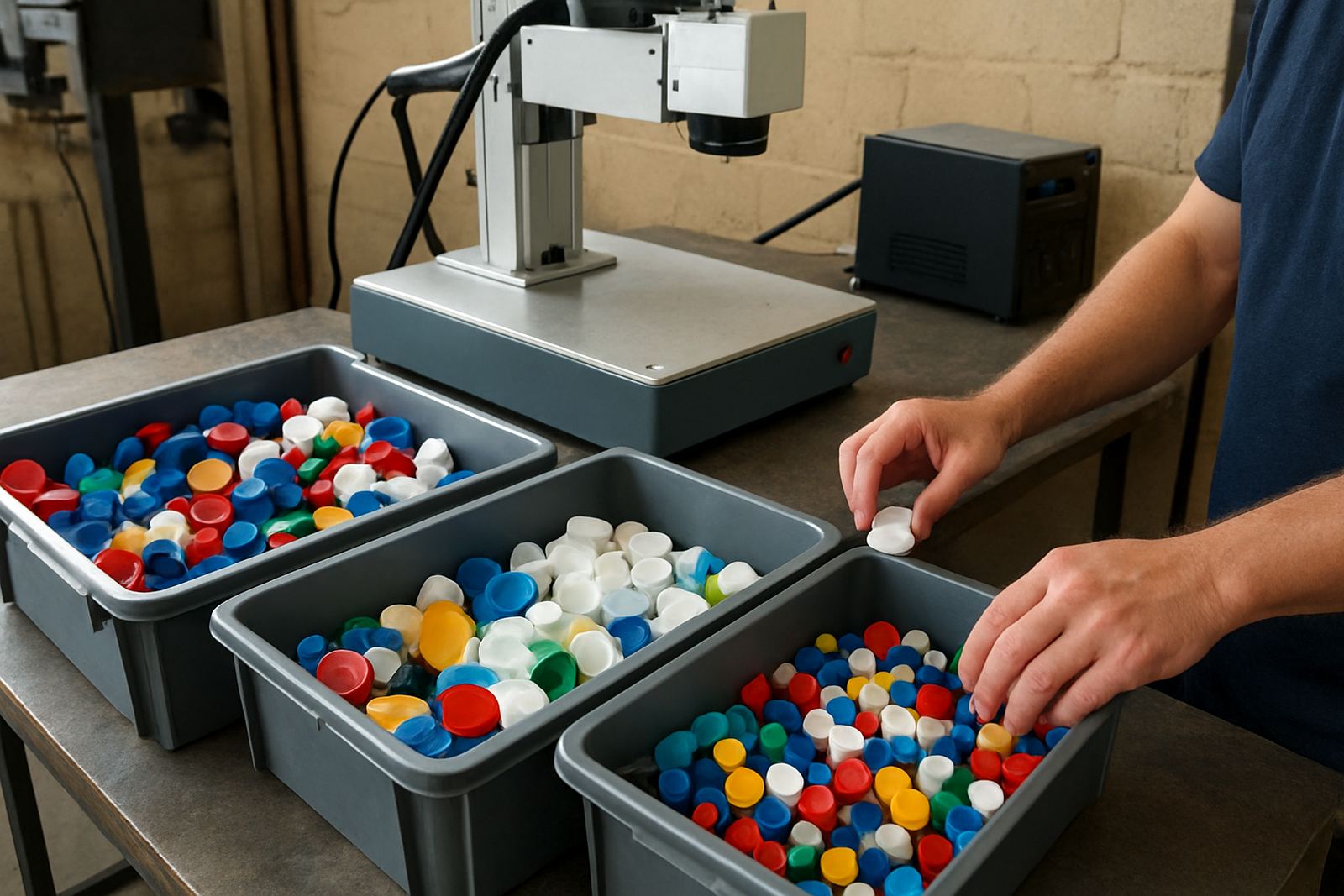
For display work, the marking process must also suit production pace. Some shops run short batches for seasonal promotions, while others need steady output for chain rollouts and replenishment parts. The setup has to fit the real line, not just a test sample on a bench.
Typical parts and materials we see on these jobs
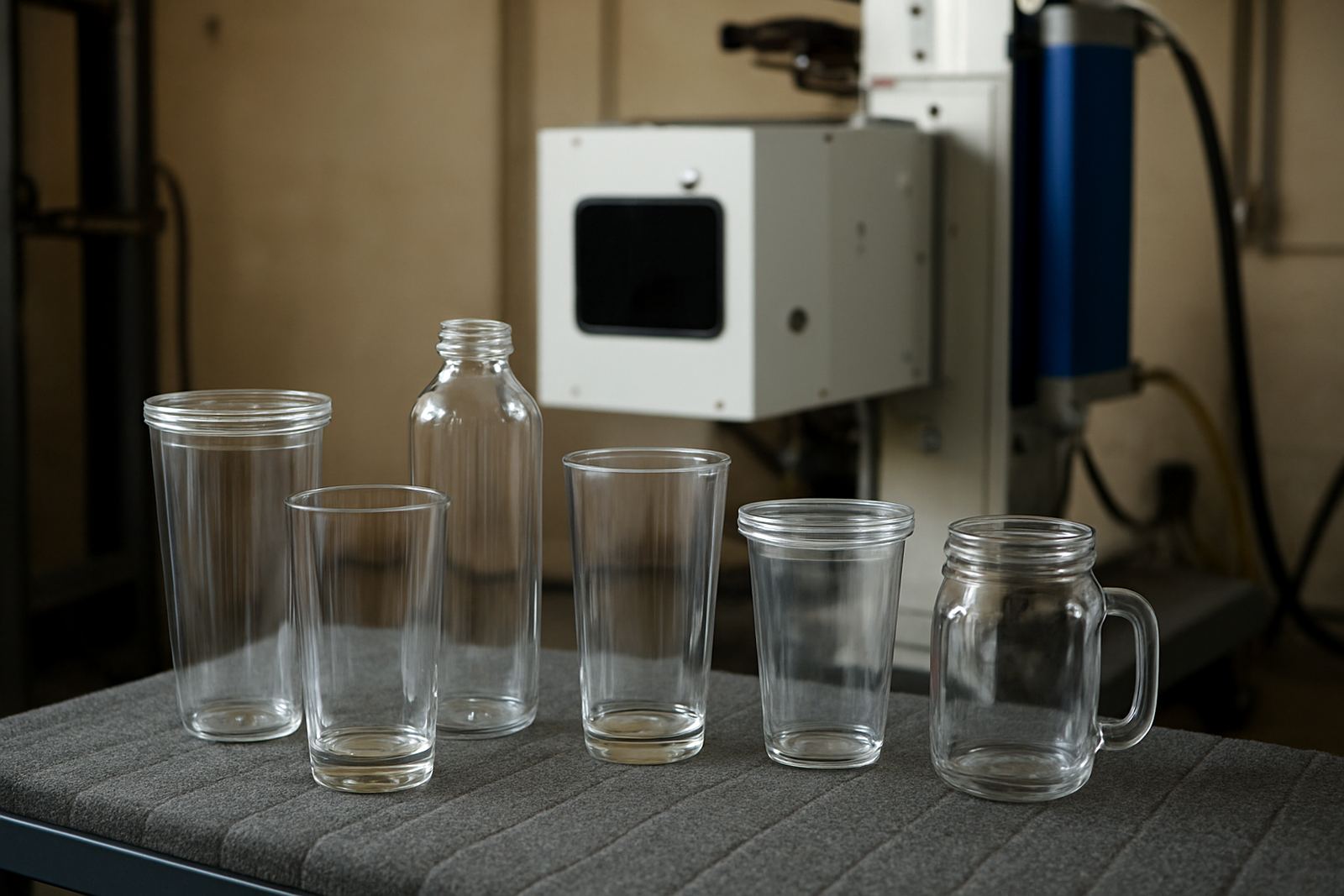
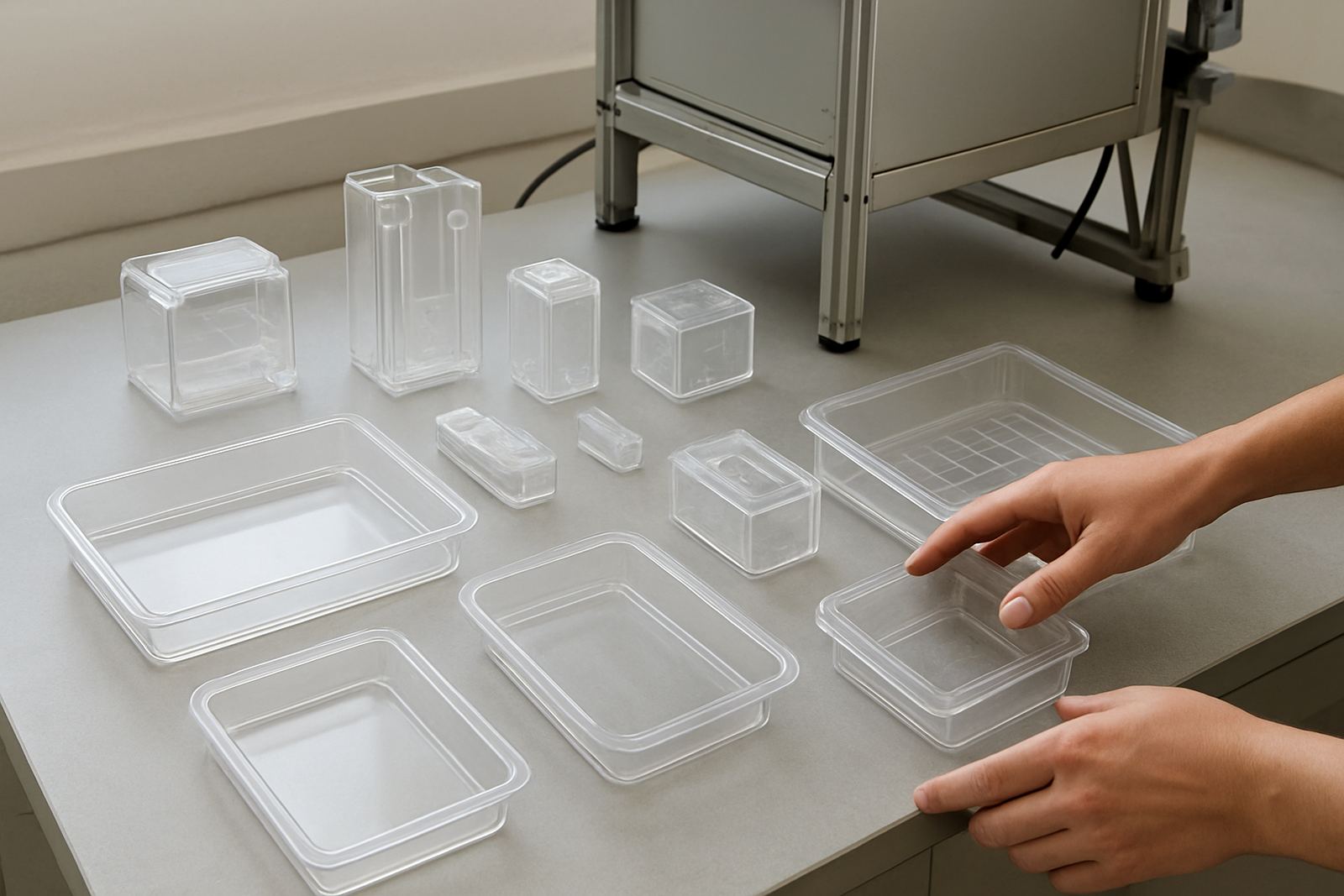
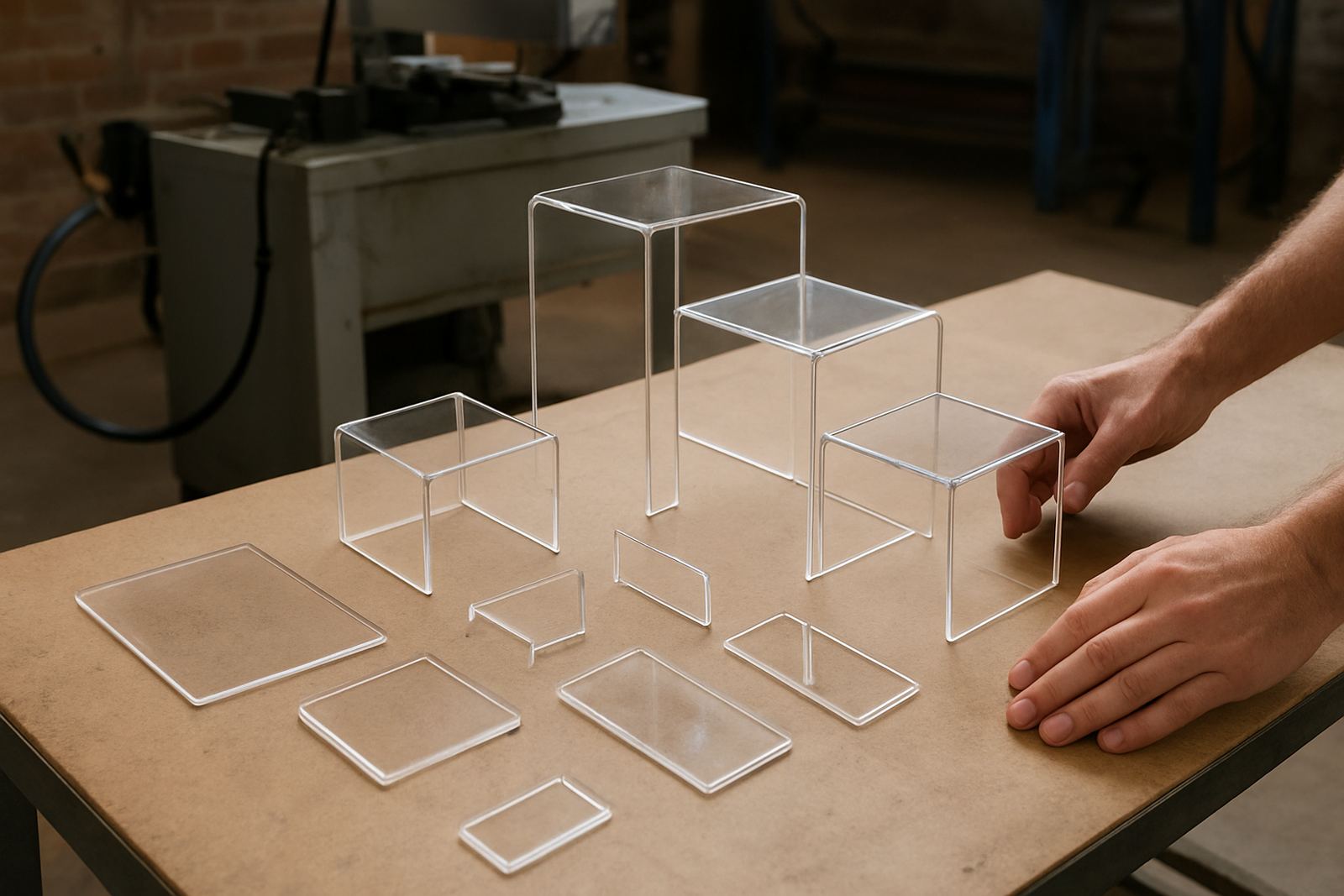
Display component marking is usually done on fabricated plastics rather than heavy industrial parts. The most common items include brochure holders, shelf strips, price rail inserts, counter stands, hanging clips, light covers and formed covers for electronics or cosmetics displays. Clear acrylic, PET, polycarbonate and other plastics each behave differently under a UV beam, so testing matters before production starts.
- Clear and frosted plastic fronts for branded holders
- Opaque stand parts with batch codes or product names
- Small flat labels on clip-on display pieces
- Decorative logos on premium retail units
- Functional marks such as alignment points or fitting references
The goal is usually to leave a sharp white or high-contrast mark without warping the part. On thin sections, even slight heat can cause stress marks or edge lift, so the process needs careful power setting and correct fixture support. In coastal areas the humidity can also affect handling and storage, so parts should be clean and dry before marking.
Planning the layout before the first batch goes through
A good display marking setup starts with the part drawing and the real production flow. If the mark is on a visible face, the part must sit in the fixture the same way every time. If the part has a curve, tab, hinge or mould line, that needs to be allowed for in the position and focus height.
For many display jobs, a small dedicated station is enough. Other sites need line integration with feeding, part locators, barcode confirmation and simple software setup. The right layout depends on batch size, operator skill, available floor space and whether the marking is done before or after assembly. We also plan around load-shedding, because a site in Ekurhuleni or Pretoria may need a stable power plan and restart procedure to avoid wasted stock.
- Check part thickness and material grade before quoting the process
- Confirm whether the mark must be on the front, back or hidden edge
- Allow room for fixtures, inspection and packing
- Plan for dust control where parts are cut or drilled nearby
- Keep spare settings for repeat orders and seasonal re-runs
Common mistakes that cause poor marks or rejected parts
The most common mistake is assuming every plastic behaves the same. A setting that works on one acrylic sheet can leave a dull mark or fine cracking on another. Another issue is poor fixturing, where the part moves even slightly and the logo ends up off-centre or uneven. On display work, that kind of error is often visible immediately to the customer.
We also see missed cleaning steps. Fingerprints, polishing residue and packaging dust can all affect marking quality. If the part has just come off a fabrication table, it should be wiped and checked first. Operators sometimes try to push speed too far as well, which may save seconds but can spoil the finish and increase rework.
For retailers and display suppliers, one bad run can mean delayed delivery or a mismatch across a full store rollout. That is why sample testing and operator training are worth doing before production starts, not after the first complaint.
Budget ranges for display component marking in Rand
Budget depends on part size, detail level, throughput and whether the job needs a simple station or a more complete integrated setup. For smaller display part runs, sample testing and process setup can be planned at a modest entry cost, while more advanced line work with fixtures, software setup and training will sit higher.
As a working guide, many South African businesses budget from about R15 000 to R45 000 for basic marking support and small-scale equipment planning, while more involved production systems can range from R75 000 to R250 000 or more depending on output and integration needs. Custom fixture design, spare parts, preventive maintenance and breakdown repairs should also be allowed for in the annual budget.
For branches in Boksburg, Germiston, Kempton Park and Midrand, it is often worth pricing the whole job including installation and staff handover. A lower entry price can become expensive if the machine is not suited to the part mix, or if operators need repeated callouts to get the same result.
What clients usually ask for after installation
Once the system is running, most display customers ask for repeat support rather than a new machine. That often means saved settings, a spare part plan, and guidance on new materials as product ranges change. Some teams want a cleaner mark on glossy plastic, others want a darker mark on coloured parts, so process optimisation becomes part of the normal service.
UV Laser supports site demos, sample testing, machine installation, operator training, fixture design, line integration, preventive maintenance, breakdown repairs, software setup and spares supply nationwide. From our base in Jet Park, Boksburg, we support teams across South Africa with practical guidance that fits the real production floor, not just the sample room.
If you are marking display components for retail stands, holders or branded inserts, start with a sample and a proper layout check. That saves time, keeps the finish consistent, and avoids rework later on.