Start with the plastic, not the machine
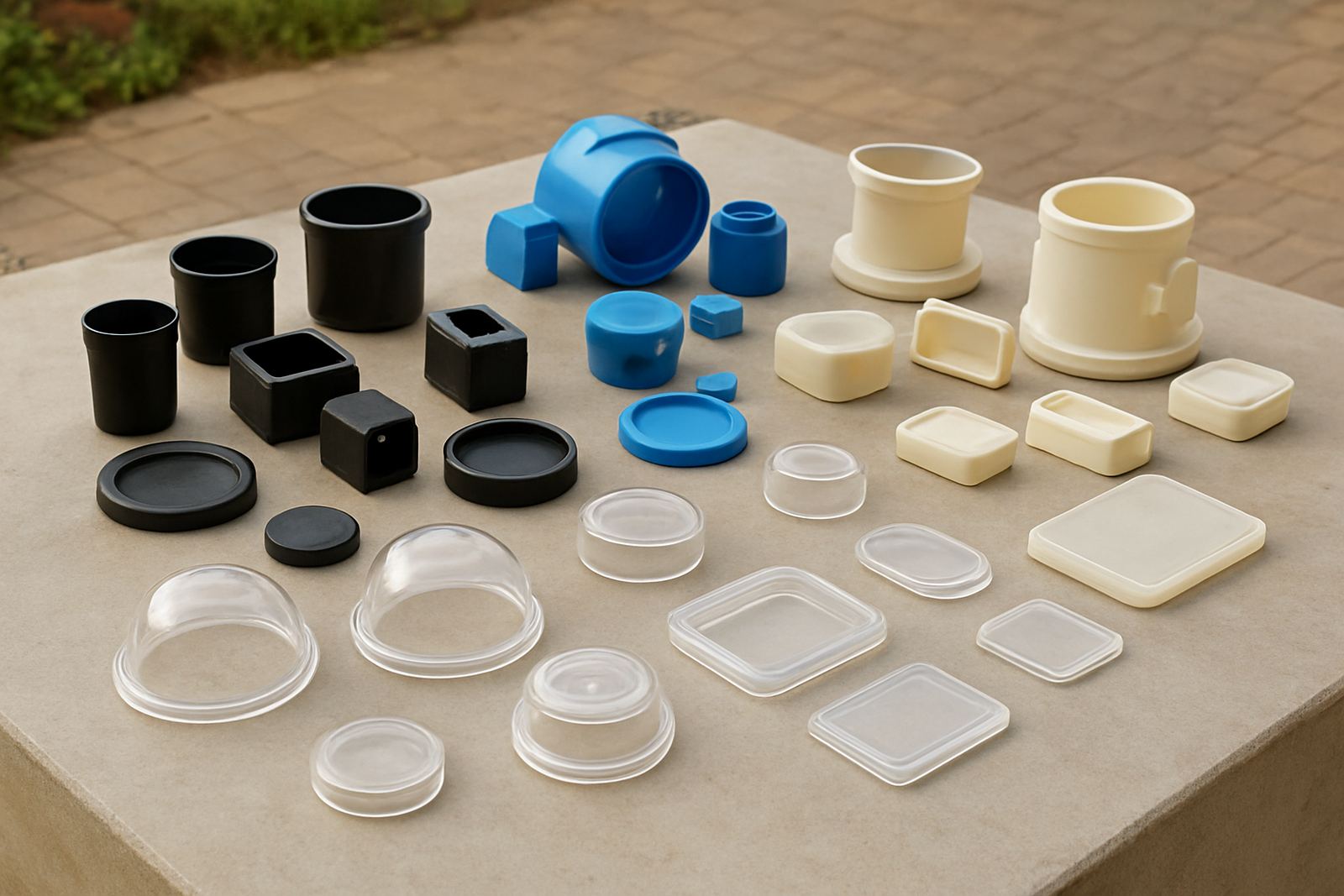
Not all plastics respond the same way to UV marking. A clear lid, a matt housing and a high-gloss label carrier can each give a different result, even when the artwork is identical. Before you choose equipment, confirm the base material, wall thickness, colour, surface finish and whether the part is rigid or flexible. That early check saves a lot of time during sample testing.
For many plastic applications, the aim is a crisp mark with low heat input and no distortion. This matters on thin packaging, medical parts, closures, caps and light-duty technical components. If the mark must remain readable after handling, rubbing or exposure to cleaners, the material and mark contrast need to be tested under realistic conditions, not just under a bright lamp in the workshop.
- Identify the plastic type and any fillers or additives.
- Confirm if the part is glossy, matt, tinted or clear.
- Check if the mark must be visible from one side only.
- Test how the part reacts to heat, pressure and solvent cleaning.
In South Africa, humidity on the coast and dust in inland plants can also affect the final result, so it helps to test parts in the same environment where they will be packed or assembled.
Define the mark before you choose the process
A good marking system should match the job, not the other way round. Some clients need a simple batch code and expiry date. Others need fine logos, regulatory details, serial numbers or tiny symbols on small components. If the information must stay legible after transport, warehousing and retail handling, the mark needs enough contrast and repeatability for that use.
For plastic packaging, line speed is often the deciding factor. A slower process may work in sample testing, but it can become a bottleneck once the machine runs on a shift with real output targets. For moulded parts, the issue may be repeatability across a full tray or carton. It is worth checking whether the same settings can hold up over a full production run, especially where power dips or load-shedding can interrupt the line and change start-up conditions.
- Decide whether the mark is for branding, traceability or compliance.
- Set the smallest readable text size needed.
- Confirm if variable data must change on every part.
- Check the required cycle time per item or per tray.
Use sample testing to check finish, contrast and speed
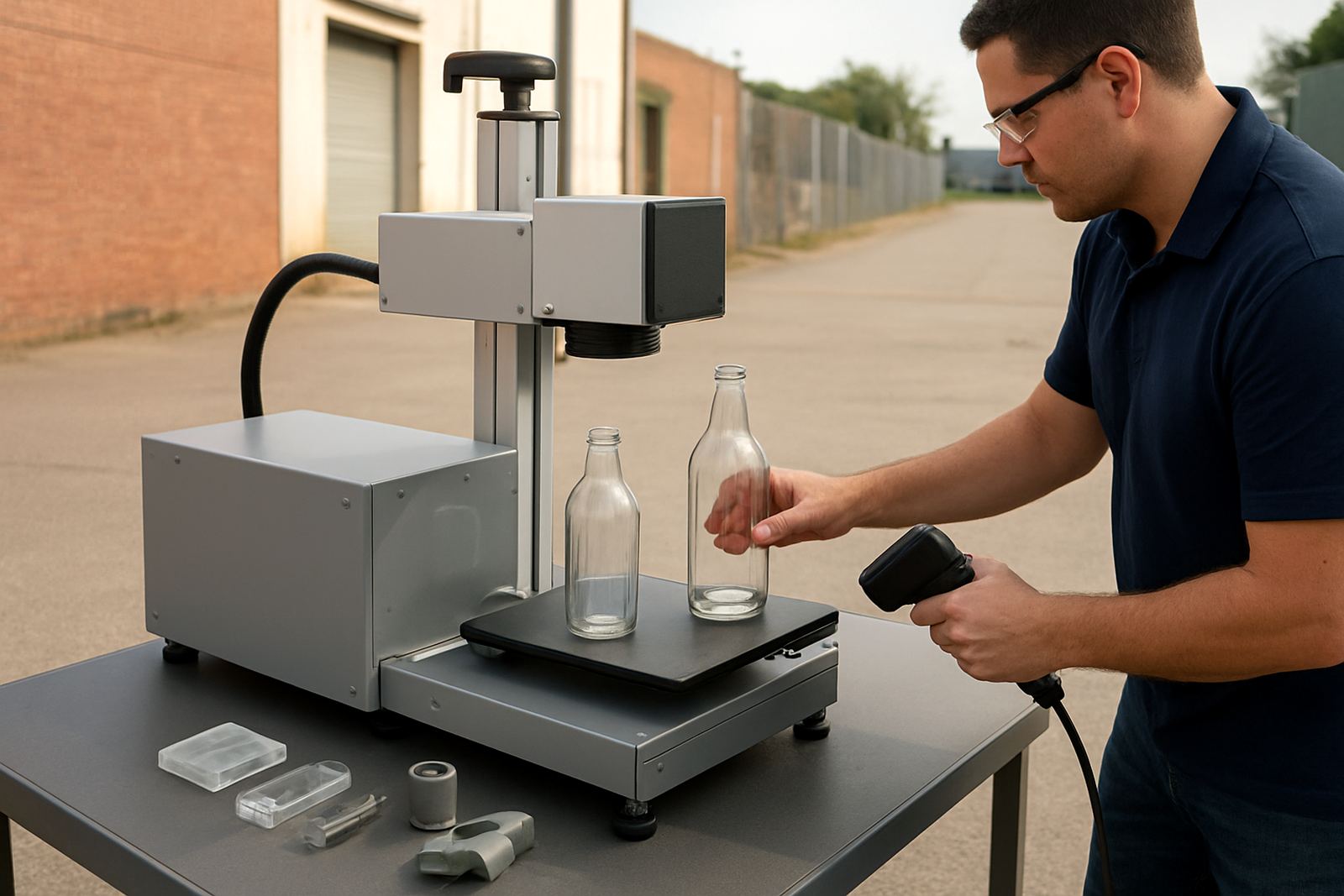
Sample testing is where most marking decisions are settled properly. Bring the actual plastic parts, packaging sleeves or moulded samples, not a similar substitute. A small change in resin or colour can change the finish quite a bit. Testing should show whether the mark is clean, whether there is whitening, fading or surface damage, and whether the result is permanent enough for the application.
We often see clients in Jet Park, Boksburg, Germiston and Kempton Park arrive with one part and then realise they need three or four variants tested. That is normal. A cap may mark well, while a transparent tray needs a different setup. If the final product will be handled at high speed or stacked in cartons, the mark should also be checked after packing, not only immediately after marking.
- Test at least one final sample from the actual production batch.
- Check readability under workshop light and normal warehouse light.
- Confirm that the mark stays visible after wiping or handling.
- Record the settings that give the best result for repeat use.
Good sample testing gives you a practical baseline for production and helps avoid wasted parts during commissioning.
Check the line layout, fixtures and operator workflow
The best marking result can still fail on the line if the part is not presented correctly. Plastic items often need a simple fixture, nest or guide so the mark lands in the same place every time. This is especially important for small components, curved parts and packaging that moves quickly past the marking point. A stable fixture also helps with safety and reduces operator fatigue.
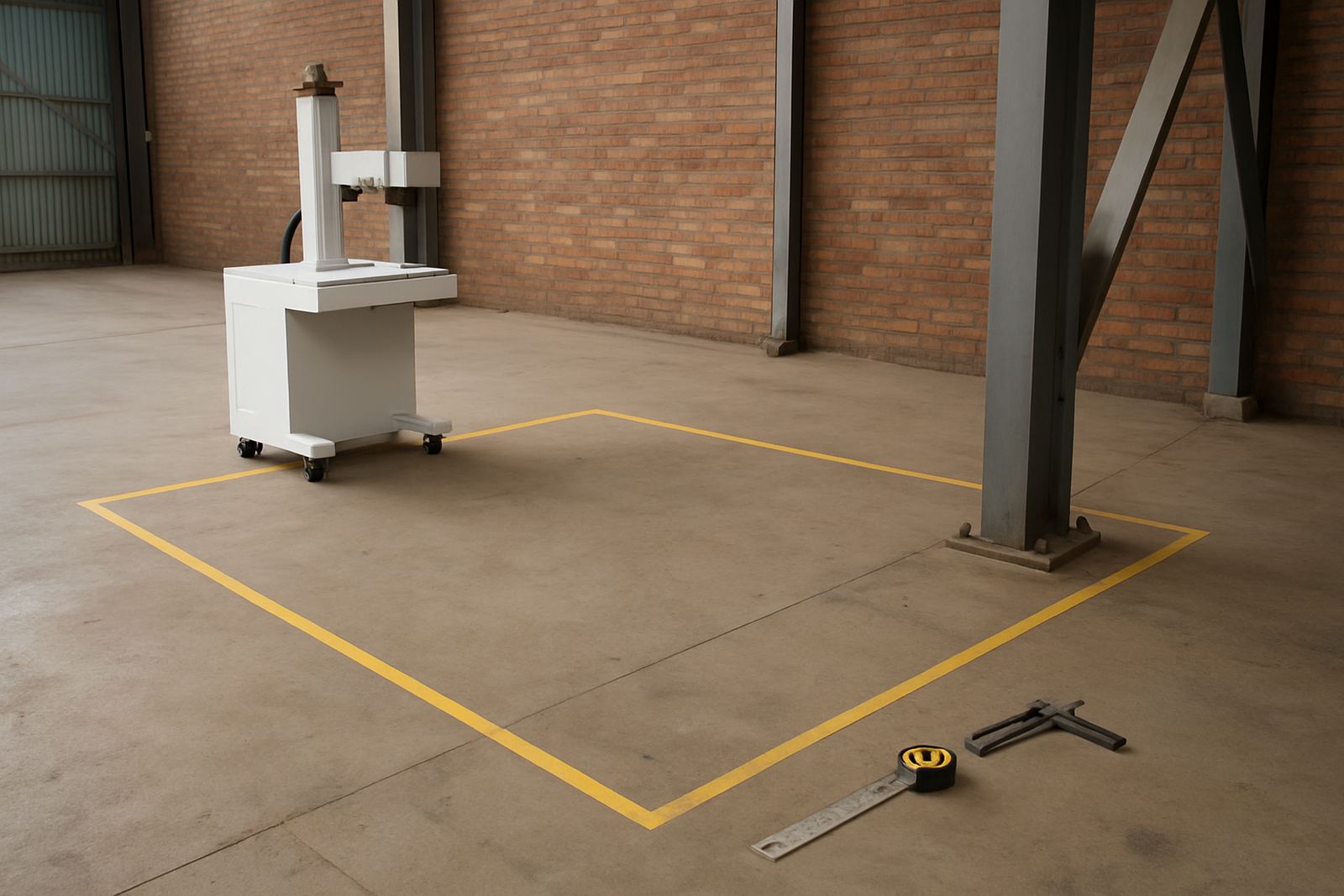
When planning installation, think about where the machine sits, how parts enter and leave the station, and how the operator loads them. If the area is cramped or the line changes often, the setup should allow for quick adjustment without losing accuracy. In some plants, we also work around limited floor space, variable shift staffing and municipal noise or safety rules for shared industrial parks. The goal is simple: keep the process controlled and easy to run.
- Measure the available footprint and access points.
- Check the infeed, outfeed and storage position for parts.
- Plan for safe operator reach and clear viewing of the mark area.
- Allow enough space for maintenance and cleaning.
Plan installation, training and support from day one
Buying a marking system is only part of the job. The equipment needs to be installed correctly, configured for the right plastics and handed over with proper training. That includes software setup, parameter selection, marking file management and basic fault finding. A short session is not enough for a busy production team. Operators need time on the machine with the actual product, so they know what normal looks like and what to do when the mark drifts.
For plants outside Gauteng, nationwide support matters just as much as the first install. A supplier should be able to assist with demos, breakdown repairs, process optimisation, preventive maintenance and spares supply. If your operation runs in Midrand, Pretoria, Alberton, Benoni or further afield, it helps to have a team that can travel and keep the line moving. With the right support, the machine stays practical to use, not just impressive on commissioning day.
UV Laser’s team in Jet Park, Boksburg works with businesses across South Africa on site demos, sample testing, machine installation, operator training, fixture design, line integration, preventive maintenance, breakdown repairs, software setup, process optimisation and spares supply. That support structure is important for plastic marking work where small setup changes can make a big difference.
A short checklist before you place the order
If you want a clear decision, work through a final checklist before purchase. It keeps the project grounded in the actual product and the production target, instead of relying on general assumptions. The right marking solution should suit the plastic, the line speed, the packaging format and the team that will run it every day.
- Have the exact plastic sample tested.
- Confirm the required mark size, position and readability.
- Check the expected output per shift and any peak periods.
- Confirm power needs, space and environmental conditions.
- Plan training for the people who will run and maintain the machine.
- Ask about preventive maintenance and local support response times.
If you are working with plastic components or packaging and want a practical starting point, a proper demo and sample test is usually the quickest route to a sound decision. It gives you a real mark to judge, not just a specification sheet.