Start with the material, not the machine
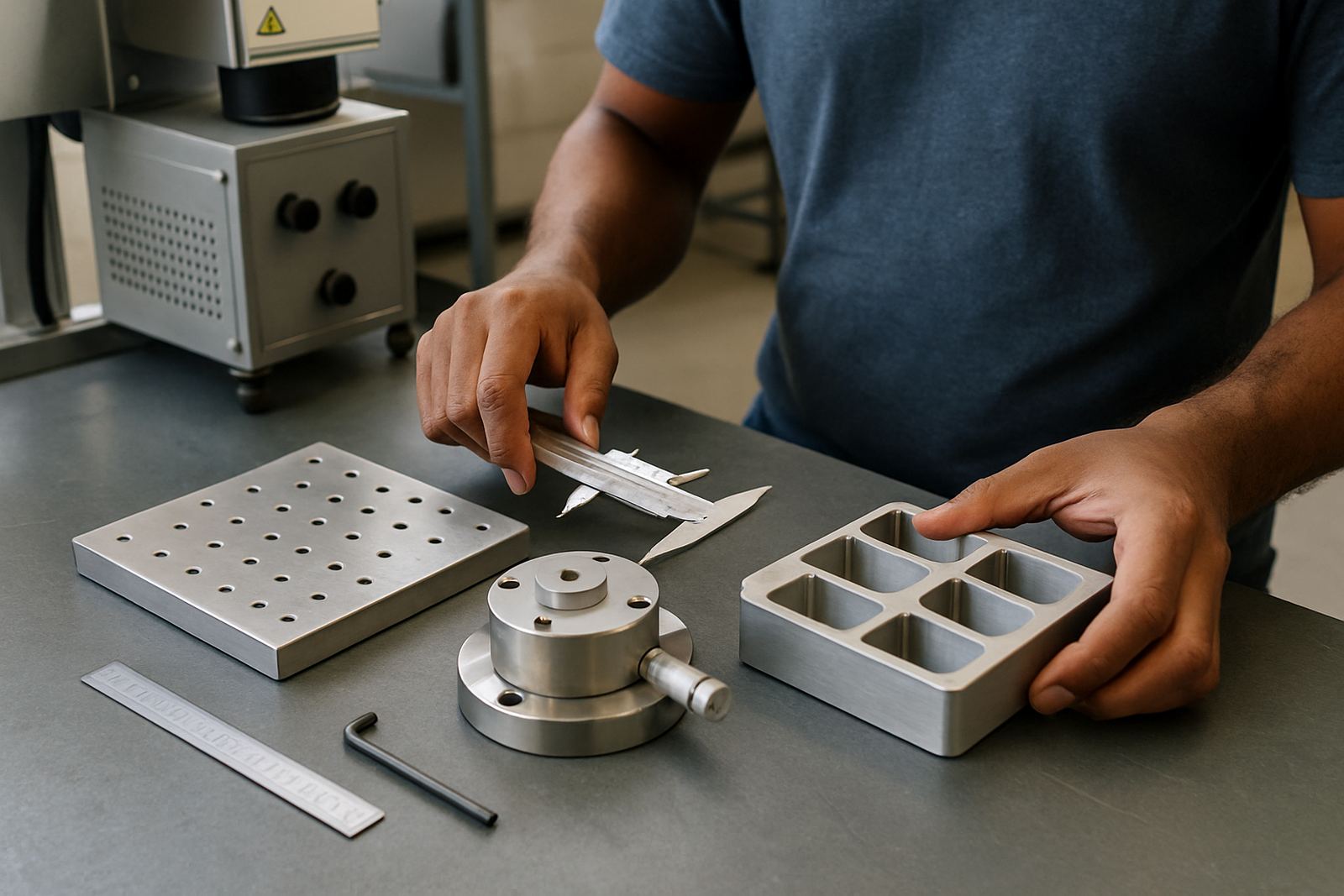
Before an operator touches the control screen, they need to understand the material on the table. Glass and plastics react differently to UV energy, so the same settings will not always give the same finish. Thickness, surface coating, colour, texture and mould release all affect the result. In coastal areas like Durban or Richards Bay, humidity can also change how parts behave during handling and storage, while inland dust can leave marks on the surface and spoil the finish.
Good training begins with basic material recognition. Operators should know how to spot stress in glass, how to check if a plastic is clear or tinted, and when a test mark is needed before a full job runs. They must also know which items are suitable for permanent marking and which need a lighter touch to avoid cracking, hazing or distortion.
- Check part material and finish before every job
- Confirm thickness, shape and any coating or additive
- Run a sample mark on new batches or new suppliers
- Keep a record of successful settings by product code
Safe setup and workstation discipline
Safe UV marking is not only about the machine, it is about how the operator sets up the whole work area. The station must be clean, stable and clearly marked, with the correct guarding in place and enough space for loading, unloading and inspection. In busy plants around Jet Park, Boksburg, Germiston and Kempton Park, poor layout often causes rushed handling, and that is when damaged parts and unsafe movements happen.
Operators should be trained to follow the same start-up routine every time. That means checking guards, confirmning fixtures, clearing the bed, verifying the job file and making sure the extraction and power supply are ready. Where load-shedding is an issue, they also need to know the restart procedure after power returns so settings are not lost and parts do not get double marked.
- Inspect guards, emergency stops and warning labels
- Make sure fixtures hold the part without stress or slip
- Check extraction, lighting and cabling before running
- Use a fixed start-up checklist for every shift
Dial in settings for repeatable marks
Repeatability comes from disciplined setup and careful testing. Operators need to understand the relationship between power, speed, focus, frequency and marking area. If one setting changes, the finish can change too. A part that looks fine on the first sample may still fail after 200 units if the focus drifts or the fixture allows movement.
Training should teach operators how to create a sample matrix, compare test marks, and choose the best setting for production. They should learn to recognise clean contrast, even depth, sharp edges and consistent positioning. For line work, they must also know how to watch for heat build-up, cycle time changes and any shift in location from one part to the next.
- Use sample tests to confirm the best marking recipe
- Check focus at the start of each run and after any changeover
- Watch for movement, haze, chipping or weak contrast
- Save approved settings and label them clearly
Operator habits that protect quality
The best operators build habits that keep quality steady from the first part to the last. They inspect incoming parts, clean the work surface, confirm orientation and avoid handling marks with bare fingers where possible. On glass items for branding or labelling, a small smear can be enough to spoil the finish, especially on clear pieces that will be viewed under bright light.
They also need to understand when to stop the job. If the mark shifts, the part slips, the fixture loosens or the beam area looks uneven, the right action is to pause and check the cause. Rushing through a problem usually means more scrap, more rework and more downtime. A strong training programme gives operators the confidence to stop, report and reset without guessing.
- Clean parts and fixtures before every batch
- Handle marked items carefully to avoid fingerprints or scratches
- Stop the run if alignment or quality changes
- Log faults, adjustments and rejected parts
Training for changeovers, fixtures and line work
Many South African businesses run mixed batches, short production windows and frequent changeovers. That means operators must know how to swap fixtures, load new artwork and prepare the machine for the next product without losing time or accuracy. Fixture design is often part of the job, because a good holding method can save a lot of handling and reduce errors.
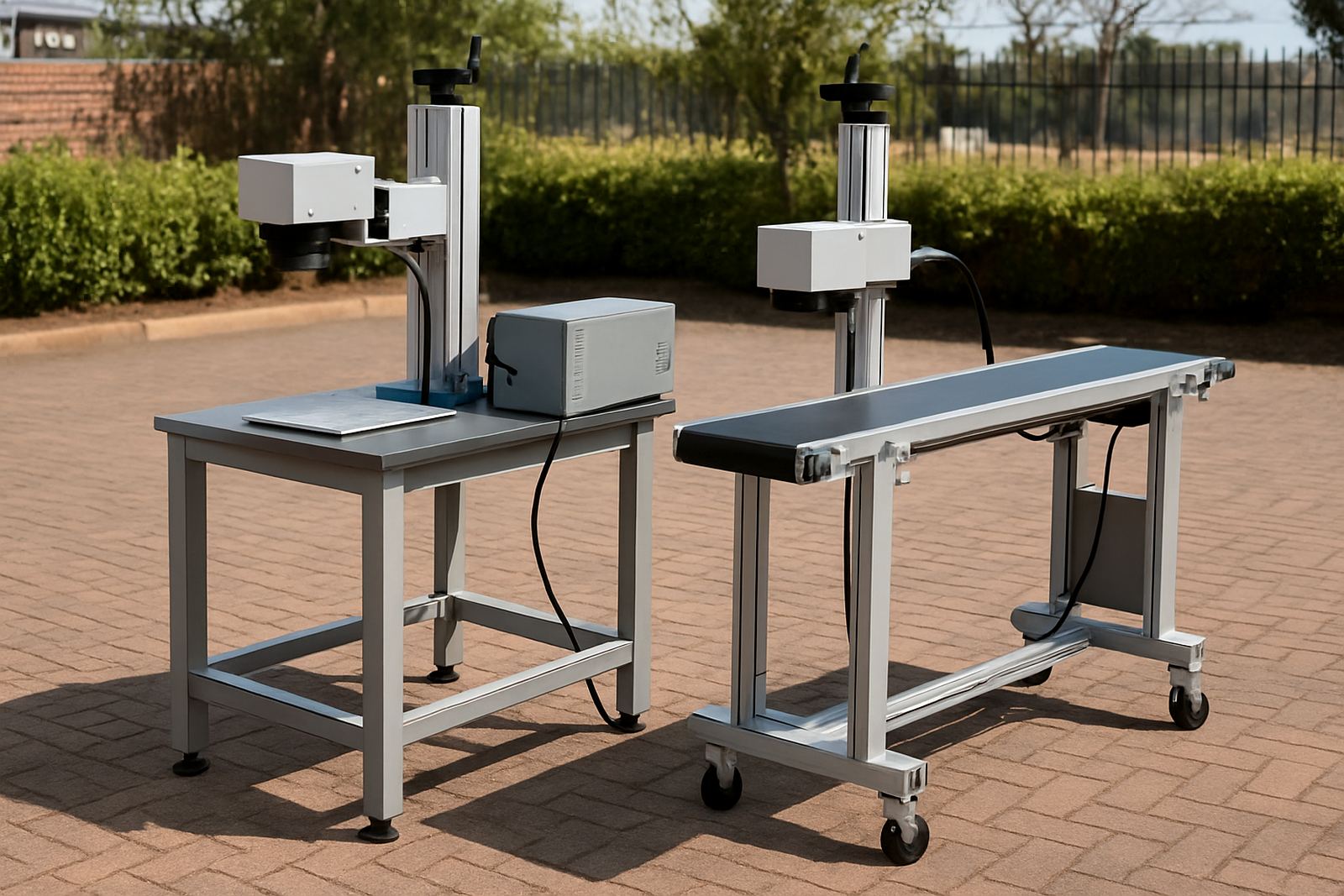
When marking forms part of a bigger line, the operator must also know how the laser fits into the flow. They need to check infeed and outfeed timing, part spacing, and any sensor or software setup linked to the process. In plants from Benoni to Midrand and Pretoria, a well trained operator can keep the line moving without creating a bottleneck.
- Learn the correct sequence for fixture swaps and job changes
- Check software files, logos and text before production starts
- Confirm part flow, spacing and line timing where integrated
- Keep the previous approved setup notes close at hand
Daily checks, maintenance awareness and escalation
Operators do not need to be service technicians, but they do need to know what healthy equipment looks and sounds like. A daily checklist helps spot small issues before they turn into breakdowns. Training should cover lens cleanliness, visible dust build-up, loose fittings, unusual noise, warning messages and any change in marking depth or position. In dusty industrial areas, even a small build-up can affect output over time.
They should also know what to do when something falls outside normal operation. Record the fault, stop the machine if needed and call for support before the issue grows. Good handover notes help service teams work faster on site, whether the job is in Alberton, Germiston or further afield. That keeps downtime down and helps protect production targets.
- Check lens, fixtures and visible wear at the start of shift
- Record any fault message, symptom or unusual noise
- Do not continue if marks start drifting or fading
- Hand over clear notes for breakdown support or maintenance
What a well trained operator should be able to do
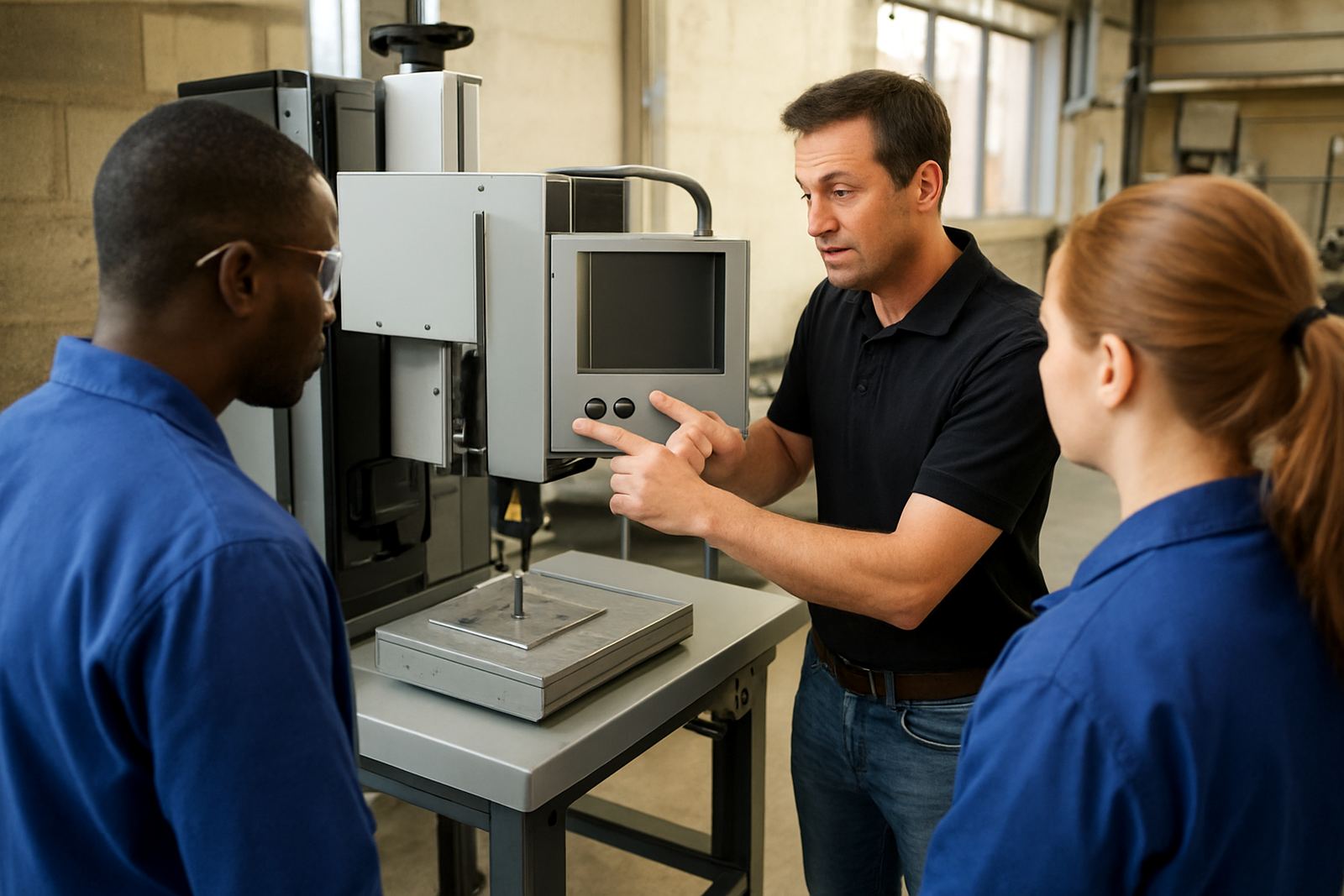
A trained operator should be able to prepare the station, load the part correctly, verify the job file, run a sample, confirm quality and keep the process moving with steady output. They should know how to explain a quality problem in plain terms, not just say that something looks wrong. That makes it easier to fix the root cause and improve the process.
They should also know when to ask for help with software setup, process optimisation, spares or line integration. Good training is not a once-off event. It is a practical skill set that gets stronger with each new product, each new fixture and each new batch of material. When the team understands the basics properly, the marking stays clear, durable and consistent, even on busy shifts and in tough site conditions.