Start with your line speed and product mix
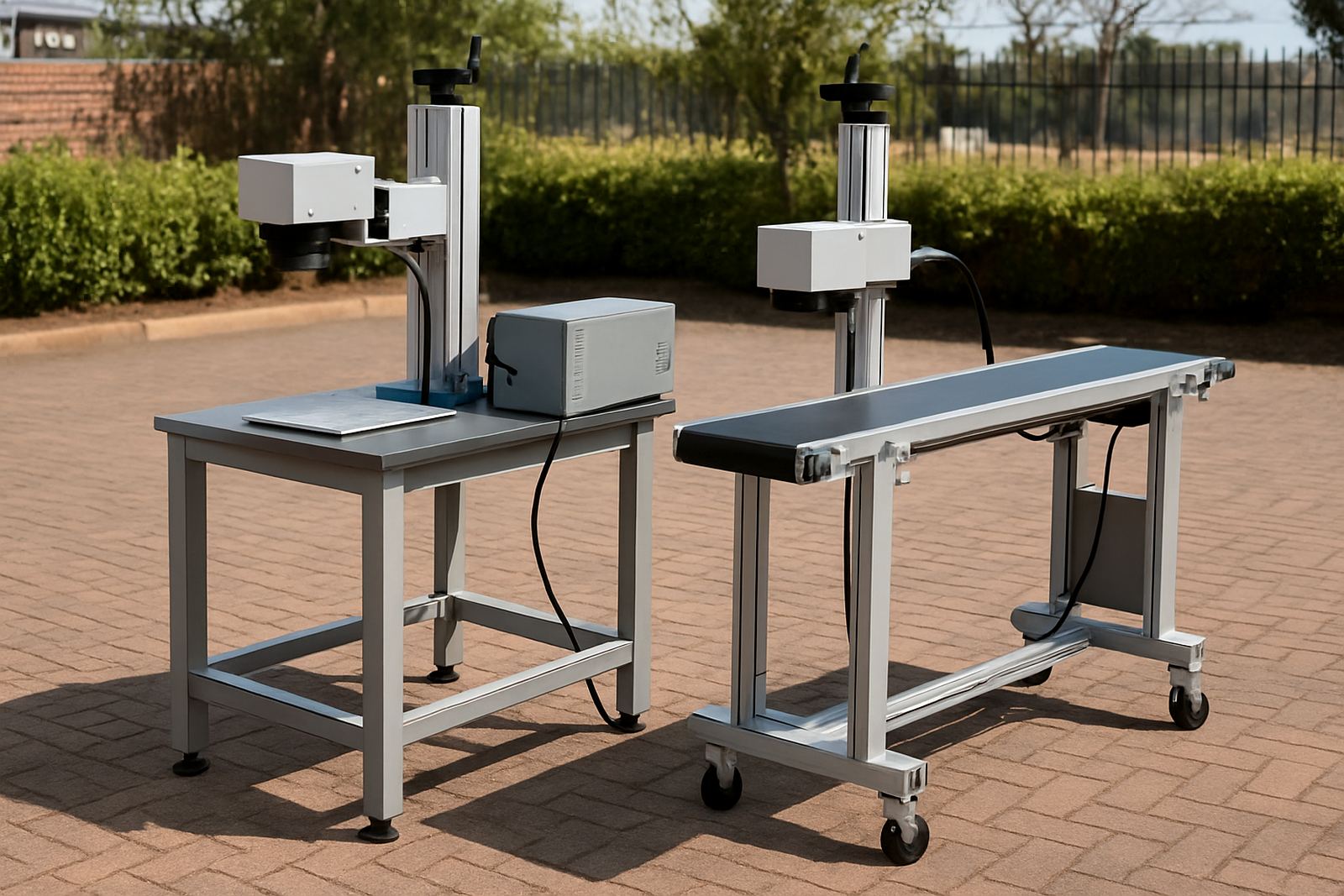
The right system depends less on the machine and more on what is moving through your plant. A benchtop unit suits batch work, short runs, samples and products that are marked off-line before packing. An inline system suits steady production where bottles, jars, caps, cosmetic parts or plastic components move on a conveyor and need to be marked as part of the process.
If your team changes artwork often, handles many SKU changes, or works with smaller daily volumes, a benchtop setup gives you more control. If you are marking the same product all day and need consistent output, inline equipment usually reduces handling and improves throughput. In Jet Park, Boksburg and nearby areas like Germiston and Kempton Park, we often see manufacturers start benchtop and move to inline once volumes grow. The choice is less about status and more about keeping pace with production without bottlenecks.
- Use benchtop for samples, short runs and varied products.
- Use inline for repeat work and higher throughput.
- Count how many items must be marked per hour, not per day.
- Include changeover time, loading time and packing time in your estimate.
Where each system fits in your floor space
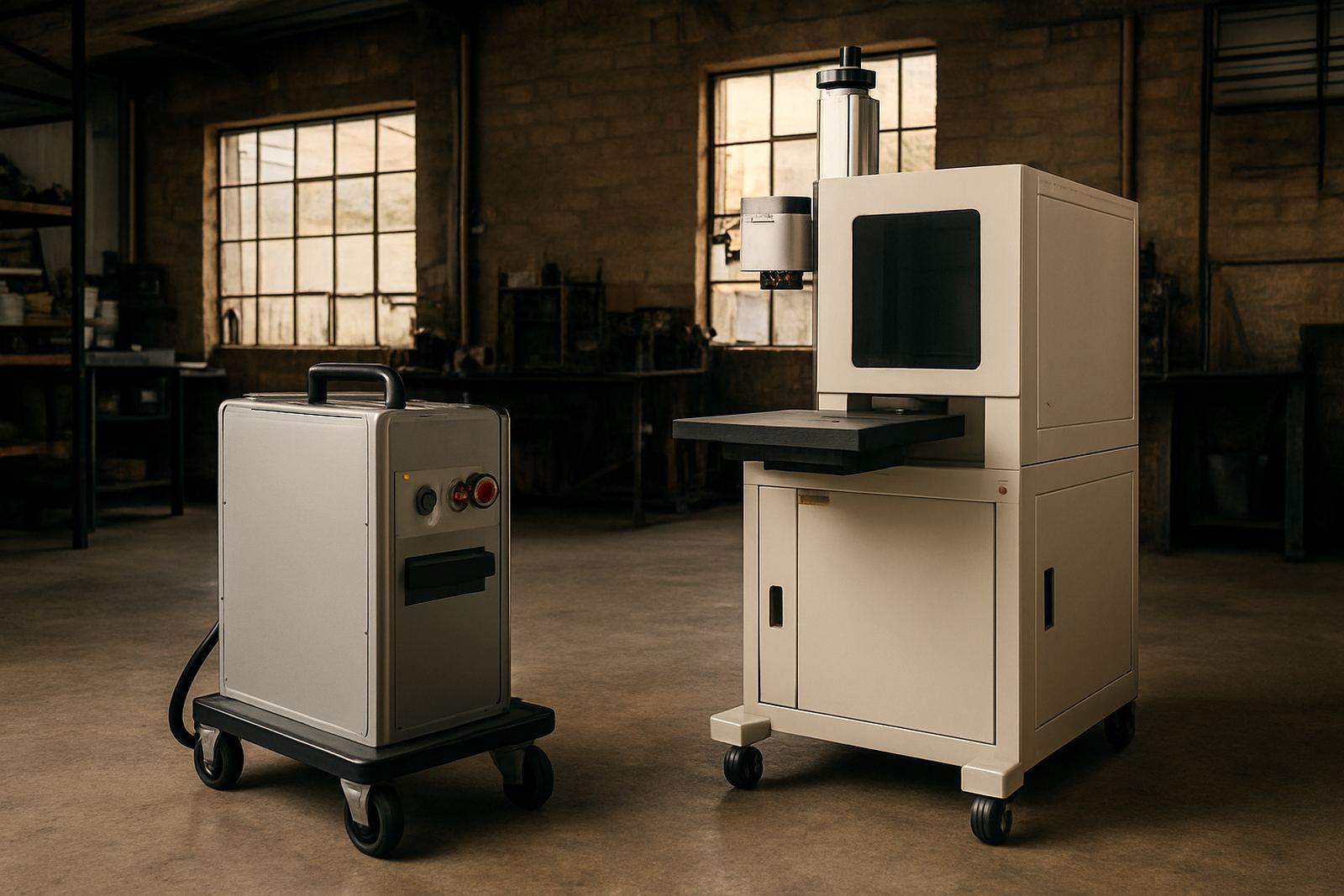
Space matters, especially in smaller workshops and crowded production areas. A benchtop unit needs a stable table or frame, clear access for the operator, and enough room to place and remove items safely. It is a good fit when you want marking close to packing, but not tied into a moving line.
An inline system needs more planning. You need conveyor length, infeed and outfeed space, a marking position that is easy to guard, and enough clearance for maintenance. If the line is already busy with filling, capping, labelling or inspection equipment, the marking station must be positioned so it does not slow the whole process. In humid coastal conditions, or where dust builds up, enclosure and ventilation need to be considered early. On sites with load-shedding, power planning matters too, because a stable electrical supply helps avoid unnecessary downtime.
- Measure floor space, including operator movement and access for cleaning.
- Check where products enter and leave the marking point.
- Allow space for cable routing, control panels and future maintenance.
- Consider heat, dust and humidity in the area where the unit will sit.
Speed, consistency and production flow
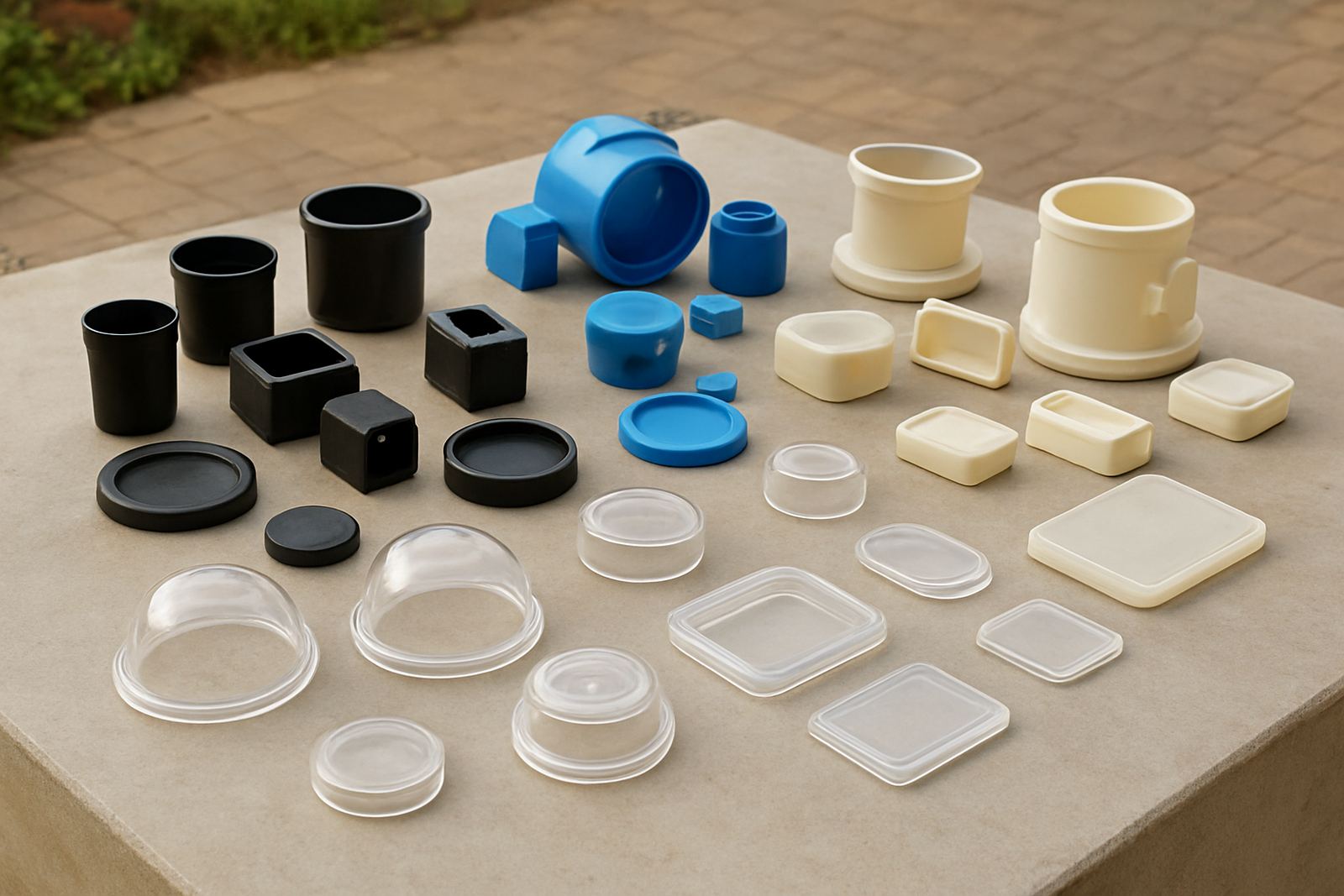
Benchtop systems are usually slower, but they give you flexibility. The operator loads the product, checks alignment, starts the cycle and removes the item once marked. That is suitable where accuracy matters more than volume, or where each product needs a different layout. With the right fixture design, a benchtop unit can still deliver neat, permanent marks on glass and plastics.
Inline systems are built for repeatability. Once the product position is set and the line is running correctly, marking becomes part of the flow. This reduces hand contact, helps with consistency and can improve traceability on packed goods. For businesses in Benoni, Alberton and Pretoria serving retailers, exporters or contract packing clients, the main advantage is simple: less handling, more output, fewer delays. The trade-off is that setup has to be right, because if the line stops, everything behind it stops too.
- Choose benchtop if your products change often and volumes are moderate.
- Choose inline if the same product runs in long batches.
- Plan for rejection handling if a mark fails or a part is out of position.
- Track cycle time before and after installation to measure the real gain.
Fixtures, product handling and mark quality
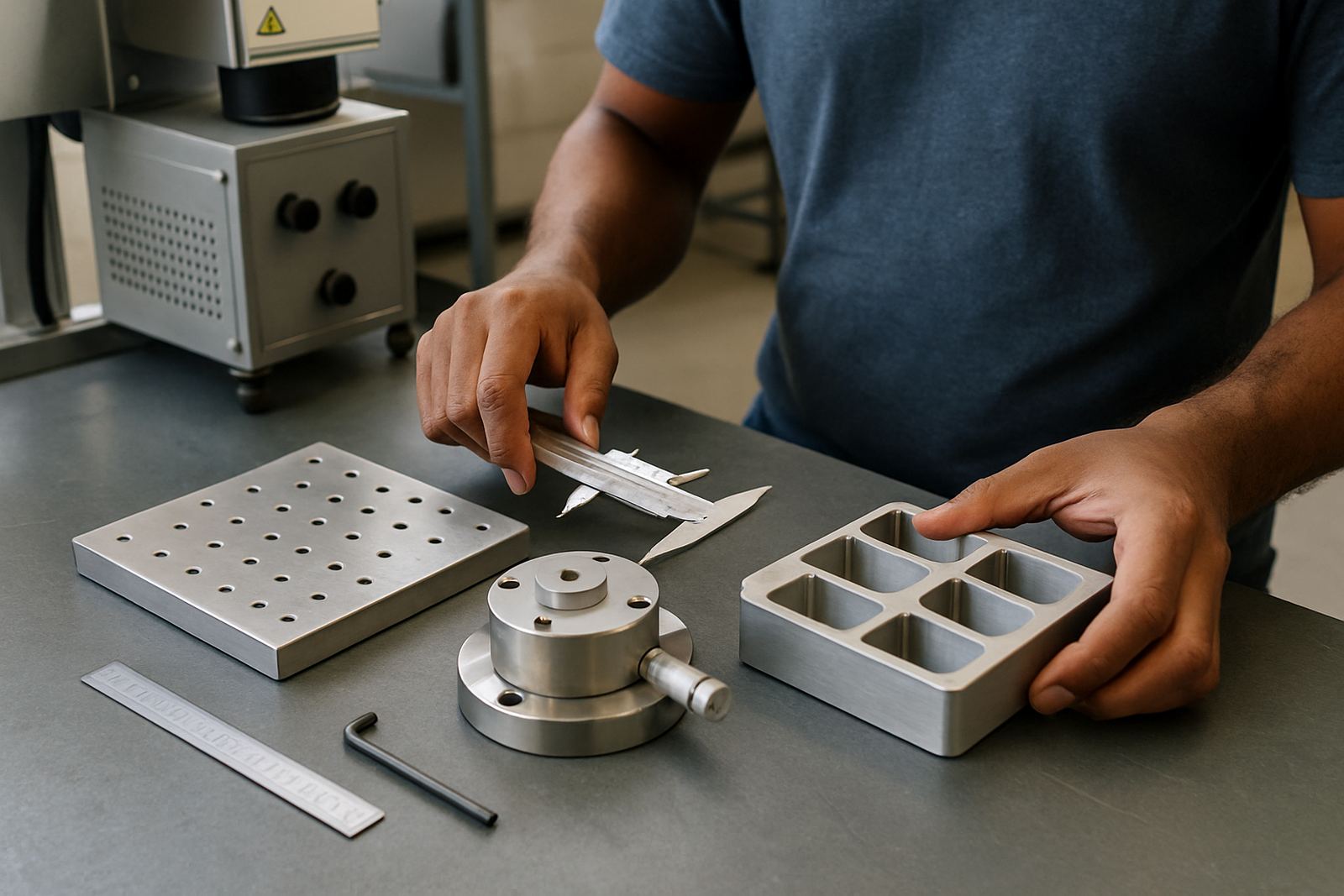
Good mark quality depends on more than the laser source. Glass and plastics both need correct positioning, clean surfaces and repeatable presentation. A benchtop machine often benefits from a custom fixture that holds the item at the same angle and height each time. That becomes important when the design is small, detailed or placed close to an edge.
Inline systems often need guided conveyors, stops, sensors and sometimes custom jigs to keep the product in the same place as it moves through the marking zone. Refilwe Mahlangu, our Senior Applications Technician, often checks the product first before recommending the fixture style, because poor support can cause miss marks or wasted stock. If the surface is curved, glossy or sensitive to heat, sample testing is the safest starting point. The aim is not just a visible mark, but one that stays clear and readable through handling, washing and packing.
- Test on actual material, not only on offcuts.
- Check for movement, vibration and product wobble.
- Confirm the mark position against your label or artwork standard.
- Inspect samples under normal site lighting before signing off.
Installation, training and operator readiness
Installation looks different for each system. A benchtop unit is quicker to place and commission, but it still needs correct power, alignment and operator training. Inline equipment takes longer because it has to work with the line speed, sensor timing and product flow. In both cases, a proper handover is worth doing. It saves time later and cuts down on avoidable breakdown calls.
Training should cover start-up, shut-down, cleaning, file handling, basic fault finding and safe operation. If the team on the floor changes shifts, train more than one person. That is especially important when production runs after hours or when a site is dealing with power interruptions. In practical terms, the operator must know what a normal mark looks like, what to check if the mark shifts, and when to stop the line and call for help. Our team handles site demos, machine installation and operator training nationwide, with support from Jet Park, Boksburg to Midrand and beyond.
- Train operators before the first production run.
- Keep sample parts and approved settings near the machine.
- Write down cleaning and start-up steps in plain language.
- Nominate one person to manage files, fixtures and settings.
A simple decision checklist for your next step
If you are still deciding, use a plain checklist. Start with product volume, then move to space, changeover time and staff availability. If your products are small batches, samples or mixed orders, benchtop is usually the practical choice. If your production is steady and you want the marking process to keep up with the line, inline is the better fit.
It also helps to think ahead. Will volumes grow in the next 12 months? Will the same system need to handle more than one product size? Do you need spares supply, maintenance or software setup after installation? A good marking system should fit your current job and your next one. That is why sample testing and an on-site demo are useful before you commit. From our base in Jet Park, Boksburg, we support businesses in Ekurhuleni, Gauteng and nationwide with preventive maintenance, breakdown repairs, process optimisation and spares supply. If you want guidance on the best setup for your line, use the enquiry form on our contact page and we will take it from there.
- Know your daily output target.
- Measure available floor space and access paths.
- Confirm your product material and finish.
- Decide how much operator handling you can allow.
- Plan for training, support and future expansion.