What our machine installation service covers
Our installation service is built for production sites that need clean setup, accurate alignment and a machine that is ready to work on the first shift. We install UV laser marking systems on glass and plastics applications for branding, labelling, batch coding and fine decorative work. The goal is simple: the machine must sit correctly, mark consistently and suit the way your team actually works.
Every install starts with the site conditions. We look at floor space, work height, incoming power, safety access, ventilation and the flow of product through the line. In factories around Jet Park, Germiston and Kempton Park, that often means working around tight bays, mixed voltage setups and production that cannot stop for long. On coastal routes too, humidity and dust need to be considered so the machine stays stable and the optics stay clean.
- Positioning of the laser marking unit, control equipment and any support fixtures
- Connection to suitable power and control interfaces
- Beam path and marking alignment checks
- Safety setup, guarding review and warning labels where required
- Commissioning with test parts, sample marks and approval runs
How the installation process works
We keep the process orderly so there are fewer delays on site. After the initial enquiry, we confirm the job scope, the type of substrate and the marking result needed. From there, we plan the install date, the team required and any fixtures or sample parts that should be ready. If your line is in Alberton, Benoni or Midrand, we can usually work around planned stoppages or maintenance windows.
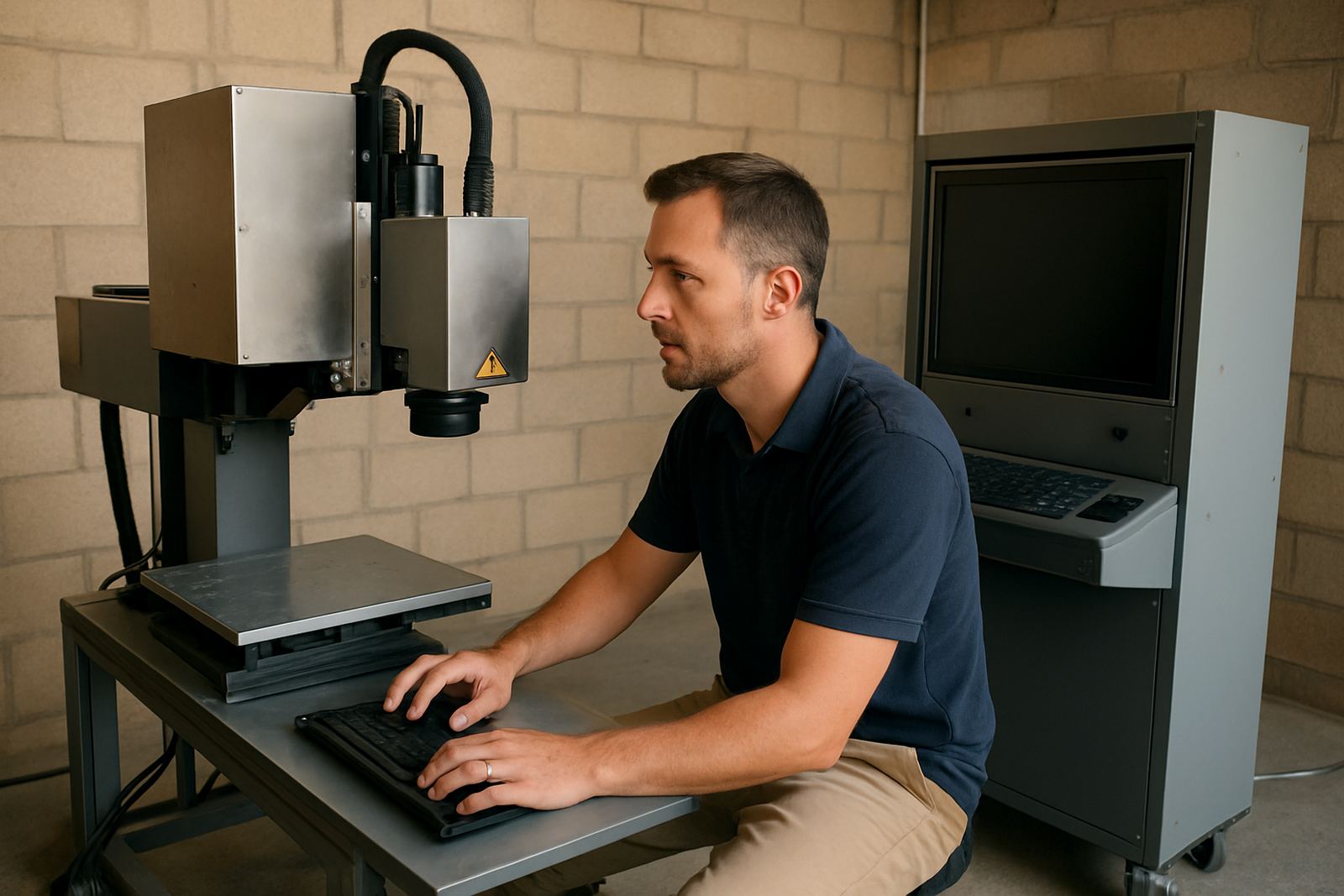
On installation day, the machine is unpacked, positioned and levelled. The optical path is checked, the software is set up and the system is linked to the relevant production controls if integration is part of the job. We then run test samples and adjust the parameters for clarity, contrast and repeatability. If the part is curved, glossy or fragile, such as certain glass bottles or plastic components, we fine tune the focus and pulse settings until the mark is stable.
- Site check and installation plan
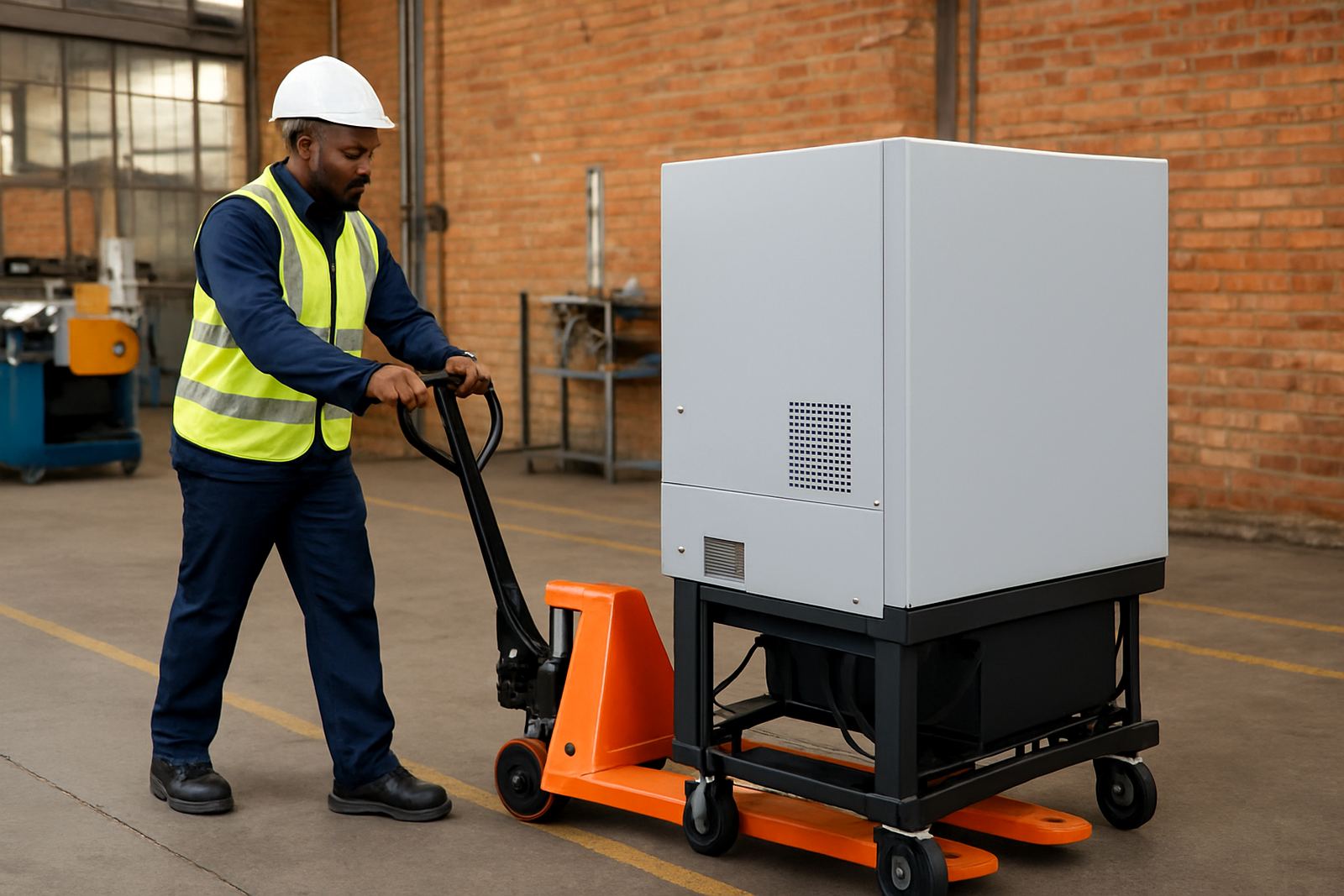
- Mechanical placement and levelling
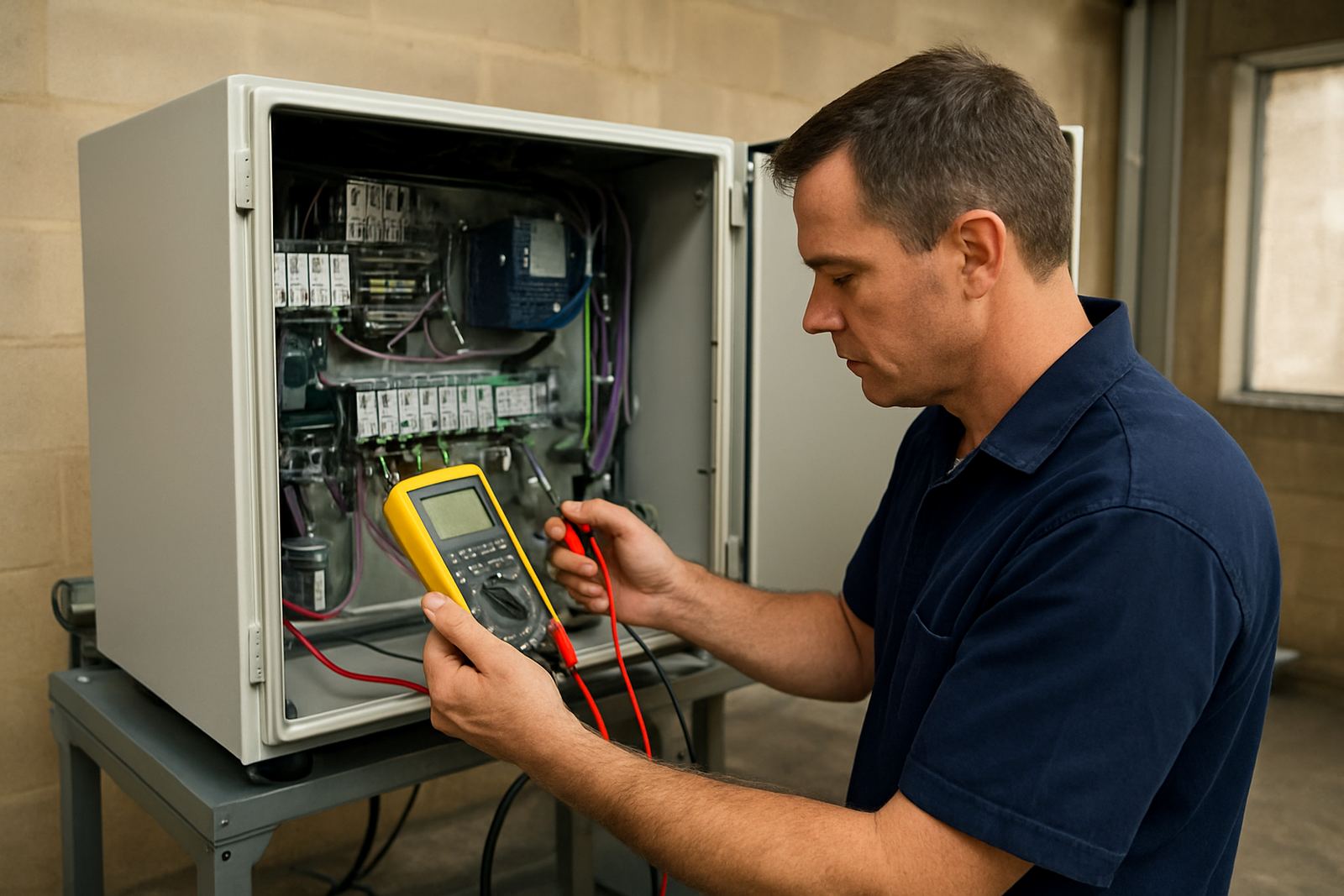
- Electrical connection and control setup
- Test marking on supplied samples
- Operator handover and sign-off
What we need from your side before arrival
A smooth install depends on a prepared site. We will confirm the exact requirements before we come out, but it helps if the area is clear, the power supply is ready and the product samples are on hand. Where a line is already running, please make sure the machine location is available and that the team who will use the system is present for the handover.
For best results, the product samples should match normal production pieces. That gives us a proper reading on marking quality, focus and speed. If the job involves variable data, batch codes or fine logos, we need the artwork and any coding rules in advance. This avoids back and forth on the day and cuts down wasted material, which matters when the line is busy and the rand cost of scrap adds up quickly.
- Clear floor area and access to the installation point
- Stable power supply and safe cable routing
- Representative samples for testing
- Artwork, code format or sample marks where relevant
- Operator attendance for training and sign-off
Typical turnaround and project timing
Most standard installations are completed in a short window once the site is ready and the machine specification is confirmed. Smaller standalone systems can often be installed and commissioned in a day, while full line integration, fixture work or software links may take longer. If the site needs a new mounting arrangement or a custom holding jig, we allow extra time for fitting and testing.
We work nationally, so turnaround also depends on travel to places such as Pretoria, Midrand, Benoni and further afield. For outlying sites, the schedule is planned around access times, loading bay rules and any permit needs. In busy factories we often split the work into setup one day and final training or production checks the next morning, which helps avoid pressure on your operations team.
Once installed, we do not leave the machine to guesswork. The technician will confirm the mark is repeatable, the settings are saved and the operators know the correct start-up and shut-down sequence. That includes what to do after a load-shedding event or a power dip, since these can interrupt a marking run and affect saved parameters if the system is not handled properly.
Pricing approach and what affects the cost
Our pricing is quoted per job rather than as a flat guess. That keeps things fair and makes sure you only pay for the time and work your installation actually needs. The main cost drivers are travel, machine type, fixture requirements, integration complexity and whether we are working on a standalone unit or a line that needs controls linked to existing equipment.
We also consider the amount of commissioning work involved. Some sites only need placement, connection and basic test marks. Others need software setup, process tuning and operator coaching before the line is ready. If you need fixture design or a custom mounting plate, that is quoted separately after the site review. There are no hidden extras added at the end, just a clear scope before we start.
- Standalone installation versus full line integration
- Distance and travel time to site
- Fixture, bracket or jig requirements
- Software setup and production parameter work
- Number of operators to be trained on the day
Commissioning, maintenance and aftercare
Installation does not end when the machine powers up. We commission the system properly and then advise on maintenance intervals based on the environment and the production pace. In clean indoor plants, basic checks can be done monthly, while dusty or humid sites may need closer inspection. Around coastal areas, moisture control and routine lens care matter more, and in high-output plants the mountings and cable routes should be checked more often.
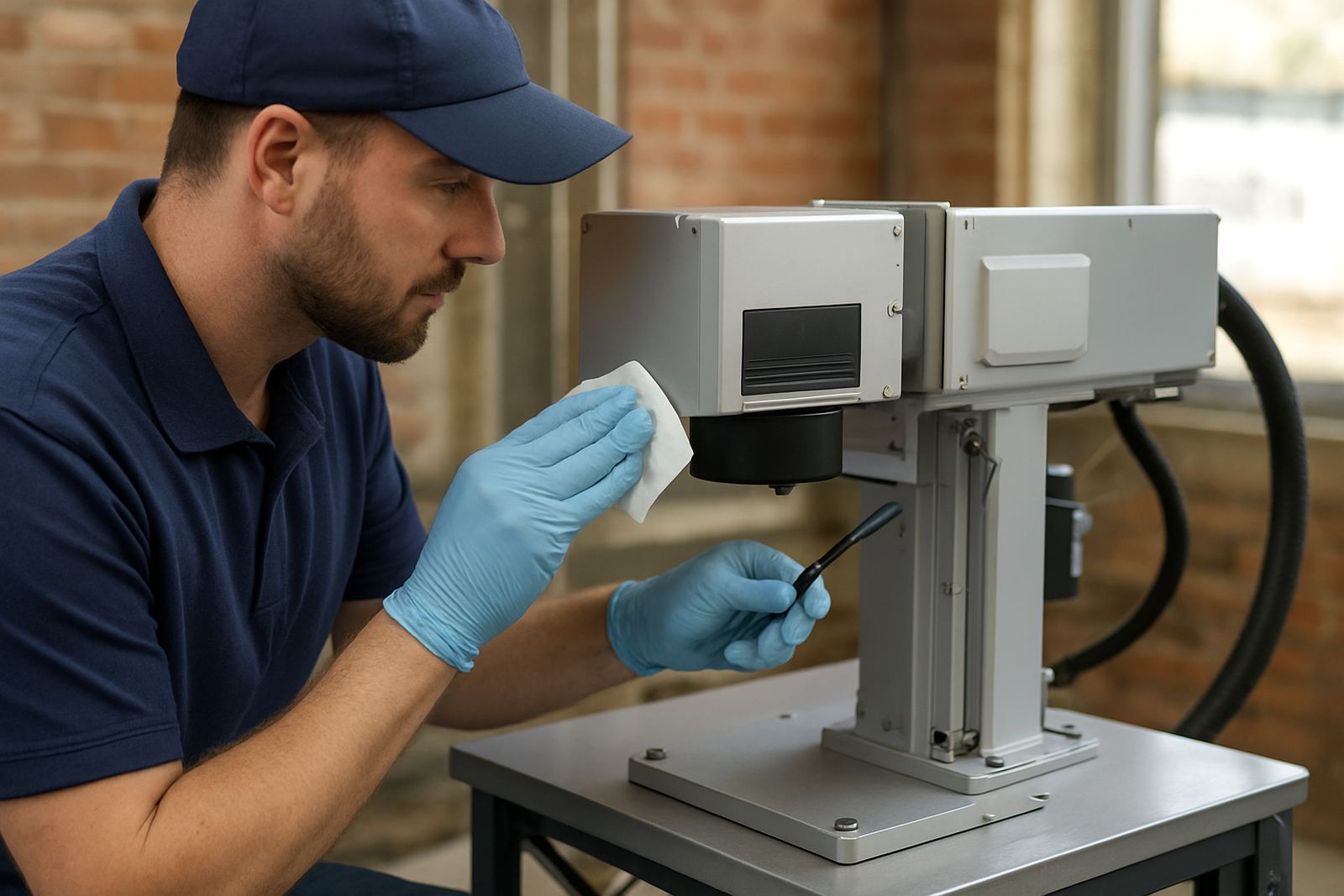
Typical aftercare includes lens cleaning, alignment verification, safety checks, software backups and a review of mark consistency. We also recommend a scheduled preventive visit after the first few weeks of production, then at agreed intervals depending on usage. That gives us a chance to pick up wear, vibration or process drift before it becomes a breakdown repair. A small change in focus or fixture position can affect the final mark, so early checks save time and material.
- First review after initial production run
- Routine checks monthly or quarterly, depending on use
- Optics and alignment checks in dusty or humid areas
- Software backup and parameter review after changes
- Preventive maintenance on a planned schedule
Why clients choose UV Laser for installation
Clients in Ekurhuleni and beyond choose us because we handle the install as part of the full marking process, not as a quick drop-off. Our team works with glass and plastics every day, so we understand the difference between a clean permanent mark on a bottle and a crisp code on a plastic part. That experience helps when the product is glossy, thin-walled or sensitive to heat.
Riaan Pretorius leads the business from Jet Park, with support from a practical team that includes operations, applications, training and field installation. That means the same people who set up the machine can also assist with sample testing, line integration and operator training. For manufacturers who need dependable results and clear communication, that makes the process far less stressful.
If you are planning a new installation or replacing an older unit, we can help with the full setup and make sure the system is ready for production. The result should be simple: accurate markings, consistent output and fewer surprises after handover.
Key facts
| Installation scope | Positioning, connection, commissioning and handover |
|---|---|
| Materials supported | Glass and plastics marking applications |
| Coverage area | Jet Park, Boksburg, Ekurhuleni and nationwide |
| Typical turnaround | Same day for simple installs, longer for integration work |
| Maintenance guidance | Monthly to quarterly checks depending on environment and usage |
| Support options | Sample testing, training, preventive maintenance and breakdown repairs |