What preventive maintenance covers on a UV laser marker
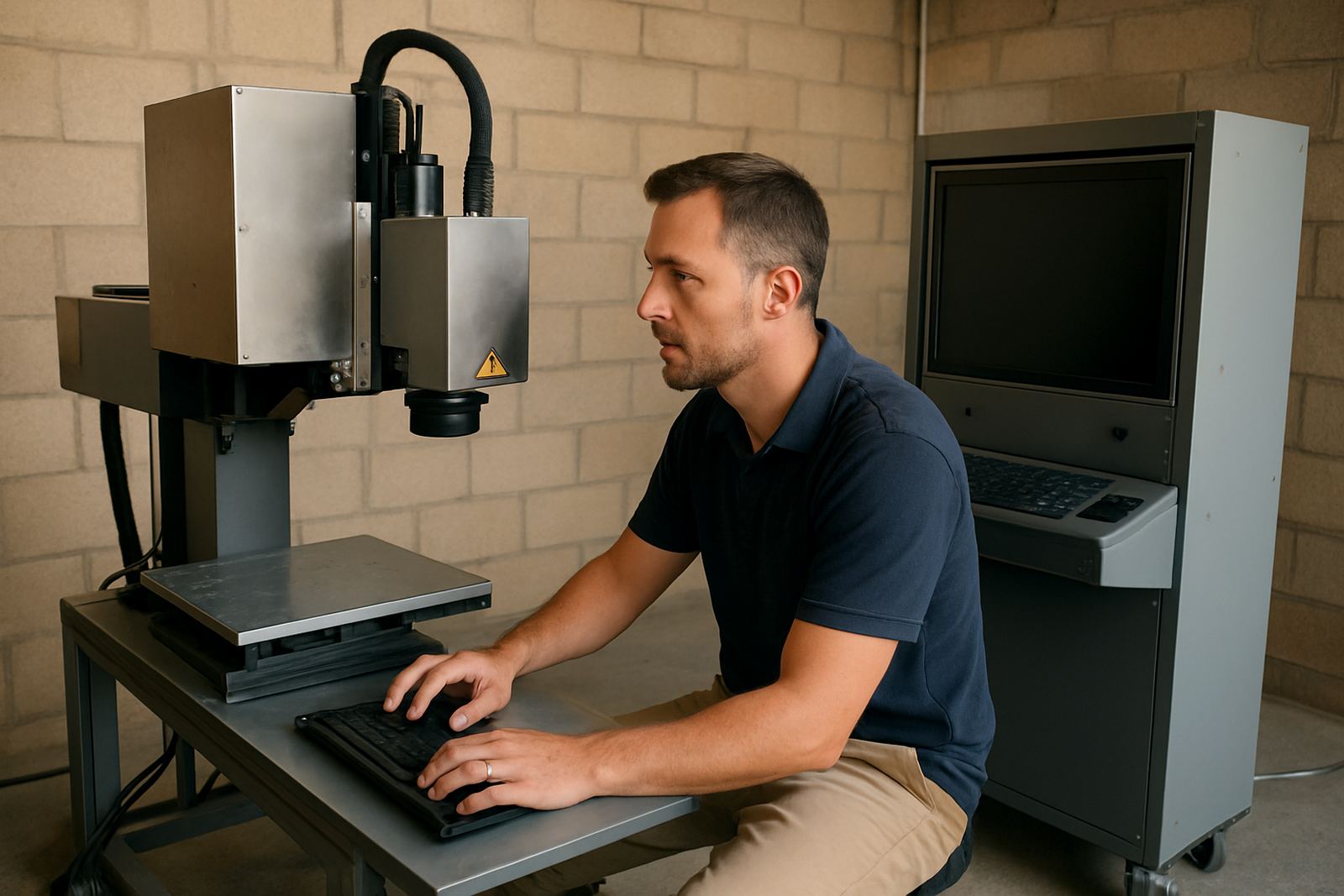
Preventive maintenance is more than a quick clean and a check of the start button. It is a planned service that looks at the full marking system, from beam path condition and enclosure cleanliness to motion parts, cooling, cabling, safety interlocks and software settings. The aim is to catch wear before it turns into downtime, poor mark contrast or repeat faults.
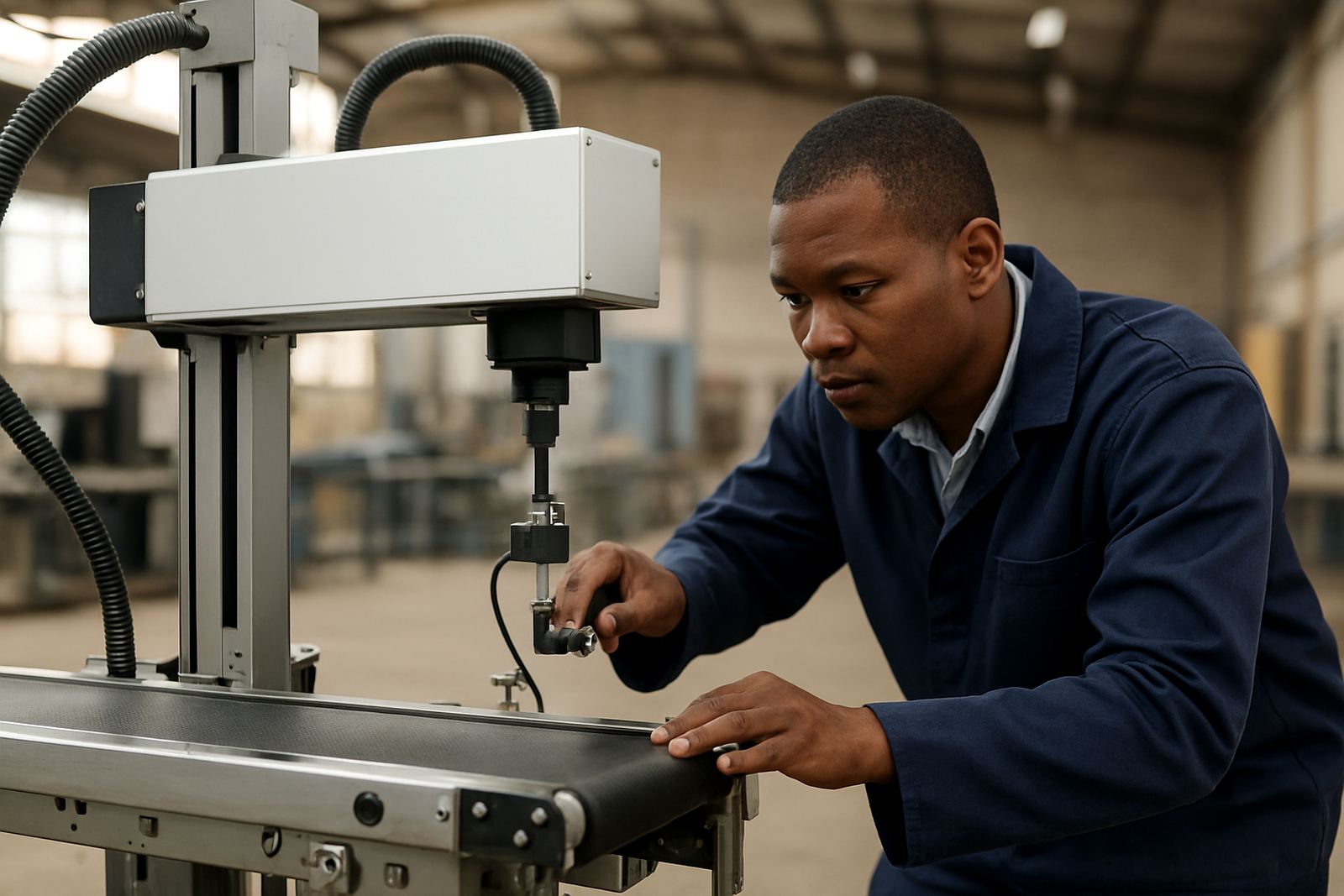
For glass and plastic marking lines, we focus on the parts that usually drift first under daily use. That includes lens condition, beam alignment, galvo performance, fixtures, part loading repeatability and the stability of marking parameters. In South African plants where dust, heat and load-shedding all play a part, small issues can build up fast if they are not checked on schedule.
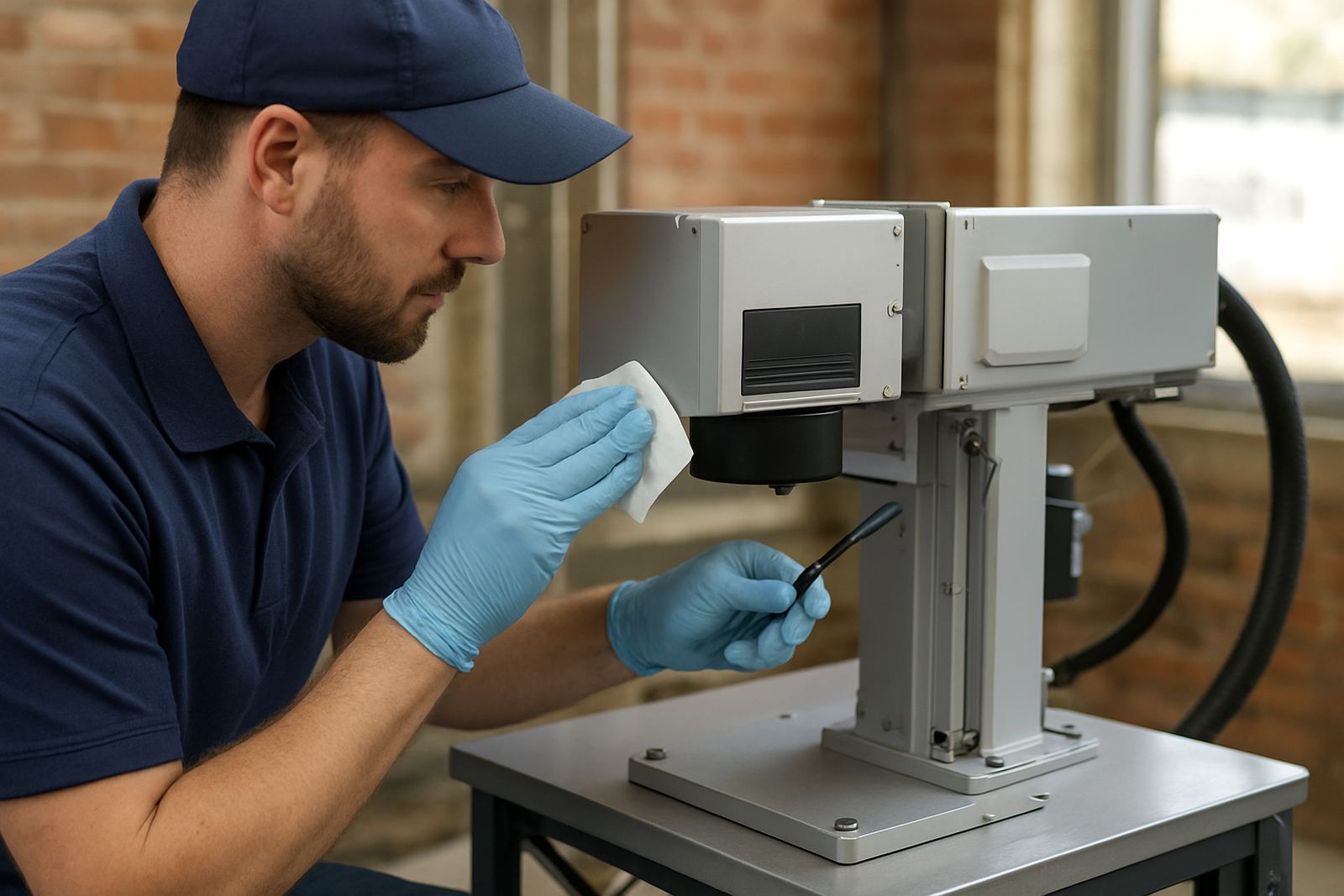
- Cleaning and inspection of optical paths and external housings
- Checking of beam alignment and mark position repeatability
- Verification of software settings, recipes and saved parameters
- Review of cooling, ventilation and electrical connections
- Inspection of safety guards, covers and interlocks
Why planned servicing protects mark quality and uptime
When a UV laser marker starts to drift, the signs are not always dramatic. You may see faint marks, slight burn haze on plastics, uneven contrast on glass, or a fixture that needs a second pass to hold position. On high volume lines, that means scrap, rework and lost production time. Preventive maintenance reduces those risks by keeping the machine within the settings it was built to run at.
We also look at the production environment around the machine. A line near a loading bay in Boksburg or Germiston can pull in fine dust, while coastal humidity can affect certain plastics, label stock and storage conditions. In some sites, intermittent power affects settings and warm-up behaviour after a shutdown, so the maintenance check covers how the machine comes back into service after power loss.
- More stable mark depth and contrast
- Lower risk of unexpected downtime
- Better repeatability across shifts
- Reduced wear on key components
- Cleaner handover between operators
How our maintenance process is carried out
We keep the process practical and neat. First, we review the machine model, usage pattern and any faults the team has noticed. Then we schedule the visit around your production so the service does not clash with peak output. For some clients in Jet Park, Kempton Park or Benoni, the job is done on-site during a planned stop. For other sites, especially where deeper inspection is needed, we may arrange a controlled off-site check and return fitment.
During the visit, the technician follows a documented checklist and records the machine condition before any adjustments are made. If we find worn parts or software issues, you get a clear note of what was found and what should be corrected. No guesswork, no vague advice.
- Pre-visit review of model, cycle rate and job history
- On-site inspection and cleaning of critical components
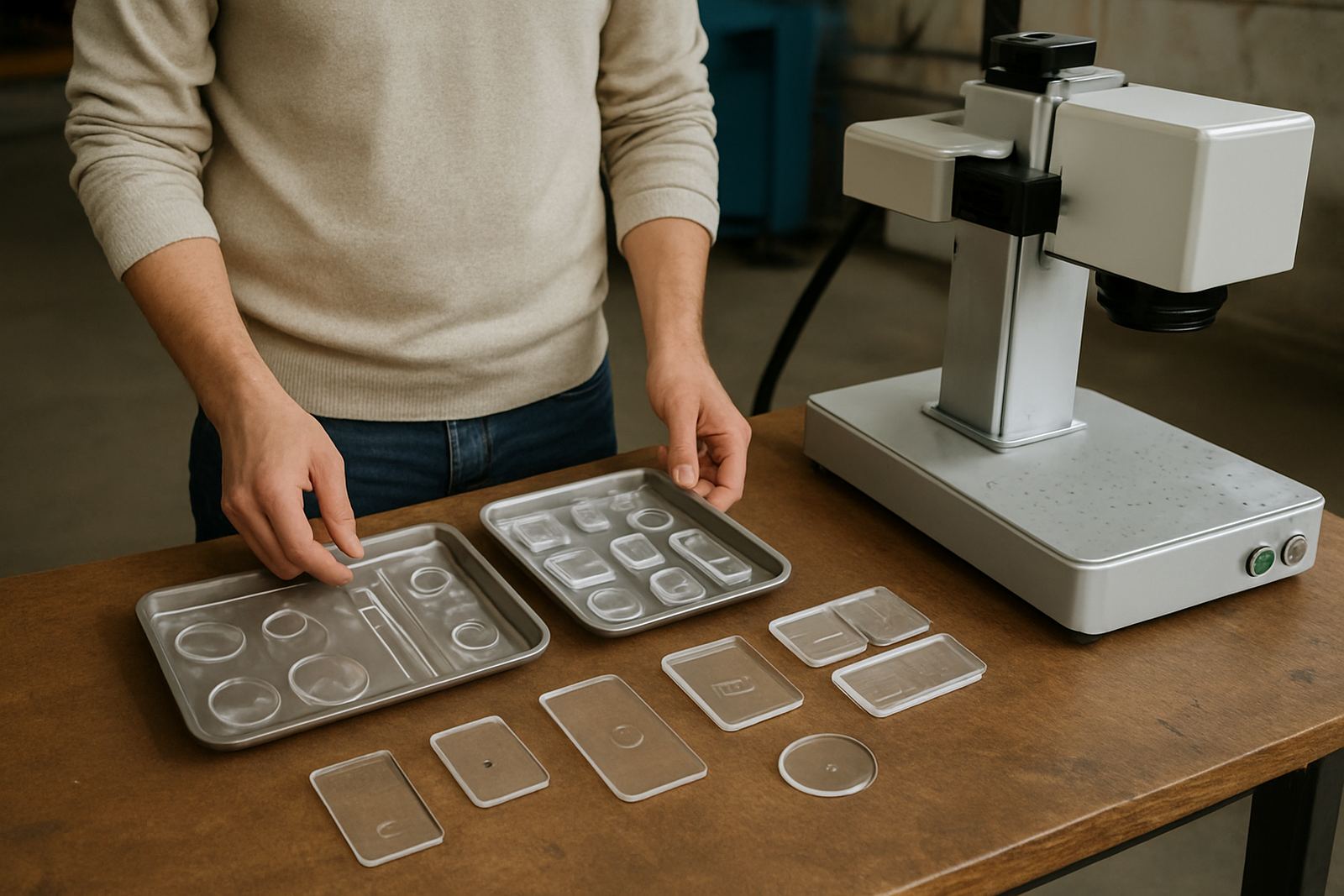
- Test marking on sample material where possible
- Adjustment of settings, alignment and fixture accuracy
- Written feedback with recommended next steps
Typical service intervals for different production environments
Maintenance frequency depends on use, not just calendar time. A machine running all day on a plastics line will need more frequent checks than one used a few times a week for short batches. As a guide, many sites benefit from a light inspection every 3 months, a more detailed service every 6 months, and a full yearly condition review with calibration checks. High dust sites or plants running long shifts may need shorter intervals.
If your operation changes, the interval should change too. New fixtures, new staff, new materials or a line move can all affect marking consistency. We can help set a maintenance plan that matches actual production instead of forcing a one size fits all schedule.
- 3 monthly: visual checks, cleaning and basic function review
- 6 monthly: alignment, test marks, cable and safety inspection
- 12 monthly: deeper service, settings review and wear assessment
- After line changes: recheck of fixtures, software and part handling
Turnaround times and what happens when a fault is found
For planned maintenance, turnaround is usually fast because the work is scheduled before failure happens. Simple on-site services can often be completed in a single visit, while more detailed checks may take longer depending on machine access and the number of items on the line. If a fault is found, we isolate the cause first so you do not replace parts that are still serviceable.
Where repairs are needed, we discuss the options clearly. That may include a setting correction, replacement of a worn component, software reconfiguration or a follow up visit for machine testing. In many cases, the same visit can resolve the issue, but if parts are needed we will explain lead times and keep the process moving. Customers should not be left waiting without a clear plan.
- Fast booking for planned shutdowns and maintenance windows
- Fault tracing before parts are ordered
- Same-day corrective work where practical
- Follow up tests after repairs or adjustments
Pricing approach for scheduled maintenance visits
Our pricing is based on the machine type, the condition of the equipment, the site location and the depth of service required. A basic maintenance visit for a single marking unit is priced differently from a full line service with fixture checks, software setup and several test materials. If you are in Midrand, Pretoria, Alberton or further afield, travel and site access may also affect the quote.
We prefer to quote from real information rather than rough guesses. That means we look at the machine model, how often it runs, whether spare parts are likely to be needed and whether the visit is part of a larger support plan. For customers with regular production, a scheduled maintenance agreement can help spread costs and reduce emergency callouts. It is a practical way to budget, especially where any stoppage hits output hard.
- Quoted from machine details and service scope
- Separate pricing for parts, labour and travel where needed
- Options for one-off visits or planned support agreements
- No hidden extras added after the job is complete
Key facts
| Service scope | Inspection, cleaning, alignment checks, software review, test marking and written feedback |
|---|---|
| Typical interval | 3 monthly, 6 monthly and annual plans depending on usage |
| Site coverage | Jet Park, Boksburg, Germiston, Kempton Park, Benoni, Alberton, Midrand, Pretoria and nationwide |
| Machine types | UV laser marking systems for glass and plastic applications |
| Turnaround | Same visit for many planned checks, with follow up support if parts or deeper testing are needed |
| Support format | On-site maintenance, line checks and scheduled service plans |